Mit “Du noir tout autour” veröffentlicht der französisch-italienische Komponist und Elektroakustiker Armando Balice ein Triptychon akusmatischer Musik, das aus drei etwa gleich langen Teilen besteht und bei empreintes DIGITALes erscheint. In seinen elektroakustischen Arbeiten begegnen sich Aufnahmen der Außenwelt und synthetisch erzeugte Oszillationen, deren Spannungsfeld, wie es im Begleittext heißt, aus Rohheit und Kontrolle, aus Zufall und Form die charakteristische Handschrift des Künstlers bildet. Balice komponiert, wie es ferner heißt, mit Kontrasten: Schwarz und Weiß, Stille und Lärm, Dichte und Leere – Gegensätze, die sich nicht ausschließen, sondern in immer neuen Transformationen ineinander übergehen. Das neue Werkzyklus versteht sich als Meditation über den “inneren Garten” – eine poetische Metapher für die Art und Weise, wie persönliche Wahrnehmung die Wiklichkeit hervorbringt. Die drei Teile tragen dementsprechend die Titel “Black Garden” (Dunkelheit als Zerstörung und Schöpfung), “Empty Garden” (Leere als Ursprung) und “Light Garden” (Licht aus der Dunkelheit). In Zusammenarbeit mit der Cellistin Lola Malique entstehen dabei Szenarien, in denen instrumentale Gesten, raue Field Recordings und Analog-Synthetisches zu einer spannungsvollen, konturenreichen Textur verschmelzen. Die Veröffentlichung ist ab sofort als CD-R und zum Download erhältlich.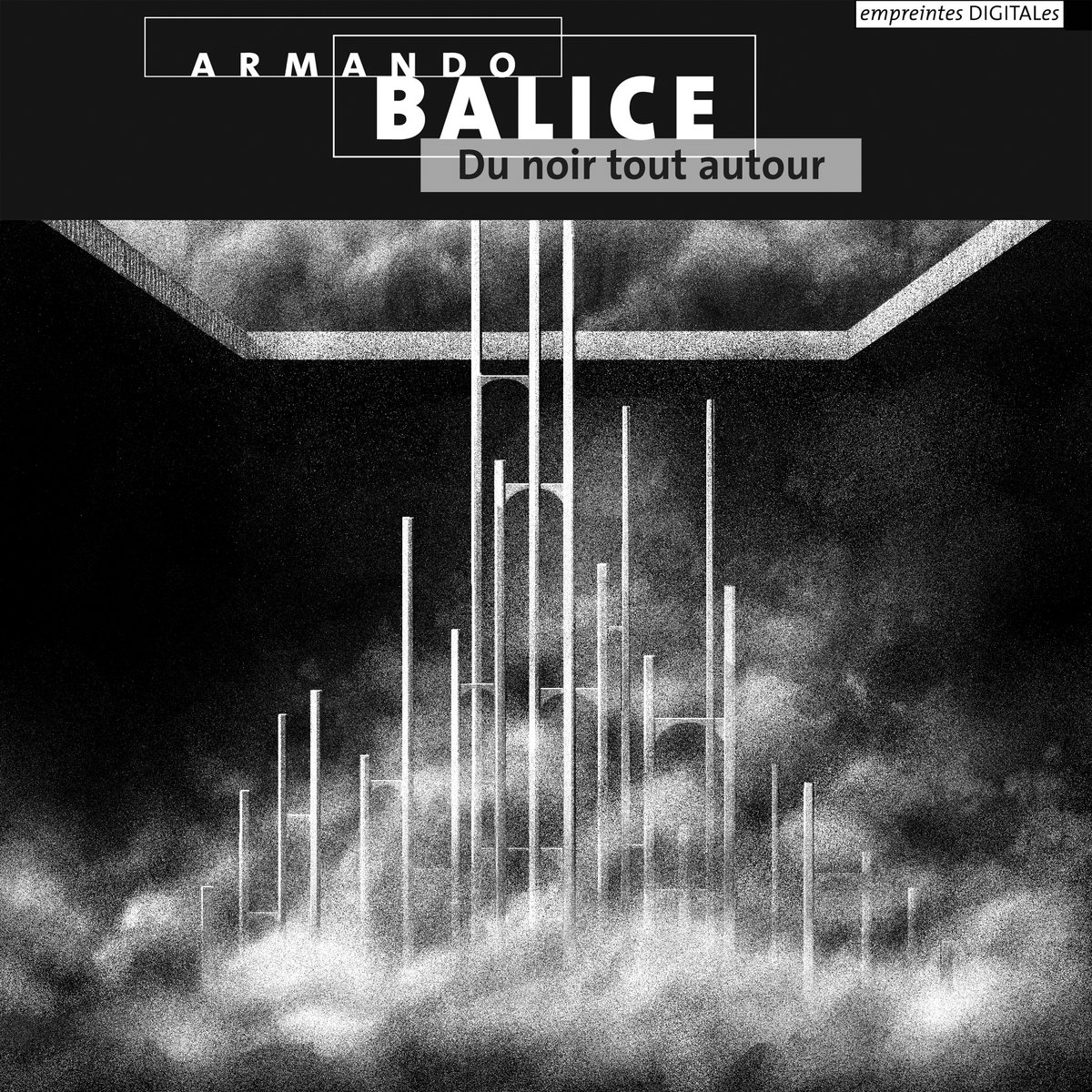
“In his acousmatic music, Armando Balice is working on raw material captured by a microphone on the spot or shaped by the oscillations of synthesizers, as if any chunk of sound already contained the shape to come and as if that form, once achieved, always had to retain something of its rugged origins. This is music made of sharp, almost caricatural contrasts: black and white, silence and noise, fullness and emptiness. It is as much editing work as telescoping work – delicate stained glass crashing into the concrete wall in breath-like movements. It is a dramatic yet unstable building consisting of elevations that won’t stop falling down and collapses that keep rebuilding themselves. Images are born out of these clashes, out of these balancing acts and their expertly maintained tensions. The meeting between a cello and flock of birds on the composer’s electronic dissecting table will automatically bring to mind the convulsive beauty that will be guiding the listener towards unimagined, dizzying landscapes. These sonic gardens are fantastical creations with dark lyricism, a tectonic force that pushes large flat surfaces out of the ground, and the seemingly monochromatic nature of those mobile surfaces is barely able to disguise the rich materials developing. In the dark, you’re always able to see more than you thought. And Armando Balice is drawing the ghosts out of that darkness and into apocalyptic light”. (Guillaume Contré)