Am 31. Oktober verwandelt sich die Galerie Zeitzone in Berlin in einen Ort zwischen Schatten und Bühne, zwischen Musik, Performance und Fantastik im Zeichen der Tradition des Halloween unter dem Titel “Halloween Haunted Extravaganza”.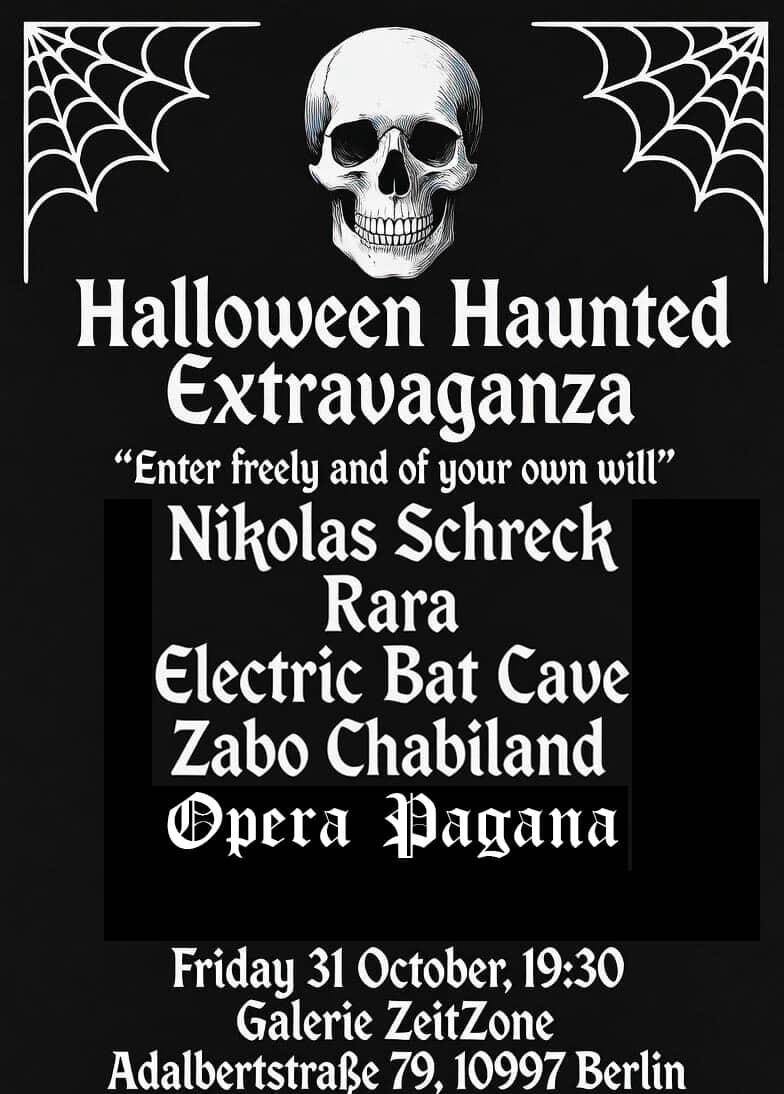 Weiterlesen
Schlagwort-Archive: H.P. Lovecraft
FABIO FRIZZI & ANDREW LEMAN: H.P. Lovecraft’s The Picture In The House
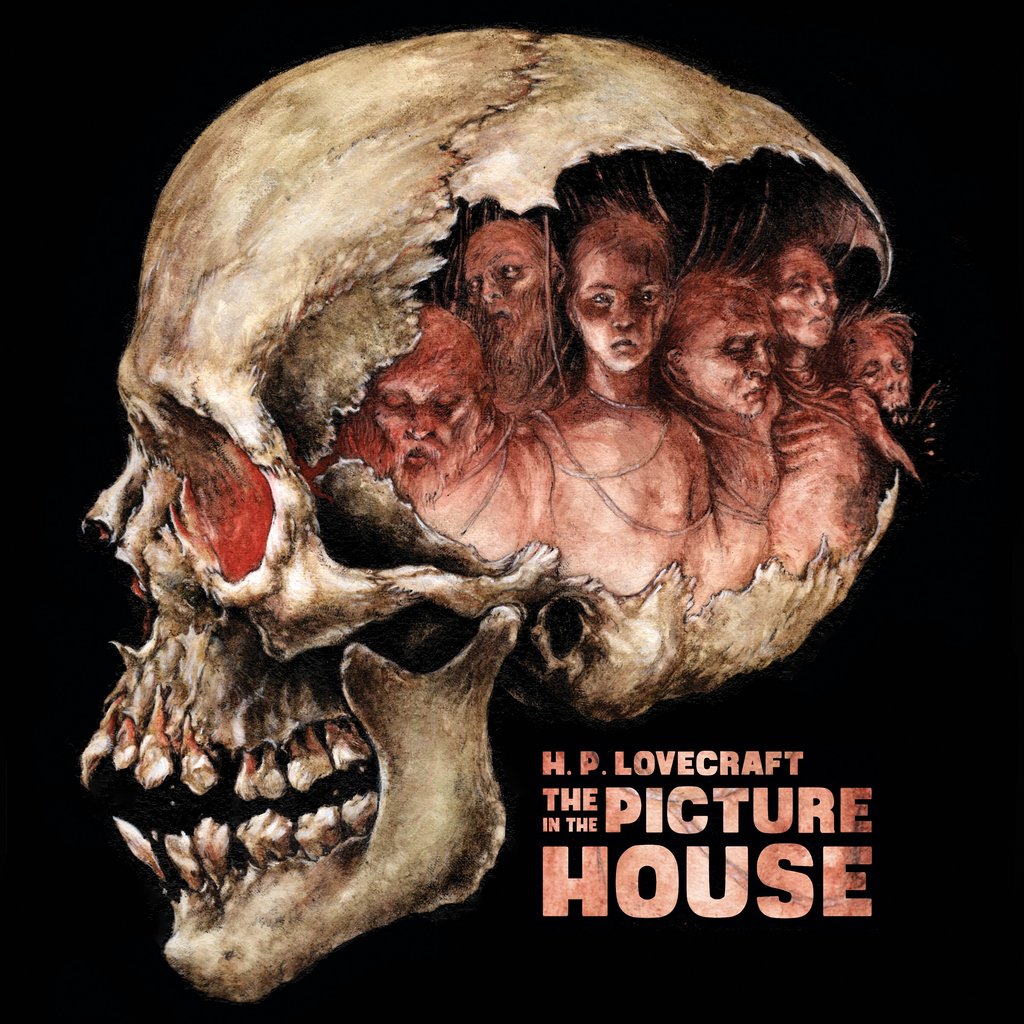 H.P. Lovecraft ist mit seinen Kreationen, insbesondere mit seinem Oktopoden Cthulhu, aus der Popkultur nicht mehr wegzudenken. Dass die Rezeption dieses „literarischen Kopernikus“ (Fritz Leiber) heutzutage dann leider auch über Plüschtiere abläuft, ist bedauerlich („Wenn heute Lovecrafts Wesen oder Erfindungen zitiert werden, dann hat das in den seltensten Fällen etwas mit seinen Themen zu tun“, wurde schon vor ein paar Jahren bemerkt), denn Lovecrafts „kosmischer“ Horror, den der verstorbene Joel Lane als „ontologischen“ bezeichnete, situiert den Menschen adäquat in seiner ganzen Insignifikanz in einem indifferenten oder feindlichen Kosmos. Weiterlesen
Adventures in atmospheric sound design: Interview mit Joseph Curwen
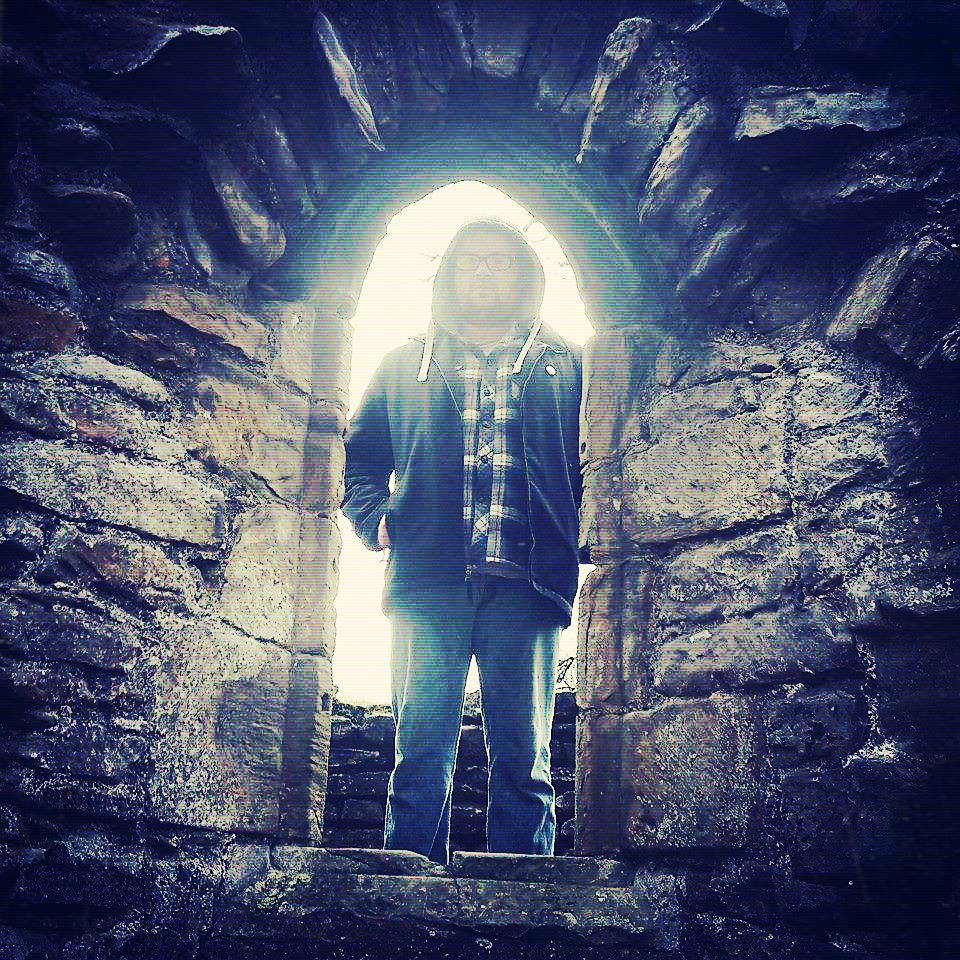 Das nach einer Figur aus H. P. Lovecrafts Roman The Case of Charles Dexter Ward benannte und in Newcastle upon Tyne beheimatete Einmannprojekt situiert sich selbst im weiten Feld von „Post-Rave Hauntology Rituals and Radiophonic Occult Synth Horror Soundtracks“ (die Genese des Begriffs wird im Interview erläutert), man könnte auch sagen im Spannungsfeld von (ewigen) Drones und melodischen Soundcapes, die inzwischen auch schon mal von Beats durchzogen werden. Dabei sprengen die (meist digitalen) Veröffentlichungen manchmal den Rahmen eines herkömmlichen Tonträgers, etwa dann, wenn Weiterlesen
Adventures in atmospheric sound design: Interview with Joseph Curwen
Let’s start with the origin of your project. Is Joseph Curwen the first project or have you played in other projects/bands before? What kinds of music/sound did you grow up with?
I was lucky enough to be raised in a musical household. I grew up surrounded by 70s rock and psych records, and an old upright piano. I grew up in a tiny village in County Durham in the early 90s, and was exposed to rave culture at a young age. Most of the kids I went to school with had older siblings and parents that regularly went raving, so techno and rave tape packs would always be playing when I went to people’s houses. I remember the sense of shock felt when there was an ecstasy death in the village. This instilled in me the dichotomy between euphoria and nostalgia inherent in a lot of dance music. I’ve always been interested in bass heavy music of all genres, including a life long fascination with heavy metal. I played bass for years in many many bands, and was aware that audiences react to low frequencies in primal ways, from crippling doom bands to wedding function bands, the physicality of bass is always there. All any of us are is the sum of our experiences, so I’ve assimilated my love of drone and rave/dance into something I call post-rave hauntology rituals. I call it this as a way of visiting my personal and musical experiences of the past in a performative way. As Joseph Curwen I’ve also worked with The Dead End Street Band and CHONYID. I really enjoy creating by myself as I can plan meticulously the way sounds weave and interact with each other, but when playing with others I appreciate the opportunity to manipulate sounds on the fly, and react to those around me. I have a great satisfaction doing both. My latest album “A Key To The Origin” is I feel the closest I’ve got to a pure post-rave hauntology ritual since I first envisaged Joseph Curwen a couple of years ago, hence the title.
I think given your project name and titles of releases we have to talk about HPL. How was your first encounter with his works? Given your interst in the man from Providence I was wondering if you’ve followed the recent heated debate whether the World Fantasy Award statuette that portrays him should be replaced by somebody else beause of his views (on race etc.) and S.T. Joshi’s recent posts in which he tries to defend Lovecraft. How do you feel about that discussion?
I first encountered HP Lovecraft as a teenager, when I discovered a lot of my favourite heavy metal musicians were inspired by his writings. I bought a compilation of his works called “Necronominocon” and devoured it with relish. I felt like my initial experiments with drone had a weird sense of dread to them, so dedicating the project to his take on what we can never genuinely know from half-dreams and memories felt natural.
I personally don’t subscribe to Lovecraft’s views on race, but I am wise enough to appreciate he was of his time, and a lot of people from that era would have held views on other people that today seem backward and unnecessary.
Do you think there is something like the core substance or essence of Lovecraft’s fiction (Joshi would maybe emphasize his cosmicism), and if yes, how would you describe it? What makes his fiction outstanding for you, compared to other writers? How did you come up with the idea of handeling your fascination for supernatural horror and Lovecraft in a work of its own?
I have always appreciated Lovecraft’s sense of the genuine unknown in his stories, and think that no one has come close to describing the cosmos in such a weird way. There are significant activities in the Universe we as human beings will never understand, whether you believe in monsters in the sky or subscribe to accepted scientific thought. I try to instill this sort of uncomfortable atmosphere in my music, like you’re listening to a recording of a dream you had about a musical memory. A lot of his stories feature seemingly normal people thrown into berserk situations, and I’ve always related to that.
What is your attitude towards the attempts of the HPL-historical society to create films and 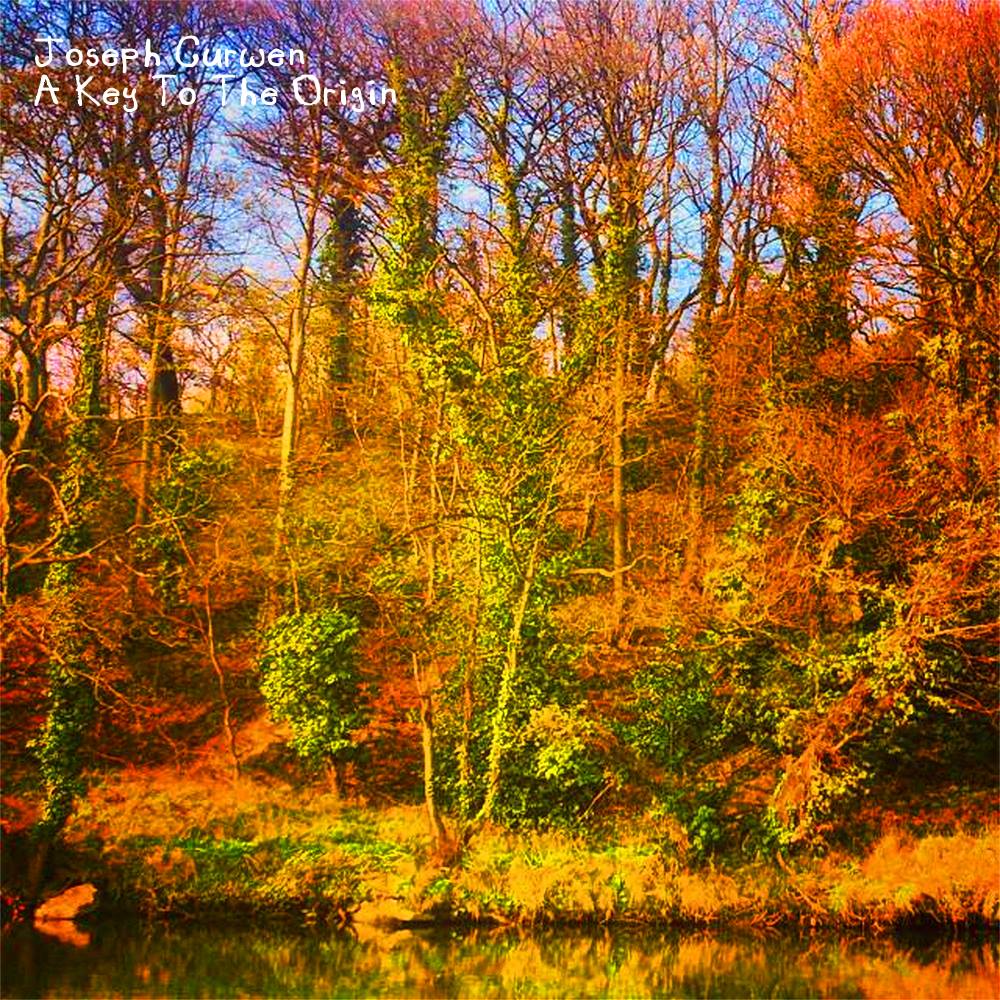 radioplays that reflect the times when the stories were written, i.e. using a medium like the silent film or the black-and-white film? I’m asking because you have a very striking aesthetic. I think one immediately recognizes your releases due to their use of colour(s). And you certainly did not go for some kind of retrodesign. Can you say a few words about that?
I can see the appeal of trying to emulate an atmosphere that HP Lovecraft would recognise, and sometimes putting artistic restrictions on yourself is a great way of being creative with what you are working with. I have always been a fan of technology, and my work as Joseph Curwen is a reflection of this. I appreciate that you’ve mentioned I have a striking aesthetic, as I spend a long time on each cover, ensuring it reflects the corresponding music properly. My use of colour is from my love of colour. I like to think my music is as vivid as the album covers.
In your self description you use the popular term hauntology. The philosopher Derrida once invented this term to describe a certain ambivalent twist in contemporary western mind – political ideologies seemed to have disappeared from our mainstream, but secretly they still haunt the subconscious of western man. Do you have a relation to this use of the term, or does it rather refer to a more general interest in aspects of haunting?
I’ve only recently looked into Derrida’s writings, but I do think he puts forward a compelling idea. Everyone is haunted in some way, from memories of the distant past, to stories they’ve been told by other people, to subconscious survival stuff passed down by our ancestors. We’re all a blend of genetics and history, with actual and perceived experiences passing us by every day, so who is to say what the subconscious mind actually holds? The term Hauntology has been bastardised for all sorts of reasons by many people. My personal take on it is to look back at musical movements important to me throughout my life, and explore them as doorways to my own past, through exploratory sound design using the wisdom of who I am now. A lot of my recent material has explored my love of dance music, in particular the rave culture of the early 90s, and investigates the idea that euphoric music can often be haunted by something dark and evil. As a child in the early 90s I felt like anything was possible, and a lot of the music of that time that I was exposed to felt like it was heralding a new dawn of utopia for mankind. Obviously what those people were aiming for never transpired, so everyone who enjoyed it at the time is now haunted (in some form) by it. I hope I’ve managed to create music that emulates the ghost of dance music in a way, the euphoria of the past have dissolved into something anxious and unnerving.
What can you tell us about your way of writing, improvising and recording music? Do you follow a spontaneous approach, or do you prefer to compose in a way that allows you more control?
The earliest days of the project were very structured, and were mainly experiments in digital bass weight. I’m proud of the early pure drone material, but feel like I took it as far as I could. As the project has evolved, and I’ve learnt more and more about digital audio technology, my writing approach has developed aspects that are a lot more spontaneous. I still meticulously plan out a lot of the structure, and carefully map out how the drones interact with each other, but now I can take small samples of music, and manipulate them beyond recognition in real time, adding them to the drones as a means to be more cinematic and evocative. My work in The Dead End Street Band and CHONYID has taught me a lot about layering textures, and creating atmosphere with more evolving and varied sounds. Joseph Curwen is a constantly evolving process, and can be viewed as my research into audio technology and sound design. I am a degree carrying devotee of Mathematics, so a lot of my enjoyment comes from ensuring my choice of effects and compressors etc. are mathematically sound for maximum sonic impact or effect. I subscribe to the idea that maximum volume yields maximum results, and appreciate that some of my material can get quite brutal, but I hope listeners can enjoy my albums as adventures in atmospheric sound design.
How long does it take you to record an album like for instance “Lurking Fear”? Some of your recordings are released in tiny quantities (of tapes), others like the abovementioned “Lurking Fear“ or “Blasphemous Alliance“ most certainly defy any possibility of releasing them in a physical format. Do you feel that our digital age has freed artists from the constraints of the (physical) medium? I guess the number of listeners that play such an album as a whole in full concentration is limited. Would such a long release serve as a background ambience?
Lurking fear took about 36 hours in real time to write, record, and process. It was originally intended as an art installation, which eventually mutated into Lurking Fear 2: Starling Shadows. I appreciate that some of my recent digital releases have been obnoxiously long, but drone music is supposed to invoke an atmosphere, and I am certain that both Blasphemous Alliance and Lurking Fear do that. I know certain members of my core fan base have listened to both of them in their entirety. I like that digital outlets such as Bandcamp allow artists to present albums as long as they see fit, but physical formats such as cassettes allow a more personal connection to occur between the artist and listener. I use Bandcamp as it allows me to instantly upload and distribute my music to my fans, allowing me to directly contact them.
I feel that some of your music is similar to the mood that e.g. somebody like The Caretaker tries to create. Do you feel a (kind of) kinship to other artists who work in a similar field?
I have been likened to The Caretaker before, as well as artists like Lustmord and Aphex Twin. I always appreciate being compared to artists I respect, as well as others I can newly discover. I feel kinship to anyone that is being musically creative. I don’t aspire to be like anyone else. I make music as Joseph Curwen because it is the music I want to listen to, the fact that others have really bonded with it and listen to it as well is an awesome bonus.
What is the relationship between those recordings that have some kind of beat and those that focus more on soundscapes? On your bandcamp site you can find some live recordings. Is there something like a typical Joseph Curwen performance? Do you make use of visuals?
I started out purely doing soundscapes because I wanted to explore texture and timbre within drone. I’ve always been a massive fan of techno so started to experiment with beats as a means of making the drones easier to digest. I think if there’s something for the listener to grasp, a thread that runs throughout the “narrative”, they’re more likely to get pulled into the atmosphere I’m trying to create. Since introducing beats and rhythmic textures in Curwen I’ve started making music as Granite Portal so I can fully explore my enthusiasm for jungle and gabba rhythms, and utilise repeating phrases and more dance floor orientated structures.
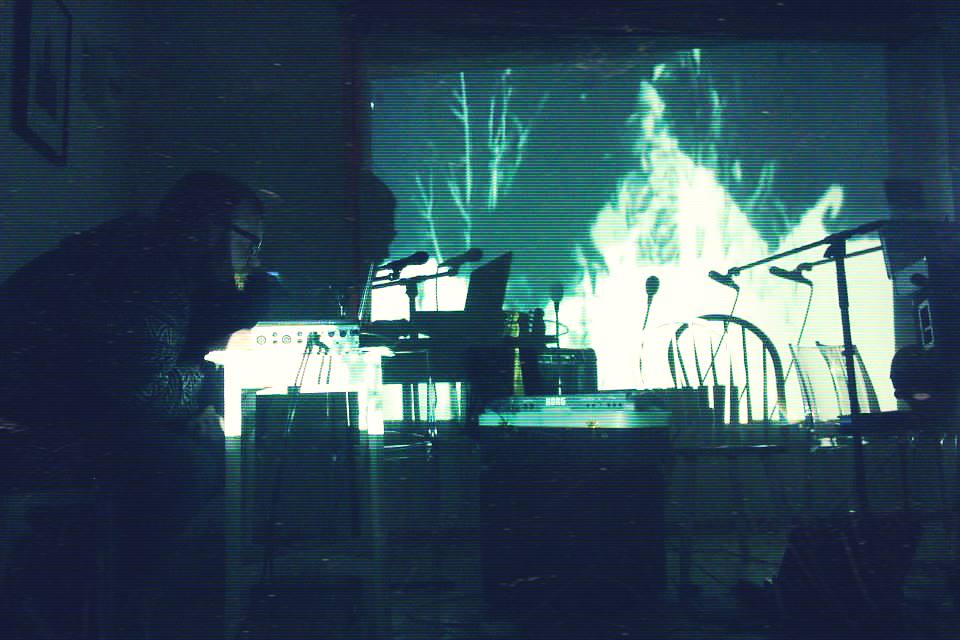 When performing live, I like to expose people to what Joseph Curwen is, as loud as possible. A typical Curwen gig involves me preparing some material in advance for further exploration, then in effect DJing my own drones, bringing different timbres and shards in and out of the mix as a reaction to the audience and the room I’m in. I can then manipulate effects in real time for extra timbres and effects. I tend to revert to a primal state when performing live, and let myself get completely lost in the noise. Some sets are very similar to practise runs, other have come out completely differently. I guess that could be called the ritualistic aspect to the music. I enjoy the use of visuals as a means of further filtering the audience towards the atmosphere I’m trying to create with the music. I am comfortable performing without visuals, but an accompanying video is a lot more entertaining to watch than a man behind a laptop.
Any final words?
Please check out https://josephcurwen.bandcamp.com/ and if you like any of it, please consider supporting me.
If you like what you hear or fancy getting in touch, I’m on Twitter as @curwendrone.
All digital noise intended, thank you for listening.
Also:
Granite Portal: https://graniteportal.bandcamp.com/
Dead End Street Band: https://thedeadendstreetband.bandcamp.com/
CHONYID: https://chonyid.bandcamp.com/
(M.G. & U.S.)
Personal loss is an important literary theme and one that I return to quite often: Interview mit Joel Lane
 Unter den Autoren, die in der jüngeren Vergangenheit originelle Beiträge zur unheimlichen Literatur beigesteuert haben, sticht der in Birmingham lebende Brite Joel Lane aus verschiedenen Gründen hervor. Sein Output ist weder auf ein Genre noch auf eine Gattung festgelegt: So lassen sich seine bisher veröffentlichten zwei Romane From Blue to Black und The Blue Mask tendenziell eher dem Mainstream zuordnen, seine vier Sammlungen mit Kurzgeschichten (The Earth Wire wurde 1994 mit dem British Fantasy Award ausgezeichnet) gehören dagegen zur unheimlichen Literatur; außerdem hat er noch mehrere Lyrikbände veröffentlicht. Weiterlesen
Personal loss is an important literary theme and one that I return to quite often: Interview with Joel Lane
You work as a journalist and you also write poetry, short stories and novels. I was wondering to what extent the writing (process) differs in each case. The stories in your most recent collection Where Furnaces Burn were written and originally published over a period of thirteen years. Was it clear for you right from the beginning that you would write a cycle of stories that were interlinked – thematically as well as with regard to the protagonist?
Yes, it was, though it took me a few years to be writing mostly stories in that series. The idea was to combine elements of noir fiction and the occult detective sub-genre. That gave me a complex enough basis to write what is hopefully quite a diverse group of stories: there are ghosts, mythical beings, weird cults, sacred relics and monstrous creatures as well as thieves, gangsters and killers. I wanted to leave scope for quite a lot of variety in theme and mood, but for there to be a cumulative effect. It wasn’t like writing a novel because I only came up with the story ideas one or two at a time, and not in chronological order. Some of the stories are very dark, some are more affirmative.
I think one of the first stories I read from you was the title story of The Lost District. Am I right in saying that a recurring topic in your stories is that of loss and losing?
Probably, yes. There are two aspects to that: personal loss and the idea of broader social and 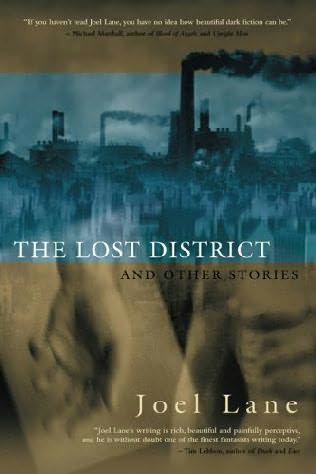 cultural losses. The title of ‘The Lost District’ is a play on the ‘lost cities’ of pulp fiction, so it’s hinting that the district is one where strange influences are at play. Personal loss is an important literary theme and one that I return to quite often, but it can get a bit monotonous if that’s all you’re talking about. The challenge is to understand how people keep going, how they survive – emotionally as well as physically. Life is a struggle and in the end you lose everything – that’s a given and there’s no point just saying it, you have to show what it brings out of people.
At the end of your story “Stiff As Toys“ you use a pun: “Man’s laughter. Manslaughter“. Is that for you an adequate summary of human nature and condition?
Oh no. That’s specifically a comment on male violence – and it’s an unequivocal comment because the narrator was trying to make a point in a dramatic way. He has a bitter streak, as I’m sure you’ve noticed. But there are stories in Where Furnaces Burn that take a less extreme view of human nature, such as ‘Incry’ and ‘Point of Departure’. Part of the appeal of writing a book of episodes is that you can show that one person’s perspective is complex and changes with time.
William Blake once wrote about London that it was “a Human awful wonder of God!”. Considering that in many of your stories a city serves as the setting and the things happening there are often far from pleasant, would you say that you feel some kind of ambivalence towards city life? How does it feel to “wake up in Moloch“ (to quote the title one of your stories)?
There are problems anywhere you live, and I don’t assume small-town or village life to be idyllic. The phrase “wake up in Moloch” comes from Allen Ginsberg’s great poem ‘Howl’, and Ginsberg uses Moloch as a symbol of exploitation and the machine age: “Moloch whose name is the Mind!” So it’s not just waking up in the city, it’s waking up in the ugliness that is capitalism and the mechanisation of people. You’d find the same ugliness in the countryside, just taking a different form: factory farming and so on. I’m very much a city person but try not to idealise the urban experience. It obviously has its downside.
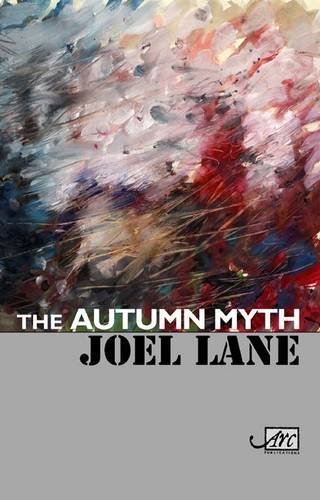 Even though one should be careful not to confuse author and narrator and even without knowing about your political activism, I guess the stories in The Lost District or Where Furnaces Burn more than clearly indicate that the Tories will not get your vote in the next election. In your poetry collection The Autumn Myth there are quite a number of poems which are political, e.g. “Safe Passage“ to name but one. You stated in an interview that there’s always been a “blend of outer and inner realities“. Was it clear for you from the beginning of your career that your work would deal with political topics (in a broad sense)? Do you think the political climate has worsened in the last couple of years?
I’m not sure what you mean by “career”, but leaving that aside – yes, early stories of mine like ‘The Foggy, Foggy Dew’ addressed political themes, though in a rather idealistic way. To me, politics is about how the individual relates to the community, how society is ordered, what the power relationships are, and so eminently suitable for handling in horror and speculative fiction. What’s changed in recent years is that the more left-leaning and reformist major party in the UK has been signed over to a right-wing agenda, leaving a vast gap in political leadership. That has led me to become more strongly involved with the revolutionary left, and that has started to give my writing a more definite political focus. The lessons of the current economic depression are clear: the capitalist system is in ruins and, as the Economist admitted, Marx has been proved right – you either work with that and start to build an alternative or you get used to living in the ruins of a society. A lot of the rage and bitterness that’s prevalent at the moment comes from people who realise the system has failed but haven’t got to grips with the need for something else. They think it’s ‘the fall of man’ rather than the breakdown of an economic system that is only three hundred years old. Or they imagine that being riddled with new technology is changing society in some profound way when in reality it’s all going backwards. People are starving in the streets, you can’t change that with Twitter.
I think you have read much more than I have in the field of weird fiction but I’ve got the impression that authors that try to deal with social reality are few and far between. Was that also a reason to publish the anthology Never Again?
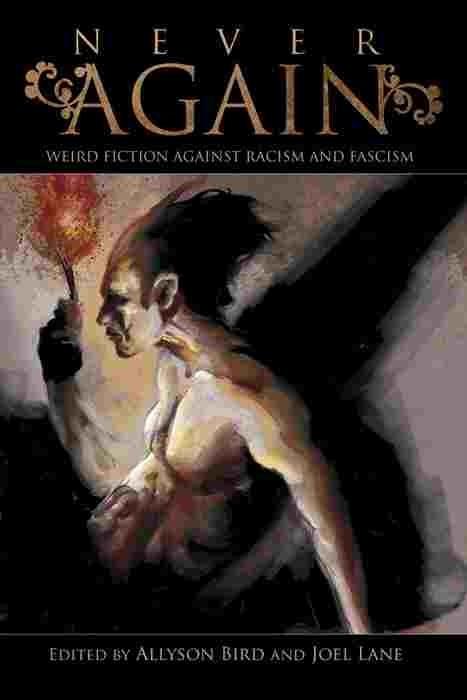 Actually, half the stories in Never Again were reprints – we wanted to bring together a body of work that already existed. Because weird fiction is about time and communities, social reality is ingrained in it, and there’s quite a lot of socially themed work out there, whether you’re talking about Fritz Leiber, Shirley Jackson, Harlan Ellison, M. John Harrison, Ramsey Campbell, Lisa Tuttle, Dennis Etchison, Graham Joyce, Thomas Ligotti, Joe R. Lansdale or some of the newer writers we included in Never Again. You can’t expect literal social realism from weird fiction, but you can expect bold metaphors, unease and irony, and I feel the genre is a rich resource of social commentary. Robert Aickman is a challenging example because he’s brilliant but also very right-wing, and sometimes one applauds the writing while resisting the message. With Never Again, we wanted to combine new work and existing work to show how the weird and speculative fiction genres are engaging with an important social theme. Inevitably, we were criticised for being too political and for not being political enough – but it was the literary agenda that we were most concerned with. Allyson Bird and I were perfectly aware that a book of stories doesn’t do the same job as a street stall or a demonstration. We wanted the outcome to be a strong book.
In your novella The Witnesses Are Gone films play a major role. Have you been strongly influenced by cinema and could you imagine writing a screenplay one day?
I don’t like horror films in general as much as I wish I did. They mostly seem rather obvious, even 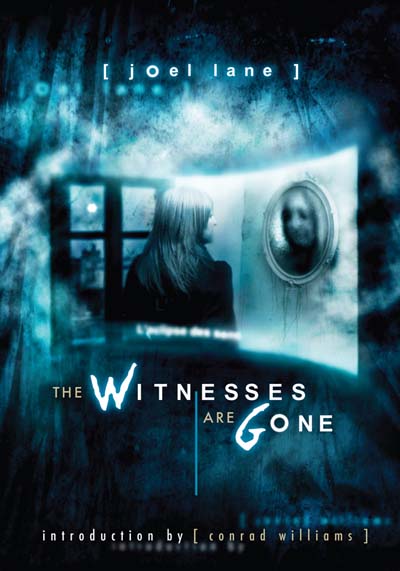 infantile. Those I’ve really enjoyed include Carnival of Souls, The Tenant, The Brood, Don’t Look Now, The Haunting, The Blair Witch Project… Some more culturally assured films like The Monster Club and Plague of the Zombies are effective too, but the most interesting horror films are those where you really don’t know what’s happening and you can’t rely on genre conventions to guide you. It was that kind of cinema I was trying to evoke in the novella, and the similarity between cinematic and dream imagery. I do have quite a visual imagination, and what the characters see in my stories tends to be more important than anything else. But I’m not sure cinema is responsible for that. I can’t rule out writing a screenplay in the right context, but it’s not currently in my plans.
What can you tell us about the perception of your work? Are the people reading your poetry those who are familiar with your weird tales? Do the reactions to your work(s) differ much?
There’s some overlap, but mostly my novels, free short stories and poems have had different readers. Perhaps I’ve spread myself too thin in that regard. I’ve had a lot of kind and supportive comments on all fronts, though, so I don’t think the attempt to migrate back and forth between genre and mainstream writing has been completely misguided. If any judgement annoys me it’s having my work (and especially my poetry) described as “gritty realism” when it’s nothing of the kind. From some reviews, you’d think we all lived in a Dr Seuss world of mauve cushions and little cuddly things, an adorable world, and anyone who acknowledges the existence of ugliness and difficulty is obviously disturbed. What Al Alvarez called “the gentility principle” is still alive and well in English poetry.
So far your novels have not dealt with the supernatural. Do you feel like Lovecraft or Ligotti that the short form is more adequate for weird tales? Having asked that, it was recently mentioned that you were working on a “supernatural horror novel set in the Black Country“. Can you say a few words about that?
Actually, my first novel did deal with the supernatural, it just wasn’t the main focus. There was a ghost story element to it, but you could miss that and it wouldn’t spoil the book for you. I think there are more great short stories and novellas in the weird fiction genre than there are novels. It’s remarkably difficult to write a truly effective supernatural horror novel – one where the supernatural is a core theme and not just a plot device. The short story seems to be the most natural form for weird fiction because that step into a visionary landscape is very hard to sustain. Most horror novels objectify the supernatural in a rather uninspiring way, in order to make it part of the furniture of novel writing – it becomes like everything else. But surely the whole point is that’s unlike everything else. As for my intended supernatural novel, that was planned for a while but never really got started and I wrote it as a short story, ‘The Messenger’. I must learn not to talk about plans as actual works in progress. But I do hope to write a supernatural horror novel some day.
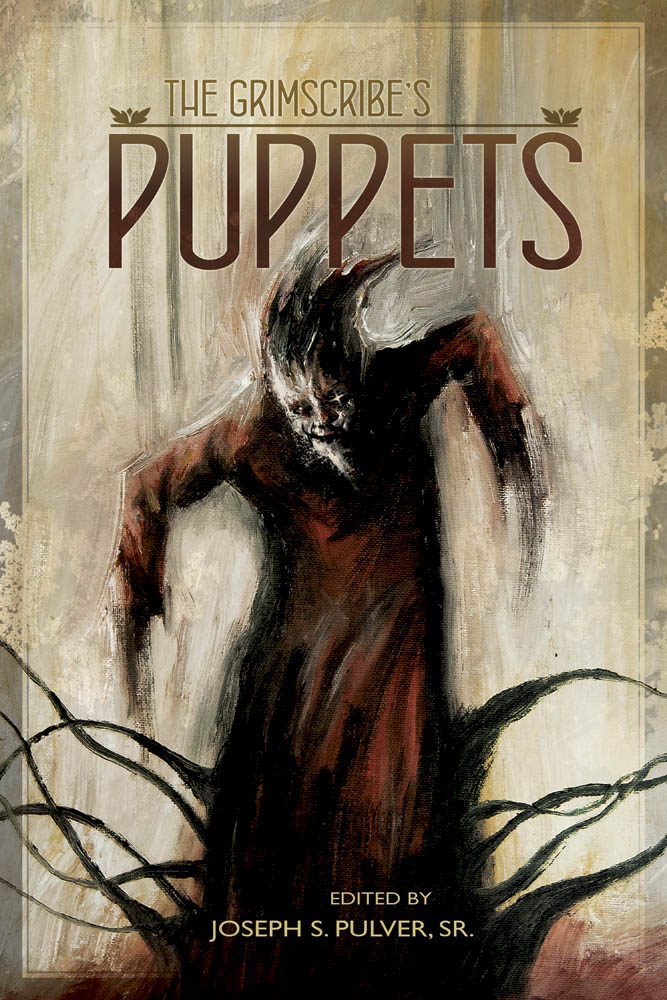 You’ve just contributed to the anthology The Grimscribe’s Puppets. You once said that “At his best, Ligotti is a true humanist“. What approach did you choose to pay homage to Ligotti?
It’s better if I don’t try to explain my story before people see it, but it’s about someone struggling with a chronic illness, which seemed quite a Ligottian theme. What I meant with that comment was that Ligotti is concerned with betrayal, exploitation and the abuse of power, as well as with human suffering in the face of disease and madness. It’s what Marcuse called negative humanism, the identification of the human in those stripped of power and recognition, rather than the glorification of human ambition. Part of what I admire in Ligotti is his absolute humility, his refusal to pretend that having literary talent makes him a superior being. He’s had a difficult life and that’s made him intolerant of arrogance.
Lovecraft wrote Supernatural Horror in Literature. You have stated that you are going to take some time off from writing fiction to focus on your non-fictional work and to write about weird fiction. Would you say that having a great knowledge of the history of weird fiction and being able to reflect about and rely on it can increase one’s own writing?
I certainly wouldn’t claim to have a great knowledge of weird fiction, but I’ve read quite a bit of it over the past forty years. And doing that can enhance your own writing, if only because it helps you see how diverse and rich the weird fiction genre is. I get tired of writers being feted for reinventing the wheel. It’s easier to try and be original if you’ve got some idea of what’s gone before. And it helps you to see what the genre is really about, what the recurrent themes are. Cinema doesn’t define the weird fiction genre, writing does.
Some years ago it was announced that you would be working on your third novel, Midnight Blue. Is that novel still going to happen? Is there anything else you’d like to add? Future plans?
That novel was finished over two years ago, but I’m still seeking a publisher for it. It’s not a genre title, so I’m trying to convince literary publishers to take it on, and that world has changed radically in the last few years. I’ll let you know what happens. Regarding other projects – I’m working on a book of ghost stories, a book of ‘slipstream’ stories, a crime novel about alcoholism, a non-fiction book about horror fiction and the twentieth century, and a book of political poems. That should keep me busy for the next decade or so. I’m also planning to hibernate, but the legalitities of that are dismayingly complex.
M.G.
Wie ein unendlicher Fluss von Emotionen: Interview mit Anemone Tube
 Seit 1996 veröffentlicht Anemone Tube anspruchsvolle Geräuschmusik, die sich irgendwo zwischen Dark Ambient und Power Electronics bewegt, wobei das Klangbild durchgängig differenzierter ist und enge (Genre-)Grenzen nur da zu sein scheinen, um ge-und durchbrochen zu werden. Dies beweisen auf den ersten Blick so unterschiedliche Veröffentlichungen, wie die Zusammenarbeit mit Christian Renou auf „Transference“, auf der organisch-melodische Tracks zu hören sind, die in ihrer Differenziertheit und Zerbrechlichkeit an Projekte wie Mirror erinnern Weiterlesen
ANEMONE TUBE: Dream Landscape
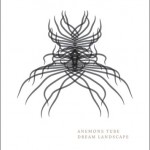 Das deutsche Dark Ambient- / Noiseprojekt kehrt nach längerer Pause (zuletzt hatte ich sie auf der bei Auf Abwegen erschienenen Zusammenarbeit mit Christian Renou wahrgenommen) mit einem großformatigen CD/DVD-Paket zurück, das als erster Teil der so genannten „Suicide Series“, die auf an verschiedenen Orten gemachten Feldaufnahmen basiert, konzipiert ist und aufgrund der Gestaltung wie eine (Ver-)Weigerung wirkt, (illegale) Downloads (bzw. MP3s als dominantes Medium) zu akzeptieren. Weiterlesen
THOMAS LIGOTTI: Teatro Grottesco
 “Eines Nachts, in längst vergangenen Zeiten, erwachte der Mensch und sah sich selbst. Er sah, dass er nackt war unter dem Kosmos, unbehaust in seinem eigenen Körper.“
Peter Wessel Zapffe, Der letzte Messias
Schon seit einigen Jahren angekündigt, erscheint bei David Tibets Kleinverlag Durtro die neueste Sammlung mit Kurzprosa des Amerikaners. Neu muss allerdings relativiert werden, denn einige der Geschichten wurden ursprünglich schon 1996 in der Sammlung “The Nightmare Factory“, der Anthologie Ligottis, die im angloamerikanischen Raum sicher die verbreitetste ist, unter dem Titel “Teatro Grottesco“ publiziert. Weiterlesen
THE GREEN MAN: From Irem To Summerisle
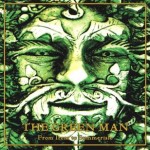 Mit “From Irem To Summerisle” wird das Debüt des italienischen Duos in leicht veränderter Form wiederveröffentlicht. Die ersten vier Tracks verweisen auf den Orient, auf die sagenumwobene Stadt Irem, die auch H.P. Lovecraft (in “The Call Of Cthulhu”) erwähnt und auf alternative, häretische Quellen (etwas, mit dem sich die Italiener auf ihrem zweiten Album ex- und intensiver beschäftigen sollten). Weiterlesen