
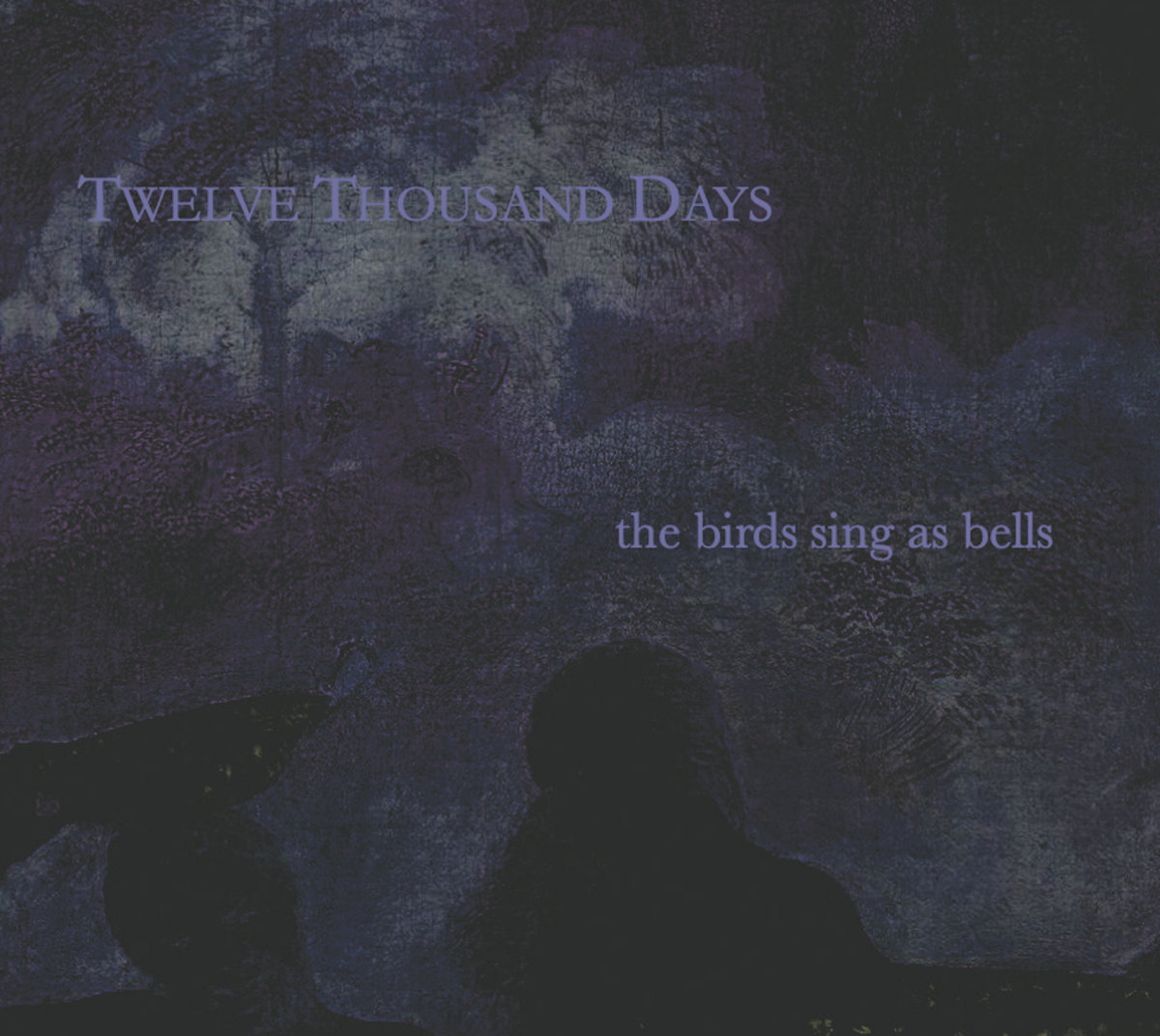
 Bedenkt man, wieviel Zeit und Energie Martyn Bates und Alan Trench allein in den vergangenen Jahren in ihre zahlreichen Projekte (siehe Tags am Ende der Besprechung) investiert haben, wundert es, dass sie immer noch in relativ kurzen Intervallen längere Aufnahmen ihres Duos Twelve Thousand Days zustande bekommen. “The Birds Sing As Bells” ist ihr neuester, aber auch älteres Material enthaltender Streich und enthält Weiterlesen
Schlagwort-Archive: Temple Music
TEMPLE MUSIC: Summer Trees Dissolve
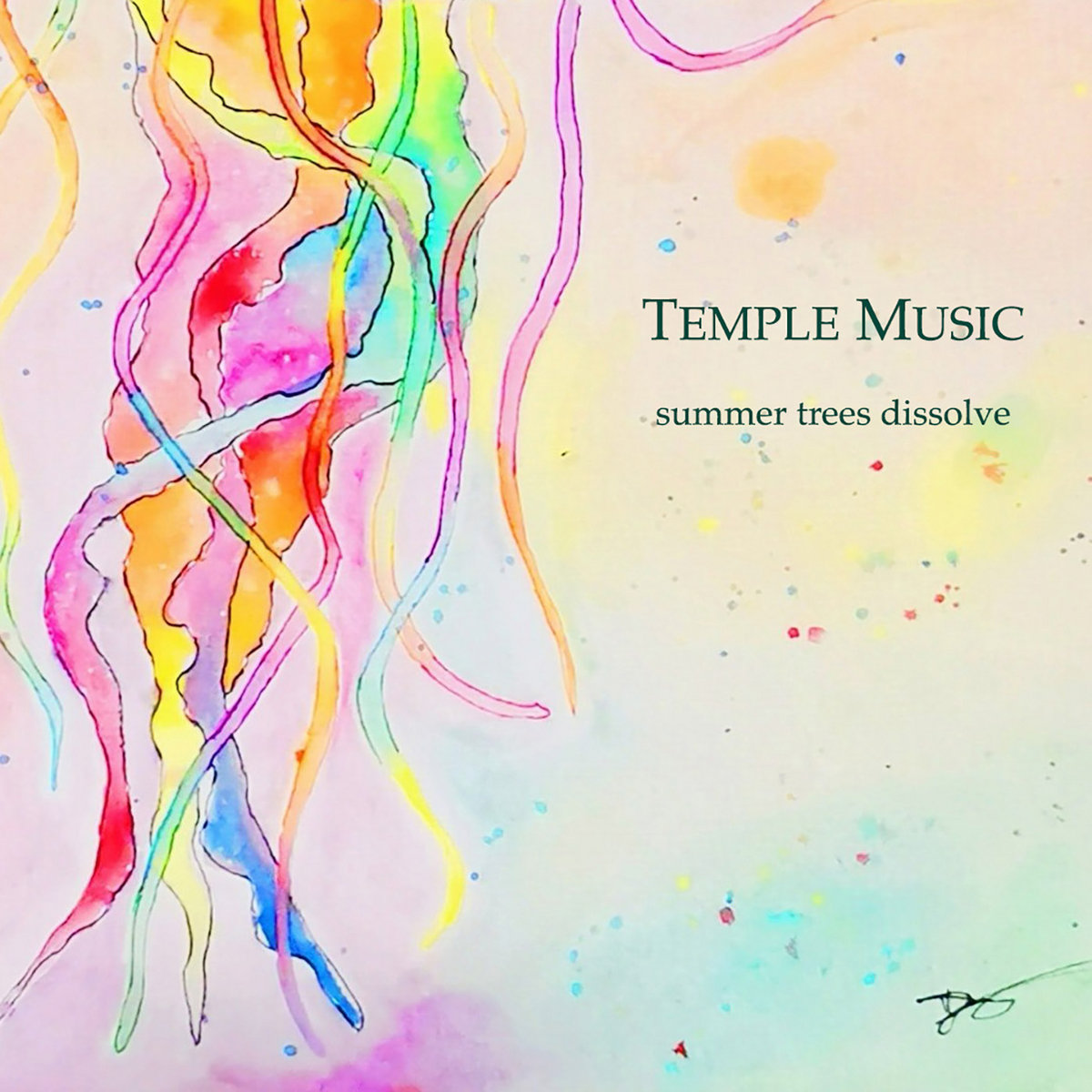 Nachdem Alan Trench das vorige Temple Music-Album “The Unquiet Mind” im Alleingang produziert hatte, entstand dessen aktueller Nachfolger “Summer Trees Dissolve” wieder in der gewohnten Stammbesetzung mit Steve Robinson. Trench hielt sich im Summer of the Plague, also vor einigen Monaten, in England auf, um mit seinem Kollegen ein seit längerem geplantes Album Namens “Green Man” vorzubereiten. Weiterlesen
TWELVE THOUSAND DAYS: Field’s End
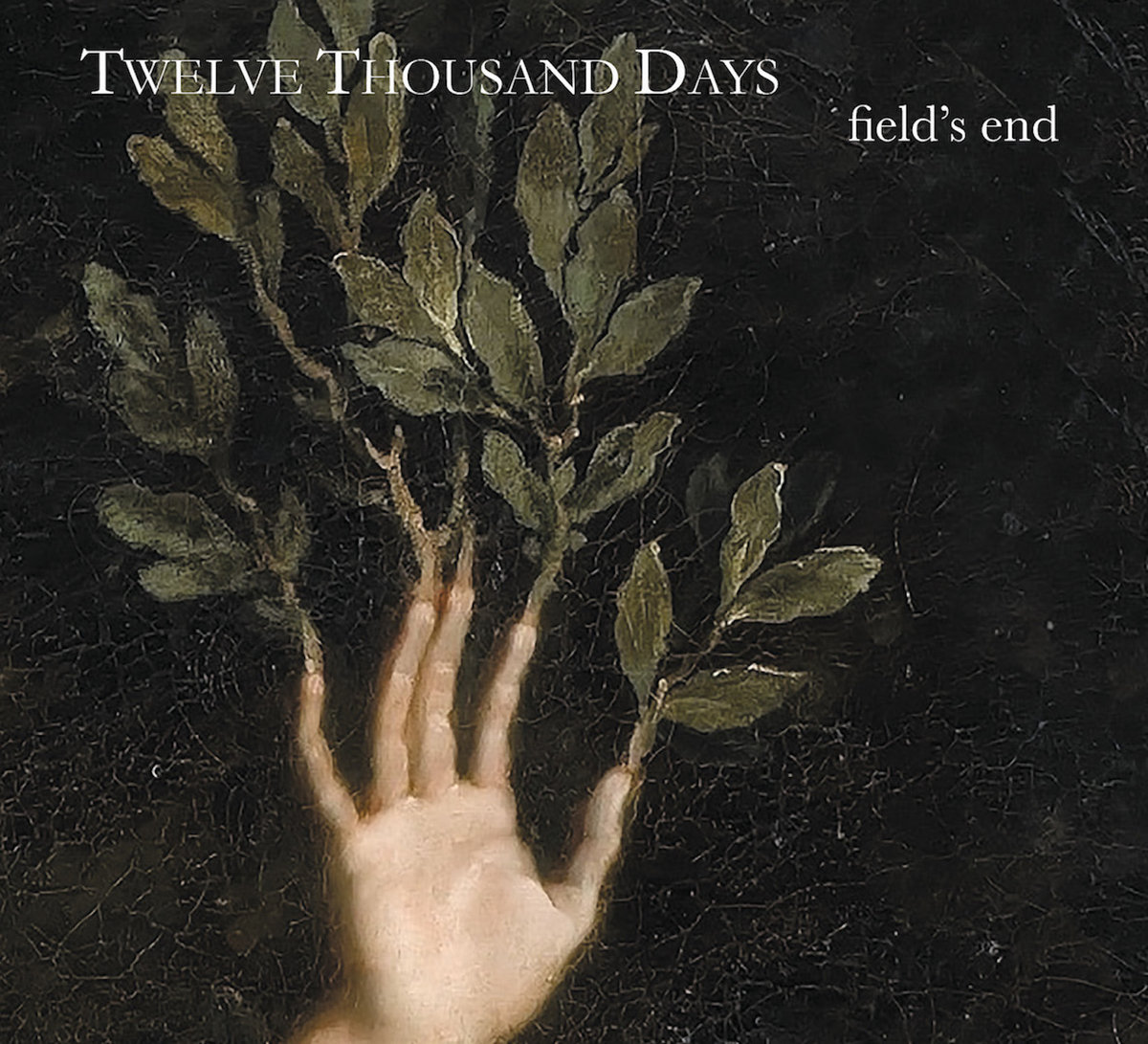 Man erkennt eine Twelve Thousand Days-Platte in der Regel sobald sich der hochstürmende, ornamentale und immer jung wirkende Gesang Martyn Bates’ über den fließenden, doch nie zu lieblichen Gitarrenmustern von Alan Trench ausbreitet. Auf ihrem jüngst erschienenen neuen Album “Field’s End” erkennt man aber auch, wie vielgestaltig das Konzept des Eyless in Gaza-Gründers und des von Orchis, Temple Music und den Weiterlesen
Basically I make music that I like to listen to. Interview mit Alan Trench
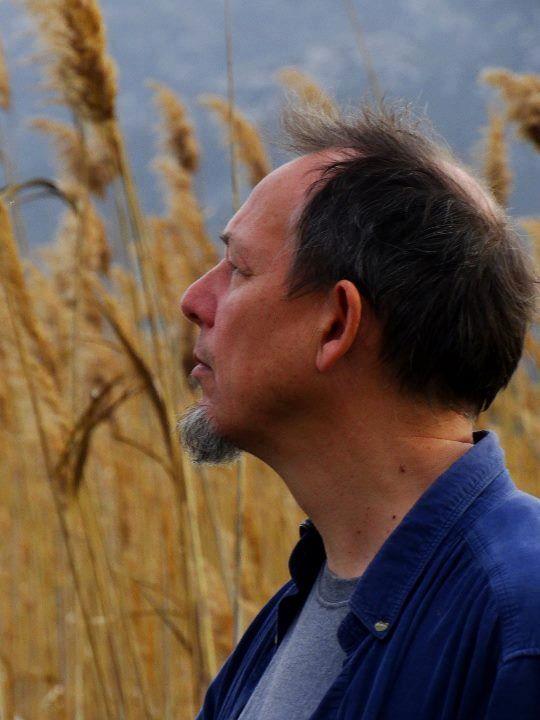 Als der heuten in Griechenland lebende Alan Trench noch zusammen mit zwei Kollegen den bekannten World Serpent-Vertrieb leitete, bekamen viele erst nach und nach mit, dass er auch Musiker war. Um seine Folkband Orchis, von der 1994 der erste Longplayer herauskam, machte er wenig Wind, und so avancierte das geheimnisvolle Trio zu einem Geheimtipp, der halbherzigen Musikkonsumenten meist entging. Als diese Ära um die Jahrtausendwende zuende ging, hätten wahrscheinlich wenige damit gerechnet, dass Weiterlesen
Basically I make music that I like to listen to. An Interview with Alan Trench
When Alan Trench, who currently lives in Greece, co-headed the well-known record distributor World Serpent, many people only gradually realized that he was also a musician. He made little fuss about his folk group Orchis, whose first CD came out in 1994, and so the mysterious trio became an insider tip, mostly missed by casual music consumers. When this era ended at the turn of the millennium, only few would have expected that Weiterlesen
AKOUSTIK TIMBRE FREKUENCY / TEMPLE MUSIC: Split Frequencies Vol. II
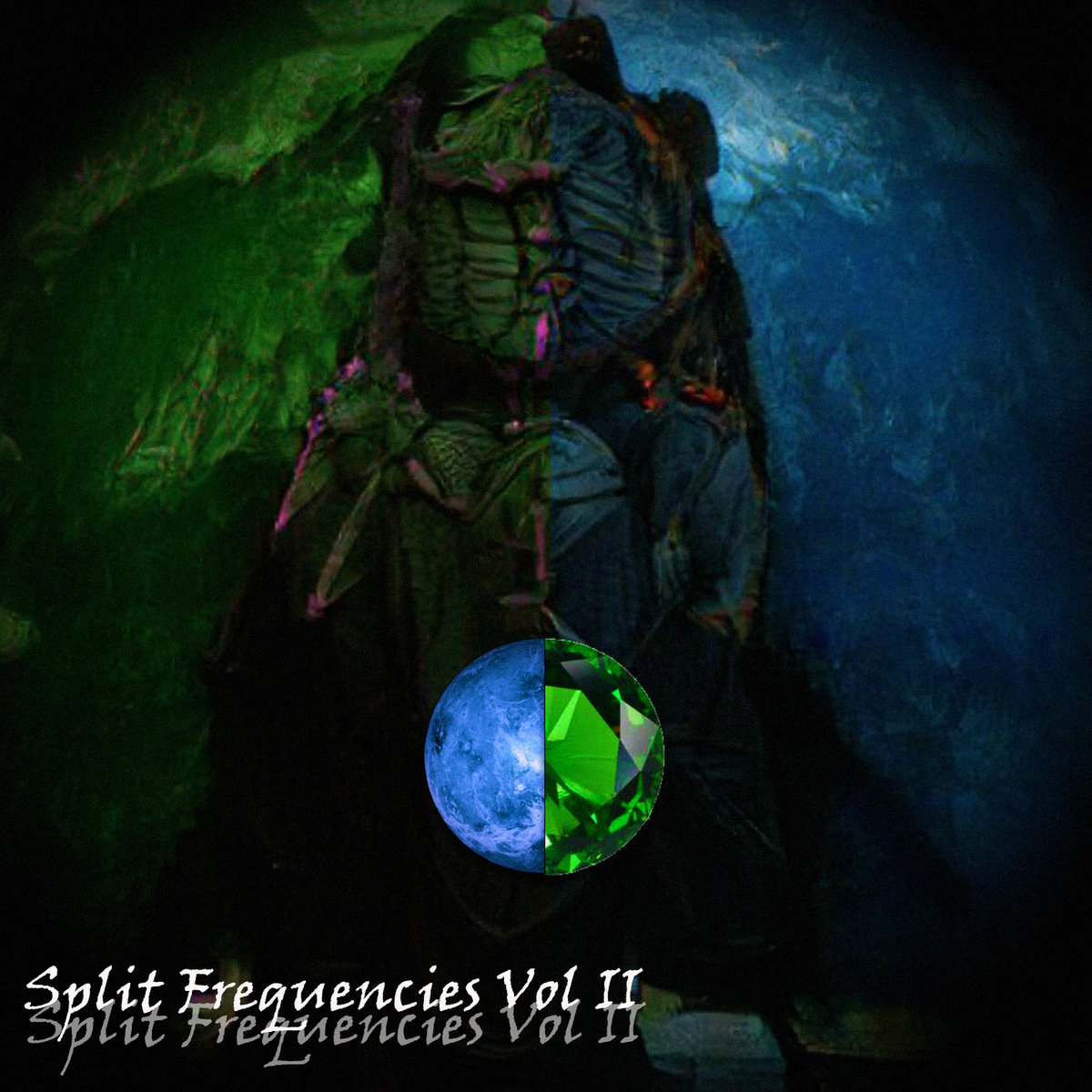 Vor ein paar Wochen ging die rituell-experimentell ausgerichtete “Split Frequenzies”-Reihe von Sombre Soniks in die zweite Folge, diesmal steuern zwei der bekanntesten Acts des Labels je einen halbstündigen, latent episodisch aufgebauten Track bei. Nach dem im vorigen Herbst erschienenen Auftakt mit Embers Below Zero und Grist sind diemal Akoustik Timbre Frekuency um den Betreiber des Labels sowie Tempel Music um den seit Jahren vielseitig aktiven Alan Trench vertreten. Weiterlesen
BLACK LESBIAN FISHERMEN: The Metaphysics of Natron
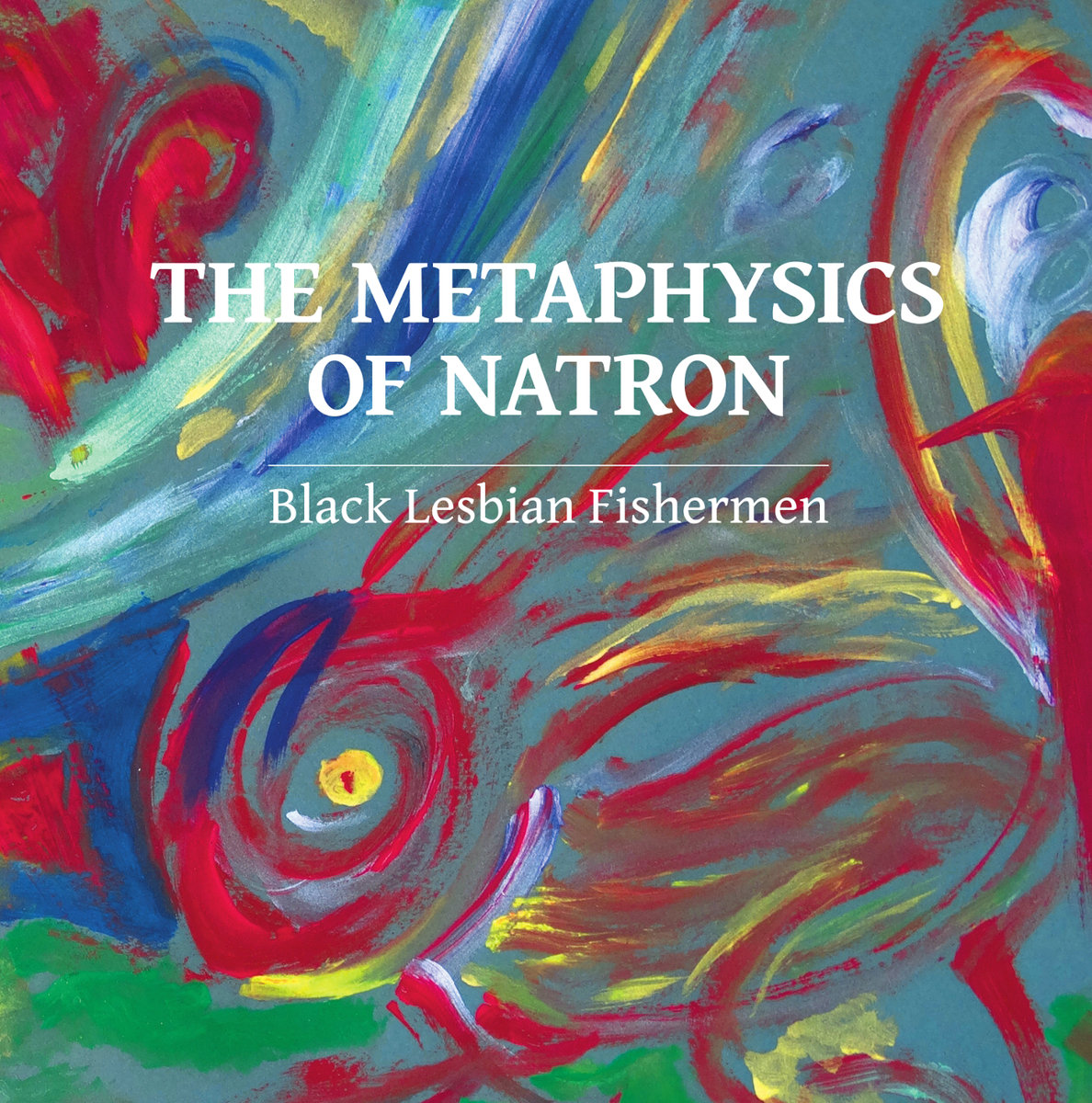 Es gibt Musik, deren geheimnisvolles, mitunter okkultes Charisma daher rührt, dass sie wenig von sich preisgibt und sich ausgesprochen kryptisch und reduziert zeigt. Ohne den vielen gelungenen Beispielen dafür unrecht tun zu wollen, muss man sagen, dass diese Masche mittlerweile schon etwas zu gängig ist und außerdem leicht umzusetzen, wenn die Ansprüche dabei nicht allzu hoch sind. Die in Athen und auf der benachtbarten Insel Euböa ansässigen Black Lesbian Fishermen, trotz des Ortes im Namen eine Weiterlesen
TEMPLE MUSIC: The Unquiet Mind
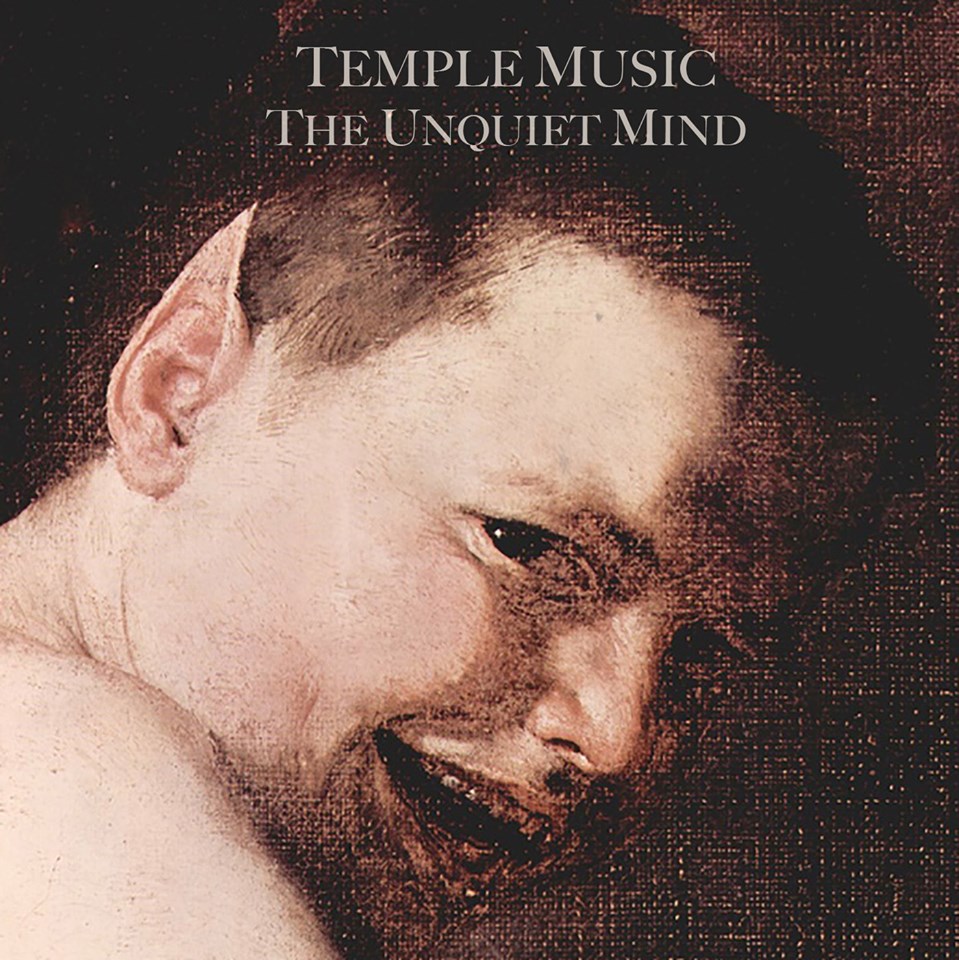 Evia – oder wie man auf deutsch sagt: Euböa – ist die zweitgrößte Insel der griechischen Ägäis unweit der Provinz Attika und dem mittelgriechischen Festland. Es ist somit Teil einer unruhigen Region, in der sich seit Jahrtausenden die Wege vieler Kulturen und Machtfaktoren kreuzten. Evia ist auch die Wahlheimat des englischen Folk- und Psych Rock-Musikers Alan Trench, der seit Jahren mit Gruppen wie den Black Lesbian Fishermen, Howling Larsens und noch einigen anderen (siehe Tags) seine bis dato produktivste Phase ausfüllt. Weiterlesen
TEMPLE MUSIC: Εποχές (Vol. lI)
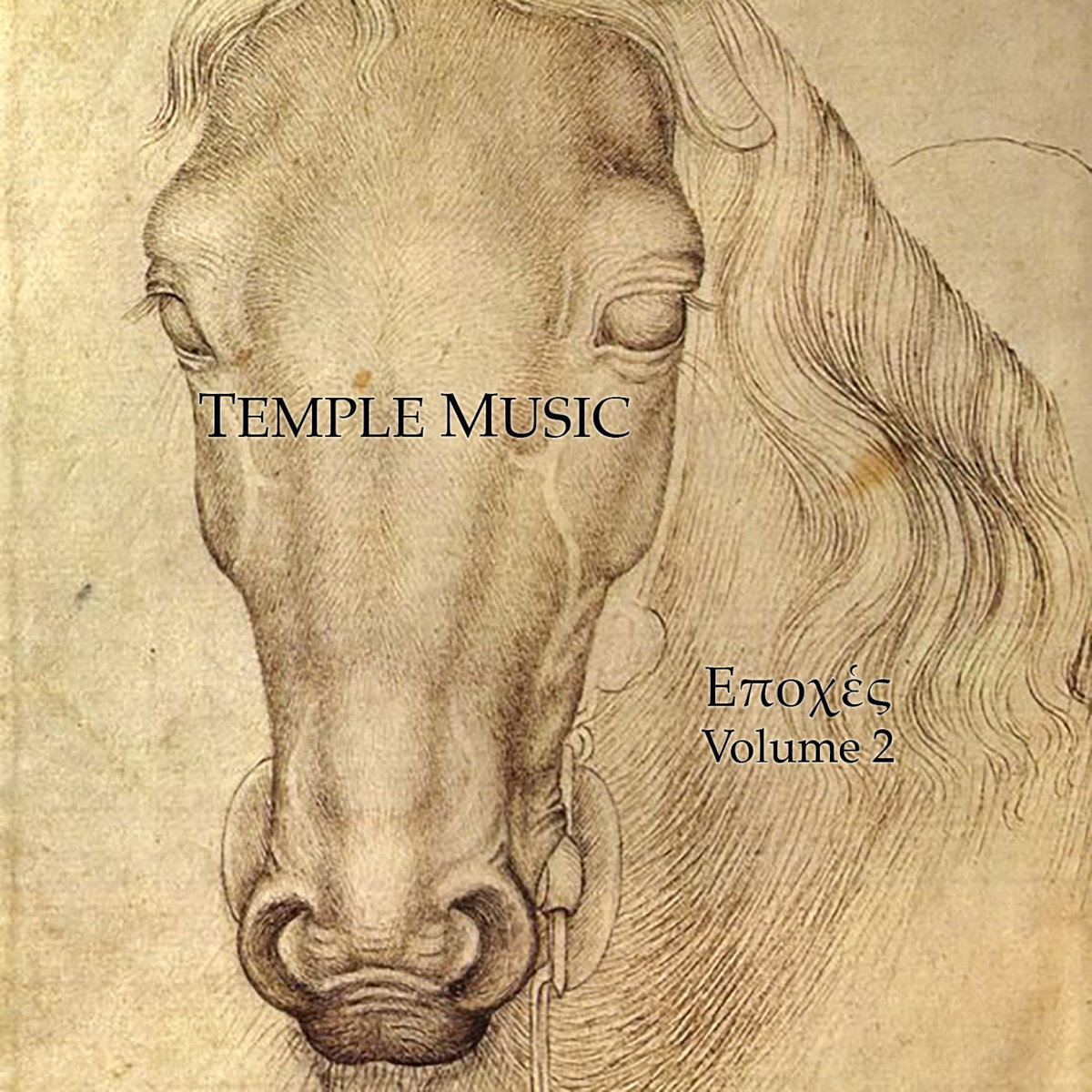 Vor knapp zwei Jahren haben Temple Music bereits zwei Tracks, die auf rituellen Performances basierten, unter dem Titel “Εποχές”/”Epoxes” herausgebracht – Stücke, die ganz auf den jeweiligen Darbietungsort und die okkulten Implikationen des Zeitpunktes zugeschnitten waren und in ihrer musikalischen Gestalt ausladender und abstrakter ausgefallen sind als die meisten Aufnahmen, die man von ihren meist zwischen Psych Folk und Space Rock rangierenden Alben her kennt. Nach dem derben und Weiterlesen
TWELVE THOUSAND DAYS: Insect Silence
 Man neigt gerne dazu, Bands, die sich nur alle Schaltjahre oder seltener zu neuen Aktivitäten zusammentun, als klammheimlich aufgelöst zu betrachten, erst recht dann, wenn es sich dabei um noch anderweitig aktive Musiker handelt – so wie Sänger Martyn Bates mit Eyeless in Gaza und seinem Soloprojekt und Instrumentalist Alan Trench mit seinen Folk- und Psychedelic-Gruppen Temple Music, Orchis und Black Lesbian Fishermen. Nachdem mit ihrem Duo Twelve Thousand Days wahrscheinlich nur noch wenige gerechnet hätten, steht Weiterlesen
TEMPLE MUSIC: Further, Faster, Closer, Slower
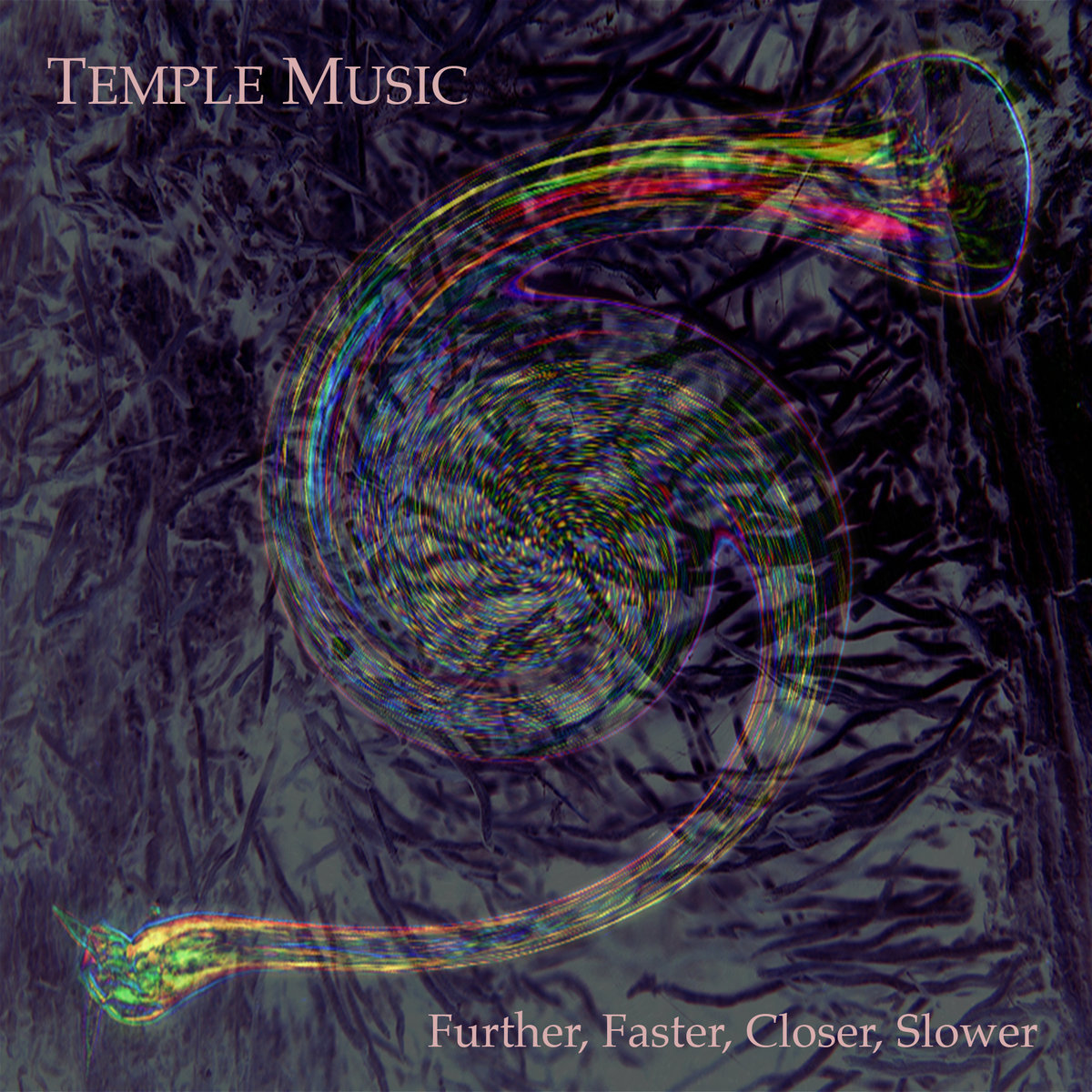 Temple Music entstand 1995 als eine Art Pendant der Folkband Orchis, kurze Zeit später stieg Steve Robinson mit ein und bildete fortan zusammen mit Alan Trench den Kern der Band. Was von Journalisten, auch hier, gern als leicht abstrahierte Psychedelia mit zerfleddertem Folktouch und einem stets magischen Unterton beschrieben wird, entpuppt sich auf den einzelnen Veröffentlichungen, unter denen die Konzertmitschnitte keineswegs eine Nebenrolle spielen, als ein sehr wandlungsfähiges Gebräu. Man Weiterlesen
TEMPLE MUSIC: Εποχές (Vol. l)
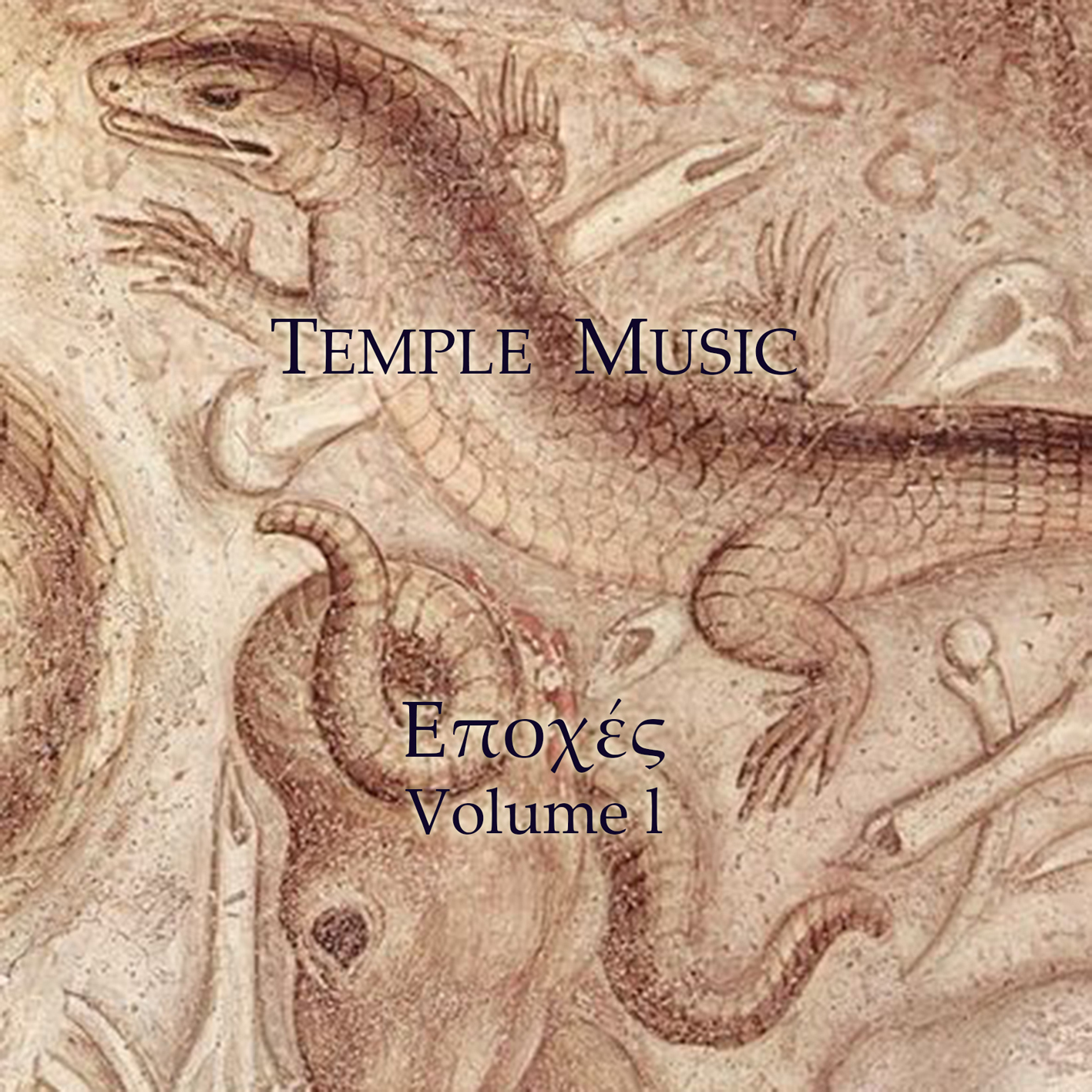 Temple Music, die rituell arbeitenden Psychedeliker aus der Nachbarschaft von Orchis, Howling Larsens und den Black Lesbian Fishermen, geben nicht einfach Konzerte an beliebigen Orten mit der Auswahl ihrer besten Stücke, sondern lassen den Ort und den Zeitpunkt selbst in die Rolle des Dirigenten schlüpfen, der den Musikern – in Form seiner Symbolik und seiner atmosphärischen Wirkung – die finale Struktur ihrer vorbereiteten Motive vorgibt. Der Ansatz, den Alan Trench, Steven Robinson und ihre jeweiligen Kollaborateure verfolgen, ist pragmatisch und Weiterlesen
HOWLING LARSENS / NICOLAOS LYMPEROPOULOUS: Parmenides Proem
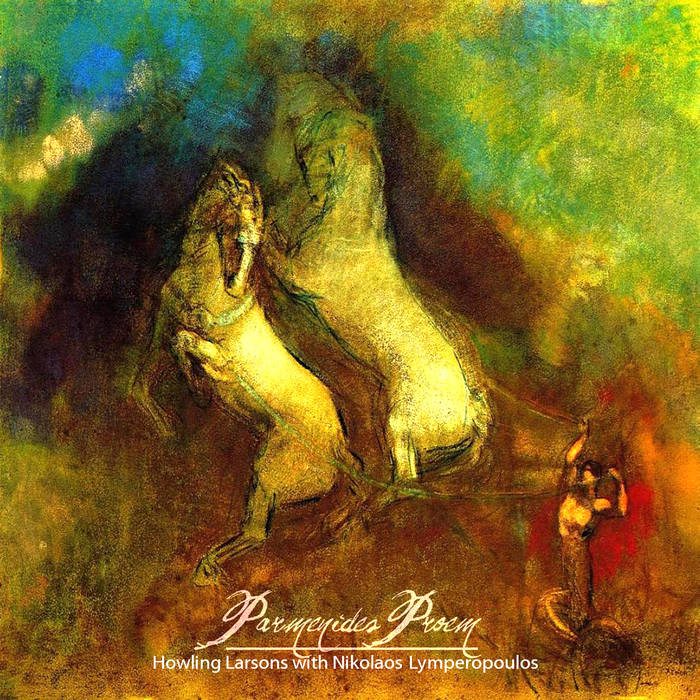 Vor zirka zweieinhalb Jahrtausenden befasste sich im süditalienischen Elea, das damals dem griechischen Kulturraum angehörte, ein Weiser namens Parmenides mit Reflexionen, die man später, vielleicht aber auch schon damals Philosophie nannte. Wie viele Aufzeichnungen es von ihm oder über ihn gegeben hat, ist ungewiss, ein (eventuell fragmentarischer) Text allerdings existiert und zählt bis heute zu den wichtigsten Traktaten der Geistesgeschichte. Unter dem Titel „Über die Natur“ Weiterlesen
If you’re writing music, you write what’s inside of you. Interview mit der Musikerin und Kuratorin R. Loftiss
 Als im vergangenen Jahrzehnt grade Folkmusik in aller Munde war, gerieten neben den großen Hypes und dem obligatorischen Mittelmaß auch ein paar obskure Gewächse in den Fokus, denen aufgrund ihrer Sperrigkeit und ihrer Unscheinbarkeit die Aufmerksamkeit großer Magazine versagt blieb. Zu diesen Gewächsen zählte auch das Projekt mit dem mysteriösen Namen The Gray Field Recordings, dessen Musik nur schwer einzuordnen war: Neben filigranen Melodien auf der Weiterlesen
If you’re writing music, you write what’s inside of you. Interview with musician and curator R. Loftiss
You’re a very passionate person in the field of music and often busy with several things at the same time. Which are the things youre focused on right now?
Right now I’m working with Lizi Bates in our new band Karyae. I’m also working with my husband on a new Howling Larsons album. As for The Gray Field Recordings, it’s a very slow process, and never far from my mind but not something that I find easy to do.
What can you tell us about the main ideas and motivations for curating the charity compilation “In The Cities Of Your Eyes”? Was there a certain experience that gave an impulse to it?
Well, yes… we kept seeing the news about what was happening and it kept getting worse and worse. Then the images of children washing up was nightmarish. I thought,’I have to do something. This is happening right here, now’. But I have a baby and I can’t bring her with me to the islands and I can’t leave her. We don’t have a lot of money we could donate, so what could I do? Well, I have music. There is that. So, I decided that maybe I could use that to raise money and awareness. My music isn’t well-known and I’ve never made any money by it, so I thought it would be best to bring in some better-known musicians and some lesser known musicians. The idea was to make something that was real, heartbreaking, and intense because that’s what the situation is… no ‘We Are The World’ crap… nothing trite.
The Greeks are incredible because they’re doing this out of kindness and, I say this with the utmost respect, out of their Greekness. There is no way Greeks would let these people just suffer or die on their shores. But the Greeks are going through a horrible economic crisis right now. This has been and is really hard on them, they have nothing and are still doing their damndest to help the refugees. So, the Greek islands seemed the most logical place to donate to and dedicate our album to.
Which organisations are involved?
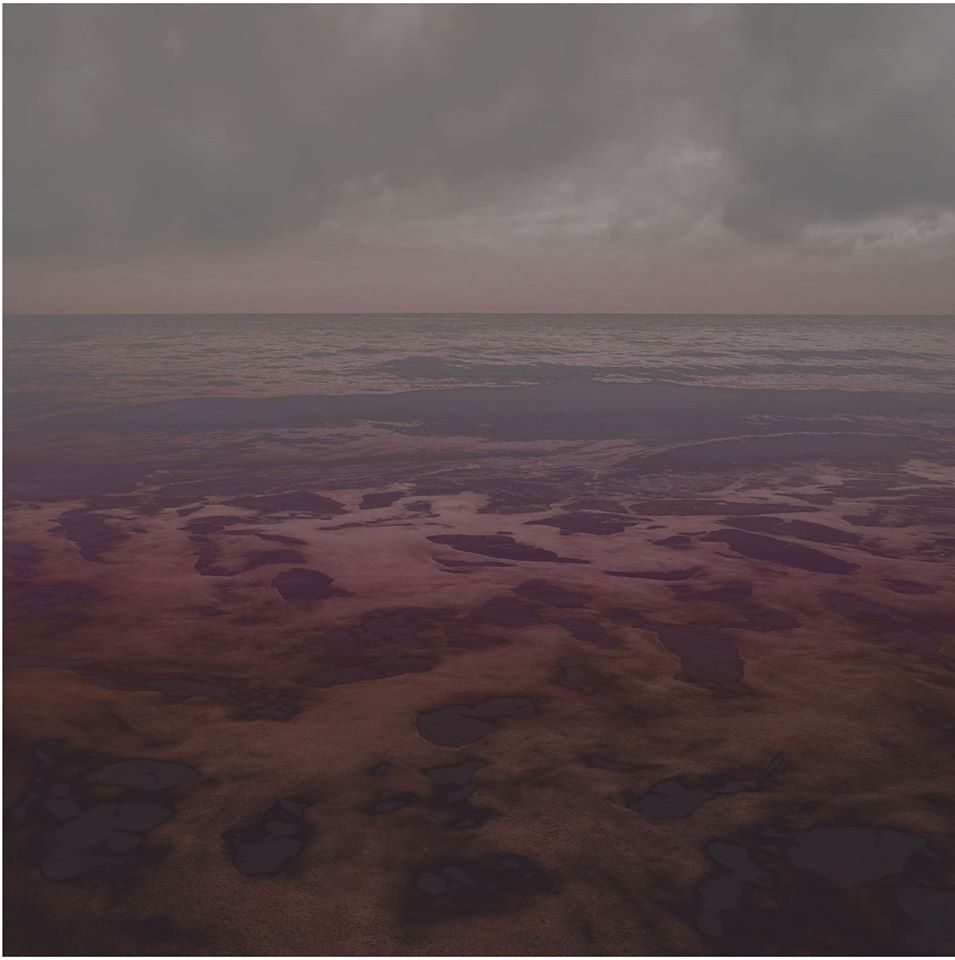 Matina Katsevelli, who is a Goddess, or a saint of the Leros camp has contributed beautiful photos for the album. We were given stories from camps in Leros, Lesvos, and Samos. Graeme Swinton did all of the graphic design and the cover photo and the layout of the entire thing which came out perfectly.
As for who we’ve donated to… we’ve been able to send donations to Help the Refugees in Samos, Greece, Leros Solidarity Network, and to Chios (via UAREUK).
We hope to be able to donate to Lesvos via Lighthouse Relief and/or Sea of Solidarity. We also hope to help out Kos via Kos Solidarity.
You also migrated to Greece a couple of years ago, so do you also feel the refusal to distinguish yourself due to the privileged situation of you own migration?
My move to Greece was an immigration. I had many choices, I wanted to leave but can still go back to where I came from. The refugees are well, refugees… they are running from war and horrors unimagineable. There is no comparison. I think there’s a problem, or perhaps it is intentionally manipulative of the media, in calling the refugees immigrants. Most of them didn’t want to leave their homes, they didn’t come to Europe to get an easy job, settle down and live out their lives. They don’t even know what the future holds. They only know they have no immediate future in whichever entirely fucked country they’re fleeing from.
How did the line-up of contributing musicians come togegher? Were there any notable criteria for paticipation?
Well, the notable criteria was that they had to be good. They needed to be bands I respected and, I felt, fit together in a cohesive way. I also didn’t want the compilation to be overwhelmingly long so there were some very good artists I had to, unfortunately, turn down. I asked most of the musicians if they could do a new piece that reflected the plight of the refugees or the situation.
How successful has the project been so far?
It’s done really well for a digital release, I think. It’s done a bit better than I expected it to. I, of course, would like to see it do even more but I’m pleased with how it has been received so far. We’ve had quite a few reviews and were recently played and featured on a Greek radio program, Dialogos, which is syndicated all over the world.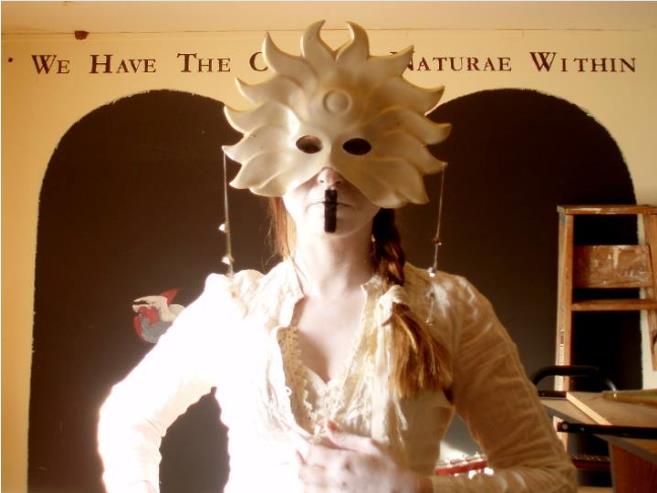
Have there also been critical comments?
Surprisingly, no… not really. There were a few artists that didn’t want to participate without stating their reasons. There have been a few zines and radio stations that never responded to submissions. There is one zine, of questionable character, in which ALL of the reviewers have refused to review it… in my own impish way I find that kind of amusing. And it is, expectedly and disappointingly, mostly American zines and radio stations that don’t seem to have time for it. Though, whether that’s because of the subject matter or simply because they don’t like good music, I have no idea. I think people become sort of cowardly when it comes to stating what they really believe when their beliefs can be called into question.
How strong did you experience the difference living in your native Oklahoma and your new place in Southern Europe? How did your approach to music activities change?
It is very different and very much the same in some ways. I love Oklahoma but I really have kind of grown to hate American politics and capitalism… it all makes me kind of sick. The Greeks (in general) are really fantastic people. They aren’t paranoid and neurotic. They’re very down to earth and accepting. They’re also very appreciative of art. This is the motherland of art and philosophy so it’s taken seriously here. In America, I couldn’t even get my friends to go out to shows I put on for free. Here, everyone goes… they go to shows of music they might not even like. Just because it’s new. For example, we live in this really small village. We put on this show in the older part of the village. It was in a kind of out-of-the-way place and it wasn’t advertised a huge amount. Also, it was an experimental show with some kind of esoteric elements to it. We told the people in the village that they probably wouldn’t be into the music and the entire village showed up for it anyway! Even the baker and his family! It was incredible. So, it’s nicer to do live shows, in a way, because you know people will show up…it won’t just be a waste of time.
As for how things are the same… I come from a small agricultural town in Oklahoma and we’re now living in a very small agricultural-based village. Everyone knows everyone else and what everyone else is up to. The weather is very similar, too. And time has a strange habit of slowing down when you don’t want it to and going by too fast when you need it to slow down.
Have you made many friends in Evia and regard yourselves now already as part of the local community?
We’ve made a few friends but quite honestly, I’m mostly a hermit. As for being a part of the community, I think we are definitely part of our village community. As I said, it’s a very small village and everyone knows eachother. But we also try to attend all the local festivals and our daughter was baptised here (which is a huge deal to the village Greeks).The priest even says ‘hi’ to us when he sees us walking around.
Are AntiClock and The Gray Field Recordings still active?
Ah, the question… I was afraid someone would ask if AntiClock was still active and I’d be forced to decide if it is… I’m still not sure. AntiClock is something I’m really proud of and consistently disappointed by. I can’t decide if it’s really necessary anymore. Sometimes it seems I put too much into it and there’s just not enough return. I don’t mean monetarily… because it’s never made money but I mean satisfyingly. Do you understand?
Yes..
However, I don’t see any reason in letting it go entirely. Not yet. A friend once told me that persistance is all that matters.
I think your friend is right.
Gray Field Recordings will always be active as long as I’m alive but I can’t say for sure that I’ll ever come out with anything again. I mean, I’m always working on songs… they just take a really long time… and then when I think I have enough and they kind of fit together, cohesivly, in a kind of era of meaning then I’ll release it as an album. I guess I’m incredibly lazy about it, actually.
ls there something like a main music project of yours?
The Gray Field Recordings is the most personal project so, I suppose, it’s ‘the main project’ as in regards to being a thing I can’t not be. The Howling Larsons, Karyae, Black Lesbian Fishermen… those are all projects I’ve been working with quite a bit lately but, to put it into perspective… I don’t see myself as abondoning The Gray Field Recordings by doing music in the other bands so much as marrying The Gray Field Recordings to them.
How much does The Gray Field Recordings really refer to the practice of “field recording”? Is there any story behind the chosing of the name?
There’s not a huge amount of field recording in The Gray Field Recordings… there was more in the earlier stuff. The name actually has not so much to do with field recording, more to do with a hypnagogic place… a gray field…though it was kind of a play on ideas.
In reviews to this and other projects of yours, you can ofte read terms like dreamlike, soundscapish and surreal, I have to confess that I often used the word “radio play”. This sometimes sounds as if folkish music beyond simple song structures is modernist and non-traditional. Are you uncomfortable with that or do you see yourself also a bit as a moderniser or innovator?
No. I don’t think so. It’s never been my intent. I don’t really care what I’m seen as. It’s important to know you’re never so important. The music I do just seems necessary… not that I think it’s necessary for others to hear but necessary for me to do, it’s play, and it comes out the way it comes out… I could be writing pop tunes, only doing it very badly.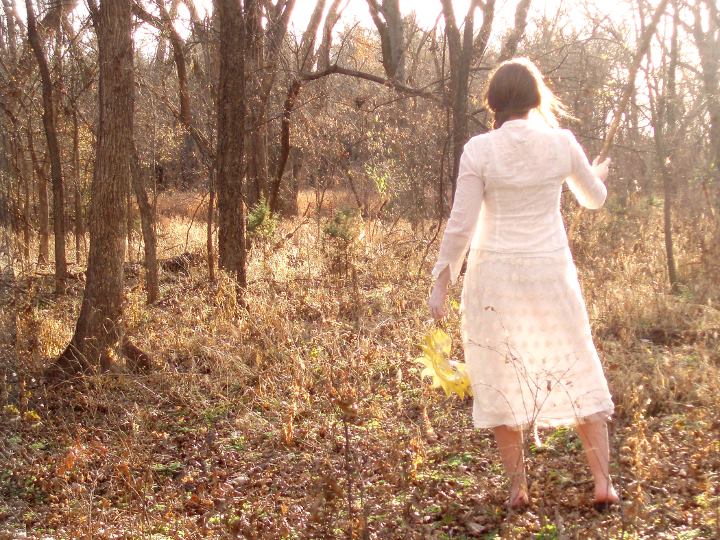
In your folk oriented works you show an affinity to an edgier and rather unpredictable sound. Do you think that folk music is often too neat and harmless nowadays?
I can’t even understand what they call ‘folk music’ nowadays. It’s like any asshole with an acoustic guitar is suddenly writing folk. In fact, most music is suffering from this commercial idea of what music should sound like. They should be suffering from my idea of what music should sound like! No, really, it doesn’t actually matter what music is called. Genre ideals change all of the time. What I think is important is that if you’re writing music, you write what’s inside of you. The ‘neat and harmless’ music, I think, comes from an idea of what is ‘safe’ and consumable. Which is really too bad because mostly that means the music that is propogated is stagnant… it’s a copy of a copy of a copy. Music, in it’s own right, is information and when you get copies it means nothing is really being passed on. It’s just the same message over and over. Labels, musicians and listeners should take more musical risks. Some of the most beautiful and important music is still buried in obscurity.
Did avantgarde music (in a broader sense including also psychedelia, krautrock, etc.) play a role in your creative coming of age?
Yes, but, I think some of those not until much later. I first just started playing with sounds because my father, at the time, was a sound engineer. He taught me to splice tapes and record things backwards. Then there was my brother who was really into punk music (Black Flag, The Ramones, Circle Jerks) and I loved everything he loved. He played guitar so I wanted to play guitar. My grandfather also played guitar. He made up raunchy folk songs and I also loved everything he did. So I took guitar lessons for a bit. Then my uncle introduced me to the album ‘Better An Old Demon Than A New God’ when I was 13. It was this compilation put out by Giorno Poetry Systems. It had William Burroughs, Lydia Lunch, and Psychic TV on it. It was Psychic TV that I first heard and thought ‘wow, that’s something awesome!’ and it was all downhill from there. I started my own band when I was 15. It was called J.U.N.K. We did punk/experimental/whatever we felt like. We didn’t know how to play any instruments but we knew how to make sounds so we made sounds the best way we could and had a lot of fun doing it. I guess, I’m still doing that.
With your husband Alan you formed Howling Larsens and together with Greek musicians the Black Lesbian Fishermen. What can you tell us about the background of these groups? Do you Plan further releases with the fishermen?
The Howling Larsons is our more folk-oriented project. It didn’t start off that way intentionally, it’s just how it’s kind of ended up. We’ve known eachother for a long time so it only made sense that we start doing music together. Initially, Alan asked that I do some stuff on some Temple Music tracks and I asked him to work with me on some Gray Field Recordings tracks and then there were some songs that just didn’t belong to either project so we started working together as The Howling Larsons.
The Black Lesbian Fishermen… that was initially a project of Nikos Fokas and Alan. I joined in the foray along with Stratis Sgourellis (our token Lesbian) later on. We do mostly improvised experimental music that involves a lot of ritual magic. It’s a great release, for me, I get incredibly nervous when I perform live so doing something improv gives me enough freedom to not be so afraid of fucking up. We’re hoping to record new albums for both bands soon and plan on doing some live shows in May this year.
On the debut of Black Lesbian Fishermen you quote a text by Crowley, that he wrote for his short living order Lamp of the Invisible Light. Mostly when Crowley is mentioned it is more about the scandals and provocations he did, and he’s still often falsely regarded as “satanic”. On the other hand there are also quite many attempts to treat his theories and practices in the context of “serious” spirituality and psychology. How important are such occult aspects for your life and work?
The occult, in general, is very important to my life and work… there’s a lot of ritual mixed with a bit of absurdity. As for Crowley…he was a crazy, manipulative bastard but he had moments where his writing was kind of nice (if a bit pompous). He was important to me when I was younger because I was wooed by the mystery of the occult and Crowley just happens to be the most accessible. I don’t think his work is serious spirituality, however, I can see some people got some serious spirituality from his works.. such as Israel Regardie, Lon Milo Duquette, Robert Anton Wilson (even if indirectly through Regardie). But, I like to think, one can find spirituality on the back of a cereal box… it doesn’t matter where it comes from, all that matters is what it means to you.
How is the new Howling Larsens album going to be and when do you think will it be released?
We’re toying with the idea of an album of folk covers of songs about death. But it’s still in its infant stages so we’re not really sure what direction it will actually take. I hope we’ll have it done before the end of the year. I just have to get my ass in gear. Alan is a really good musician and writes songs all of the time. He spends his afternoons patching together gallery soundscapes or mixing audio for a new online casino. I find it somewhat harder to keep up.
(U.S./A. Kaudaht)
The Gray Field Recordings @ Facebook
Black Lesbian Fishermen @ Facebook
V.A.: In The Cities Of Your Eyes
 Im Booklet der vorliegenden Compilation findet sich ein Gedicht, in dem die Zeile „In the Cities of your Eyes“ vorkommt, der Verfasser ist der syrische Dichter Nizar Qabbani, und man kann kaum umhin, diese wenigen Zeilen über die Heimatlosigkeit und die Suche auf die Menschen in den Flüchtlingscamps auf den griechischen Dodekanes-Inseln zu übertragen, denen der Sampler gewidmet ist. Um welche Städte es da wohl geht – kündet der Vers von der Erinnerung an die Orte der Herkunft, die sich unverkennbar in die Gesichter der Geflohenen eingebrannt hat? Oder eher von der Sehnsucht nach den unbestimmten Orten der Zukunft, falls man sie denn je erreichen wird? Manchmal hat es sicher mehr Weiterlesen
BLACK LESBIAN FISHERMEN: ectopic apiari
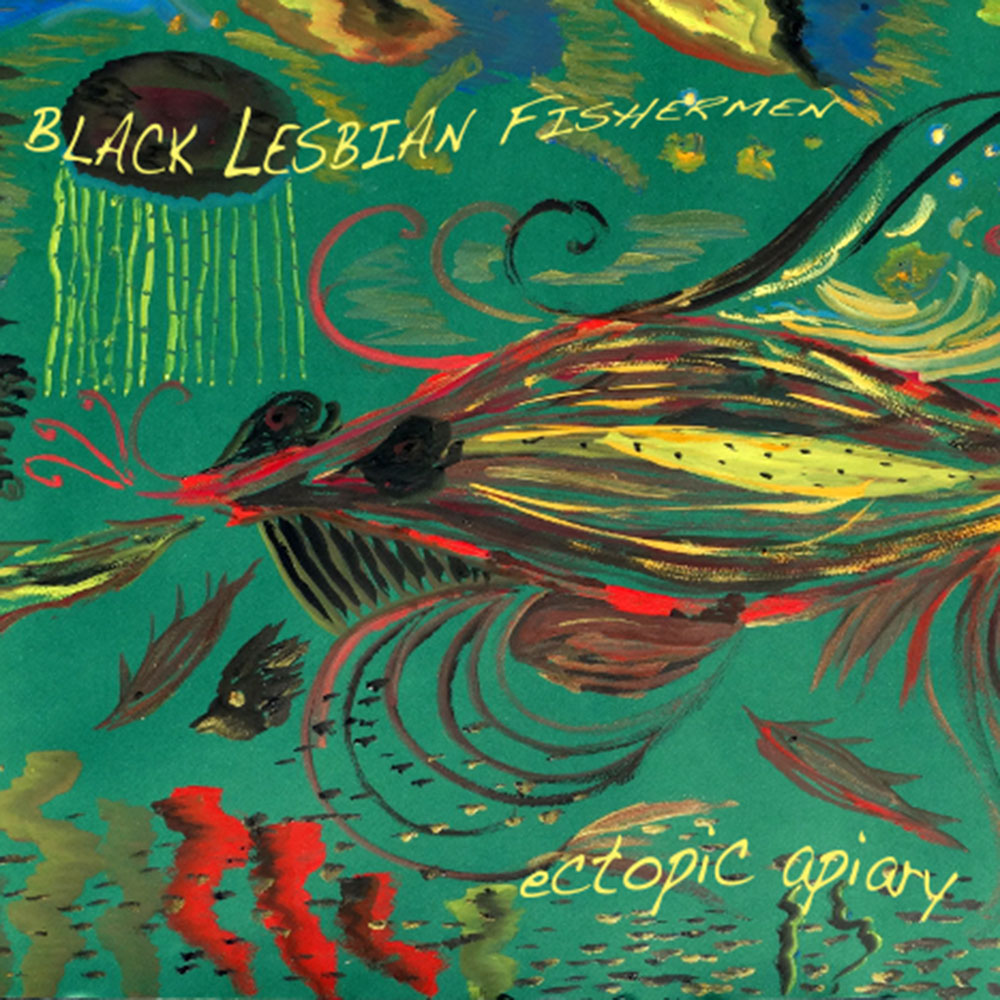 Vom Namen her stapeln die Black Lesbian Fishermen zunächst einmal ziemlich hoch, denn von den vier Bandmitgliedern ist nur einer wirklich lesbisch, nämlich der Bassist Stratis Sgourellis, der auf der Insel Lesbos zur Welt kam und dort lebte, bis er sich an einer Uni in Padmos einschrieb. Der Rest des Quartetts ist entweder auf dem griechischen Festland oder auf der Insel Euböa unterwegs, zu allem Überfluss sind die vier nicht einmal durchgehend männlich, auch wenn die einzige Frau an Bord ihren Namen dezent mit R. abkürzt. Doch nur soviel zur – um im Bildbereich griechischer Geografie zu bleiben Weiterlesen
DER BLUTHARSCH AND THE INFINITE CHURCH OF THE LEADING HAND: All To Pieces
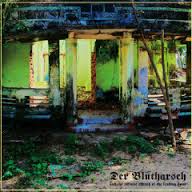 Viele Musiker verändern ihren Stil im Laufe der Zeit, doch längst nicht alle schaffen es, dabei ein gleichbleibendes Popularitätsniveau zu halten bzw. dieses trotz aller Wandlungen noch in kleinen Schritten zu steigern. Irgendetwas muss dran sein an diesem Albin Sunlight Julius, das von all seinen Liebäugeleien mit Musikrichtungen unberührt bleibt, das sich in mittelalterlichen Soundscapes ebenso wiederfindet wie in martialischer, rockiger oder psychedelischer Gestalt. Ist es einfach nur gute PR und das Talent, das Richtige zur rechten Zeit zu machen? Ein Händchen auch für Entertainment? Weiterlesen
ORCHIS: A Dream
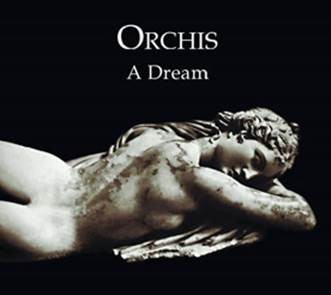 Die Geschichte des World Serpent-Vertriebes ist eine Geschichte von Licht und Schatten, in deren Verlauf so manche musikalische Wegmarke gesetzt wurde, aber auch eine Reihe an mittelmäßigen Erzeugnissen zu Ruhm gelangten. Im Schatten der großen Namen, mit denen jeder Musikinteressierte heute etwas verbindet, gediehen auch eine Reihe an unscheinbareren Geheimtipps, die musikalisch oft etwas spröder waren und sich schwerer zuordnen ließen. In diese Gruppe gehörte auch die Folkband Orchis, die mit WSD besonders verknüpft war, da Mitinhaber Alan Trench zugleich eine ihrer treibenden Kräfte war. Weiterlesen