
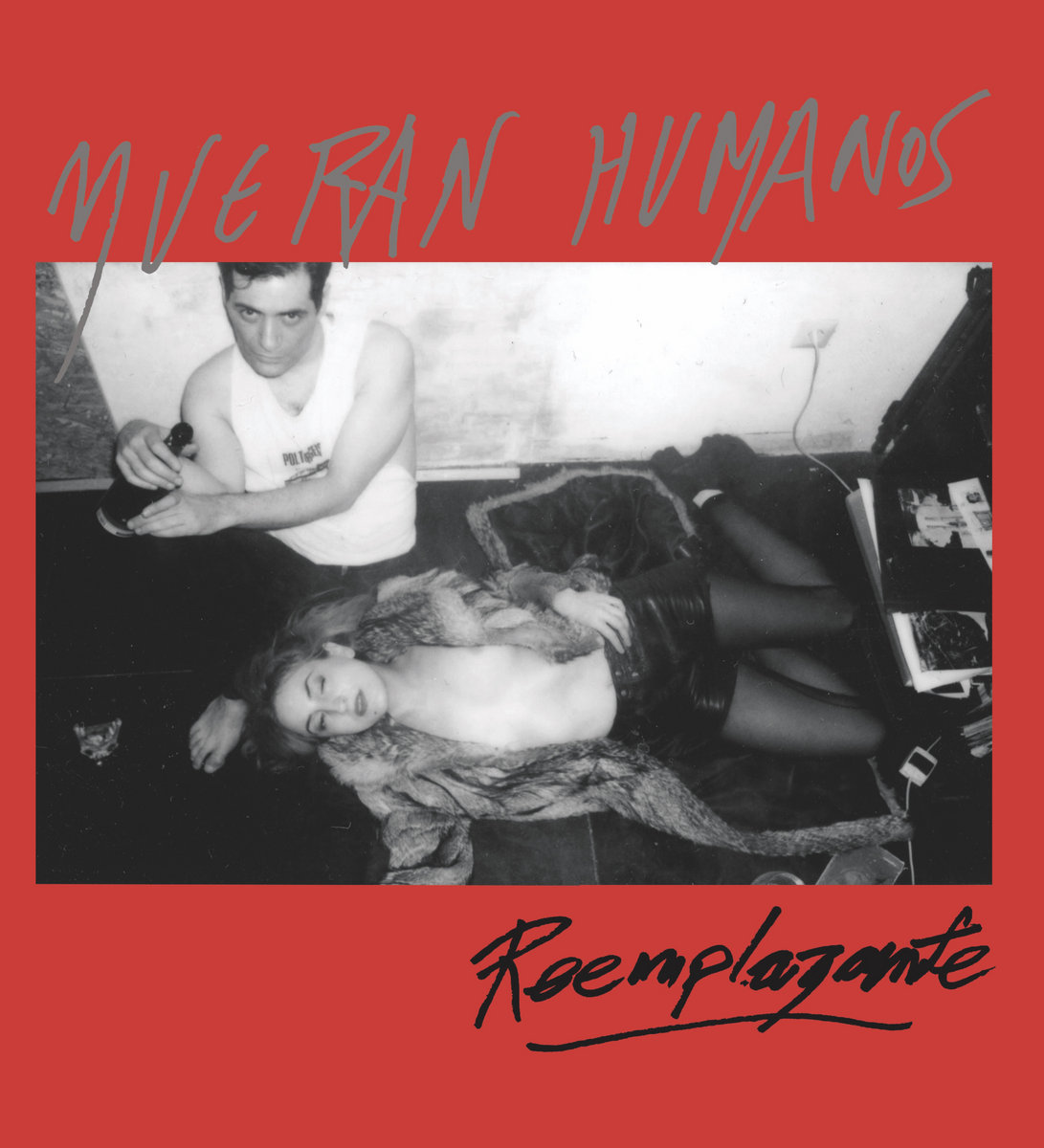
 Mueran Humanos, die beiden in Berlin lebenden Argentinier Carmen Burguess und Tomás Nochteff, haben es nicht eilig, jedes zweite oder dritte Jahr ein neues Album unter die Leute zu bringen, sondern gewähren sich eine angemessene Zeit, und genau daran tun sie gut. Beide gehen oft unabhängig voneinander weiteren Projekten nach, musikalischen, aber auch solchen im Kontext des Theaters, der Poesie, der Bildenden Kunst und Illustration und sammeln Weiterlesen
Schlagwort-Archive: Carmen Burguess
The Reality Invaders Strike: Buchpräsentation von Tomás Nochteff in Berlin
Am 11. März präsentiert die Musikerin Molly Nilsson im Berliner West Germany ihr zweites Standbein – den Buchverlag Copycats Press – und im Zuge dessen ihre erste Publikation: Den Band The Reality Invaders Strike von Tomás Nochteff, der, wie Leser unserer Seiten fraglos wissen, ebenfalls Musiker ist und die männliche Hälfte des Duos Mueran Humanos. Auf eine einfache und zugleich originelle Art zeigen seine 33 kollagenhaften Cut-up-Gedichte, die das Buch ebenso zu einem Lyrikband wie zu einem Bildband machen, was eine von vielen als nostalgisch betrachtete Punkästhetik zu aktuellen Situationen beitragen kann. Weiterlesen
El Camino del Dolor: Digitale Single von Mueran Humanos
Das in Berlin lebende argentinische Post Punk-Duo Mueran Humanos hat gerade eine neue Single herausgebracht. Der Song “El Camino del Dolor” – dt. “Der Weg des Schmerzes” ist ein trotz seiner Länge von nur gut fünf Minuten beinahe episch anmutender Track, der  Weiterlesen
Mueran Humanos mit Tour und neuer Single
Die aus Argentinien stammenden Postpunker Mueran Humanos veröffentlichen in wenigen Tagen ihre neue Single “Reemplazante” auf dem eigenen Label Sterbt Menschen Records. Zeitgleich startet eine Tour durch mehrere europäische Länder – im deutschsprachigen Raum stehen Hannover (25.03. Café Glocksee), Bremen (27.03. MS Loretta), Berlin (31.03. Urban Spree) und Esslingen (01.04. KOMMA) auf dem Plan.  Weiterlesen
Mueran Humanos auf Tour in Deutschland, Frankreich und der Schweiz
Die argentinisch-deutschen Postpunker Mueran Humanos touren in der zweiten Oktoberhälfte durch Deutschland und die Schweiz mit einem kleinen Abstecher ins französische Dijon. Näheres zu dein einzelnen Events lässt sich im DIY-Verfahren ermitteln. Weiterlesen
Reissue des Debüts von Mueran Humanos
Vor rund zehn Jahren erschien das selbstbetitelte Debütalbum des heute in Berlin lebenden argentinischen Duos Mueran Humanos, das rückblickend wie eine Initialzündung des wiedererwachten Interesses an der Musik der Punk’n'Wave-Ära anmutet. Mit einem Sound zwischen No Wave, punkigem Bassspiel und dem Synthie-Rock’n'Roll der frühen Suicide trafen Carmen Burguess und Tomas Nochteff den Nerv recht unterschiedlicher Hörergruppen. Ein dystopischer Vitalismus, der nicht nur in ihren spanischen Texten, sondern auch in der kraftvollen Musik zu finden war, konnten sie auch in den Ablegern der Industrial Culture Freunde finden und so kam es nicht von ungefähr, dass die CD-Version des Albums bei Old Europa Café erschien. Eine limitierte LP erblickte zeitgleich beim amerikanischen Blind Prophet-Label das Licht der Welt.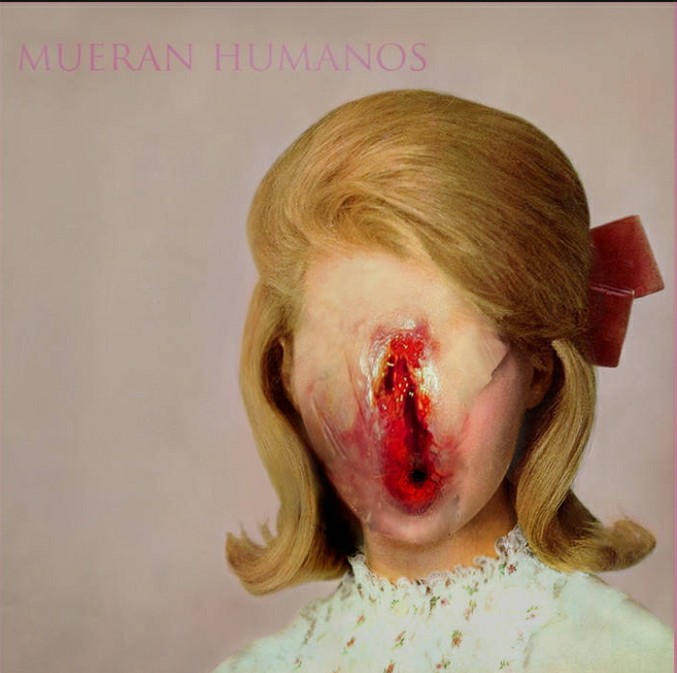 Weiterlesen
TENSIÓN: Construcción
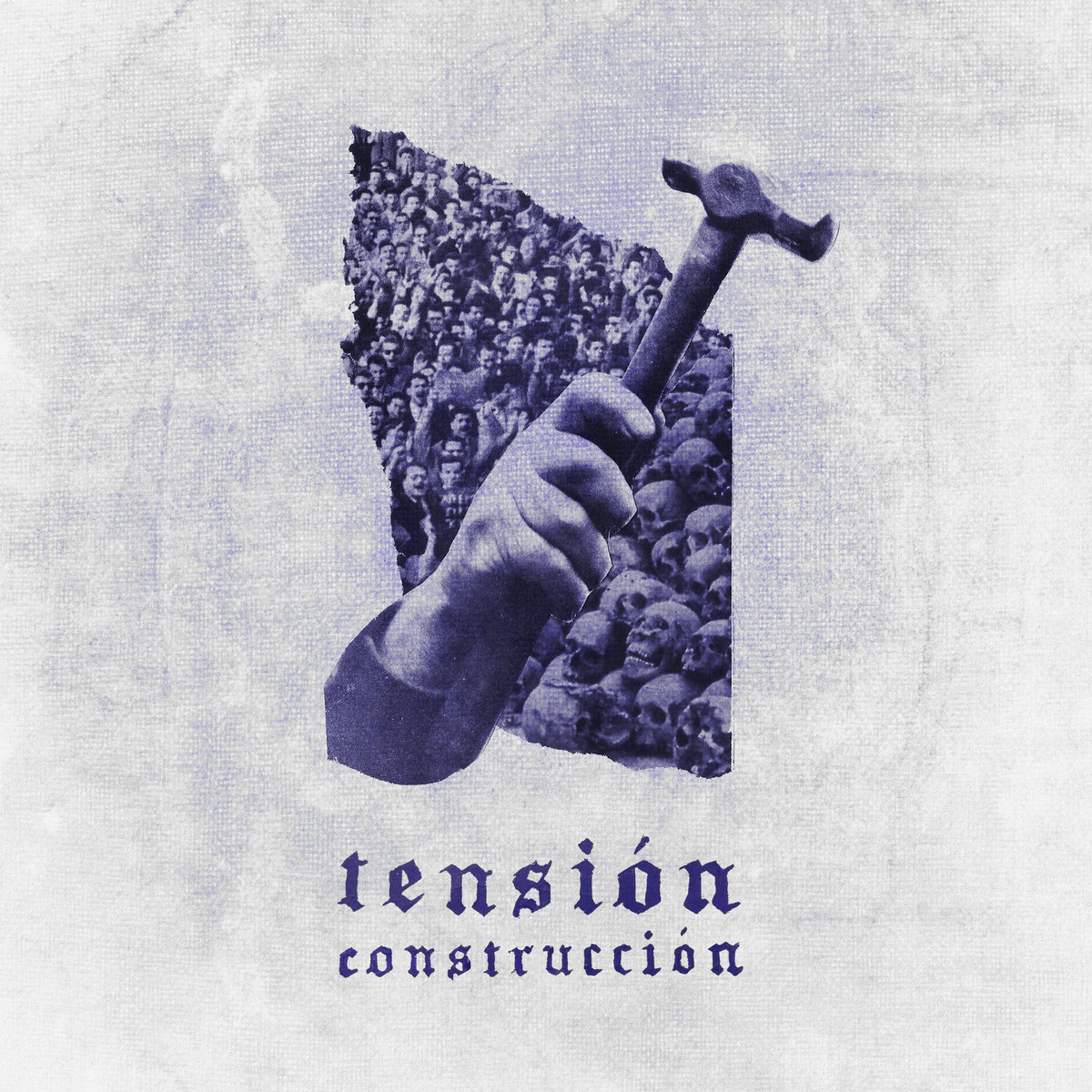 Das argentinische Post Punk-Quartett Tensión ist in seiner Heimat bereits seit ein paar Jahren Kult. Und da bei dieser Combo, vergleichbar mit den peruanischen Liquidarlo Celuloide, der Begriff Punk etwas fetter gedruckt gehört, sind die vier Musiker auch ein Vorzeigebeispiel dafür, dass von den frühen 80ern inspirierte Undergroundmusik nicht gefällig und trendanbiedernd klingen mus. Nach zwei Alben beim heimischen Soy Mutante-Label erschienen in den letzten zwei Jahren einige kleinere Releases. Die Weiterlesen
MUERAN HUMANOS: Hospital Lullabies
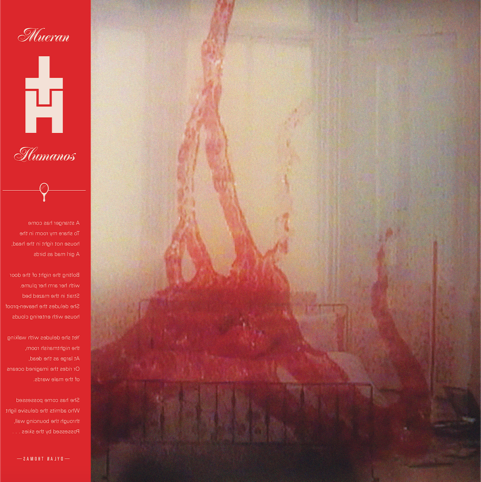 Die in Berlin lebenden Argentinier von Mueran Humanos arbeiten von Beginn an mit starken dualistischen Gegensätzen. Schon die Frage, ob ihr bassknarzender, aber manchmal auch technoider Post Punk eher Rock oder Pop ist, muss unbeantwortet bleiben, denn schon in der Hinsicht schlägt das Pendel von Song zu Song anders aus. Auch die weibliche und männliche Seite des Duos offenbart sich nicht nur im wechselnden Gesang von Carmen und Tomás, sondern auch in den oft surreal anmutenden spanischen Texten und vielleicht auch auf Weiterlesen
Mueran Humanos präsentieren ihr neues Album “Hospital Lullabies” im Berliner Urban Spree
Am Freitag, den 28. Juni präsentiert die deutsch-argentinische Post Punk-Band Mueran Humanos ihr drittes Album “Hospital Lullabies” (Cinema Paradiso) mit einem Release-Konzert im Berliner Urban Spree. Ebenfalls wird der gleichnamige Experimentalfilm von Carmen Burguess, der weiblichen Hälfte der Band, erstmals gezeigt. Eröffnet wird das Konzert von den Berliner Bands Operant und Eyes Gone, nach dem Auftritt sogen die DJs Philipp Strobel (Aufnahme + Wiedergabe) und Sam de la Rosa (Mannequin Records, ex Led Er Est) für tanzbare Unterhaltung.
MUERAN HUMANOS: Miseress
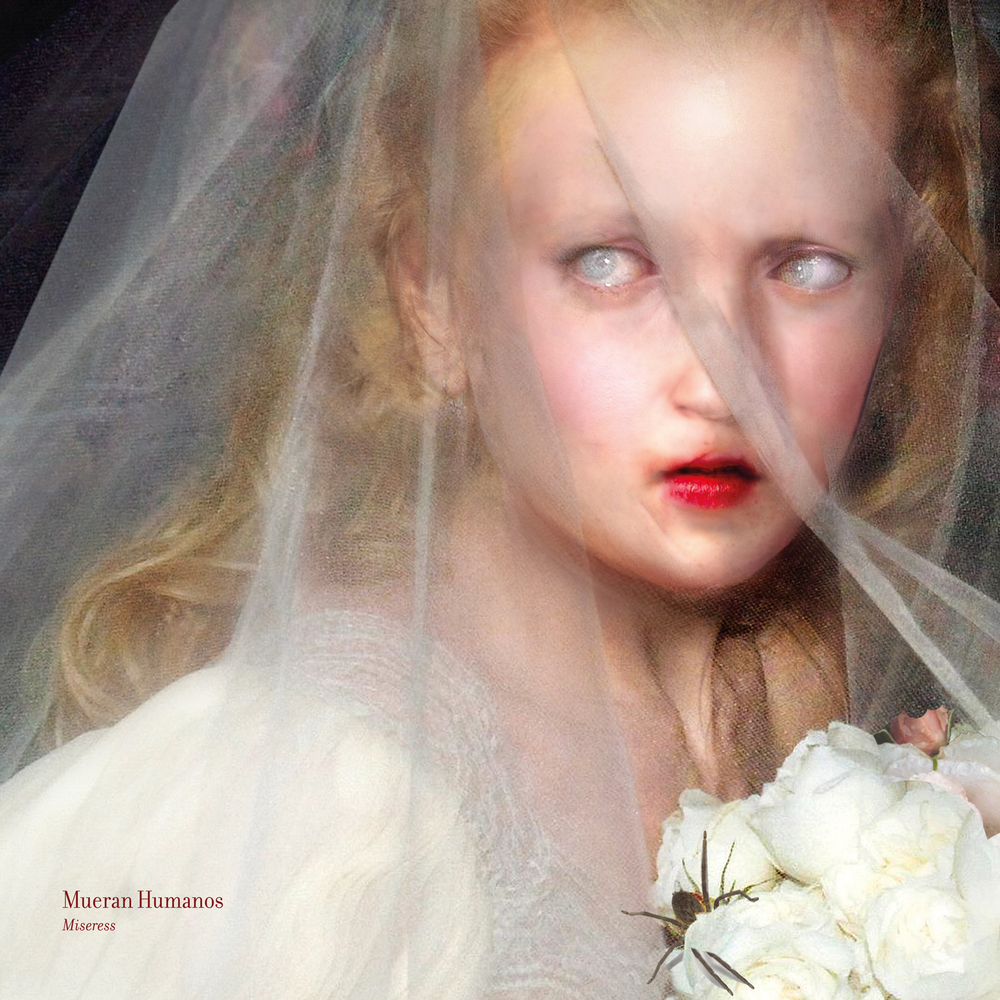 Ganze sechs Jahre ist es nur her, dass die in Berlin lebenden Argentinier Mueran Humanos mit ihrem selbstbetitelte Debüt für Aufsehen sorgten. Das Album erschien in zwei Auflagen bei Old Europa Café und Blind Prophet und verschaffte sich auch durch Auftritte in den verschiedensten Kontexten Gehör sowohl bei den Nachfahren der Industrial Culture als auch bei den trendigen Kids der New Wave of Dark Wave. Beide mit Punkwurzeln und nebenbei literarisch und im visuellen Bereich aktiv, kamen Carmen und Tomás auch ganz gut mit diesem Spagat klar, ohne je was auf Genre- und Szenebegriffe zu geben. Nach einigen Jahren des Weiterlesen
Trino debütieren mit Clip zu “La Langosta” von Mueran Humanos
Als das zwanzigminütige “La Langosta” letzten Winter erstmals auf Vinyl veröffentlicht wurde, mochte man zuerst gar nicht glauben, dass es sich bei dem Stück um den ersten Song handelt, den Mueran Humanos je aufgenommen hatten. Es passte in seinem heruntergefahrenen Tempo und seiner traumwandlerischen Versunkenheit perfekt zu “El Círculo”, dem ebenfalls eine ganze 12”-Seite füllenden zweiten Song der EP. Vielleicht liegt in dem psychedelischen Subtext ja eine Konstante, die sich durch Carmens und Tomás’ bisheriges Werk zieht, auch wenn man das bei den Auftritten, die meist von vitaler Aggression geprägt sind, nicht so deutlich spürt. Jüngst haben die beiden Kurzfilmerinnen Natja Failde und Linfa Ologramma, die als Duo auch unter dem Namen Trino in Erschenung treten, einen farbenprächtigen Clip dazu gedreht:
“Filmed in Berlin and Buenos Aires by Trino Productions, it marks the debut work of this duo formed by Natja Failde and Linfa Ologramma, two young girls from Buenos Aires. They aproached Weiterlesen
Gruppenausstellung beim Epicurean Escapism Festival II: Alex Tennigkeit, Andrew Liles, Carmen Burguess, Dennis Rudolph, Philip Best, Rudolf Eb.er
Am 15.06.2013 findet in Berlin das zweite Epicurean Escapism Festival statt, im Zentrum stehen Konzerte der Post Industrial-Acts Ke/Hil, Post Scriptvm, Dieter Müh, Anemone Tube und Trepaneringsritualen, darüber hinaus werden Super 8-Filme von Mike Dando als Untermalung zu ausgewählten Stücken seiner Band Con-Dom gezeigt. Zu den Programmpunkten zählt außerdem eine Gruppenausstellung. Im Vordergrund stehen Gemälde, Zeichnungen und Fotokollagen von sechs internationalen Künstlern. Die meisten von ihnen stehen im engeren Kontext zu (Post-)Industrial und experimenteller Musik. 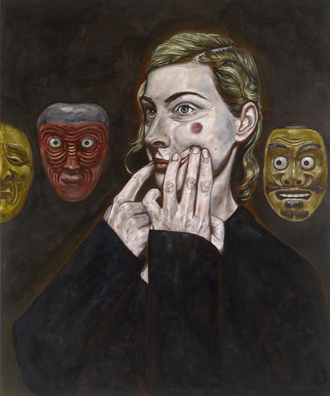 Weiterlesen
We are an army of two and we take no prisoners. Interview with Mueran Humanos
 In his preface to Jeanette Leech’s book “Seasons They Change”, folk singer Greg Weeks wrote that many new developments in music are of a purely regenerative nature and ultimately lead to an inedible infusion of once exciting innovations. In our recent review on the debut of Mueran Humanos, the two Berlin-Argentinians, we noted how fresh and original this album is – how much their 80s inspired music in the tension between post punk and Suicide brings an actually consumed and exhausted style to breath new life. Carmen Burguess and Tomás Nochteff are not trying to be clones who try to reanimate the music of a certain temporal context without any refractions and new ideas. Or as they say below: “We are not in the revival business.” In the following interview, the two give an insight into the band’s history, their conceptual ideas and a variety of other projects, which illustrate that the interests of the two go far beyond music.
We don’t know much about your band’s history – only that you’re from Argentina and have lived in Barcelona before. Can you tell us a bit about how you met and decided to form Mueran Humanos?
Carmen: We were lovers in Buenos Aires since we meet in 2004, but we never played together, because each of us had an own band and we perceived ourselves almost as enemies. At some point I lost everything, my band, my family, everything – I even had no place to live. Somebody gave me an apartment to look for and I locked myself inside. Tomás was the only person who visited me. So I abandoned Buenos Aires before leaving it physically, and in that loneliness he was the only person allowed to enter. The things had radically changed since then in a positive way. Tomás left the country and I stayed for a while trying to fix the mess my life was, and after some time I left too. Tomás was waiting for me at the airport in Spain and we’ve been together ever since. We tried to play together and Mueran Humanos happened. I was a triumphal accident. Nothing was planned.
 Tomás: We started to live together in an empty house, we only went out for strict necessity. We lived a couple of years in that way, no furniture, no Internet, TV, or radio, we didn’t buy magazines, newspapers neither books, we didn’t go to the cinema, gigs, nothing, we completely disconnected ourselves from the outside world, like it didn’t exists anymore for us. In that way we developed everything that is MH now, artwork, videos, music, lyrics. We made our first apparence in an art gallery with a live installation involving video, music and a corpse. The music in that time was much more abstract than now, we didnt make songs for a while. We were trying different things all the time, one night a song appeared and we start to make songs together and start to play live more, we still do a lot of different things. We decide what to show and what not, you see a rock band but there are other things behind it.
What can you tell us about the alternative/underground music scene in your country? In what sort of groups did you play earlier? Is there an element in your music that you would see as typically Argentinian?
C: Mujercitas Terror is the only band I’ve ever belong to, I couldnt really play any instrument but they put me in the band anyway. I’m still their most loyal fan. I don’t think that there is anything typical Argentinian in our music. The things I love from Argentina are too unpopular to called them “typicals”. In a way we are originators of a new scene, wich is really small, and with MH we continue that path. Tomás used to play in a cult band called Dios.
T: There’s good bands in Argentina but the best ones never make it. There’s no money whatsoever in underground or experimental music, even when there’s plenty of audience for these things, but there is no structure, so people tend to give up and its difficult to make records. The best thing about it is that people keep doing it against all odds. Anyway we are outsiders by nature and election, so we are not representative of mainstream culture, Argentinian or any other. We played in bands before and we are closely related to a small group of people, bands like Travesti or Mujercitas Terror, these people are the most important influence in our life… but it is too small and individualistic to call it a movement or style.
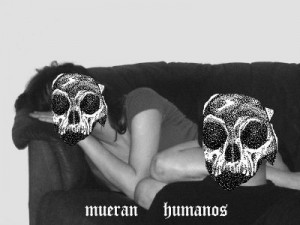 I always thought that the geographical isolation of our country and our culture give us a freedom for developing our own thing. I was always well aware that the majority of the music and youth counterculture is anglosaxon and I am not, therefore even if I draw inspiration of it I feel the need to develope my own thing, so I disconnect myself from it from the begining. But this is a highly alien concept in Argentina, most bands are just clones of English or American bands and they conform with it, just like everywhere else. So yes, being from Buenos Aires is a big influence in what I do but at the same time we are not the typical Argentinian band.
Many people bring you in context with the so called post punk genre. As musicians with a wider range of influences, are you comfortable with such a label, if it’s not used as a narrow minded category?
C: Well, “Post punk” is ok if you want, although I don´t agree that it explains the music we make. There are other labels that exist for the sake of selling tickets for venues like “electronic noise pop” or “industrial dance” or “space punk, synth wave, post wave, witch house, kraut punk, or even worst “indie noise”… I don`t really care.
T: To be honest I hate being labeled, I am not comfortable with any label. Besides I don’t believe in post punk as a genre, for me they were just a bunch of punk bands trying to do something original, some of them we like and others not, at least the original ones. Contemporary post punk is people trying to copy some music and style of that era and that’s something we definetly not doing. We are not in the revival business. Mark Stewart from the Pop Group came to see us and helped us with the album because he said that we remind him of that whole era in the way we approach things, he said that for him we are like this original punks trying to push things forward, not copying but doing our own thing. Is not that we decided to do a style of music, what we do is just inevitable, we can’t do anything else really. We work with what we have: a bass, a cheap synth and old drum machines, we use tapes because we don’t own a sampler or a proper computer, all this can make our sound remind you of old records because its old equipment, we don’t try to sound like it’s 1978… if we could buy expensive synth and big samplers and 6 thousand euro computers and sound bigger than anyone else, we will.
The name Mueran Humanos sounds like an antihumanist statement. How would you describe your interest for the morbid side of human nature?
 T: We are interested in double, multiple meanings and mystery. We use collage, cut-up, improvisation, altered states of mind and esoterism to create what we create. There is not a single linear thing in Mueran Humanos. Starting with the name, that doesn’t really sound gramatically correct in Spanish and can be interpreted in many ways.
I made a fanzine of cut-up newspapers for years, anonimously, called Mueran Humanos. When we started the band, Carmen liked the name and proposed me to use it. We feel it related to the beauty of the forces of nature, glaciars, tsunamies, earthquakes, tigers, elephants, black holes. I liked also the fact that it sounded totally unfashionable in that time. People seem fascinated with the deepness and importance of superficial things, it’s like a way to look intelligent. They seem to despise romanticism and artistic ambition, being superficial and normal and meaningless is considered cool, innovation and personality is declared dead, passe, pretentious, childish, fake. It-s OK to be revival, it-s OK to be meaningless and superficial. We go for the oposite, we care. So the name is the result of taking our attitude to the ridiculous extreme, making fun of the whole cultural landscape, is a provocation to show that we are not afraid of being ridiculous or unfashionable. Our name is confusing, evocates many things at once. Its like a sign in the door saying “inside here nothing is what it seems to be”.
C: I like the unPC of our name, and I like the exaggeration in it. Too many times I had to restrain exaggerated emotions or reactions in order to not distub the standards. We are excessive, we like excessive people and everything that is taked to the extreme. I like everything that attacks the fake morality. I hate empty pictures and “nice” things without content. I hate the decadent and horrible photographer who tried to make me look awful in the passport photo this morning. Beauty has many enemies. But he children are like us. Mueran Humanos is the door, through which enemies cannot cross.
Do you feel any affinity to that loose group of people that are called “antinatalists” and who believe it would be better not to have been born?
T: I don’t know about these people, but if its that what they think, why say it? Why don’t they simply kill themselves? I don’t know about them but as you present them they sound like posers. I don’t mind about cheap misantrophy. Nothing to do with us… the way we live, the kind of people we are and the place we came from… we would have died many years ago if we wouldn’t love life.
In that context I wanted to ask if you are familiar with the writings of the American author Thomas Ligotti. His pessimistic philosophy and the fact puppets sometimes occur in his work made me wonder if you have heard about him or read any of his works?
T: No. I know his name for his connection with Current 93, what I know about him is really interesting, I should check him out.
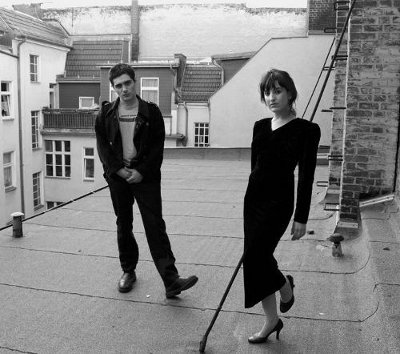 As probably not many of our readers understand Spanish, let’s talk a bit about some particular songs from your debut album. “Leones en China” seems to be inspired by political events (at least according to the background projection during live shows). What is it about?
C: Not consciusly, but is true that it allows that interpretation, because it mentions airplanes and bullets and a general apocalyptic scenario. I realized this much later.
“In China we children live in caves/In China the buildings are upside down/In China the sea has bones/And all airplanes are black/In China there are lots of horses hiding/And the moon is a painting/In China flowers are invisible/And the trees are made of worms/In China stones live in houses/And people’s teeth are nails/ In China Death wears white/And in China’s gardens bullets bloom”
There is nothing political about “Leones En China”, and its not even about China, at least not in a linear way. Again, we like to play with meanings, we like to fuck around with symbols, clash things, juxtapoze, twist, pervert. That’s how we make lyrics, images, music, but you are free to interpret what you like, you can use it the way you want to, as a gift from our world to your world, a gift and maybe a virus too. You can be free inside Mueran Humanos, that’s what it’s all about really.
In our opinion, “Corazon Doble” is the most powerful song on the album…
T: It’s one with more straighforward lyrics, is about that moment in the peak of ecstasy, when you see your future inevitable decay and you see it in a calm, melancholic way. But also you see there is an afterlife and make plans about it. Is a sad/happy song about pure love. We took the name from a Marcel Schowb book that we liked a lot. He uses it in the meaning of dualism, being one thing and the contrary at the same time, is a very gnostic concept if you like and I can relate to that, but in the context of the song it can also be interpreted in a romantic way, two hearts became one double heart, like our band.
C: For me this song has a very clear meaning and shows that a really strong union is more powerful than death. One of the lyrics that made the strongest impact on me was “Sara” by the german band Sand. It’s a very mysterious song, the singer asks “is that you Sara?”, and an almost imperceptible voice answers “no, its the storm”. Our song said : “When a strange morning shatters our windows/When you leave/Wait for me on the other side of the storm”.
“Festival de las Luces” seems “friendlier” in it’s outfit and implies something positively religious, but the video with the burned dolls seems to contrast this. What kind of sacrifice ritual do you act out on these mannequin’s heads?
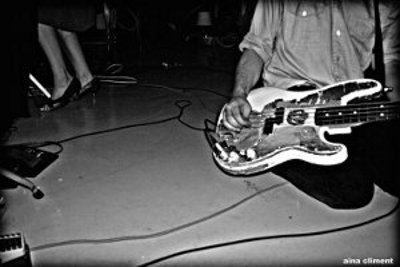 C: This song is a celebration of strange events and it’s interesting that without understanding the lyrics you catch the “religious” element, because it is about three nuns, part of the lyrics say: “…Party’s over/It came to an end/I’m walking happily/On my way home/ When I see them/Right over there In the light/They’re looking at me/ and In a car/They’re taking him away…/It’s raining houses/It’s raining cars/It’s raining letters/It’s raining blood…”
T: The video was made in a single night, we were drinking at a bar after a gig in Spain and a friend told us “I have this mannequin heads and I am saving them for you”, so we went to his place to check it, and when we saw them, we dislike them, so we said “let’s burn them”, so we go to the roof and we set them on fire and he filmed it and that’s it, we were all drunk and it was just natural and fun and the Police didn’t show up.
What were the main reasons for you to move to Germany? Seems you have yet a trusty audience in the capitol’s area.
C: Yes, we are happy with that, there is people who sing along our songs and they don’t even speak Spanish, it’s really nice.
T: Yes we have a lovely audience here. We were living in Barcelona in 2008, we never connected really with the city, when we came here for three weeks we found a much more friendly place for the kind of things we do and the kind of people we are, so we stayed and we are very happy with it. Also, I was always felt attracted to many things of German culture, like Grosz, Nico, Neubauten, Kraftwerk, DAF, Cluster, Sand, Murnau, Herzog, etc. so it just made sense to me in a strange way. I like Berlin. I don’t mind there is no sun, I never liked sun anyway.
We just watched your video of your “Monstruo” performance at Teufelsberg, Berlin. Would you say that the acoustic of that location and the history of the building were of equal importance when you chose to perform there?
T: Yes, it’s a place in wich many of the currrents of history cross with each other, a spiritual crossroad: the nazis, the CIA, the Soviet Union. Also the architecture, the acoustics, the nature around it, everything is fascinating, even the name of the place, the fact that it’s the highest point in all Berlin area, the fact that it’s a wood that grew on the litter of the war, etc. We aproached it as a psycophonic recording session, we wanted to be mediums and let whatever is there to express itself, that’s why the perfomance is so naked and improvised, we played with the place, not only in the place. We used it like an instrument and let the place use us like instruments.
 You stress the simplicity of this performance and that no effects were added afterwards. Was that also to show that music that has an electronic basis can be very effective without too many gadgets?
T: It was important for us to leave the place express itself, so thats why we kept equipment and performance to the minimum, it was an extraordinary oportunity to apply ideas that we have about silence in music, resonance, acoustic and psychic phenomena, in a way much more straighforward that we usually do. It would be a waste of time to go there and just make a wall of noise, you can get all the reverb you want for a 50 euro pedal, what’s the point to go there for that. But if you want to catch a ghost you just try to be still and quiet and open yourself to it. That’s what we did.
Carmen, you are also an illustrator and visual artist. Could you tell our readers how you work and what you regard as core elements of your art? Would you say that the artwork plays an equal role besides the music in Mueran Humanos?
C: I use the collage technique to draw and paint concret images. In the process, the colour and the drawing are operating although I use the collage techniques to create the forms, digitally or with paper I use the same technique of superposing layers. Sometimes I do it with dolls too. For me music and images and lyrics have all the same importance. We become a band wich make songs but we started doing soundscapes integrated in full installations with video, objects, etc. I would like to do more of this with Mueran Humanos, I like to rock but I missed the other part. For me the visuals we use on stage and the artwork are as much a part of Mueran Humanos as any of us.
You said about one of your works of art that “there’s a girl on fire, standing in a closed space, she’s burning alive but I can’t tell if she’s suffering or having a good time.” This ambivalence seems to be a characteristic of a lot of your work. I’m sometimes not sure if the disfigured figures are simply victims or just about to inflict pain (on others). Would you agree to that?
C: Yes. Ambivalence itself is a mystery and fascinates me. For instance Vampires are victims of a process, but I am not interested in the moment of pain or the family they left behind when they lost the human condition. I am only interested in the part in wich one reconciliates himself with what they are. In the case of this piece, her gesture shows something considered impossible: to feel pleasure while she is consumed by flames. In the case of the Seventeen girls, they are in peace with what they are. Only one of them is not and she’s the only one that communicates pain to me. I found the others just fun, they make me laugh.
You illustrated a special Christmas issue of a magazine called “Quimera”. One of the articles is entitled “Deconstruir la Navidad”. What can you tell us about this issue, and does your visual contribution also convey a personal statement on religion?
C: They offered me to illustrate all the short stories in the dossier. It’s a selection of short stories which happens at Christmas, and they all have an “anti-angelic” character. I have just read the stories and made a free interpretation for each one of them. One of the stories is pornographic and in general the content is very adult. I think that my collages bring esoterism and humour to it.
Recently the model Isabel Caro died of anorexia. At the moment there are discussions in the USA as even 17-year-old kids go to the doctor’s to get an injection of Botox. Are your artwork and the other “seventeen”-pictures a reaction to developments like this?
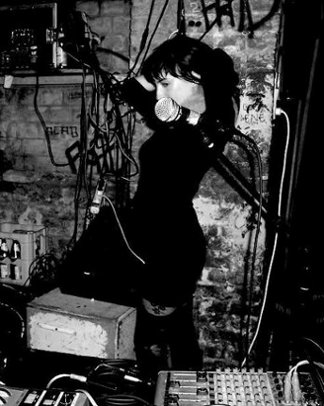 C: I can understand that a girl can decompose herself so fast in the fashion world, which is frivolous and yet aesthetically fascinating. I can understand that this world can swallow you. If you allow yourself to be filled with stupidity like a duck is filled with filthy food until the limb explodes to make paté, I think that you were born lacking something. Its difficult for women to move freely in a business for which they are just bait.
Your album just came out via Old Europa Café, which is on of the most notorious labels of the „industrial“ scene. How did you come in touch, and do you have any relation to the industrial scene in particular?
C: We are very proud and happy to be on OEC. We are indirectly related to the Industrial scene, last year we played at the finissage of a Genesis P. Orridge exhibition in Berlin, which was a great pleasure for us since we are his fans, and this year we will play in the festival Congresso Post Industriale organized by OEC in Venetia. Blind Prophet Records is also related to post industrial music. Anyway, we play in different scenes, we go where they invite us to go, from art galleries to noise events like Dienstbar or Salon Bruit and then punk squats like Köpi or Subversive and then the Almighty Wire thing and then Endorcism wich is a witch-house night… we don’t really belong to any scene but we are open to play… and anyway the moment we hit the stage, it’s ours and we are the ones in control.
T: Yeah it’s like guerrilla tactics, maybe we got it from our South American culture. We enjoy playing to an audience which is expecting something different. We are kind of crossover in a way. Rudolph heard us on myspace and was kind enough to contact us and offered us to release something, our album was just finished, so we sent it to him and he liked it and released it. OEC is a label which is on it purely for the love of music and who is not afraid of taking chances, we like many of the artists on the label, especially the ones that are more on the dark ambient, Spectre but also MB, Folkstorm and many others. We are not an Industrial band but Industrial culture was important to me always. TG, Coil, Cabaret Voltaire, TOPY, SPK and all that. I like to think that we have a similar spirit of exploration to this early bands, although (or maybe precisely because of that) the results are totally different. Maybe Rudolph saw that connection… who knows?
Tomas, besides a couple of collaboration you also do a solo project called “Nochteff” which is more based on soundscapes. As I first listened to songs like “Congregación de Alejos” I thought of some desperate urban wasteland folklore.. Do you “run” this project completely alone, and how would you describe it’s core elements?
T: Yes, I use my own surname for making different projects, I have an album of songs from 2004 called “Le Beat Juste” released in Buenos Aires. But then Mueran Humanos started doing songs, so now I make almost only more conceptual or experimental things. I put an album called “Pascua Pagana” (Pagan Easter), which I made in three days during Easter 2006 in London with only a bass with 3 strings, 3 channels, 3 effects and 3 tapes. First I put it out in cassete but now it’s for free download on the German label Alarm Platten. Also I am working in a psychogeographical DVD on the city of Buenos Aires with a filmmaker. I choose some trips througth the city that I feel important or powerful, by train or car, he do the trip and film it, and I am doing the music to go with it. Also I have an eternal album going on in wich all the lyrics are cut-ups made from newspapers, it’s mostly voice, electronic feedback, tapes and bass, I work on it from time to time for the last four years. I also just put out a book of cut-ups in a small experimental poetry publishing house of Buenos Aires, called Bases Para el Turismo del Futuro (Foundations for the Tourism of The Future). There’s lot of things, but Mueran Humanos is more important to me, so the other things go slow.
 You also did a hommage to the late Jhonn Balance. What did his music (e.g. with Coil) mean to you? I could only imagine that the passing of Balance’ former partner Sleazy shifted the work’s meaning once again..
Coil is one of my favourite bands ever, I especially like the “Musick to Play in The Dark” series and “Horse Rotorvator”. But besides that there is something very special about Balance, something personal, when I hear his voice I feel it very close, it only happens something similar to me with Nico and Captain Beefheart. I know other people who feel the same about him, he had a sort of strange power, a very fragile person but yet very strong. I made this song one night I was alone in the dark in our house in Barcelona thinking about Balance and how he said he loves Barcelona, I felt that a spirit enter my room through the window and sit beside me, I took the keyboard and “we” made the song together. At the moment I was convinced that the ghost, if any, was Balance himself. I am not asking you or anybody to believe it, I don’t know even if I believe it myself, I am just telling you what I felt at that moment and in wich mood I made the song, most probably it was only an hallucination. I used to see spirits and weird things a lot at that time. It was the same house in which Mueran Humanos started. It was a weird place, the people who lived there before blinded all windows with black painting and there were crosses and some magical symbols painted on the walls and everything was in a general state of decay and in top of that we started to live there doing sigil rituals, experiments with magic and other things, it was an hallucinatory enviroment to say the least so who knows… Anyway, the song is there now and I see it like an hommage to an artist that means very much to me and others.
The last question is trivial and obligatory: How definite is the nearer future of Mueran Humanos? Do you plan to stay in Berlin, and are you already writing new songs? Thanks for the interview and all the best!
T: Yes we plan to stay in Berlin for a while, it’s our second home now. Now the album will be released by Blind Prophet Records on vinyl in New York in early February. We’ll be touring the USA in February. After that we will comeback and do a European tour. We would love to do a South American tour as well. We have a lot of new songs, hopefully we can make another record this year, also we want to make an EP with four versions of a song, in Italian, German, English and Spanish, many ideas… we will never stop, we are an army of two and we take no prisoners.
C: Thank you for the interview, cheers!
(M.G. & U.S.)
MUERAN HUMANOS: El Circulo/La Langosta
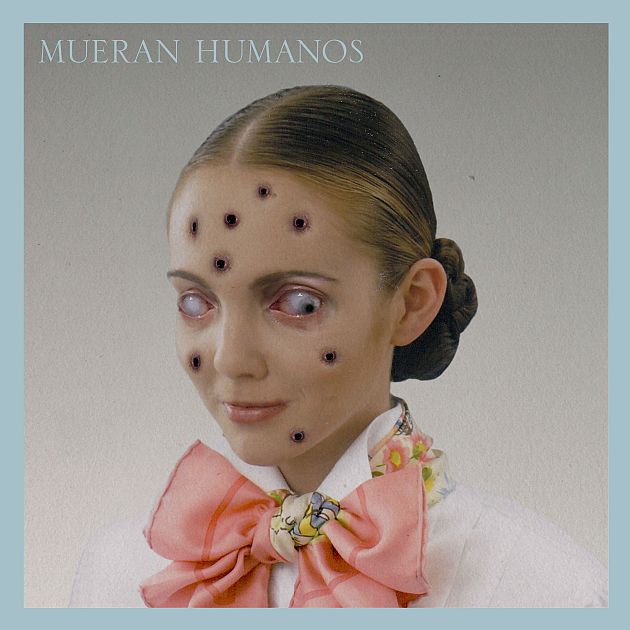 Mueran Humanos können seit ihrem Debüt bereits auf eine kleine Erfolgsgeschichte zurückblicken. Teil ihres Rezeptes, falls sie so etwas haben, ist eine Kunst, die sich viele Musiker gerne auf die Fahne schreiben – Carmen und Tomás liegen zu allen möglichen Kategorien quer und haben doch vielen Orten der Subkultur das Passende zu bieten. Der kernige Bass, die Drummachine, der mehrstimmige Gesang, die markigen Texte, die sich mit Vorliebe an allzu bequemen Weltbildern abarbeiten – all dies funktioniert im Postpunk-Rahmen ebenso wie in krautigen Weiterlesen
La Ratita Mili: Kurzfilm von Carmen Burguess mit Musik von Tomás Nochteff
 “La Ratita Mili”/”Mili The Rat” ist der erste Kurzfilm von Carmen Burguess, der weiblichen Hälfte des argentinischen Post Punk-Duos Mueran Humanos. Der Film ist ihre erste visuelle Arbeit seit ihren Lovecraft-Illustrationen und der Kollagenserie “Seventeen”:
Untitled by Carmen Burguess from SCARY MOVIE PARTY on Vimeo.
MUERAN HUMANOS: Culpable/Amuleto 7”
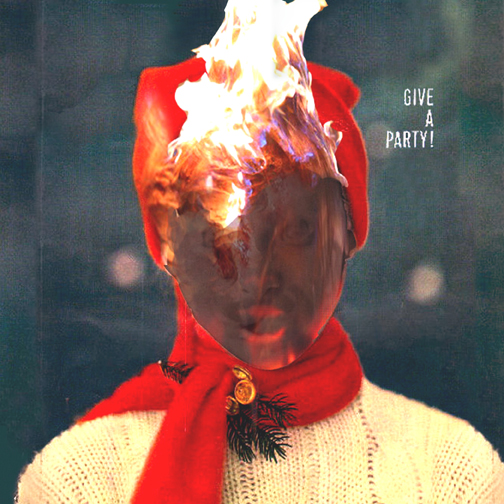 Laut knarrende Bässe, hämmernde Rhythmen, skandierte Slogans zwischen cooler Resignation und vitaler Rebellion – irgendwann in den letzten ein bis zwei Jahren hatte man vielleicht etwas zuviel von dem gehört, das Autoren wie Simon Reynolds aus Verlegenheit Post Punk nannten, und was zuerst Frische in unser bislang dröges Millenium brachte, erwies sich schnell als weitere Retro-Masche unter vielen. Leider. Mueran Humanos, die gerade mit der 7” “Give A Party” beweisen, dass ihr selbstbetiteltes Debüt keine Weiterlesen
CARMEN BURGUESS: Seventeen (Buch)
 Carmen Burguess ist nicht nur die weibliche Hälfte des Psych Punk-Duos Mueran Humanos, dessen Wege irgendwann von Buenos Aires über Barcelona bis in deutsche Gefilde führten. In der spanischsprachigen Welt konnte sie sich bereits ein Renommee als Illustratorin erarbeiten, bereicherte mit ihren reizvoll ätzenden Porträts Zeitschriften wie „Quimera“, illustrierte ein Buch des argentinischen Romanciers Javier Calva und zuletzt einen Band mit Gedichten Lovecrafts. Dabei deckt sie von der Kollage über die Zeichnung bis zum Acrylbild eine respektable Bandbreite an Medien ab. Gemeinsam ist all ihren Arbeiten die Leichtigkeit von Comic und Karrikatur und die Lust an der unerbittlichen, schwarzhumorigen Entzauberung all dessen, was man so als Lebensfreude aufgetischt bekommt. Weiterlesen
MUJERCITAS TERROR: Excavaciones
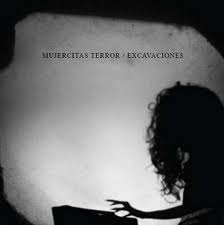 Im Jahr 1868 veröffentlichte Louisa May Alcott den ersten Teil ihres Romans “Little Women”. Oberflächlich betrachtet die Biografie vier junger Schwestern im tristen Neuengland, umgibt die Geschichte doch etwas Märchenhaftes. Auch in den zahlreichen Filmadaptionen kam dies zur Geltung, ob in der berühmten Umsetzung “Betty und ihre Schwestern” mit Winona Ryder oder in den japanischen Mangas, die auf dem Stoff basieren. Weiterlesen
We are an army of two and we take no prisoners. Interview mit Mueran Humanos
 Im Vorwort zu Jeanette Leechs „Seasons They Change“ beklagt Greg Weeks, dass viele neue Entwicklungen in der Musik rein regenerativer Art sind und letztlich zu einem ungenießbaren Aufguss einst aufregender Innovationen führen. In der jüngst auf diesen Seiten veröffentlichten Rezension des Debüts von MUERAN HUMANOS, den zwei in Berlin lebenden Argentiniern, wurde darauf hingewiesen, wie frisch, unverbraucht und originell dieses Album ist Weiterlesen