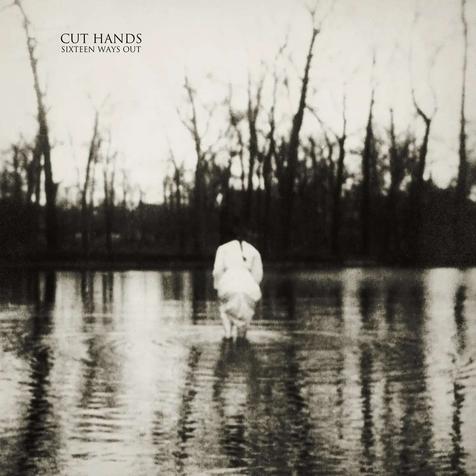
Gerade wurde ein neues Album von William Bennetts Afro Noise-Projekt Cut Hands angekündigt. „Sixteen Ways Out“ wird ab 21.09.21 als Download verfügbar sein, Anfang 2022 soll das Album auf Vinyl und CD erscheinen. Es wird insgesamt siebzehn Stücke enthalten.
Schlagwort-Archive: Cut Hands
WHITEHOUSE: The Sound Of Being Alive
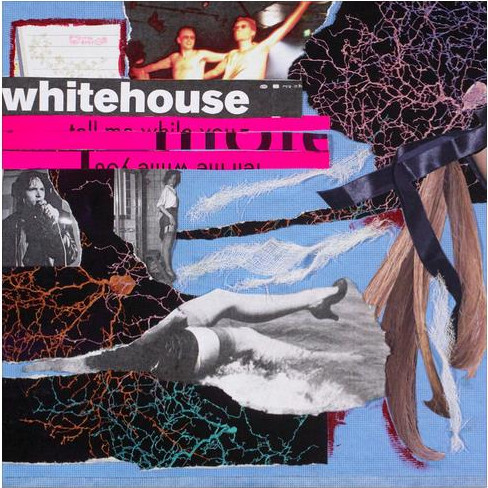 Wenn sich in den letzten Jahren in der Rezeption von Musik wie Power Electronics etwas geändert hat, dann insofern, dass es immer mehr Projekte gibt, die – ob wegen ihrer Musik oder aufgrund von Kriterien wie Labelzugehörigkeit sei dahingestellt – auch außerhalb einschlägiger Szenen gehört werden, auf hippen Labels herauskommen, auf arty Events spielen, bei Pitchfork und im Wire besprochen werden u.s.w. Whitehouse waren in der Hinsicht schon Grenzgänger, als Power Noise noch weitgehend eine Sache der Weiterlesen
CUT HANDS: Festival Of The Dead
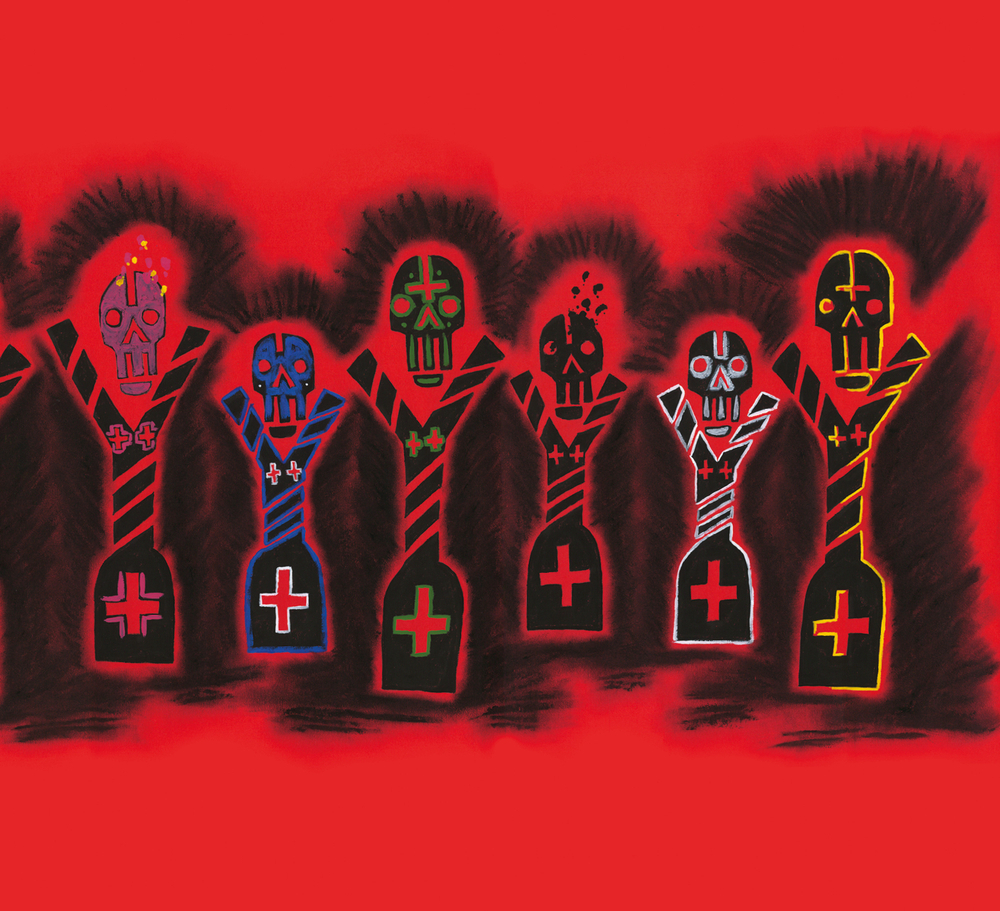 In musikalischer Hinsicht mag man William Bennetts Übergang von Whitehouse zu Cut Hands als fließend betrachten – in einer Hinsicht jedoch hat sich etwas ziemlich abrupt geändert: Seit langem war Bennett nicht mehr so konstant produktiv wie in den letzten fünf Jahren, seit langem schon waren die Abstände zwischen seinen Releases und Gigs nicht mehr so kurz wie in den Zeiten des sogenannten Afro Noise. Zum Teil mag das damit zusammen hängen, dass Bennett nun eine lange gesuchte ästhetische Form gefunden hat und die Kreativität nur so sprudelt. Ein weiterer Grund ist aber auch, dass die Arbeitsweise eine grundverschiedene ist. Weiterlesen
Tara handles the earth elements, I handle the fire elements. Ein Interview mit Clay Rendering
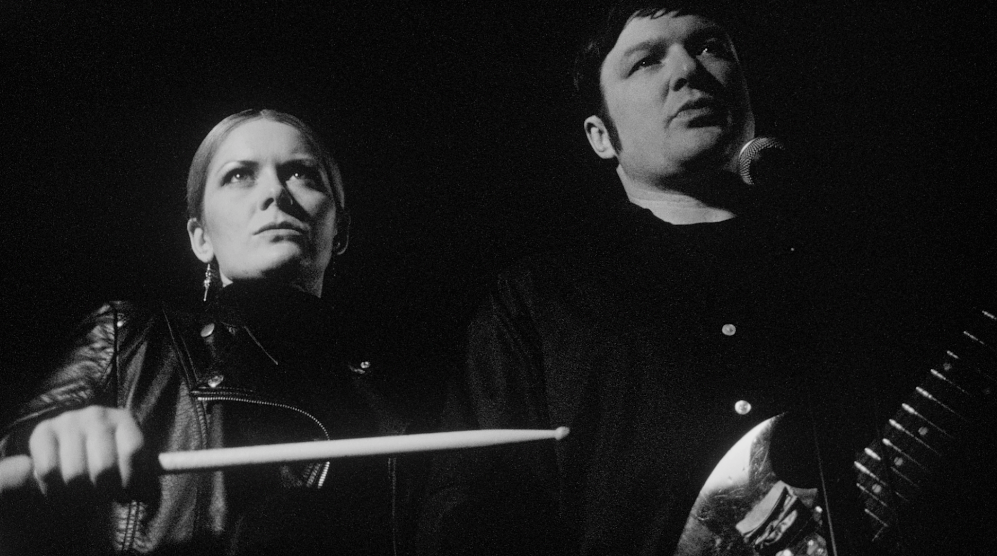 Mike Connelly ist aus der amerikanischen Noiseszene nicht wegzudenken und zahlreich und zahllos sind seine Bands und Projekte: Mit Hair Police oder bis kürzlich noch mit Wolf Eyes erzeugt er Grenzen und Ohren sprengende atonale Musik und auf seinem Label Gods of Tundra veröffentlicht er alle nur denkbaren Formate und Musiken. Er kann aber auch weniger brachial und mit seiner Frau Tara, die u.a. als The Pool at Metz aktiv ist, hat er als The Haunting zurückhaltendere, atmosphärisch dichte Alben herausgebracht. Das jüngste Projekt der beiden, Clay Rendering, orientiert sich Weiterlesen
Tara handles the earth elements, I handle the fire elements. An interview with Clay Redering
 From what can be heard when listening to your first two-track-EP “Vengeance Candle“, it seems that the focus of Clay Rendering is more on songs than on tracks/sounds. Mike, in an interview with The Wire you stated that you are the “rock and Metal guy“. Is Clay Rendering your attempt at creating (some form of) rock music?
“Song” is something we feel passionately about within this band and will continue to focus on. Clay Rendering is the most structured project I have ever been a part of, and because of that it has also been the most experimental thing I’ve done in long time. It started as the farthest out of my comfort zone I’ve been and now I feel at home. Clay Rendering reflects all of our vast interests, some more obvious than others. Metal is very important to us and will always serve as a source of true inspiration.
I read that the songs are/were inspired by the “last days“. Can you say a few words about the concept behind that?
The end is always at hand. Clay Rendering is resurrection.
Your band name suggests an act of creation. Is that one of the reasons you chose it?
Yes, that is certainly one reason.
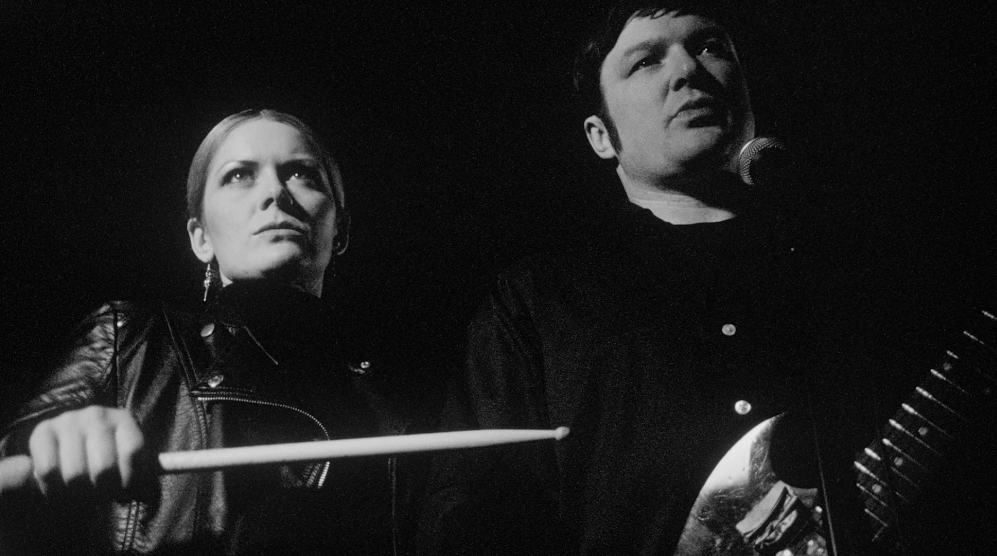 The projects The Pool at Metz, The Haunting and Failing Lights (in which the two or one of you have/has been involved in) are less abrasive than some of your other music. Would you say that the seeds for Clay Rendering were sown somewhere there?
Yes, I think its the next proper step in the evolution of what we do with those projects, all of which are still “active” in one way or another.
You’ve been involved in uncountable bands/projects. It seems you put a lot of energy in Clay Rendering as there is a website and you’ve even made a video for “Nature’s Confusion“. Is that were your main focus lies at the moment?
Absolutely. We cannot hide it. Clay Rendering is our life right now. It is in our every breath.
Fact Magazine wrote that your video contributes to the “air of ambiguous mystery“. Can you say a few words about making the video?
We had some clear visions for what we wanted the video to be like, and some images we wanted in there, and we think it came out perfectly. All the credit goes to the director, Joel Rakowski. We are already planning more videos for songs on our debut album.
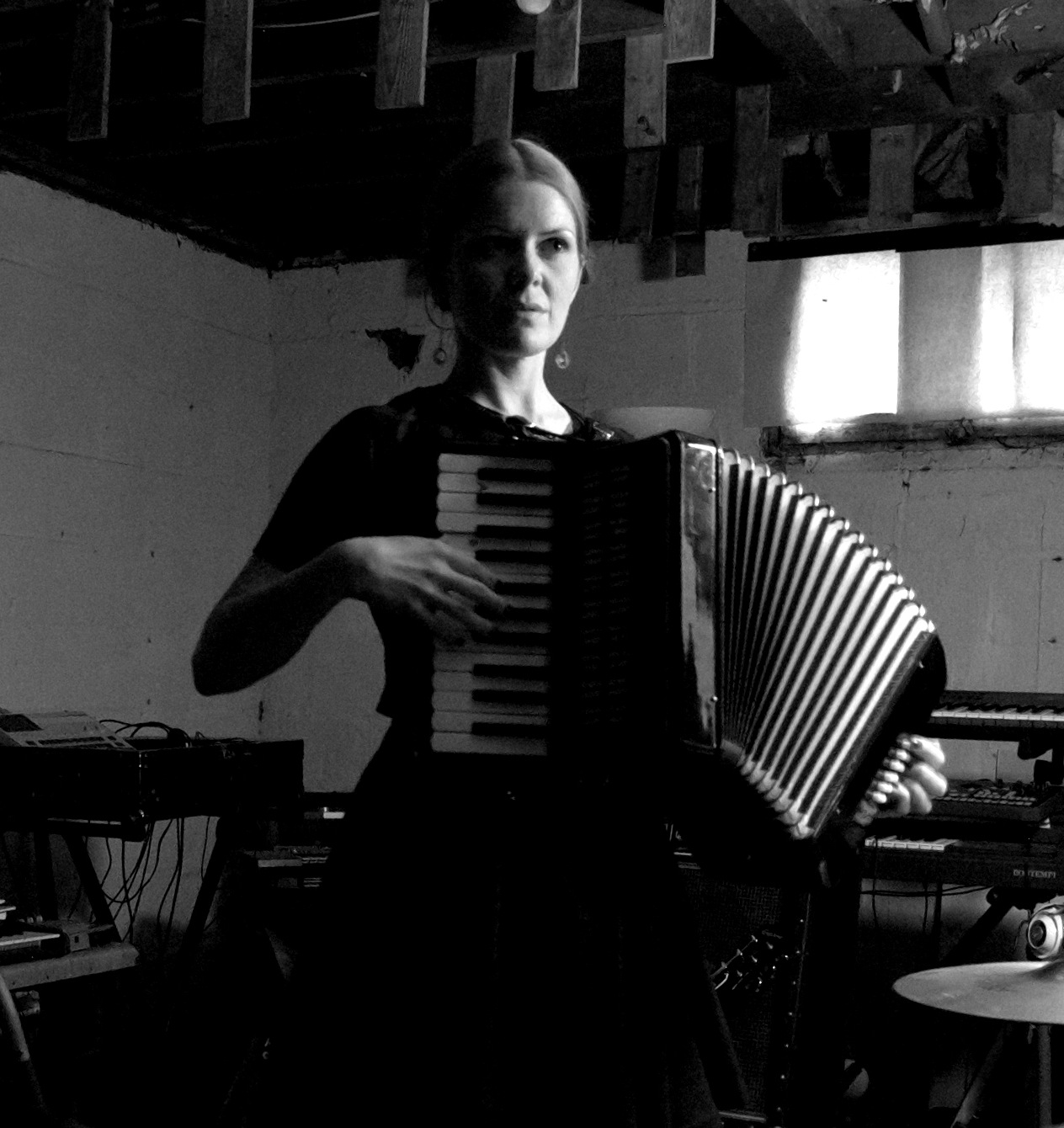 The two of you have worked together as The Haunting. To what extent does the new collaboration differ? What can you tell us about your working process?
The Haunting is more loose, minimal, experimental. We will re-visit The Haunting again–we love making that music. Right now Clay Rendering is what truly excites us. One of us will come up with a line…a guitar line, a piano line, a lyric, and we build from there. Once we get the song to a close approximation, we put it on repeat and spend days listening to it. This is where the song comes together, where we get the ideas to take the song to a new place, we see where it needs to be lifted…see what needs to be added…feel how the lyrics fit…
Let’s briefly talk about media. The first release by Clay Rendering has already been released digitally, and the vinyl is to follow later. Gods of Tundra and also the labels of your former bandmates in Wolf Eyes are (in)famous for the huge number of releases as well as the variety of formats (tape, CD-R etc.). How do you feel that now you start with a digital release?
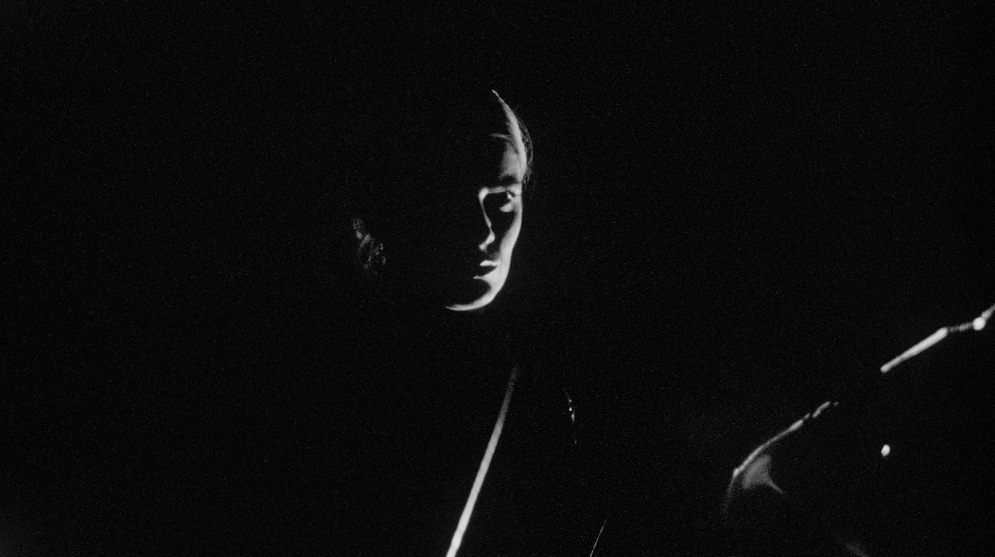 “Vengeance Candle” is first and foremost a 12″ EP…it simply takes less time for the digital to be available. But we don’t mind this one bit. My attitude towards digital has evolved over the years–I’m completely OK with it now. When we were younger, we found out about bands through record stores. Now kids will predominately find out about things digitally on the internet, it’s as simple as that. I’m not saying I love it, it’s just reality. You will definitely see the Gods of Tundra catalog going digital in the next few years. Fear not tho… for our tastes, we love the real thing…whether it’s vinyl, tape or CD. All of our releases will be on proper formats.
Some people have argued that the noise scene in the USA is evolving and/or dissolving. How do you perceive the situation at the moment? Do you think there’s a tendency to focus more on songs, or on music that you can dance to? Would you say that Clay Rendering is a part of that development?
Clay Rendering was created during a period when we were disconnected from the world. We re-discovered our passion for this music as well as our passion for creating something together. If Clay Rendering is considered to be a part of anything it is unintentional. Of course we are aware of noise artists doing more song-oriented projects. Most of those artists, including us, have always had song-oriented tendencies, so it’s not very surprising.
You’ve recently performed on the same bill as Cut Hands. Do you see any similarities between you?
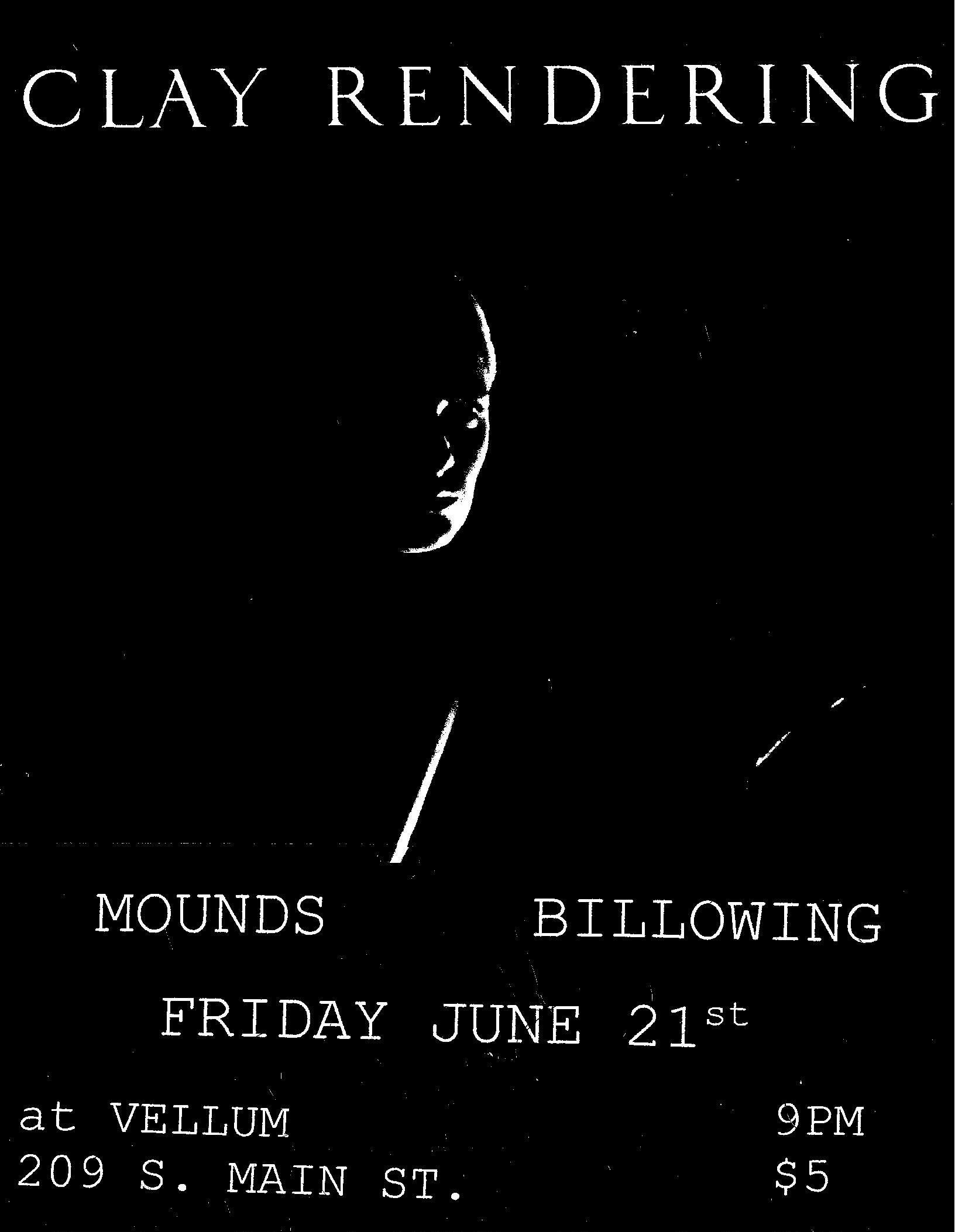 We have been inspired by Whitehouse (and now Cut Hands) for as long as we’ve known each other. He delivered one of the best sets we’ve seen in years. We will not compare our very first show to that! If there is any similarity, it is that we are both doing exactly what we want to be doing on our own terms…whether or not it’s called “noise” or “music” or whatever. It was an honor to have our first gig playing before Cut Hands.
What are your gigs like? Is it just the two of you on stage?
Yes, the two of us. Tara handles the earth elements, I handle the fire elements.
Are you already in the process of composing/recording new material?
Yes, we are firmly in the middle of recording our debut album. New songs are being composed weekly, but we are at a point where we have the album. Now it is a matter of organizing, editing, reworking, minutiae…. We have a number of shows this summer and will be playing new songs at each of these shows, another great way of seeing what works and what doesn’t. The album will be complete this summer.
(M.G.)
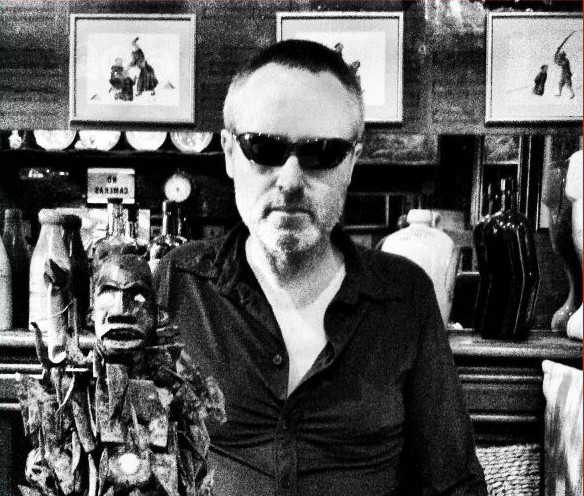
At the core of Cut Hands there is darkness and there are rhythms, beyond that anything’s really possible. Interview mit William Bennett
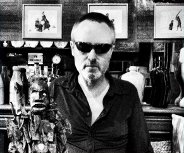 Seit William Bennett Whitehouse auf unbestimmte Zeit auf Eis gelegt hat und mit seinem Projekt Cut Hands sein Interesse an Afrika – das latent schon seit Ende der 90er bei dem in Edinburgh ansässigen Bennett da war und auf den letzten Veröffentlichungen von Whitehouse (durch Artwork, Titel und Einsatz von Perkussion) immer virulenter wurde – (weitgehend) instrumental auslebt, scheint das ehemalige Enfant terrible auf gewisse Weise salonfähig geworden zu sein, sein Schmuddelimage zumindest partiell verloren zu haben. Cut Hands teilen die Bühne inzwischen mit so unterschiedlichen Künstlern wie Weiterlesen
At the core of Cut Hands there is darkness and there are rhythms, beyond that anything’s really possible. Interview with William Bennett
It’s often said that it’s the second album of a band or artist, that really shows the direction and proves its enduring quality. I think “Black Mamba“ has finally shown that Cut Hands is not just a “project“. Which constant elements and changes do you see as most important, when you compare the beginning of Cut Hands to the new album?
Thank you! You know, it’s difficult to identify components that have special value, my tendency has always been to use a different set of rules for any single piece of music, often destroying the guide notes or even the technology used as a means to ensure that the creative process doesn’t get tempted towards simple reiterations of the same thing – at the core of Cut Hands there is darkness and there are rhythms, beyond that anything’s really possible.
Some reviewers have argued that “Black Mamba“ is less abrasive than its predecessor. Would you say that the noise part of/in your music is slowly diminishing and vanishing?
 Abrasive noise or sounds have the potential for great emotional expression and is something I’ve always utilized, and probably always will – for me, changing the dynamics of noise can make that even more powerful and enjoyable, certainly it doesn’t have to be in someone’s face all the time, I’m still continuing to learn different ways to deploy it.
On “Black Mamba“ three tracks have been used for soundtracks. Were these specifically commissioned and is that a direction you want to pursue further in the future?
Yes, I think it’s now as many as 4 or 5 of the songs have been used (“54 Needles” is also in “Bub & Friendz”, premiering at this year’s TriBeCa Festival). Although these tracks were specifically commissioned, they weren’t musically directed beyond vague associations and are integrally Cut Hands pieces.
Snoop Dogg (or his reincarnation Snoop Lion) is not an artist that is immediately associated with the work you’ve been doing for the past decades. What does an artist like Snoop signify for you? Would you say that the idea of transformation from Dogg to Lion appealed to you?
Early 90s Death Row and Dre as a producer (making Snoop Dogg’s best work) had a major influence; you can appreciate in the film the purity of Snoop’s intent and respect during his stays in Jamaica, despite some of the inevitable later claims of marketing exploitation; the potential of personal transformation in general is something that I’ve always been deeply involved with.
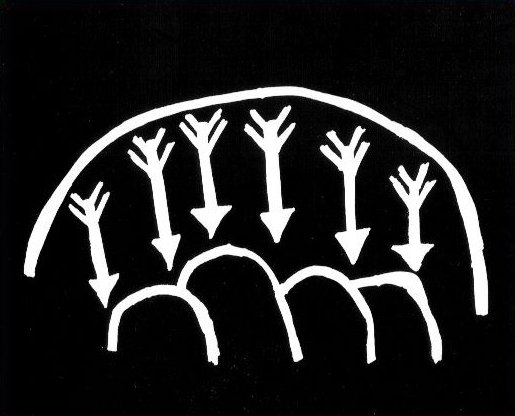 How was your interest in “Krokodil” and its devastating (side-)effects aroused?
A piece was commissioned for the film “Krokodil Tears”, which dealt specifically with this, I was very moved by the shocking images of those suffering from the devastating side-effects of the drug juxtaposed with the enormous panoramic beauty of the Siberian wilderness.
The first track contains material that was originally used for your installation at Tate Modern. The lyrics played an increasingly important role in the last couple of Whitehouse-releases whereas Cut Hands is primarily instrumental. What is for you the relationship between sound and word(s) in general and in Cut Hands in particular?
Yes, there’ll be more of these extralinguistic sequencing tracks. At its heart, I guess my expertise is really as a dirty words specialist and just as there is less noise in the music, there are also fewer words: This was one of the reasons for incorporating special texts for each song on “Black Mamba” in the accompanying booklet, it’s still really important.
How did it feel to be part of the art world with ”Extralinguistic Sequencing“ – at least temporarily?
Actually, without its ever being a deliberate strategy, I do so much all over the place within the mainstream artworld now, it almost seems like a familiar home.
 I remember that when you played in Cologne at least a couple of people seemed to be irritated and agitated by the film that was shown in the background. Have you experienced people accusing you (there or somewhere else) of using such images just for the sake of cheap thrills or that this is an exploitation of indigenous culture(s) by somebody from the west (I’m asking because I also remember a letter in the Wire about a similar topic)?
The thing is these aren’t mondo films! The images are either from Jean Rouch in the Congo or Maya Deren’s “The Divine Horsemen” of vaudou rituals and carnivals in Haiti; these kinds of reactions aren’t uncommon and I’m happy that they’re occurring because anybody that feels like that upon watching people celebrating and having an important meaningful time should take a cold hard look into their own conscience and wonder what the real cause of their agitation is. It’s not exploitation, it’s an important part of my inspiration to which I’m paying homage and which are also of great beauty.
Same comments apply to The Wire’s editor who, with seemingly no trace of irony in his unseemly haste to take a gratuitous potshot at me, managed to simultaneously justify naked piracy of original African music to Western audiences – just because you use the term ‘ethnographic’ music, doesn’t make the expropriation any less culpable.
As far as I know, you haven’t visited Africa so far. Do you think that the geographical distance and the lack of direct experience is a main source of creativity? I mean, it requires a stronger stimulation of fancy…
Yes, that’s right. Creativity comes from the imagination, stimulation is good to stoke its flames – and yet even in an empty windowless room, it would be and is capable of amazing things.
 Do you plan to go there one day, and if yes, which places and things would you love to see?
The sunsets, the wildlife, the sounds of life, the smells, surely it must all be incredible. it’s a dream, I hope that will be realized one day.
What do you think are the most valuable things that anyone can learn and adapt from African music and aesthetics?
The best book I ever read on the subject is the wonderful ‘African Rhythm And African Sensibility’; one of the chapters is essentially a philosophical monologue by master drummer Alhaji Ibrahim Abdulai; even to begin to come to terms with African music, one has to give up so many fixed preconceived notions about our music and what it represents and does for us – that process in itself is transformational, and hugely rewarding.
I guess that from a European or Western perspective, no continent is so much tied to stereotypes as Africa is. The cliché of warlords and hut barracks contrasts the cliché of archaic masks and pittoresque landscapes. Whilst some people complain about the absence of skyscrapers over there and want to help the people due to our own standards, others stress the vast difference between our cultures and their ones. I often think that we tend to forget to ask the Africans first, how they see themselves. How do you think about this?
 Totally agree with you. I have no issue with the romanticisation, that’s natural and happens everywhere, how people around the world feel about London, New York, Paris, Berlin, Bangkok, Tokyo are all essentially heavily romanticised images, for better or worse; where Africa suffers is from European maternalistic condescension, guilt complexes, patronizing saviourism, capitalist aggression, evangelizing, and so on – it’s as if it was not enough to be punished once by colonialism.
You’ve said in an earlier interview, that you are not really interested in religious belief systems, I think chiefly because of the group aspects. Would you say, that your music with Cut Hands has or can have something like a spiritual dimension for the listener/dancer nontheless?
I hesitate to use the word ‘spiritual’ because it’s so commonly associated with the language of religion; however, the experiences often elicited by religion and other social phenomena are natural and could be experienced through music for example. Elements of this are alluded to in the aforementioned book, and indeed in Maya Deren’s accompanying “Divine Horsemen” book, she experiences this first hand in Haiti – Keith Johnston explores this in his drama experiments with masks in “Improv”.
When you include elements from cults like Voudou, Santeria etc. into Cut Hands, do you keep an awareness for the world view behind this, or do you regard your musical reference more as a decontextualisation of ”occult“ sounds?
 What many people fail to understand is how open Voudou and Santeria are, especially compared to the default religious monoliths – they encourage new participation and free artistic expression within their traditions, they are friendly; embracing these traditions is participating is celebrating, it’s all the same thing. Just as you can’t laugh or kiss someone or talk aloud in a church, we are so used to walking on tiptoes around ‘religion’ so as not to offend, it’s easy to forget that in other syncretised traditions, things just aren’t the same.
The DJ Benetti sets are still part of your event schedule.. At the heyday of Italo Disco you were very much involved in the noise music scene, so how and when did you discover this sort of music and what makes it so outstanding for you?
Funnily enough, and it’s because I’m old enough, it was right at the same time it happened; I moved to live in Barcelona in 1984/85 and became addicted to it there, where you’d hear Italo all the time in clubs and on the radio! Probably more even than if you lived in Italy.
You once said, that a main problem of contemporary music is its tendency to conformity and its slavish obedience to rules. Are there still exceptions, some contemporary music that you follow with interest?
As much new music as I can with interest and, despite my comments, there’s actually hell of a lot of great stuff going on nowadays; by the overwhelming volume of choice that we now have access to, I’ve learnt that you just have to curate your musical environment a bit better and work a little bit harder to find things; the rewards make that worthwhile.
To end on a lighter note…You’ve just collected all “Uncle William” episodes. Do you think you may write new ones?
The world’s probably had more than enough Uncle William already…
(M.G. & U.S.)
Zeichnungen: Mimsy DeBlois, Konzertfoto: Jimmy Mould
CUT HANDS: Black Mamba
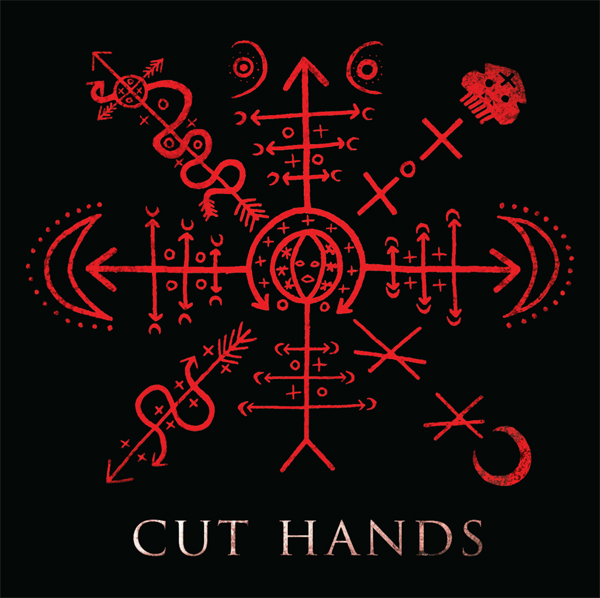 Als William Bennett erstmals die Bezeichnung „Afro Noise“ ins Spiel brachte, hatte er wahrscheinlich nicht die Absicht, ein neues Genre ins Leben zu rufen, und doch war der Begriff von Beginn an mehr als bloß ein Titel. Afro Noise sollte eine Musik bezeichnen, die Bennett mit seinem Whitehouse-Nachfolgeprojekt Cut Hands vielleicht nicht ohne Vorläufer aus der Taufe gehoben hat, die jedoch in den beiden Bereichen, die dabei schnittmengenartig zusammenkamen, keineswegs zum Tagesgeschehen gehört. Die Überblendung ist einfach zu beschreiben, ging es doch darum Weiterlesen
CUT HANDS: Afro Noise I
 Spätestens als 1997 auf Susan Lawly „Extreme Music from Africa“ erschien, wurde klar, dass William Bennett sich für den dunklen Kontinent interessierte, ein Interesse, das sich allerdings erst 2003 auf dem WHITEHOUSE-Album „Bird Seed“ musikalisch manifestieren sollte (es sei denn, man folgt denen, die behaupten, die auf oben genannter Compilation vertretetenen Projekte wie ROROGWETA oder THE MBUTI SINGERS seien alles Pseudonyme von Bennett selbst gewesen, was beim erneuten Hören des Albums in unmittelbarer Nähe zu CUT HANDS nicht ganz so abwegig erscheint). Weiterlesen
WILLIAM BENNETT (WHITEHOUSE) – Interview
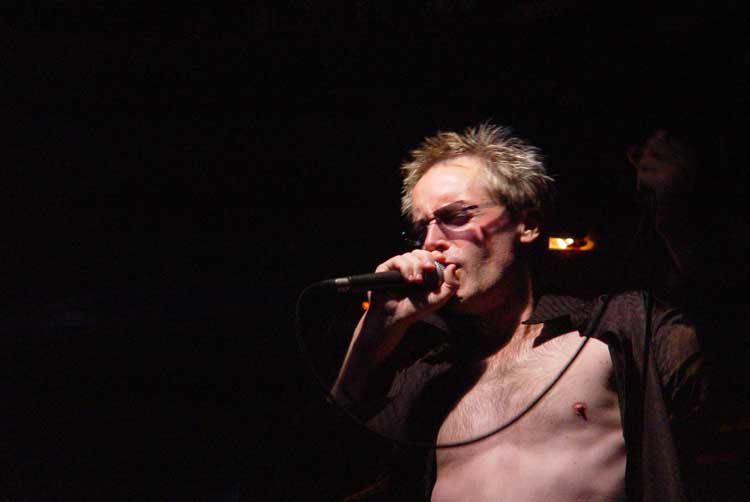 William Bennett hat mit WHITEHOUSE in den vergangenen drei Jahrzehnten extrem(st)e elektronische Musik gemacht und damit ein Genre mitgeschaffen, dessen enge Grenzen WHITEHOUSE allerdings bereits lange gesprengt haben. Schon seit längerem sind die analogen den digitalen Geräten gewichen, sind die Texte (spätestens seit “Cruise”) – auch Bennetts Interesse an NLP geschuldet –komplexer geworden; Weiterlesen