
Runes Order und Regen Graves veröffentlichen dieser Tage ihr gemeinsames Album “Escape.”, das bei Dark Vinyl auf CD und digital erscheint. Claudio Dondos langjähriges Ambient-Projekt verbindet darauf seine charakteristischen, tiefen Klanglandschaften mit Einflüssen der Berliner Schule sowie den düsteren Soundtracks von Horror- und Thrillklassikern, das Label nennt John Carpenter als Beispiel.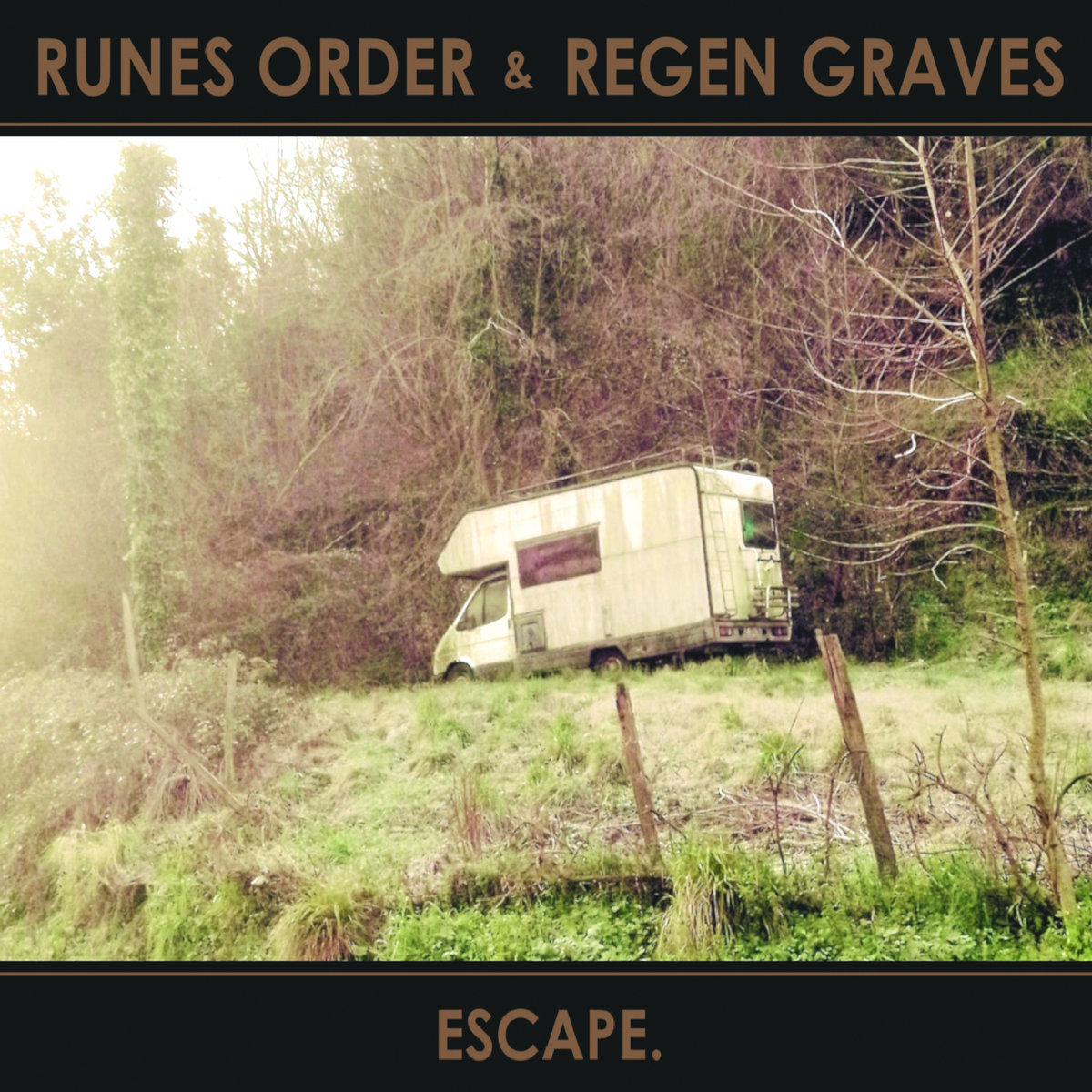 Weiterlesen
Schlagwort-Archive: Dark Vinyl
A Dark Beauty: Neue CD von Chiron
Chiron melden sich am 17. Juli mit ihrem neuen Album “A Dark Beauty” zurück, das bei Dark Vinyl auf CD und digital erscheint. Die australische Formation um den ehemaligen Ikon-Sänger Michael Aliani verbindet erneut Wave, Post-Punk und dunklen Rock mit progressiven Einflüssen. Weiterlesen
Godwin Point mit neuem Album auf Dark Vinyl
Dark Vinyl veröffentlicht das Album “DV112″ von Godwin Point, dem Dark Ambient-Partnerprojekt von Dawn+Dusk Entwined, auf CD. Das Album orientiert sich stark am Roman “Less Than Zero” von Brett Easton Ellis und Weiterlesen
Here & Now: Neue CD von Palais Ideal
In den nächsten Tagen bringen Dark Vinyl das neue Album der aus John Edwards (Gesang, Gitarre, Synths) und dem u.a. auch von Phallus Dei und als Cut Worms bekannten Richard van Kruysdijk (Bass, Schlagzeug, Synths, Backing Vocals) bestehenden Combo Palais Ideal heraus. “Here & Now” bündelt Einflüsse des 80er-Post-Punk und New Wave zu einem eigenen, ebenso eingängigen wie markanten Stil. Weiterlesen
FRITZ AND TONY: The Party’s Over
 Es gibt Songs, die textlich v.a. durch ihre poetische Gestaltung ihre größte Wirkung entfalten, andere wieder – und das muss sich beides freilich keineswegs ausschließen – lassen auf kleinem Raum Geschichten entstehen, die wie Ausschnitte einer längeren Erzählung wirken und so noch lange nachhallen. In den kleinen angedeuteten Szenerien, die Fritz und Tony auf ihrem ersten gemeinsamen Longplayer Weiterlesen
The New Young Kings Of Midnight: Gemeinsames Album von Gitane Demone und Paul Roessler
Gitane Demone (Pompeji 99, Christian Death) und Paul Roessler (45Grave), die schon auf verschiedenen gemeinsamen Projekten vertreten waren, bringen Mitte des Monats eine neue Kollaboration heraus. Das Album “The New Young Kings Of Midnight” ist eine klassisch-orchestral ausgerichtete Hommage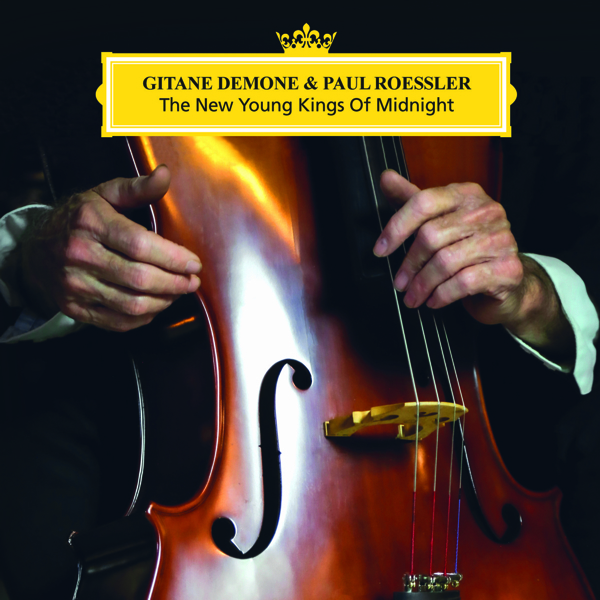 Weiterlesen
INANIS YOAKE: How Things Seem
 Genau genommen ist Inanis Yoake ein Duo und besteht aus den beiden Gründern Simone Skeleton und Risa Hara. Die beiden gründeten die Band vor zwei Jahren in London und brachten kurze Zeit später ein Debüt heraus, auf dessen Sound irgendwo zwischen Post Punk-Nostalgie und der Feierlichkeit eines szenetauglichen Dark Folk nicht komplett, aber zum Teil auf die Mitwirkung renommierter Gäste wie Weiterlesen
When I Die Burn Me In The Clothes Of My Youth: Neues von Dawn & Dusk Entwined
Dark Vinyl bringen in einigen Tagen ein neues Album des französischen Projektes Dawn & Dusk Entwined heraus. Das Projekt des Sängers und Instrumentalisten David Sabre, der zuletzt vermehrt mit seinem Industrial- und Ambient-Projekt Godwin Point aktiv war und vor ziemlich genau einem Jahr dessen zweites Album herausbrachte, entstand Ende der 90er und brachte nach zwei Tape-Releases 1999 sein CD-Debüt “A Leftover of Gaia” bei World Serpent, die hier als Label und nicht nur als Vertrieb fungierten, heraus. Das war zu einer Zeit, als der auch die Musik von Dawn & Dusk Entwined prägende 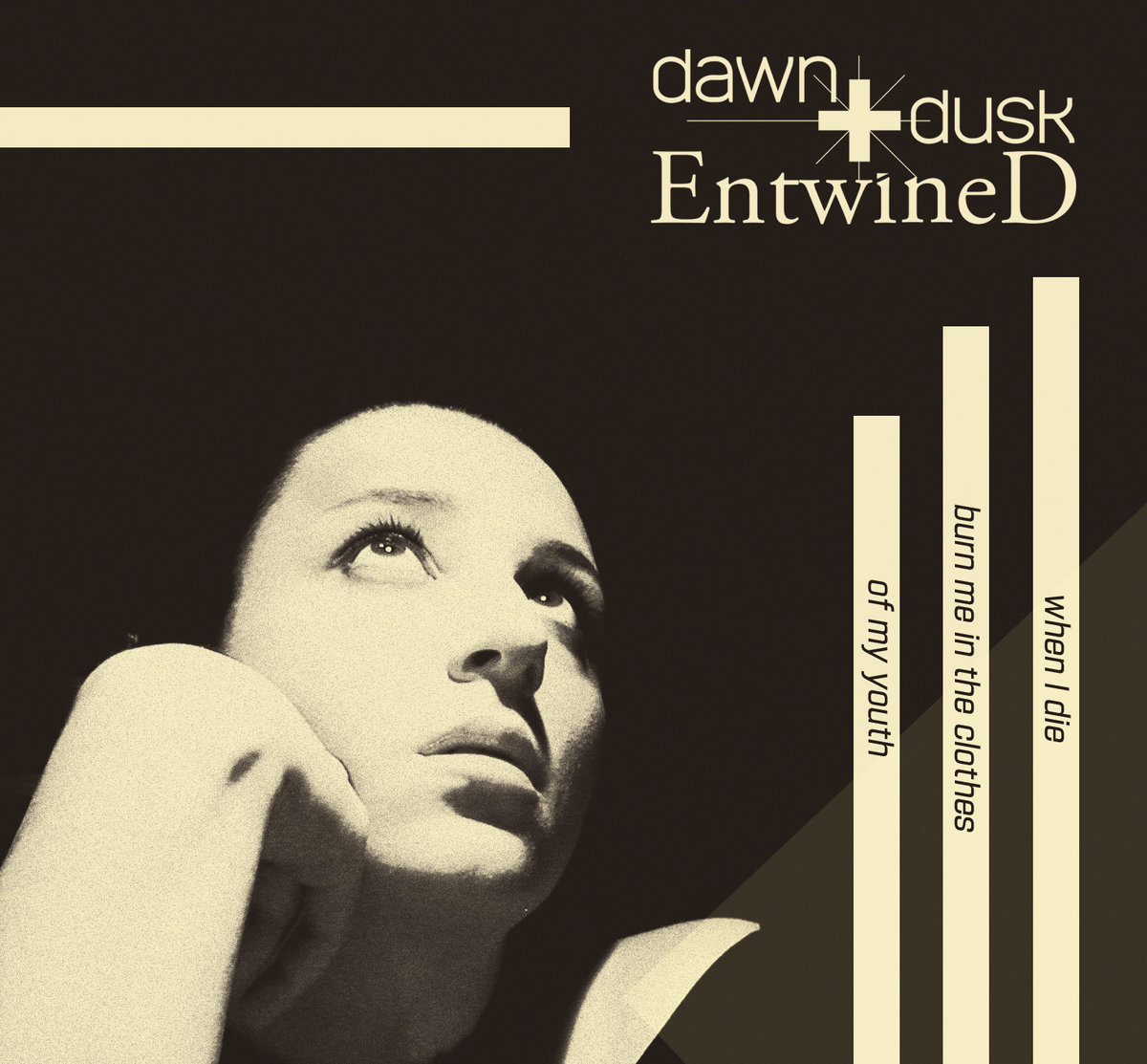 Weiterlesen
ASMUS TIETCHENS: Bleiche Brunnen
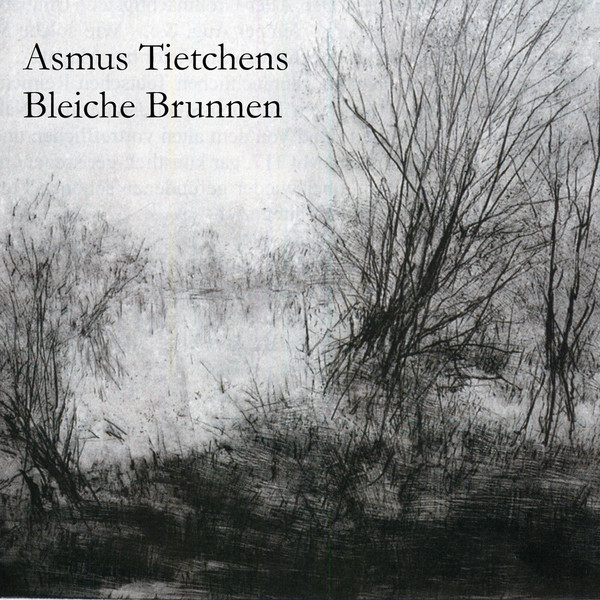 Das Album mit dem alliterierenden Titel ist das dritte (repsektive vierte, wenn man die Zusammenarbeit mit Arcane Device dazunimmt) Album des Hamburgers auf dem Dark Vinyl Sublabel Stille Andacht. Tietchens’ Veröffentlichungen der letzten Jahre sind von einer zunehmenden Abstraktion gekennzeichnet, von einer Reduktion, einem Minimalismus, ungefähr beginnend mit dem 2000 auf Ritornell erschienenen ersten Teil der Mengenserie. Weiterlesen
CONTROLLED BLEEDING: Headcrack
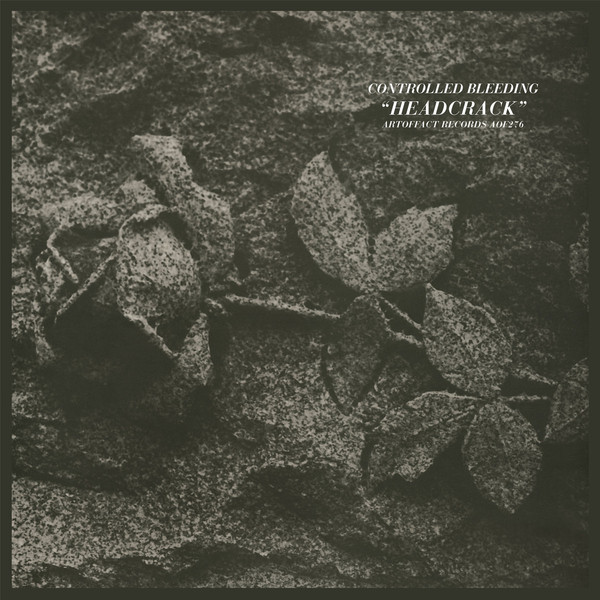 Ich habe an anderer Stelle einen kurzen Abriss über die musikalische Entwicklung Controlled Bleedings gegeben, deswegen hier nur ein paar kurze Anmerkungen zur Kontextualisierung von „Headcrack“, dem ursprünglich 1986 auf Nigel Ayers‘ Sterile Records veröffentlichten Album. Nachdem sich die Ende der 70er gegründete Ursprungsformation, die eine eigenartige Form von Progressive Rock spielte, aufgelöst hatte, gründete Paul Lemos die Band 1983 neu Weiterlesen
HUNTING LODGE: 1982 – 1989
 Lon C. Diehl und Richard Skott, die 1981 die Band Hunting Lodge gründeten, haben besseres verdient, als in die Annalen des Post-Industrial als One Hit-Wonder einzugehen. Freilich, kein Kenner der Materie würde sie so nennen, aber unter denen, die lärmige Musik primär über die schwarzen Clubs kennen gelernt haben, verbinden einige die beiden Amerikaner überwiegend mit ihrem perkussiven Kracher “Tribal Warning Shot”, der, ich geben es zu, zurecht legendär ist. Weiterlesen
PHALLUS DEI: Black Dawn
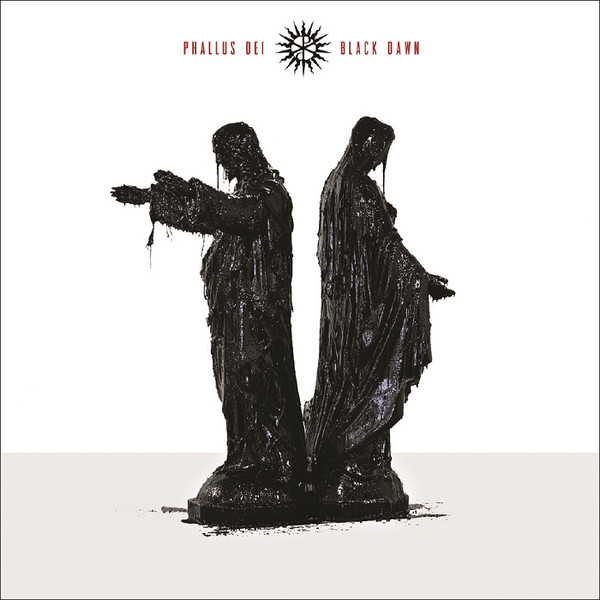 Ein in dichte, undurchdringliche Dunkelheit gehülltes Szenario, in welchem sich nur schemenhaft kleine Details zu erkennen geben. Erst mit der Zeit scheint sich das Dunkel etwas zu lichten, nach und nach geben sich immer mehr Gegenstände zu erkennen, die langsam aber merklich in Bewegung geraten. Und doch bleibt all dies so rätselhaft und unklar wie zuvor, und ganz auflösen wird sich das Dunkel ohnehin nicht. Was bleibt ist der Eidruck einer diffusen Bedrohung. So in etwa könnte man sich eine schwarze Morgendämmerung oder ein schwarzes Erwachen vorstellen. Phallus Weiterlesen
Das Opium der Schönheit. Interview mit Demian von Ô Paradis
 Es gibt Attribute, mit denen man sparsam umgehen sollte, wenn man über Musik spricht, und eines davon ist sicher das Wort einzigartig. Man sollte aber nicht allzu erschrocken sein, wenn es einem im Bezug auf Ô Paradis ab und an herausrutscht, denn für einen solchen Fauxpas gäbe es Anlässe genung: Die Kunst, mit gesampleten Sounds originelle Kollagen zu zaubern, die gekrönt mit einer Weiterlesen
The Opium of Beauty. An Interview with Demian of Ô Paradis
As there are only a few interviews with you in German, I would start with something common. What can you tell us about your first creative endeavors as a musician? Did you play in bands before Ô Paradis?
Yes, I was playing with Perdita Durango, a project which was kind of a post-punk duo, with Dusminguet, a band of Tex-Mex style and with Los Sencillos, a quite famous Spanish pop band. Ô Paradis didn’t come after, but during all these approaches, yet at some point I decided I just needed Ô Paradis. My one and only project where I don’t need to answer to anyone.
What was your impulse to form Ô Paradis, and what do you regard as new, compared to the things you did before?
Ô Paradis is what I tried to find in other music but rarely found. A naked, sincere idea. Like Japanese minimalism, but mixed with English folk and Latin heart. I always thought that if you are honest with your art, then you’l be unique, because everybody is just different.
Which are the things that inspire you or give you ideas for creating new music? Do you get your ideas while playing? Or do you rather tend to start with the concepts or subjects you sing about?
 I believe that everything happens at the same time. You realize that everything you read, the movies you watch, what your friends share with you, everything is gestating an image in your mind, a picture of the world. It doesn’t matter if its about love or death, about angels or devils, this image has a concrete color. All this turns into what one believes, and it changes constantly, cause it obeys time, which erodes any idea like the water does to the stones. The very moment is expressed through someone when a person hears the wind or watch the waves come, but it is the waves that come to you, and not the other way around.
Your lyrics and imagery are full of religious or spiritual motifs from various sources. Do you see this as an integral part of Ô Paradis? What role do spiritual or esoteric subjects play in your personal quest?
I believe that spiritual experience is born of understanding, therefore only from empathy that leads to love can comel flashes of spirituality. Love for another person is just a human replica of love for the whole. God is love, and all religions in their most sublime philosophy accept this, so I like to peck them all. For me, the most primitive aspect of religion is ritual. Of course, my music is full of all these thoughts. On the other hand I also consider myself a person in conflict with this/his life, so its also the shadows that inspire me, the shadows we project, when we’re exposed to this light.
You just have released a new album named “Llega el Amor, Asoma la Muerte”. What can you tell us about its background and development? Which particular elements does it show compared to previous works?
I think it’s a very free album, that drinks so much of my personal as well as my musical experiences. We can find pop, Latin, folk, experimental, wave … the funny thing is that I started flirting with the Spanish guitar, and this has given a more uniform sound to the work. As to the concept, all stories end from the point of view in which we believe that we walk through time and space, so when love comes, death always hovers.
In the past I had the impression that Ô Paradis is mainly your project with changing contributors. Is this still the case or is there a band structure nowadays?
You are right, from the beginning I worked alone in Ô Paradis, and this remains until today. When I need instruments that I can’t play, I call collaborators. In any case I have been enriched harmonies and melodies to enjoy a more complete work.
Can you introduce the people who joined you in creating the new album?
On the new album I had the honor of having Aloma Ruiz Boada on the violin, who had joined Current 93 in some concerts, and J. voice in a song, I love his vocal art and the way he understands music. Its a pleasure to work with people you like or you love.
I don’t speak your language, but as far as I get some meaning, the new album deals with the connections between love and death, you have already mentioned this subject. As far as there is a (clear or vague) concept, what is the main idea behind it?
In many cultures, youth implies a sense of immortality. In my case, an intuition of infinity is added. In earlier years, I really perceived the world as a shifting mass of vibrating energy, which brings us to experiences the same vibration, and moves us away from what we were leaving behind. Later on I lost this “faith” in the order behind the chaos. This was a chemical change in my brain, I guess, subject to fulfilling past years go, and awareness that the only thing that changes is our aging, and that death will visit us more often every time. At the same time I developed a more refined understanding of what it means to love. All this led me to record an album whose title is “Comes love, pokes death.” We have become humans again and only we become aware of the limitations of mortality.
The context of love and death fascinated humans for ages, be it literary motifs like “love-death” or an idiom like “the little death” for the sexual climax. What fascinates you in this connection? How do you think do they belong together in the tragic existence of man?
When we have an orgasm, it is one of the few times that we lose consciousness, I personally think this is a lovely thing added to the act, a magical experience. I do not think existence is tragic, cause existence is everything, but what is obvious is our mission that is not to be happy from immediate pleasures. If we think just in the moment, we will die very often, after every orgasm as you mention for example. Although we know that death will come, I think we should set aside this thought of our vital project.
A song like “El Opio de tu Belleza” sounds quite uplifting in my ears, yet I’m sure the lyrics are rather sincere. How would you describe the “opiate” element in beauty itself?
I will try to translate a part the song to you:
The opium of your beauty filled the fog of the streets of reason.
I abandom my nature by a smile that you sell to the heart.
I trade with my life for a night without thorns.
Death follows me closely with curiosity, and her daughter, the truth, pulls her sleeve.
On the ground walks pleasure, the floor is what the wind came to sweep …
 Which symbolic or geographic east is it that you evoke in “Por el Este”?
My wife is Ukrainian, and as we spoke to each other from the distance, each of us in our own country, of course we tried the conflict with Russia. To me it was sad that the eastern wind just brought fire this time. This inspired the song.
The album has a strong focus on acoustic guitars compared to most of your previous works. Is this a direction where you will go more often in the future?
I have no idea about my future and the future of Ô Paradis. Usually, whenever I record an album, there is a predominant instrument or a specific will. Change motivates me a lot, maybe that’s why the band has far fewer followers now, I think people need to know where things will go, so they can label them.
Still, sampled and treated sounds are sort of a trademark of Ô Paradis. Where do you normally find your sounds and in which way do you (technically) work with them? Are you more an improvisor or a composer?
With the sounds I play like a kid, and I’ve taken noises at the most unlikely places. The composition is a more laborious task, not always great fun, because it imposes to make sense to the game, but its necessary if you want to feel more satisfied when the work is finished. Between comfortable and hard I choose both, to enjoy when working, but also to hear the final result and give it almost over. I guess at first were more improvisational and now we’re more compositional. It is difficult to find the balance between cool and sophisticated, between emotional and content.
In contrast to many other “experimental” musicians your sound collages are never difficult to listen too, but integrated in often poplike song structures. Sometimes the various sound material is almost hidden beneath the beauty of the music. What is the appeal for you to create lovely melodies and harmonies not only by keyboard or the usual rock instruments?
You can say I try to create a good composition without using conventional means. It’s easy to get lost in the production and create a good atmosphere, which is completely legitimate, but I’m more focused on what’s behind or in front it, and this might be a pop or folk song.
Is it ok for you if one attests your music an “alchemical” quality for this?
 I do not think my music has that transformative quality, but this depends on the listener. If someone records a song, and it touches the strings of the soul of another person, then it can perhaps stir the sensitivity of the person and open new ways for him or her to perceive. In any case, a real transformation should be for the rest of a life, but if lasts as long as a song, it is also nice.
How big is the local or regional aspect in your music? I ask this because German listeners often call you the Iberian, Spanish, Catalan musician…
I do not identify with the people around me. Neither the Spanish nor the Catalans, nor with Europeans. Of course culturally, and more specifically in music, I have roots in Spanish pop, English folk, German and Japanese electronics, African rhythms, rock and American country, South American melancholy, the landscapes of Catalonia … in short, I think I drink from any source, but I try to do it in hours when no one else is doing it.
Seems you like collaborations a lot, and when I quote Escama Serrada, Thomas Nöla, Nový Svět or Val Denham, they are just a small number of musicians you have worked with over the years. What makes a collaboration a good one, and is there on project or album that you regard a a special milestone?
To collaborate is beautiful, to tell the truth. In my case, almost any the experiences I’ve had in recording with others have enriched me enormously. The most intense collaboration was with Nový Svět, because I feel a special connection with J. I Also enjoyed working with Val Denham, with whom I recorded a great album, as I think. To work with Escama Serrada I also consider as the result of a great friendship, and Thomas Nöla is a person I admire unconditionally.
I’m sure you are working on new stuff again. What’s on your plan for the next months?
I would like to take a break from Ô Paradis. My life has undergone many changes since the last recording, as if someone had moved a Christmas ball, those that have a snowy landscape. I’ll let the false snow rest again over the plastic figurines and see how the scene will look like. While this happens, I would like to release an album with the forty best songs from Ô Paradis, in my criteria, and launch a compilation dedicated to the people who were there.
Thank you very much for the interview!
Thanks to you my friend!
Ô PARADIS: Llega el Amor, Asoma la Muerte
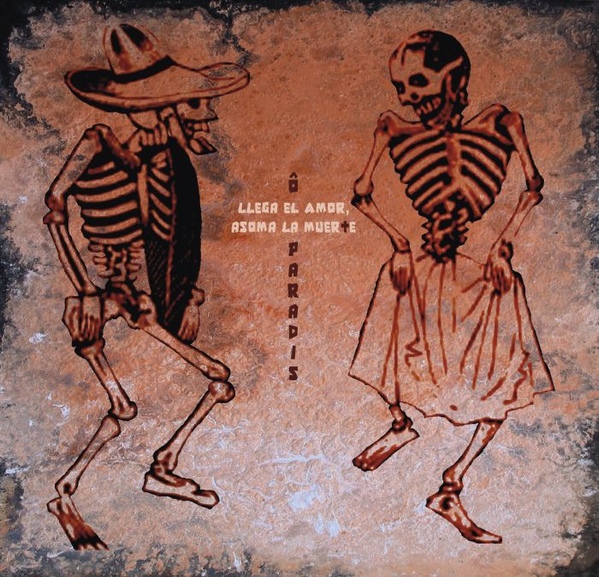 Jahr für Jahr nimmt Demian mit seinem Projekt Ô Paradis neue Alben auf und verfeinert seine so schwer zu charakterisierende Musik, betont mal die poppig beschwingten, mal die erdig folkigen, mal die verspielt elektronischen Seiten seines Stils und kommt doch immer wieder zurück ins Zentrum seines eigenen Kosmos. In der Frequenz seiner Veröffentlichungen, bei der man mit der Zeit schon mal den Überblick verlieren kann, kommt nie der Eindruck des Maschinellen auf. Warum das so ist, lässt sich nicht allein Weiterlesen
SUBLIMINAL: Look At the Creation
 SUBLIMINAL hatten auf ihrem zweiten Album “Coping“ eine (sich auf ihren Beiträgen zu der Galakthorrö-Compilation “Kosmolokko“ schon andeutende) aggressivere Richtung eingeschlagen, dazu trugen auch der stärkere Einsatz von verzerrten Vocals (statt der Sprachsamples auf dem Debüt) bei. Die 4-Track EP knüpft daran an und das die 7’ eröffnende “Your Reaction“ macht deutlich, dass hier die Angst über den Pop dominiert. Weiterlesen