
 “Wir sind die, die vorsichtig an eure Tür klopfen, und wir grüßen euch freundlich” – sagt eine klare Frauenstimme gleich zu Beginn des vor einigen Wochen unter dem Titel “Unterhaltungen mit Larven und Überresten” erschienen Albums von Läuten der Seele, und schon ist man mittendrin in diesem seltsamen Raum zwischen Ankunft und Abschied, zwischen Larven, die sich regen, und Überresten, die Weiterlesen
Schlagwort-Archive: Nový Svet
Zwei neue Veröffentlichungen auf Quirlschlängle
Das kleine Label Quirlschlängle, das Christian Schoppik und Katie Rich von Brannten Schnüre betreiben, hat jüngst zwei hochkarätige Alben herausgebracht: Da ist einmal die Splitveröffentlichung von Militia Aurora & Jota Solo, die den Titel „Lebensglut“ trägt. Beide Musiker vertonen auf dem Album Texte von Trakl, George, Julius Sturm und Karl Wolfskehl. Der zweite Tonträger ist von Brannten Schnüre und trägt den letztlich in mehrerlei Hinsicht passenden Titel „Landschaft aus Tränen”, ist er doch sowohl der Abschluss einer mit „Erinnerungen an Gesichter“ begonnenen und „Das Glück vermeiden“ fortgesetzten Trilogie als auch das Ende der Arbeit der beiden unter diesem Bandnamen. Weiterlesen
NOVÝ SVĚT: DeGenerazione
 Wir haben schon oft auf diesen Seiten angesprochen, welch reiches Füllhorn verschiedenster Musiken das aus Jürgen Weber und Frl. Tost bestehende (und am 5.5.22 wohl endgültig aufgelöste) Duo über dem Hörer ausschüttet(e). Nový Svět bedienten sich all die Jahre an so vielen Genres, dass man wohl eher fragen müsste, was bisher noch nicht von ihnen berührt wurde.
JOTA SOLO: Nessuno
 Letztes Jahr erschien das bisher unveröffentlichte Album Nový Světs “Desde Infiernos De Flores”, wurde nach vielen Jahren dem Limbus glücklicherweise entrissen. Das war ein Album der Zurückhaltung und Reduktion. Zwar wurden Nový Svět in ihrer Anfangsphase aufgrund ihres Labels primär in der (Post-)Industrial- und Neofolkszene rezipiert, aber das war von Anfang an nur sehr bedingt passend, zu sehr sprengte die Musik, vielleicht sollte man sogar eher von Musiken sprechen, von Jürgen Weber und Frl. Tost (Genre-)Grenzen – musikalisch wie thematisch. Weiterlesen
MUSHROOM’S PATIENCE: Water
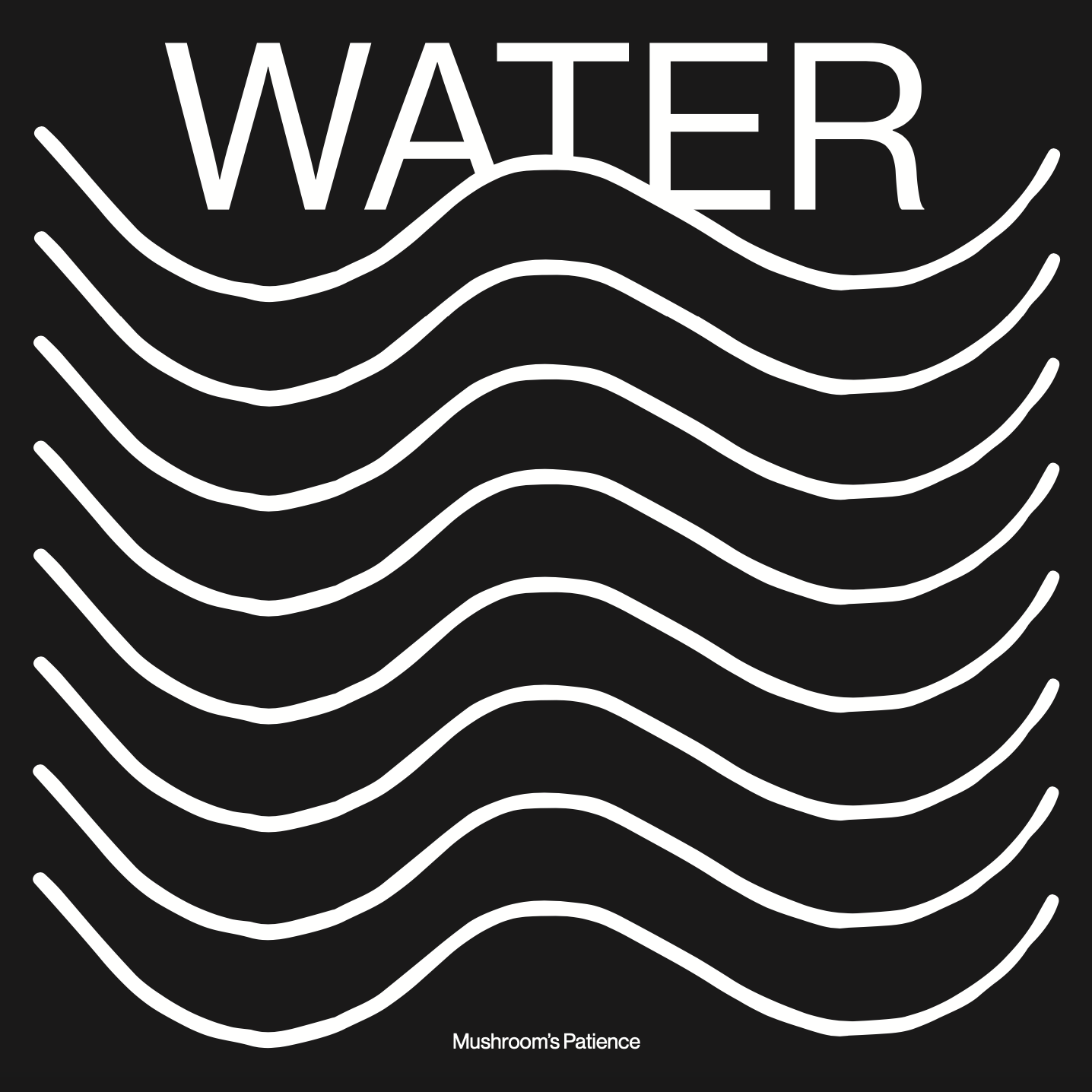 Über die personell fluide italienische Avantgardeband Mushroom’s Patience – ich sagte das schon einmal – könnte man ein ganzes Buch schreiben, ein ausgesprochen dickes sogar, wenn man zwischen die Kapitel zu den verschiedenen Werkphasen von den frühen 80ern bis heute, in denen sich der musikalische Stil immer wieder neu ausrichtete, noch die anderen Projekte von Mastermind Raffaele Cerroni wie Microloop und Bluphonic abhandeln würde. Weiterlesen
NOVÝ SVÊT: Desde Infiernos De Flores (Redux)
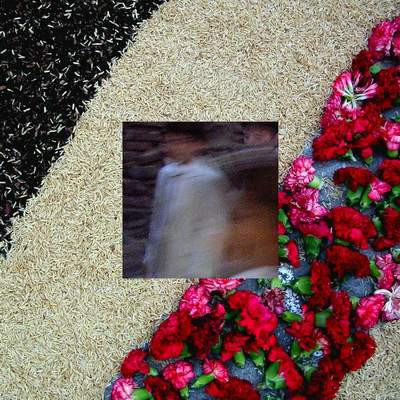 Unter all den Gruppen, die irgendwie dem weiteren Umfeld des Postindustrials entsprungen sind, nimmt/nahm das aus Jürgen Weber und Frl. Tost bestehende österreichische Duo Nový Svět eine Sonder- und Ausnahmestellung ein: Zu sehr überschritt man enge Genregrenzen, zu sehr bediente man sich aus einer schier unüberschaubaren Menge verschiedenster Musiken, um daraus für jede Veröffentlichung eine ganz eigene wie eigenwillige Mischung zu erschaffen – Weiterlesen
Ô PARADIS: Liquido
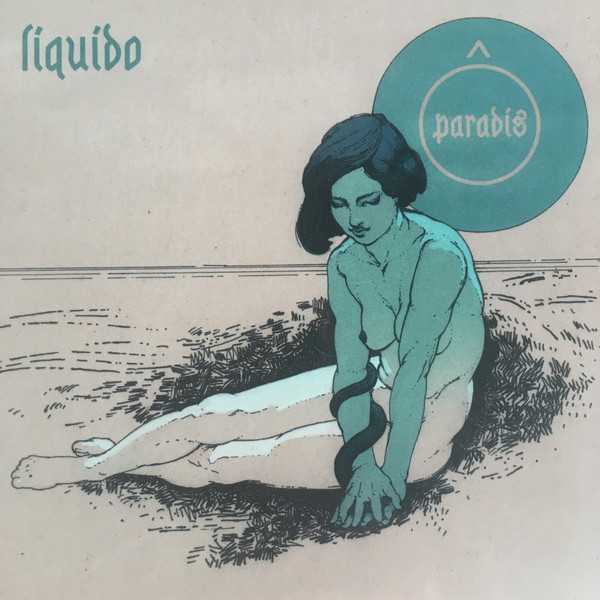 Es gibt im Werk von Ô Paradis einen Charakterzug, der meinem Eindruck nach in den letzten Jahren immer deutlicher wurde, nämlich die Tendenz, so etwas wie Schönheit, Opulenz, Wohlklang etc. nicht nur als etwas Fragiles zu zeichnen, sondern in einer fast chaotischen und gelegentlich spröden Unaufgeräumtheit – als eine staubige Schatz- und Rumpelkammer an Klängen, der gerade noch so viel Weiterlesen
It’s hard and tender at the same time. Interview mit Comando Suzie
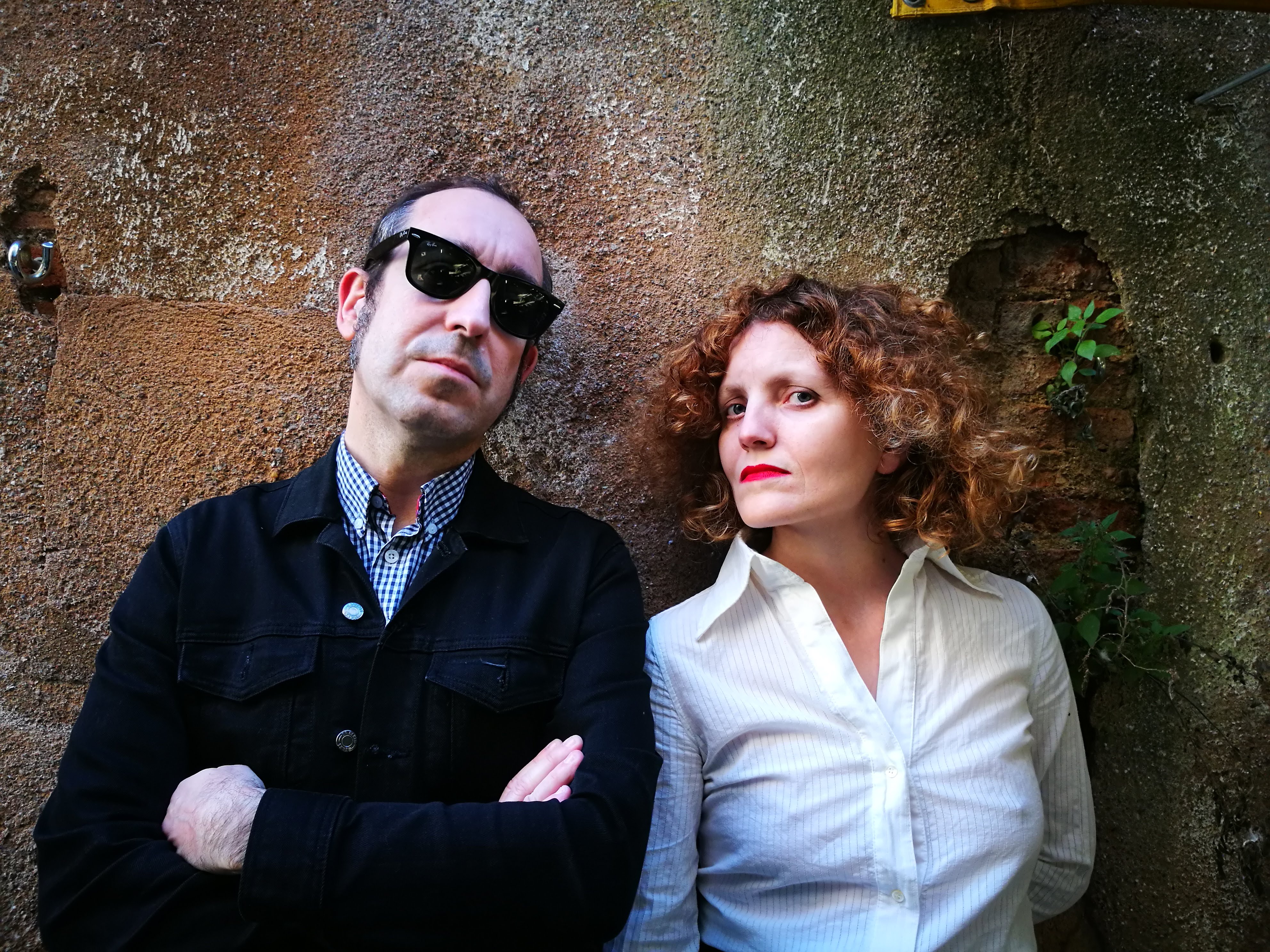 Als Raúl López vor rund fünfzehn Jahren sein Projekt Comando Suzie aus der Taufe hob, ahnte er wahrscheinlich kaum, dass er einem musikalischen Retrotrend zuvor kam, denn zur Mitte der Nullerjahre feierten die hippen Hochglanzmagazine noch einträchtig Postrock und Studentenfolk als die postmoderne Avantgarde der Stunde – erst Jahre später sollte mit Boy Hasher u.v.a. newwavig angehauchter Electropop durch die Postillen geistern, den das Weiterlesen
It’s hard and tender at the same time. Interview with Comando Suzie
When Raúl López launched his project Comando Suzie some fifteen years ago, he probably had no idea that he was anticipating a musical retro trend, because in the mid-90s the hip glossy magazines were still pushing post-rock and student folk as the post-modern avant-garde of the hour. Years later, when Boy Hasher and an array of other new wave influenced pop groups haunted the realm of music, the Catalan project has long since Weiterlesen
Ô PARADIS: Weiter Weg
 Auf musikalische Überraschungen sind die meisten Fans bei Ô Paradis längst gefasst, denn in einem gewissen Rahmen erfindet sich Demians Musik immer wieder neu, gibt sich schwerer oder luftiger, elektronischer oder akustischer, eingängiger oder herausfordernder. Die spanischen Texte im mollastigen Ton und vorgetragen mit warmer Baritonstimme gelten eigentlich als verbindende Konstante – “eigentlich” deshalb, da es bereits ein Album zusammen Weiterlesen
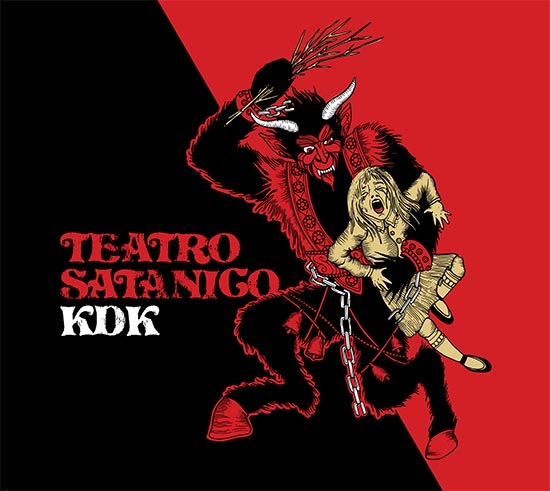
KDK: Doppel-CD-Retrospektive von Teatro Satanico
Die seit 1993 aktiven Italiener von Teatro Satanico veröffentlichen auf Old Europa Café eine Doppel-CD, die eine Art Retrospektive von zwischen 1993 und 2018 entstandenem Material ist. Dabei enthät „KDK“ Unveröffentlichtes, rare Stücke, die ursprünglich auf sehr limitierten Tonträgern erschienen sind und auch Klassiker, wie z.B. „Commandante Bruno“. Die Band selbst spricht weniger von einem „Best Of“-Album als von einer „sonik biographical story“.
COÀGUL / COMANDO SUZIE / ESCAMA SERRADA / Ô PARADIS: La Nueva Guardia
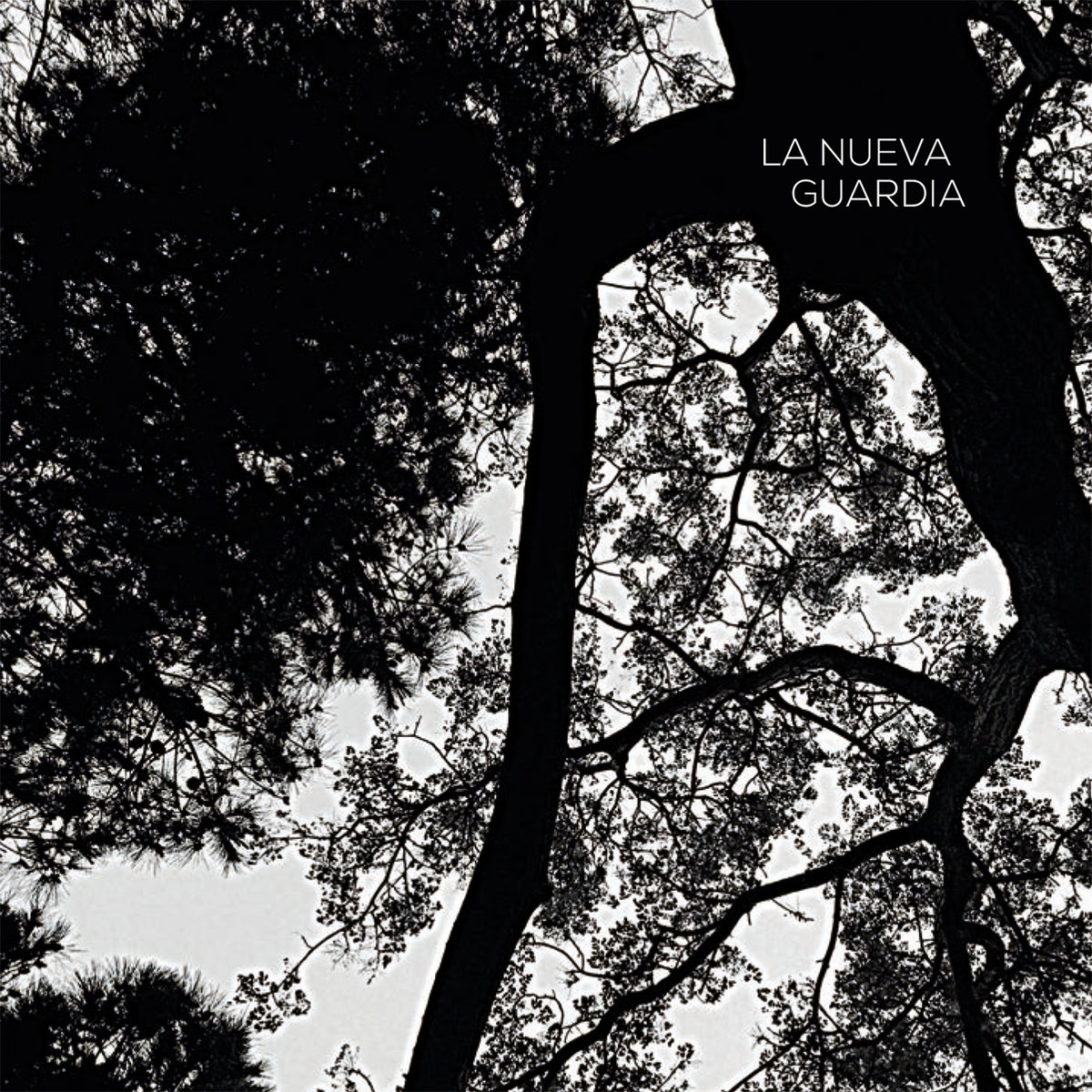 Musikalische Communities, die sich an einem bestimmten Ort, um ein Label oder innerhalb eines Freundeskreises herausbilden, sind eine interessante Sache, v.a. wenn sich bei all den dort entstehenden Erzeugnissen ein roter Faden finden lässt – mehr allerdings noch, wenn dieser Faden nicht in oberflächlichen Merkmalen wie Genrezugehörigkeit oder bestimmten inhaltlichen Schwerpunkten zu finden ist, sondern irgendwie vage und doch spürbar in der Luft liegt. Weiterlesen
My own quest is a transmission of energy. Interview mit Marc O’Callaghan von Coàgul
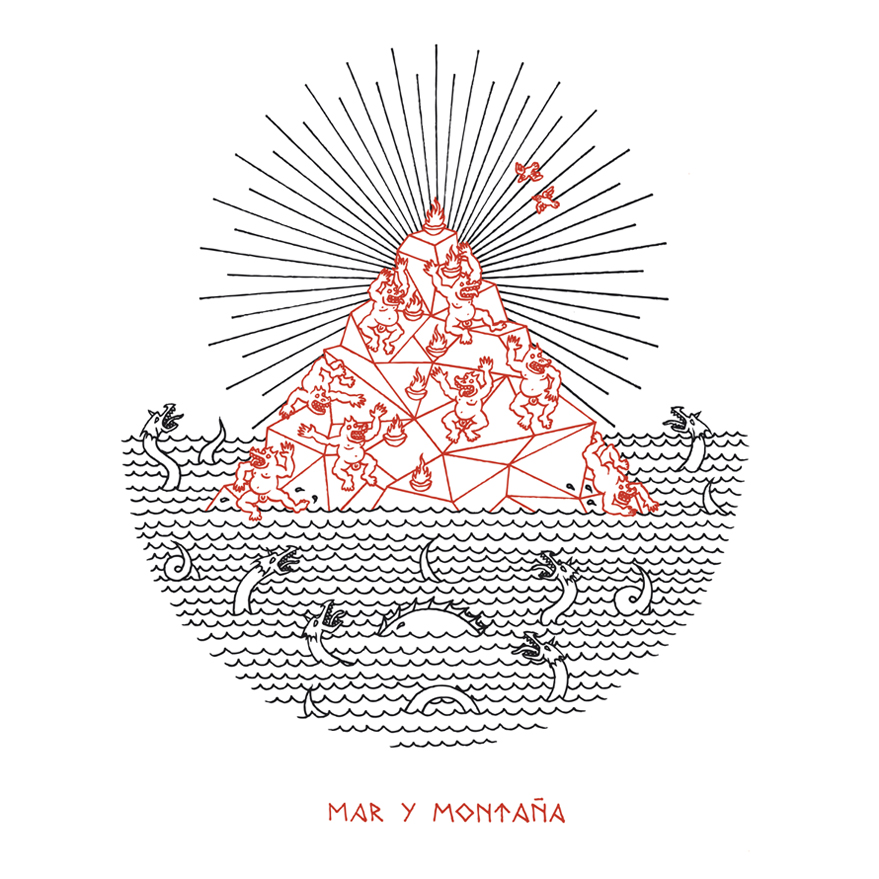 Wahrscheinlich ist es die enorme Energiegeladenheit, die einem als erstes ins Auge springt, wenn man zum ersten mal Marc O’Callaghan bei einer Show seines Projektes Coàgul auf der Bühne sieht. Gleichzeitig entsteht der Eindruck, dass die druckvolle elektronische Musik des Katalanen, die immer wieder – etwas vorschnell? – mit klassischer ritueller Elektronik wie TG oder frühen Coil verglichen wird, ganz spontan entstanden ist – improvisiert, aus der Stimmung heraus oder einer inneren Notwendigkeit folgend entstanden. Das gleiche gilt für die Weiterlesen
My own quest is a transmission of energy. Interview with Marc O’Callaghan of Coàgul
It is probably the enormous energy that first springs to mind when one sees Marc O’Callaghan for the first time at a stage performance of his project Coàgul. At the same time one has the impression that the powerful electronic music of the Barcelona based atist, who repeatedly and maybe a little prematurely has been compared to classic ritual electronica such as TG or early Coil, has arisen spontaneously – arisen out of a certain mood of simply following an inner necessity. The same goes for the performances and the drawings of this enormously active man. In O’Callaghan’s case, all this is not in contradiction to precisely conceived concepts, which show in the strong symbolism shaping the records. Perhaps this mixture of a spirit of improvisation and strong conceptualism is just right for a project that has long been dedicated to coagulation, to the matching and bundling of previously scattered energy shreds. When you’re listening to Marc, you can easily get the impression of an unstoppable creativity, and surely we will hear more of him and Coàgul in the future. Here now the English version of his first German interview.
You’re both a visual artist and a musician. You studied also at an art school, but I guess you did creative things before. How did it all start? What can you tell us about your origins and beginnings?
Well I suppose I could say that I have been doing so-called creative things since I have memory. I could tell you the archetypal ‘artist tale’ about being a very creative child since I have use of reason, that I was a chosen kid with superpowers sent by God with a holy mission on earth; and it would be true, but I prefer not to bore you with that. Let’s simply say that I cannot point a significant origin, I think it is a more or less vague ongoing process of what you unexpectedly go learning from here and there.
To what extent do music and artwork belong together for you? Is Coàgul nowadays a frame that covers them all up?
Music and artwork are both different ways to manifest ideas. One thing completes the other and vice
versa. In the case of Coàgul, when it started the artwork was more based on collages made with photocopies of Reinassence paintings. On the other hand I was doing these automatic drawings that later became my usual way of drawing. At some point I realized that Coàgul’s music and these drawings merged quite well together.
What lead you to chose Coàgul as name?
I was in search of a Catalan name that sounded trashy and ancient at the same time, like the names of some hardcore punk bands that I listened at the moment or as the legendary Catalan heavy metal band Sangtraït. So I wrote a very long list of potential names. But then I wanted that the name for this project also contained, in a more or less encoded fashion, the reason of why I was going to do what I was going to do. When I re-read the list, I suddently saw very clearly that Coàgul had to be the name, because I realized that my intention could be exactly defined by what in Hermetism is called coagulation: to re-unite what has previously been dispersed. My initial idea with this project was to produce songs that each one worked as a sort of accumulation or condensation of specific archetypes or universal ideas or cosmic principles or whatever you want to call it. So when one song is played, the listener gets in contact with that specific cosmic principle in all its splendour. The world where we live today seems to be all about dissolution and dispersion, so my intent was to summon back some sort of ‘necessary concentration’. I loved the idea of a name with several layers of meaning, that can be alternatively read by the profane and by the initiated at the same time.
 There are certain genres in which references to the occult are quite frequent and in many cases it seems that it is only used as a prop (to make the music more interesting, to adhere to certain expectations that are connected with a genre). I always felt that Coil were one of the few artists who used references to magic(k) in a tasteful and original way and the way references can be found in your work also hint at a deeper understanding. Would you say that the Occult content is the major motivation for your work?
I would say that the Occult (or more accurately, Symbolism) is just the language I use to reach the aims of my work. In the expressive elements that I use, I try that besides the apparent common language or simply poetical meaning, they simultaneously refer to certain universal archetypes with which I like to play, to make them all have a place in the invisible long strain of primordial tradition, and to ‘hack’ this tradition in some way or another, trying to take an active part in the continual cosmogenesis of reality. But from time to time I realize more and more that it is not necessary to try to make my work look so esoteric to be really esoteric. In fact it is otherwise. And that’s where I think I failed sometimes in the past and where a lot of self-proclaimed occult artists keep on failing. I can be talking about very deep and cosmic problems with very superficial and mundane images, and viceversa. If ‘occult’ means ‘hidden’, what sense does it have to use that word if you just show it all? On the other hand I guess sometimes one cannot contain himself to vomit strings of symbols. The major motivation of my work is what I was explaining at the end of the previous answer, and the Occult might be just the medium, manifesting in a multiplicity of variations that generate the multiplicity of works.
Do you first of all follow your own quest or is the transmission of energy to the audience of the same importance?
My own quest is a transmission of energy to the audience.
I am interested in the relationship between the music and the underlying concept(s). What comes first when you start a new work?
There exist two lines or ways of work. One way (that could be called the dry way) consists in first localizing and wagering for a specific aim or idea, and then finding the words that give it consecution, and then making the synthesizer base that gives it the ‘physical body’ of sound to fullfill the construction of the song. The other way (that could be called the wet way) consist in taking some or several sensitive elements that are already wandering through the back of my mind (like some chords from an already existing song that I like, or a numerological concern for some rythmical proportion, or the fascination for some specific kind of sound, or the curiosity to explore the use of some determinate linguistical forms) and through the experimental conjunction of some of them I try to ‘decipher’ some feeling or idea that will trigger the final elements to fullfill the song. I indiscriminately use one way or another in function of my momentary state of being, or sometimes both converge in an equilibrate proportion. For example „La Forja Centrípeta“ and „Semanario Químico“ are totally made with the first way, and the „Ascensor Genital / La Mort És Dolça“ tape or some songs from „La Roda de la Justícia“ are made by the second way.
On “Semanario Químico“ the elements (fire etc.) play an important role and occur again and again in the lyrics. What can you tell us about the concept of that release? To what extent play ideas about alchemy a role in your work(ing)?
This record is about the vertical correspondence of all seven-numbered horizontalities: seven days of the week, seven planets, seven olympic gods, seven metals, seven body tissues, seven perfumes, seven electromagnetical behaviours. To summarize, seven ways or dispositions of being. Each one of these seven dispositions is composed by the combination of a couple of the four elements. That’s why in the third line of the verse of each song it appears a reference to a couple of elements. This points out to how the principle of four (the created material world, the static nature) with the addition of the three (movement, trascendence of duality) gives birth to the principle of the seven (action upon the world). So, ideas about alchemy play the same role in my work as does any other system of correspondences that enables us to connect the perennial tradition with the mundane things of everyday life, and to ultimately satisfy the universal need of the human being to live in consonance with the cosmic order and one day become God himself.
 The term ‘ritual music’ is often used like a genre description. Would you call Coàgul a ritual project in the sense that the Performances are conceived as rituals?
Yes, completely. Much more that a specific theatrical aestethic, a ritual is a programmed social context in which ordinary time is interrupted in order to open a connection with the sacred time, a time that is some sort of eternal present. And yes, that’s exactly what I try to do in my performances.
Your music has been released in (very) small quantities. Is that because you feel that your music is only for a tiny number of people?
No, at all. If it has been like this for the moment it’s because of the labels who released the records, either because of their economic limitations or because of a conscious will on their side on making an exclusive hard-to-find product that might be more and more valued as time will pass by. I think otherwise, that the more people discover my music the more accomplished will be the aims that spawned it in the first place. The Gates of Heaven have to be crushed!
To what extent is the medium (i.e. tape, CD etc.) important for each work? Are there particular pieces that are only suitable for a specific medium?
The medium is important in the measure its temporality is. For example, the tape mechanism implies that it must be reproduced cyclically, in the sense that when you finish one side you are at the begining of the other. I see this as as symbol of the gradual relationship between contraries, a sort of Ouroboros. So when I recieve the proposal of releasing a tape, I search for a pair of opposites that give birth to each of the two songs/sides. To illustrate this with an example, I will tell you that right now I am working on two songs for a tape, whose lyrics will be written in the following way: each side will contain ten verses, and each verse will start with a syntagm and end with a question. When you listen to the question, if you change the side of the tape exactly at that moment, what you will listen in the other side will be the answer to that question. When I am going to release a vinyl, I concieve its concepts in a similarly dualistic way, but having in mind that in this case is more easy for the listener to skip between tracks. When it comes to the CD or directly mp3, I try to make songs that are more free in some sense, trying to come with a corpus of work whose parts function equally well when subjected to permutability, randomness and fragmentation. To put it in Deleuzian terms: the tape and vinyl would work in an orderly fashion and driven accordingly to an initiatic program, as a tree; the digital format would more likely work chaotically and driven by contingent necessity, as a rizome. Sometimes CDs also follow a program, but instead of cyclical is more a sort of a one way trip. Well in any case let’s say that format plays a relevant role as one of the elements that determine conceptually a work.
Besides this, each format implies a listening approach in terms of concentration. To listen a record in the computer will probably imply that the listener is doing other things at the same time, and to listen to a record on a vinyl player might encourage a more ritualized listening experience. But I guess this is so subjective and the exact opposite situation can happen aswell depending on the behavioural virtues and vices of the listener in question. But for example, with the last LP „Tot Encaixa!“ I decided to avoid to upload the whole album for online listening, mainly because I think that its songs require a more attentive listening to exeprience them as they are meant to be experienced. Also because the first song of each side contain very serious questions that I prefer that the listener percieve in a reflexive situation rather than in the dispersion and hyper-simultaneity of that chaotic psychic sea that the internet is.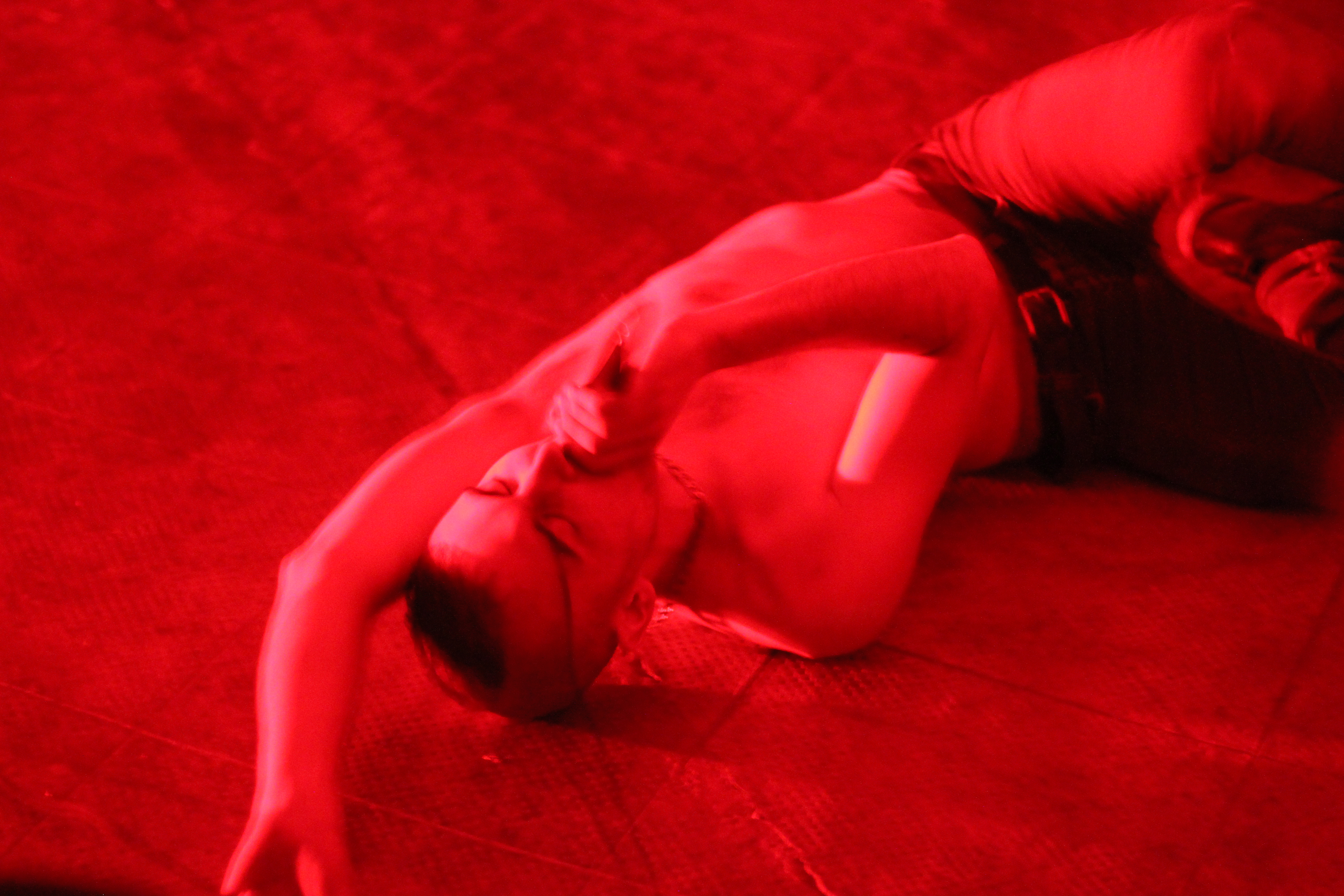
Do performances and releases have the same importance for Coàgul? How would you explain the difference of your concepts in a live context or on a record?
They have exactly an equal importance in terms of quantity, but their are totally opposed in terms of quality: on a record the concepts are expressed as a doctrine, as a sacred text, as a theory; in a live context the concepts are expressed through a real-time experience (both for me and the audience), and totally dependant on the particularities of space and time, as the practical realization and actualization of the doctrine that have been previously exposed on the records. On the other side, I have to say that both directions can become the opposite when driven to their limit. When a live concert is so archetypal and timeless it can have all the attributes of the doctrine, and when a record is listened and used in the most functional way possible it can reach the same consequences of a ritual live action.
How essential is humour in your work? Do you think underground music needs more of it?
Besides that humour is a way of shortening the distance between the speaker and the receiver, I think its a way to suggest that you have nothing to hide, that you can show yourself as human-all-too- human as you are. When bands try to look too serious I think that they are communicating a lot of insecurity in themselves, probably without wanting it. When people pretends being so serious about what they are doing, they are suspicious to me. Of course I think it needs more of it. Laughing of oneself is almost a masochist deference or duty, an act of love, a way of putting yourself in a lower position than the watcher to show him or her that you are also made of the same flesh and bone.
By the way, what sorts of music do you listen to when you’re not creating your own one? Any secret tips?
I listen to all sorts of music. I try to be aware of what’s hype at the moment, because no mattter how much I avoid absorbing things from the current trends, that my envionment will always inevitabilly infleunce whatever I do. It’s a matter of connecting oneself with the zeitgeist… if you want to influence reality, whatever you do must be placed in tune with the parameters of your most immediate space-time context. Another exercice that I try to do as much as I can (and a ‘secret tip’ that I would recomend to everybody) is to force yourself to listen to the music that you dislike most at first glance. From time to time your taste will mature and your creativity will have a broader field of possibilities to explore. That’s why I love to watch these mainstream music video TV channels with these really awful songs whenever I got the opportunity. We have a lot to learn from shitty music, because in its core it is truly functional muzak, as it is proved by its effects on population and its self-sustaining capitalist endless chain of reincarnations.
You often use Catalan language in titles, poetry and paratexts. Is this mainly because its your mother tongue or is there also a regional cultural element of your origin that plays a role in Coagul?
Catalan is my mother tongue and it is the language in which I articulate my inner thoughts, but I’m not a Catalan nationalist at all (neither Spanish). If I value the use of this language is because its local implications: I am persuaded of the idea that if I use Catalan for the lyrics it connects my work with the local context, and this contributes in making that work a sort of an archival document of a particle of history or a specific time and space. In the beginning I used it simply because I was fascinated with the blood-and-iron sonority of it, that I discovered since I was a child through the band Sangtraït. At some moments I had in mind the universalist idea of using whatever language depending on the audience to which each work was oriented; and that’s why I released a couple of records in Spanish, because they where released by labels from Madrid, or also a split tape with Dvnkel Reich and as he used the Spanish language I sang in that language aswell to put my efforts in making that tape a more unitary work. The first Coàgul work was called „Wargasm!“ because it was intened to by addressed to the whole humanity. But from time to time I also realized that singing in Catalan gave a unique archaic folk character to the project, that could be also attractive for a non-Spanish audience for its exoticness; and from then onwards Catalan have been the vehicular language of Coàgul, to the point that now I see it as a sort of a holy language like Latin, that centuries after the language is already dead it is still used in the Catholic Church or in legal slang, that must be deciphered by whosever from other countries who wants to access the metaphysical revelations encoded in the lyrics. I also love the fact that, for the people around me, Catalan sounds so homely. And the fact that it works for such music is contemplated by them with hilarious disbelief. A friend once told me that through his first listening of Coàgul he restored his faith in the use of Catalan in music.
When I was in Barcelona my colleague (who is fluent in Spanish) was faced with the situation that some people preferred to reply in English rather than Spanish. What role does the Catalan language play (for you as well as for others)?
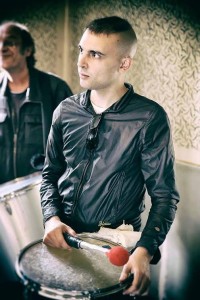 I don’t know anything about the situation of your friend, but I think this is a rather unusual case. Maybe these people preferred to reply in English because they thought it would be an easier and faster way to communicate with him, or maybe they took it as an opportunity to practise their English. That’s exactly what happens to myself when I’m working at the souvenir shop of the Cathedral, that as most people coming are tourists, I activate my mental automatic pilot in speaking English all the time to be faster and more expeditious in what I’m doing. Besides of this, the truth is that I don’t give much a shit about the Spanish vs Catalan controversy. Most people defending either one side or another are just plain assholes that have more in common between themselves (at the end they live the same way and they are trapped in the same close-minded mental schemes) than what both of the two supposedly-antagonical groups have in common with me or with the people I heart. Be it from one color or another, one tongue or another, one sign or another, economical lobbies are always the same shit: they dress themselves with the cloaks of idealisms or good intentions again and again, but at the end their only interest is to satisfy their boundless greed. Power sees no further than itself. Although as I already said Catalan is the language I have spoken since I was born and the tongue in which I think, in my day to day life I speak whatever tongue I feel more at ease with my interlocutor. I wish I could speak all existing languages.
Actually there’s a quite prolific underground music scene in and around Barcelona with bands, venues, labels and record stores, but its not as well known as it should be in other parts of the world. Do you think it needs something like a ‘Catalan Occult Psychedelia’ hype (compared to the term ‘Italian Occult Psychedelia‘, which was used quite often in recent years) to print your city’s name a bit bigger on the map?
I don’t think it could be possible that such ‘Catalan Occult Psychedelia’ can even exist, fristly because to be an occultist means you have to believe in some immanent or trascendent entities that can exist independently of humankind, and I think almost nobody in the Catalan music scene believes in anything beyond what’s human or material. Very few of us believe in any God. Neither I think the ‘psychedelic’ label can be applied, as on one hand the people practising psychedelic music are not very psychedelic in the metaphysical sense of the term, and on the other hand the people who can be considered truly psychedelic in eseence are not interested in psychedelic music at all (which I completely understand). Well in any case I don’t think there is any common stylistic denominator in the Catalan music scene as to use a stylistic label to refer to it, at least not now. If Barcelona’s name have to be ever printed bigger on the map I guess it will be for other reasons than for the credit of an hypotethic music style. It is plenty of diferent sub-circles of people making a lot of things, that’s true, but each one in it’s own way. There’s not any unity. But I think this is not a local issue, I think this is happening everywhere in the world right now because of globalization’s acceleration consequence of the hyper-simultaneity of the internet way of life. My position on that is that we should simply keep on doing what we really believe we have to do, and Time will tell.
As far as I know you plan a Split tape with Escama Serrada and a new album on Nekofutschata. What can you tell about these releases?
By the moment I’m writing this, the new LP on Nekofutschata is already out and available through TUT/RUR distribution. It is called „Tot Encaixa!“ and contains three songs on each side. The six songs were recorded during the same sessions as „La Forja Centrípeta“, in April 2014 at Barcelona’s La Cova De La Bèstia with the assistance of Daniel Muerte (the bassist of the Catalan punk band Una Bèstia Incontrolable). „La Forja Centrípeta“ was a very programmatic and conceptual album, and these six songs were more freely spawned little tunes with no previously thought destination. When „La Forja Centrípeta“ was already on its way to the pressing plant, I decided that I wanted to release these six songs in some way or another. At the same time and by total chance, I started to speak with Jürgen from Nový Svět through the internet. The way by which I got in contact with him is still blurry in my rememberance. On one side I remember that Christian Schoppik, a very cool guy I knew because he proposed me to go to play to Würzburg in January 2015, once told me about a secret Soundcloud profile of Jürgen. On the other side, Sergio from Escama Serrada revealed me that it was Ulla from Nový Svět who anonymously bought me some engravings and prints through my webstore to give to Jürgen as Christmas presents. Then I asked Jürgen to recommend me labels to which I could write with a proposal to release these six songs. He kindly recommended me a couple labels, but before I even replied him to say thanks he wrote me again saying that he wanted to release these songs himself and that he wanted to reactivate the Nekofutschata Music Cabaret again just for this reason. As being myself a huge Nový Svět fan since years ago (even before starting Coàgul), my joy and suprise in not only learning that they knew and liked my work but also that they were interested in releasing it was so big that there was almost no room in my heart for such immense emotion.
What can you tell us about the pieces on it?
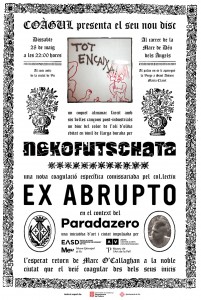
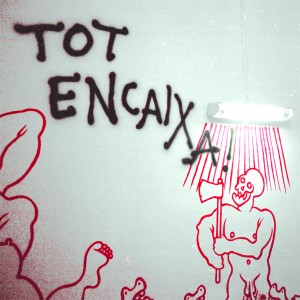 The title track of the album was conceived in Spring 2014 as the soundtrack for a short film called „Hathor“, produced by the collective Ex Abrupto and by CopdeCap (the moniker of Zoë Valls, the daughter of Jordi Valls from Vagina Dentata Organ), in which I was also featured nude as a ‘dog-man’ being carried by a girl through a poppy field close to the deep Catalan village of Moià. This is also the context where the inlay photo was taken by the Ex Abrupto photographer Efrén Razquín. Later in Summer of that same year Ex Abrupto arranged a festival at Moià in which I participated as a resident artist, staying for a whole week in an empty room of an abandoned hostel painting its walls with motives related to folk tales of that rural area. By the end of the residency I performed a live action playing the „Tot Encaixa!“ tune for the first time. From the audiovisual register of that work, captured by the camera of the great artist and friend Adriana Petit, come the photograph of the mural painting featured as the artwork of the LP aswell as the video running throgh the net. Even as being a more miscellaneaous corpus of unrelated songs, all of them have in common that they are in some way or another a document of that time and space, and also that all of them are equally conceptually related to a more day-to-day situational and social ideas. The title track is concieved also as a sort of formulae or axiom that points to the synchronical nature of the universe. Like when you think of a specific person and then you bump with him or her on the street, or when it happens that whenever you look at the clock it always shows repeated numbers: 11:11, 23:23, 03:33, etc. The cosmic law of the invisible cords connecting the different coexsiting universes through symbolical correspondences. The ‘micro-macro’ law by which magick and religion function. And also the paranoiac feeling, understood as a sixth sense that helps us perceiving these correspondences when they are most hidden. I now understand that this same idea of an ode to the coincidences of life is at least a ‘karmic justice’ way of honoring back the same coincidential dynamics that finally drove to the materialization of this LP. There is also another video of the second track, called „Efedrina“ running through the net. The album will be presented with a specific live action in the context of the next Ex Abrupto intervention, that will be held in a palace where blessed Sant Antoni Maria Claret had a vision of the Virgin Mary, in the deep Catalan city of Vic. This will be the next 28th of May in the context of the „Paradazero“ festival.
What about the release with Escma Serrada?
The album with Escama Serrada is neither a tape nor a split. It is a collaboration in which Sergio and I started working long ago when we know each other, back in 2013 or so. The process consisted in the surrealist well-known techinque of the cadavre equis, by which each participant produces something and sends to the other so the other adds more things on it, accumulating layers and layers until it ends by being a work of the two. This album will be called „Sub Luna Regis“ and it is all about the joys and sorrows of the subconscious mind. Sergio suffers from insomnia and I was sonnambulistic when I was a kid, so we both have strong convinctions about these issue. I firmly believe that the world of dreams is an equally real world as the ‘real world’ that we percieve when we are awake, but that it works according to a logic so different from the daily logic that we cannot comprehend it at all. When you dream that you meet some person (alive or dead) in your dreams, I believe that you are really meeting that person in that parallel world. Ancient religions asserted that dreams where messages of the gods, specially the dreams that one remembers for the whole life. During some times I tried to keep record of every dream I had every night and of every live experience I lived during my every day life, with the intent that more and more the two worlds mixed in one single total reality: something like the gesamkunstwerk of experience. The title track „Els Regnes Subllunars“ is about that undeterminated realm where both sides of all (conscious and unconscious, day and night, good and evil, reason and folly) collide in some sort of a Faustian confusion. This track will be featured in a film by director Xavi Martínez Soler (who introduced us our common friend Eva), in which we will appear at some scene playing Escama Serrada & Coàgul in an abandoned factory amongst lost souls driven by the pulses of the music. It also contains a Roy Orbison cover that we are still not sure if we will leave in the album or not. In any case the nine tracks constituting the album are already finished by now, and at this moment we are searching for labels who might be interested in releasing it. So if you permit me I will take avdvantage of this opportunity to say that whosever is interested in releasing this recordings don’t hesitate to get in contact with us.
Are there any other projects you’re already involved in?
Other recordings in which I’ve been recently working and that are planned to be released soon are: 1) A 90 minutes tape to be released by Demonodrome Records (the label of Víctor from Dvnkel Reich, +++, Assassani), containing very extended 45 minute long ritual versions of the coagular songs „Baixa Baixa Pel Camí“ and „Puja Puja Entre Les Branques“, intended to be a functional record for strictly liturgical use. 2) A 20 minutes tape to be released by Conjunto Vacío (the tape label of Sergi and Andrea from Dead Moon Records, Wind Atlas, Boston Pizza Records) in their batch series. This will be the tape I told you before whose lyrics will contain questions whose answers will appear if you switch the side of the cassette. It will be a sort of a thesis about the transformation of the urban zones by the process of gentrification, explained through its correspondence with a social application of the two opposite alchemical ways moist and dry, though twenty stages determined by the Arcanes of the Tarot. 3) The collaboration of Coàgul with noise-punk band Cadena, which we recorded after our live concert together at the Conjunto Vacío festival last Autumn and that we have the intention to release as a co-edition of several Spanish labels including Boston Pizza Records, Discos Enfermos, and Broca Records. This record is all about issues related to the metaphysics of urbanism and modern-world nihilism. 4) Another cadavre equis between Coàgul and the Valencian kosmiche synthwave band Polígono Hindu Astral, to be released by Cintas Cromo (the tape side-label of Burka For Everybody), which is almost getting the form of a new project called Polígono Coagular Astral and that is also related to the metaphysics of urbanism and the application of sigil workings by flanneuristic derivés through the geometrical association of planetary magic squares with the forms of the city maps.
Another Coàgul-related thing in which I’m working right now is a sort of an illustrated inventary in which I am listing and compiling all the performance art actions that I usually do in the live coagulations. It will be like an instruction book but also a sort of a ‘performance curriculum vitae’ that I plan to release through whatever independent publishing house that might be interested in it, or if not I will release it all by myself in the poor-means fanzine-style that I always used to do.
(M.G. & U.S.)
Fotos: Abel Castells, Adriana Petit, Efrén Razquín, Zoë Valls
Das Opium der Schönheit. Interview mit Demian von Ô Paradis
 Es gibt Attribute, mit denen man sparsam umgehen sollte, wenn man über Musik spricht, und eines davon ist sicher das Wort einzigartig. Man sollte aber nicht allzu erschrocken sein, wenn es einem im Bezug auf Ô Paradis ab und an herausrutscht, denn für einen solchen Fauxpas gäbe es Anlässe genung: Die Kunst, mit gesampleten Sounds originelle Kollagen zu zaubern, die gekrönt mit einer Weiterlesen
The Opium of Beauty. An Interview with Demian of Ô Paradis
As there are only a few interviews with you in German, I would start with something common. What can you tell us about your first creative endeavors as a musician? Did you play in bands before Ô Paradis?
Yes, I was playing with Perdita Durango, a project which was kind of a post-punk duo, with Dusminguet, a band of Tex-Mex style and with Los Sencillos, a quite famous Spanish pop band. Ô Paradis didn’t come after, but during all these approaches, yet at some point I decided I just needed Ô Paradis. My one and only project where I don’t need to answer to anyone.
What was your impulse to form Ô Paradis, and what do you regard as new, compared to the things you did before?
Ô Paradis is what I tried to find in other music but rarely found. A naked, sincere idea. Like Japanese minimalism, but mixed with English folk and Latin heart. I always thought that if you are honest with your art, then you’l be unique, because everybody is just different.
Which are the things that inspire you or give you ideas for creating new music? Do you get your ideas while playing? Or do you rather tend to start with the concepts or subjects you sing about?
 I believe that everything happens at the same time. You realize that everything you read, the movies you watch, what your friends share with you, everything is gestating an image in your mind, a picture of the world. It doesn’t matter if its about love or death, about angels or devils, this image has a concrete color. All this turns into what one believes, and it changes constantly, cause it obeys time, which erodes any idea like the water does to the stones. The very moment is expressed through someone when a person hears the wind or watch the waves come, but it is the waves that come to you, and not the other way around.
Your lyrics and imagery are full of religious or spiritual motifs from various sources. Do you see this as an integral part of Ô Paradis? What role do spiritual or esoteric subjects play in your personal quest?
I believe that spiritual experience is born of understanding, therefore only from empathy that leads to love can comel flashes of spirituality. Love for another person is just a human replica of love for the whole. God is love, and all religions in their most sublime philosophy accept this, so I like to peck them all. For me, the most primitive aspect of religion is ritual. Of course, my music is full of all these thoughts. On the other hand I also consider myself a person in conflict with this/his life, so its also the shadows that inspire me, the shadows we project, when we’re exposed to this light.
You just have released a new album named “Llega el Amor, Asoma la Muerte”. What can you tell us about its background and development? Which particular elements does it show compared to previous works?
I think it’s a very free album, that drinks so much of my personal as well as my musical experiences. We can find pop, Latin, folk, experimental, wave … the funny thing is that I started flirting with the Spanish guitar, and this has given a more uniform sound to the work. As to the concept, all stories end from the point of view in which we believe that we walk through time and space, so when love comes, death always hovers.
In the past I had the impression that Ô Paradis is mainly your project with changing contributors. Is this still the case or is there a band structure nowadays?
You are right, from the beginning I worked alone in Ô Paradis, and this remains until today. When I need instruments that I can’t play, I call collaborators. In any case I have been enriched harmonies and melodies to enjoy a more complete work.
Can you introduce the people who joined you in creating the new album?
On the new album I had the honor of having Aloma Ruiz Boada on the violin, who had joined Current 93 in some concerts, and J. voice in a song, I love his vocal art and the way he understands music. Its a pleasure to work with people you like or you love.
I don’t speak your language, but as far as I get some meaning, the new album deals with the connections between love and death, you have already mentioned this subject. As far as there is a (clear or vague) concept, what is the main idea behind it?
In many cultures, youth implies a sense of immortality. In my case, an intuition of infinity is added. In earlier years, I really perceived the world as a shifting mass of vibrating energy, which brings us to experiences the same vibration, and moves us away from what we were leaving behind. Later on I lost this “faith” in the order behind the chaos. This was a chemical change in my brain, I guess, subject to fulfilling past years go, and awareness that the only thing that changes is our aging, and that death will visit us more often every time. At the same time I developed a more refined understanding of what it means to love. All this led me to record an album whose title is “Comes love, pokes death.” We have become humans again and only we become aware of the limitations of mortality.
The context of love and death fascinated humans for ages, be it literary motifs like “love-death” or an idiom like “the little death” for the sexual climax. What fascinates you in this connection? How do you think do they belong together in the tragic existence of man?
When we have an orgasm, it is one of the few times that we lose consciousness, I personally think this is a lovely thing added to the act, a magical experience. I do not think existence is tragic, cause existence is everything, but what is obvious is our mission that is not to be happy from immediate pleasures. If we think just in the moment, we will die very often, after every orgasm as you mention for example. Although we know that death will come, I think we should set aside this thought of our vital project.
A song like “El Opio de tu Belleza” sounds quite uplifting in my ears, yet I’m sure the lyrics are rather sincere. How would you describe the “opiate” element in beauty itself?
I will try to translate a part the song to you:
The opium of your beauty filled the fog of the streets of reason.
I abandom my nature by a smile that you sell to the heart.
I trade with my life for a night without thorns.
Death follows me closely with curiosity, and her daughter, the truth, pulls her sleeve.
On the ground walks pleasure, the floor is what the wind came to sweep …
 Which symbolic or geographic east is it that you evoke in “Por el Este”?
My wife is Ukrainian, and as we spoke to each other from the distance, each of us in our own country, of course we tried the conflict with Russia. To me it was sad that the eastern wind just brought fire this time. This inspired the song.
The album has a strong focus on acoustic guitars compared to most of your previous works. Is this a direction where you will go more often in the future?
I have no idea about my future and the future of Ô Paradis. Usually, whenever I record an album, there is a predominant instrument or a specific will. Change motivates me a lot, maybe that’s why the band has far fewer followers now, I think people need to know where things will go, so they can label them.
Still, sampled and treated sounds are sort of a trademark of Ô Paradis. Where do you normally find your sounds and in which way do you (technically) work with them? Are you more an improvisor or a composer?
With the sounds I play like a kid, and I’ve taken noises at the most unlikely places. The composition is a more laborious task, not always great fun, because it imposes to make sense to the game, but its necessary if you want to feel more satisfied when the work is finished. Between comfortable and hard I choose both, to enjoy when working, but also to hear the final result and give it almost over. I guess at first were more improvisational and now we’re more compositional. It is difficult to find the balance between cool and sophisticated, between emotional and content.
In contrast to many other “experimental” musicians your sound collages are never difficult to listen too, but integrated in often poplike song structures. Sometimes the various sound material is almost hidden beneath the beauty of the music. What is the appeal for you to create lovely melodies and harmonies not only by keyboard or the usual rock instruments?
You can say I try to create a good composition without using conventional means. It’s easy to get lost in the production and create a good atmosphere, which is completely legitimate, but I’m more focused on what’s behind or in front it, and this might be a pop or folk song.
Is it ok for you if one attests your music an “alchemical” quality for this?
 I do not think my music has that transformative quality, but this depends on the listener. If someone records a song, and it touches the strings of the soul of another person, then it can perhaps stir the sensitivity of the person and open new ways for him or her to perceive. In any case, a real transformation should be for the rest of a life, but if lasts as long as a song, it is also nice.
How big is the local or regional aspect in your music? I ask this because German listeners often call you the Iberian, Spanish, Catalan musician…
I do not identify with the people around me. Neither the Spanish nor the Catalans, nor with Europeans. Of course culturally, and more specifically in music, I have roots in Spanish pop, English folk, German and Japanese electronics, African rhythms, rock and American country, South American melancholy, the landscapes of Catalonia … in short, I think I drink from any source, but I try to do it in hours when no one else is doing it.
Seems you like collaborations a lot, and when I quote Escama Serrada, Thomas Nöla, Nový Svět or Val Denham, they are just a small number of musicians you have worked with over the years. What makes a collaboration a good one, and is there on project or album that you regard a a special milestone?
To collaborate is beautiful, to tell the truth. In my case, almost any the experiences I’ve had in recording with others have enriched me enormously. The most intense collaboration was with Nový Svět, because I feel a special connection with J. I Also enjoyed working with Val Denham, with whom I recorded a great album, as I think. To work with Escama Serrada I also consider as the result of a great friendship, and Thomas Nöla is a person I admire unconditionally.
I’m sure you are working on new stuff again. What’s on your plan for the next months?
I would like to take a break from Ô Paradis. My life has undergone many changes since the last recording, as if someone had moved a Christmas ball, those that have a snowy landscape. I’ll let the false snow rest again over the plastic figurines and see how the scene will look like. While this happens, I would like to release an album with the forty best songs from Ô Paradis, in my criteria, and launch a compilation dedicated to the people who were there.
Thank you very much for the interview!
Thanks to you my friend!
NOVÝ SVĚT / GERMAN ARMY: Split 7”
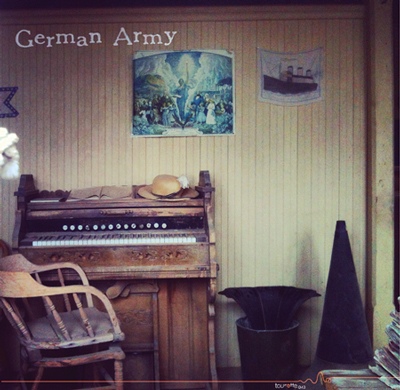 Von dieser im vergangenen Herbst erschienenen Split 7” sind wahrscheinlich nur noch wenige Exemplare zu ergattern, aber da mich das gute Stück nun nach einer postalischen Irrfahrt doch noch erreicht hat, soll es den Lesern unserer Seite, die sicher zum Großteil mit dem undefinierbaren Kosmos Nový Světs und der von Noise und Exotica angereicherten Elektronik German Armys vertraut sind, nicht vorenthalten werden. Weiterlesen
NOVÝ SVĚT / SPETTRO FAMILY: Split (7′)
 Es ist vielleicht ganz passend, dass Nový Svět sich eine 7′ mit Spettro Family teilen – erst einmal ganz unabhängig von eventuellen musikalischen Querbezügen. Denn in den Jahren nach der Auflösung des österreichischen Duos gab es immer wieder bislang unveröffentlichte Aufnahmen, mal waren es die kurzen, auf englisch gesungenen minimalistischen Folksongs auf „Into Your Skies“, mal die auf drei limitierten Tapes versammelten verrauschten Ambientminuaturen der „Selected Ambient Works“ oder aber die unveröffentlichte, überraschenderweise aus den Sessions zum unveröffentlichten Album „Desde Infiernos De Flores“ stammende Dubstepnummer „Yo No“ auf der kürzlich erschienenen Weiterlesen
NOVÝ SVĚT: Doce
 Nový Svět, die beiden Wiener mit ihren schrägen, meist auf Spanisch gesungenen Gassenhauern, galten zeitlebens als Rarität, als Auskennerding, als von wenigen gehüteter Schatz, und doch waren sie eine der wichtigsten Bands im vergangenen Jahrzehnt, nahmen vieles vorweg und versahen ebenso vieles mit einem treffenden, doppelbödigen Kommentar. In den Industrial- und Folk-Nischen, in denen sie wohl doch noch am meisten wahrgenommen wurden, nisteten sie sich nur für kurze Zeit ein, stellten dort die wichtigsten Selbstverständlichkeiten auf den Kopf, um kurz darauf zu ihrer Tour durch ungezählte musikalische Möglichkeiten aufzubrechen. Was immer Jürgen Weber, Ulla Tost und ihre temporären Mitstreiter an Klängen und Stimmungen für ihre Weiterlesen