
Am Samstag, dem 26. September kommenden Jahres, findet im Silent Green in Berlin ein Konzert von Current 93 statt. Die Gruppe um David Tibet war in den vergangenen Jahren meist mit Andrew Liles, Alasdair Roberts, Aloma Ruiz Boada, Reinier Van Houdt, Michael York und bisweilen Ossian Brown zu sehen, eine ähnliche Besetzung ist auch für die kommenden Auftritte zu erwarten, zudem ist ein Nachfolger der jüngsten Veröffentlichungen bereits in Planung.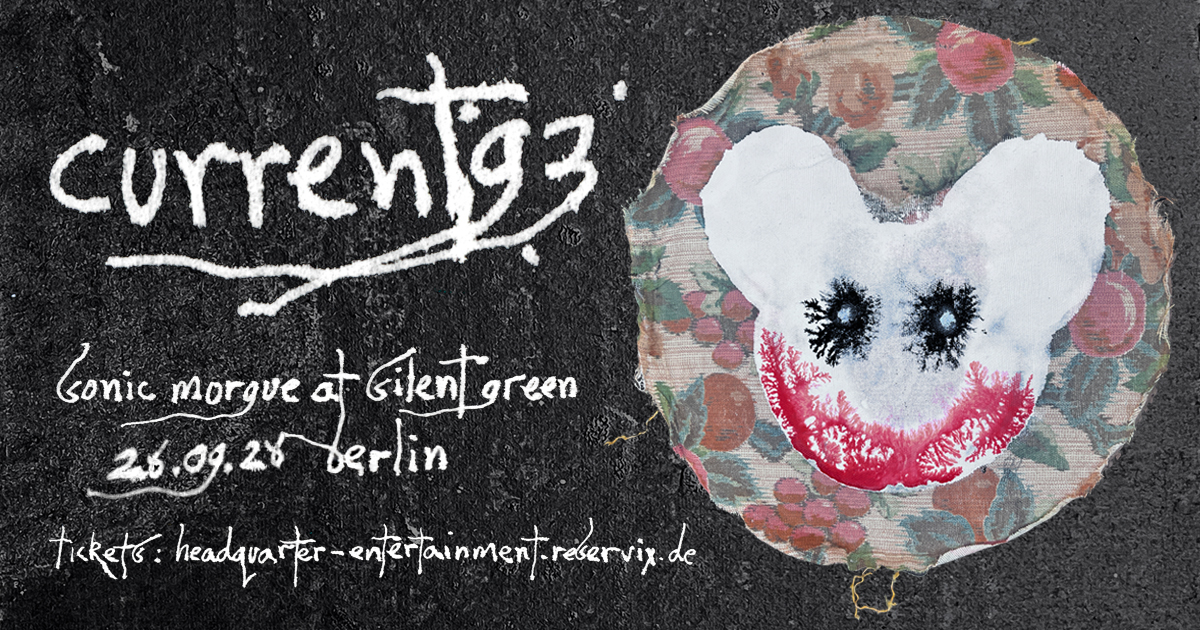 Weiterlesen
Schlagwort-Archive: Aloma Ruiz Boada
Das Herz schlägt sogar im Abgrund: Interview mit der Geigerin und Komponistin Aloma Ruiz Boada
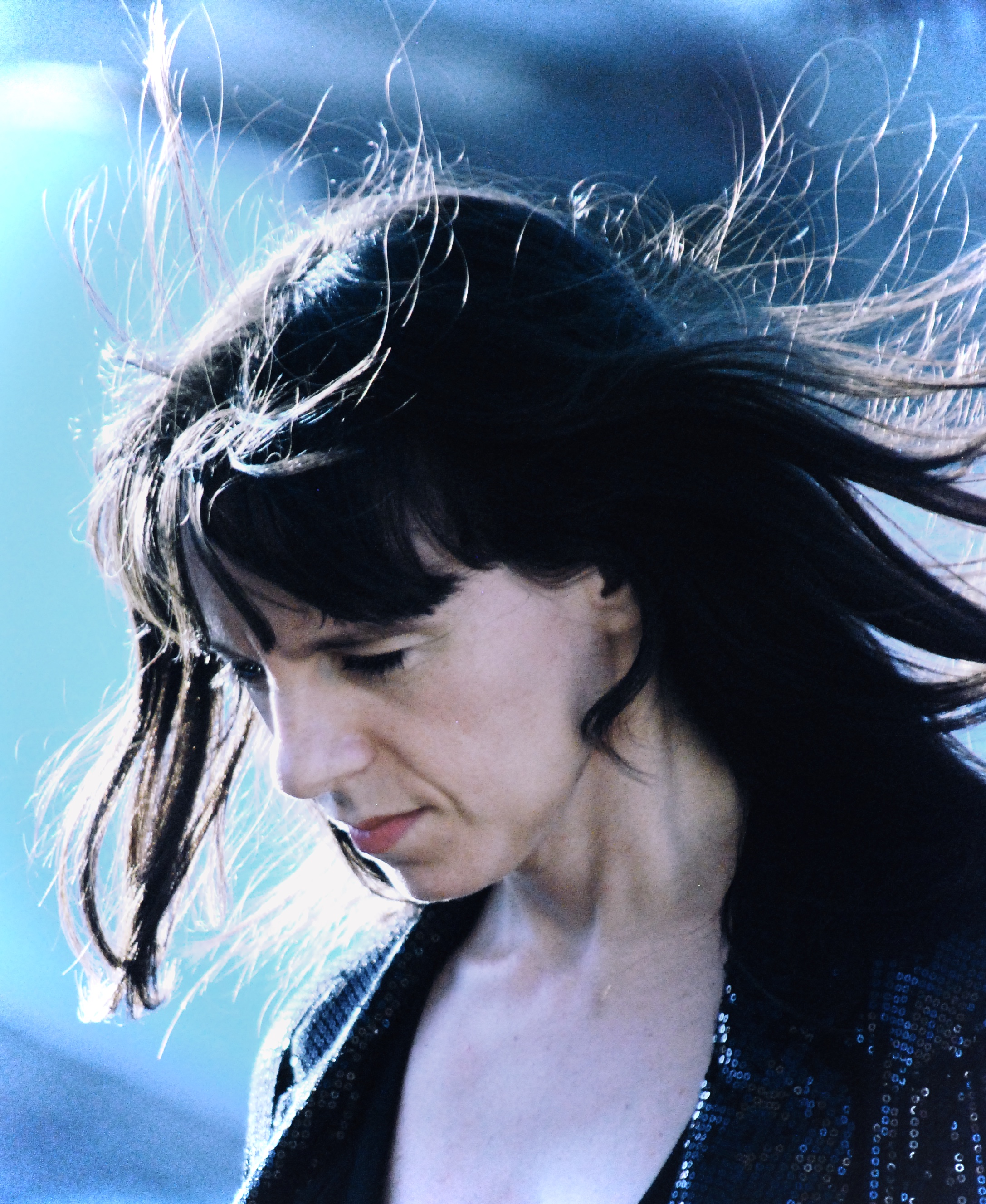 Vor wenigen Wochen veröffentlichte die im Raum Barcelona beheimatete Geigerin und Komponisten Aloma Ruiz Boada ihr Debütalbum als Solomusikerin. “Septem Verba”, das sich inhaltlich mit den sieben letzten Worten Jesu am Kreuz befasst, ist ein beeindruckendes Werk und sticht aus den vielen Strings and Loops-Veröffentlichungen der letzten Jahrzehnte heraus. Wenn man seine Stärken ganz knapp auf Weiterlesen
The heart beats even in the abyss: Interview with violinist and composer Aloma Ruiz Boada
A few weeks ago, Catalan violinist and composer Aloma Ruiz Boada released her debut album as a solo musician. “Septem Verba”, which deals with the seven last words of Jesus on the cross, is an impressive work and stands out from the many Strings and Loops releases of the last decades. If one wanted to sum up its qualities very succinctly, then one could perhaps say that here the emotionally touching and the aesthetic expanse, of which the listener can feel abandoned to Weiterlesen
ALOMA RUIZ BOADA: Septem Verba
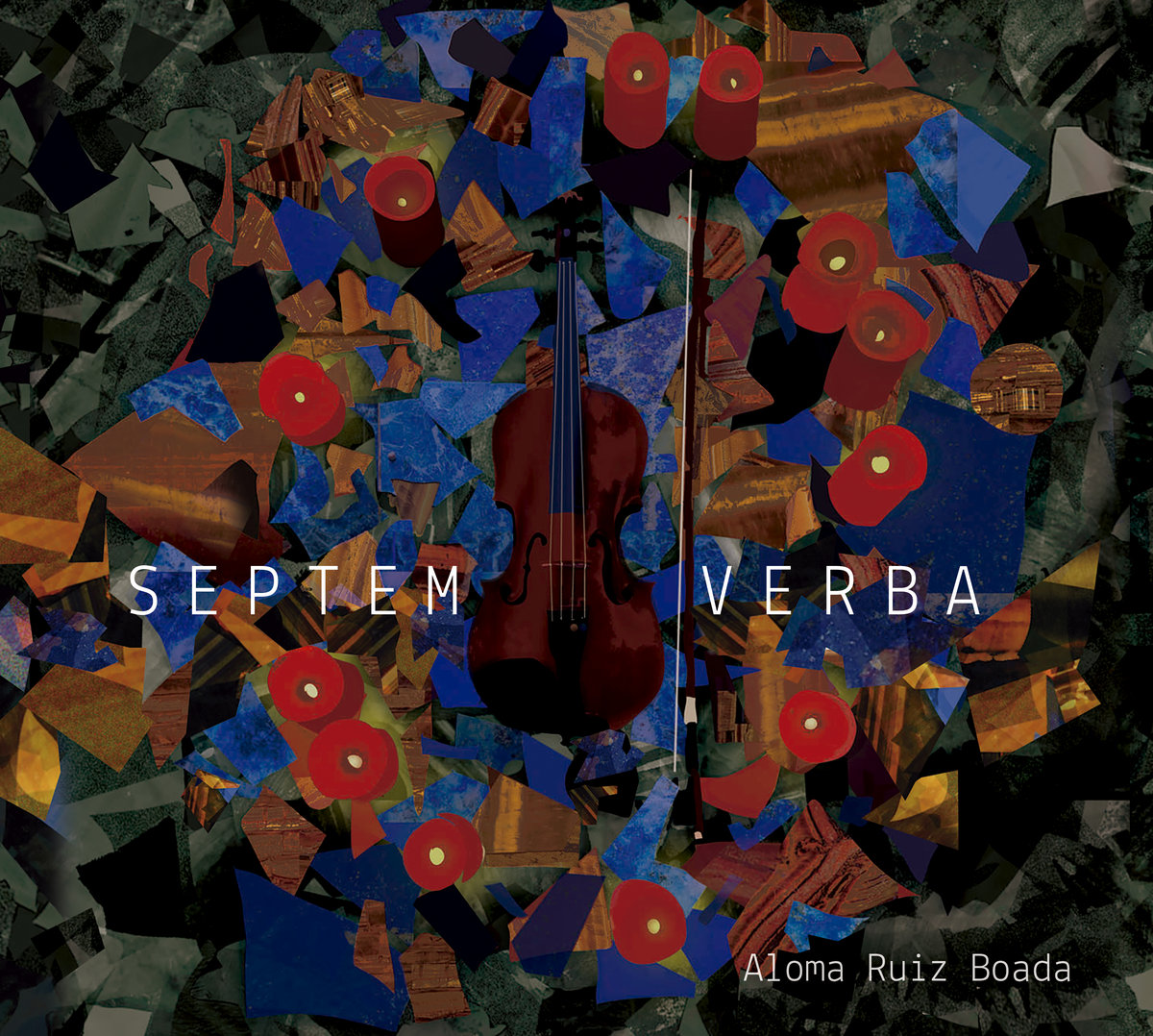 Ernste, feierliche Glocken begleiten einen Lichtstrahl, der durch einen großen abgedunkelten Raum dringt und auf eine breite Leinwand trifft. Eine Violine zieht lange Striche über diese Leinwand, Striche, die sich nach einiger Zeit in eine unbestimmte Weite auflösen. Dass diese Weite, diese Transzendenz nichts Unsicheres hat, unterstreichen schon bald die liturgischen Gesänge, die wie ein letzter fehlender Teil in die Szenerie montiert worden sind und ein Gefühl von Geborgenheit entstehen lassen. Weiterlesen
CURRENT 93: If A City Is Set Upon A Hill
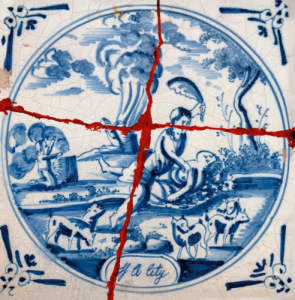 Das neue Current 93-Album verweist mit dem auf den ersten Blick untypischen Fliesen-Artwork, auf denen der Mord Kains an Abel dargestellt ist, auf Current 93s „Rockalbum“ „Aleph At Hallucinatory Mountain“, auf dem es hieß: „In the beginning was the murderer“. Musikalisch-personell knüpft es stark an das 2018 erschienene Album „The Light Is Leaving Us All“ an, wurde „If A City Is Set Upon A Hill“ doch in fast der gleichen Besetzung aufgenommen Weiterlesen
Single und Album der Geigerin Aloma Ruiz Boada
Die katalanische Geigerin und Komponistin Aloma Ruiz Boada, bekann u.a. von Current 93, hat dieser Tage ihre erste digitale Single veröffentlicht und kündigt für nächstes Frühjahr ihr Debütalbum als Solokünstlerin an. Das Stück “Pater in manus tuas commendo spiritum meum” basiert auf ihrem Violinspiel und dem Einsatz von Looptechnik und hat einen getragenen, andächtigen Ton, der im Verlauf mit einer treibenden Taktung in ein interessantes Spannungsverhältnis tritt – der Titel basiert auf einem Vers des Lukas-Evangeliums, in dem Jesus am Kreuz sein Leben mit dem Satz “Vater in deine Hände, ich empfehle meinen Geist” beschließt. In ähnlichem Wortlaut taucht der Satz bereits im 31. Psalm auf.  Weiterlesen
Ô PARADIS: Liquido
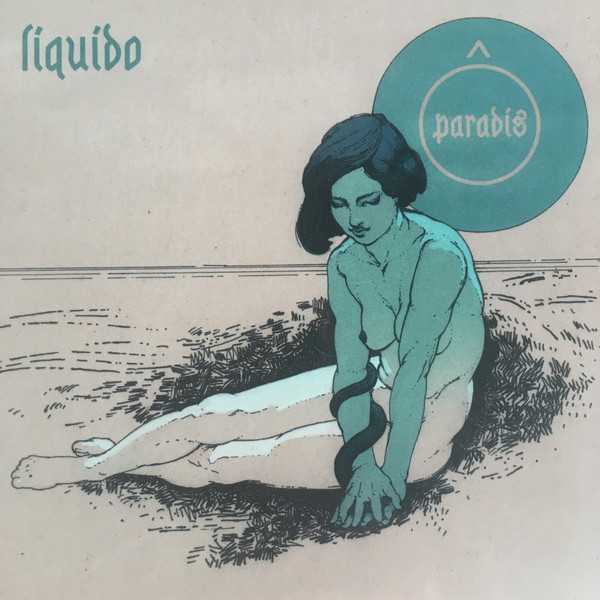 Es gibt im Werk von Ô Paradis einen Charakterzug, der meinem Eindruck nach in den letzten Jahren immer deutlicher wurde, nämlich die Tendenz, so etwas wie Schönheit, Opulenz, Wohlklang etc. nicht nur als etwas Fragiles zu zeichnen, sondern in einer fast chaotischen und gelegentlich spröden Unaufgeräumtheit – als eine staubige Schatz- und Rumpelkammer an Klängen, der gerade noch so viel Weiterlesen
COMANDO SUZIE: Corazon o Plomo
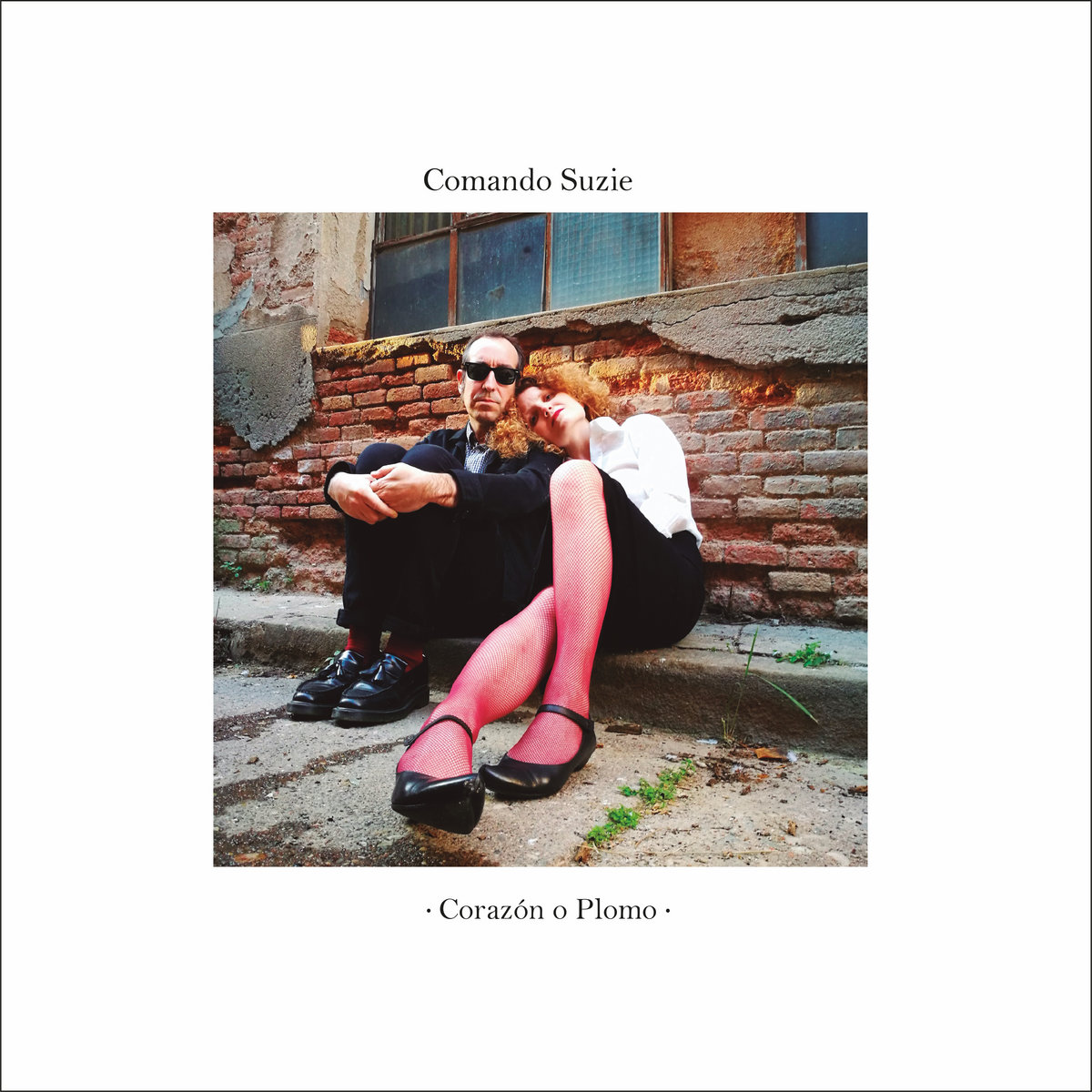 Manchmal ist es eine besonders interessante Erfahrung, fremdsprachliche Musik zu hören, gerade wenn die Texte in einer Sprache gesungen sind, von der man immer ein paar Fetzen versteht, ohne dass man sich einen Reim auf den Gesamtzusammenhang machen könnte. Meist schnappt man noch ein paar Hintergrundinformationen auf, die Stimmung, die sich in Melodien, Rhythmen, Klangfarben und natürlich dem Gesang abzeichnet, tut ihr übriges, und schon kann man gar nicht mehr umhin, die Musik auch Weiterlesen
CURRENT 93: The Light Is Leaving Us All
 Im Frühjahr 2014 wurde der nach einer Zeile aus einem Gedicht von John Clare betitelte eigentliche Vorgänger „I Am The Last Of All The Field That Fell” veröffentlicht. Seitdem erschienenen die beiden Alben „The Moons At Your Door“ sowie „The Stars On Their Horsies“, die den Fokus weniger auf den Song als auf das Soundscape richteten. Zudem gab es zwei Seitenprojekte: das mit Killing Jokes Youth eingespielte, opulenter instrumentierte, fast schon orchestral klingende Hypnopazuzu-Album “Create Christ, Sailor Boy” sowie jüngst noch das schon vor einigen Jahren aufgenommene Weiterlesen
Current 93 in London, Bern und Berlin
Nach der Digital-Single “Bright Dead Star” und mit dem kommenden Album “The Light Is Leaving Us All” im Gepäck präsentiert die Ultimate Hallucinatory Gnostic SuperGroup um David Tibet ihr neues Set nach Leiria in Portugal auf drei weiteren Bühnen in Europa. Begleitet wird Tibet von Aloma Ruiz Boada, Reinier van Houdt, Andrew Liles, Alasdair Roberts und Michael York. In London treten an dem Abend außerdem Nurse With Wound auf.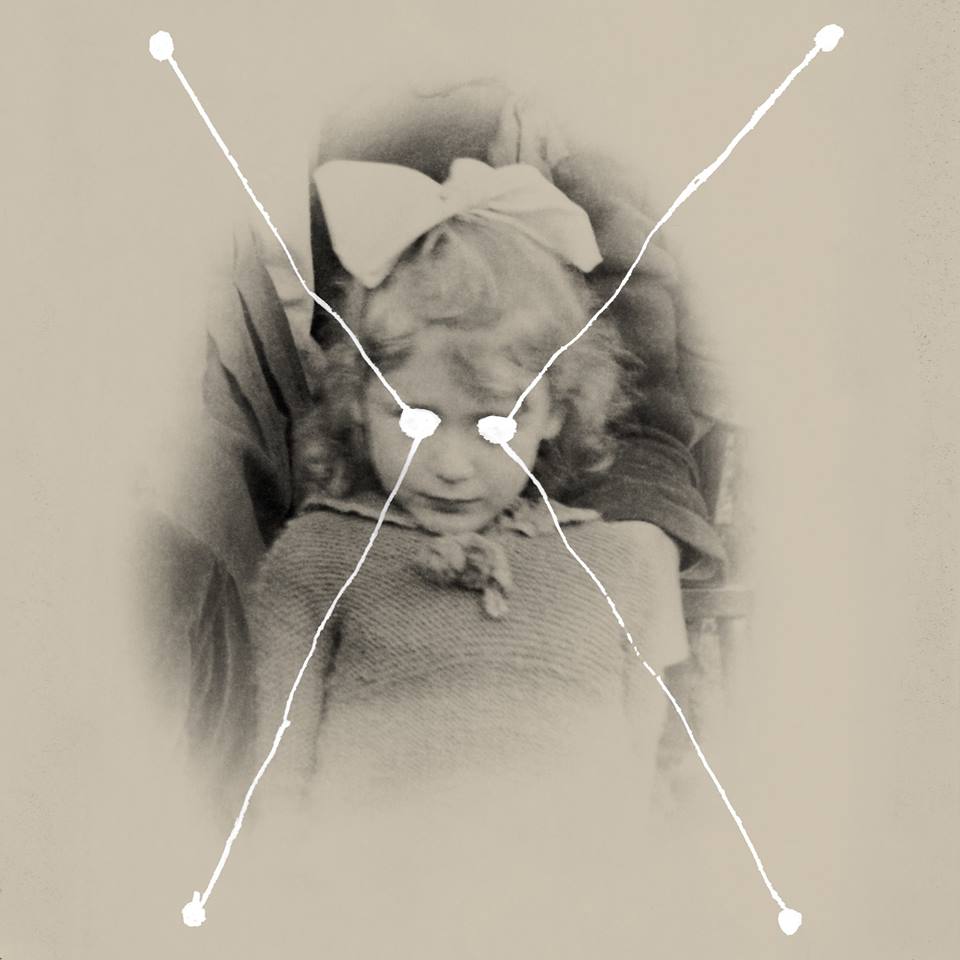 Weiterlesen
The Moons at Your Door: Current 93, Hypnopazūzu und Alasdair Roberts in Berlin
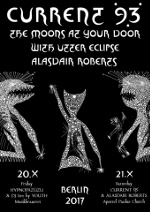 Current 93 zählen nicht zu den routinierten Live-Bands, bei denen sich über die Jahre fast unvermeidlich gewisse Vorhersehbarkeiten einschleichen. Konzerte gibt es seit jeher eher sporadisch und meist einzeln organisiert, nur selten gibt es so etwas wie Ansätze zu einer kleinen Tour. Zudem verändert sich das Line-up der beteiligten Musiker oft sehr stark, so dass Sound und Songauswahl fast zwangsläufig immer wieder anders ausfallen. Wenn Current 93 mal wieder in der eigenen Stadt auftreten, kann man also alles mögliche erwarten. Dass David Tibet und seine aktuelle Besetzung jüngst in der Berliner Apostel Paulus-Kirche nicht etwa wie beim letzten Auftritt vor rund drei Jahren überwiegend Weiterlesen
Das Opium der Schönheit. Interview mit Demian von Ô Paradis
 Es gibt Attribute, mit denen man sparsam umgehen sollte, wenn man über Musik spricht, und eines davon ist sicher das Wort einzigartig. Man sollte aber nicht allzu erschrocken sein, wenn es einem im Bezug auf Ô Paradis ab und an herausrutscht, denn für einen solchen Fauxpas gäbe es Anlässe genung: Die Kunst, mit gesampleten Sounds originelle Kollagen zu zaubern, die gekrönt mit einer Weiterlesen
The Opium of Beauty. An Interview with Demian of Ô Paradis
As there are only a few interviews with you in German, I would start with something common. What can you tell us about your first creative endeavors as a musician? Did you play in bands before Ô Paradis?
Yes, I was playing with Perdita Durango, a project which was kind of a post-punk duo, with Dusminguet, a band of Tex-Mex style and with Los Sencillos, a quite famous Spanish pop band. Ô Paradis didn’t come after, but during all these approaches, yet at some point I decided I just needed Ô Paradis. My one and only project where I don’t need to answer to anyone.
What was your impulse to form Ô Paradis, and what do you regard as new, compared to the things you did before?
Ô Paradis is what I tried to find in other music but rarely found. A naked, sincere idea. Like Japanese minimalism, but mixed with English folk and Latin heart. I always thought that if you are honest with your art, then you’l be unique, because everybody is just different.
Which are the things that inspire you or give you ideas for creating new music? Do you get your ideas while playing? Or do you rather tend to start with the concepts or subjects you sing about?
 I believe that everything happens at the same time. You realize that everything you read, the movies you watch, what your friends share with you, everything is gestating an image in your mind, a picture of the world. It doesn’t matter if its about love or death, about angels or devils, this image has a concrete color. All this turns into what one believes, and it changes constantly, cause it obeys time, which erodes any idea like the water does to the stones. The very moment is expressed through someone when a person hears the wind or watch the waves come, but it is the waves that come to you, and not the other way around.
Your lyrics and imagery are full of religious or spiritual motifs from various sources. Do you see this as an integral part of Ô Paradis? What role do spiritual or esoteric subjects play in your personal quest?
I believe that spiritual experience is born of understanding, therefore only from empathy that leads to love can comel flashes of spirituality. Love for another person is just a human replica of love for the whole. God is love, and all religions in their most sublime philosophy accept this, so I like to peck them all. For me, the most primitive aspect of religion is ritual. Of course, my music is full of all these thoughts. On the other hand I also consider myself a person in conflict with this/his life, so its also the shadows that inspire me, the shadows we project, when we’re exposed to this light.
You just have released a new album named “Llega el Amor, Asoma la Muerte”. What can you tell us about its background and development? Which particular elements does it show compared to previous works?
I think it’s a very free album, that drinks so much of my personal as well as my musical experiences. We can find pop, Latin, folk, experimental, wave … the funny thing is that I started flirting with the Spanish guitar, and this has given a more uniform sound to the work. As to the concept, all stories end from the point of view in which we believe that we walk through time and space, so when love comes, death always hovers.
In the past I had the impression that Ô Paradis is mainly your project with changing contributors. Is this still the case or is there a band structure nowadays?
You are right, from the beginning I worked alone in Ô Paradis, and this remains until today. When I need instruments that I can’t play, I call collaborators. In any case I have been enriched harmonies and melodies to enjoy a more complete work.
Can you introduce the people who joined you in creating the new album?
On the new album I had the honor of having Aloma Ruiz Boada on the violin, who had joined Current 93 in some concerts, and J. voice in a song, I love his vocal art and the way he understands music. Its a pleasure to work with people you like or you love.
I don’t speak your language, but as far as I get some meaning, the new album deals with the connections between love and death, you have already mentioned this subject. As far as there is a (clear or vague) concept, what is the main idea behind it?
In many cultures, youth implies a sense of immortality. In my case, an intuition of infinity is added. In earlier years, I really perceived the world as a shifting mass of vibrating energy, which brings us to experiences the same vibration, and moves us away from what we were leaving behind. Later on I lost this “faith” in the order behind the chaos. This was a chemical change in my brain, I guess, subject to fulfilling past years go, and awareness that the only thing that changes is our aging, and that death will visit us more often every time. At the same time I developed a more refined understanding of what it means to love. All this led me to record an album whose title is “Comes love, pokes death.” We have become humans again and only we become aware of the limitations of mortality.
The context of love and death fascinated humans for ages, be it literary motifs like “love-death” or an idiom like “the little death” for the sexual climax. What fascinates you in this connection? How do you think do they belong together in the tragic existence of man?
When we have an orgasm, it is one of the few times that we lose consciousness, I personally think this is a lovely thing added to the act, a magical experience. I do not think existence is tragic, cause existence is everything, but what is obvious is our mission that is not to be happy from immediate pleasures. If we think just in the moment, we will die very often, after every orgasm as you mention for example. Although we know that death will come, I think we should set aside this thought of our vital project.
A song like “El Opio de tu Belleza” sounds quite uplifting in my ears, yet I’m sure the lyrics are rather sincere. How would you describe the “opiate” element in beauty itself?
I will try to translate a part the song to you:
The opium of your beauty filled the fog of the streets of reason.
I abandom my nature by a smile that you sell to the heart.
I trade with my life for a night without thorns.
Death follows me closely with curiosity, and her daughter, the truth, pulls her sleeve.
On the ground walks pleasure, the floor is what the wind came to sweep …
 Which symbolic or geographic east is it that you evoke in “Por el Este”?
My wife is Ukrainian, and as we spoke to each other from the distance, each of us in our own country, of course we tried the conflict with Russia. To me it was sad that the eastern wind just brought fire this time. This inspired the song.
The album has a strong focus on acoustic guitars compared to most of your previous works. Is this a direction where you will go more often in the future?
I have no idea about my future and the future of Ô Paradis. Usually, whenever I record an album, there is a predominant instrument or a specific will. Change motivates me a lot, maybe that’s why the band has far fewer followers now, I think people need to know where things will go, so they can label them.
Still, sampled and treated sounds are sort of a trademark of Ô Paradis. Where do you normally find your sounds and in which way do you (technically) work with them? Are you more an improvisor or a composer?
With the sounds I play like a kid, and I’ve taken noises at the most unlikely places. The composition is a more laborious task, not always great fun, because it imposes to make sense to the game, but its necessary if you want to feel more satisfied when the work is finished. Between comfortable and hard I choose both, to enjoy when working, but also to hear the final result and give it almost over. I guess at first were more improvisational and now we’re more compositional. It is difficult to find the balance between cool and sophisticated, between emotional and content.
In contrast to many other “experimental” musicians your sound collages are never difficult to listen too, but integrated in often poplike song structures. Sometimes the various sound material is almost hidden beneath the beauty of the music. What is the appeal for you to create lovely melodies and harmonies not only by keyboard or the usual rock instruments?
You can say I try to create a good composition without using conventional means. It’s easy to get lost in the production and create a good atmosphere, which is completely legitimate, but I’m more focused on what’s behind or in front it, and this might be a pop or folk song.
Is it ok for you if one attests your music an “alchemical” quality for this?
 I do not think my music has that transformative quality, but this depends on the listener. If someone records a song, and it touches the strings of the soul of another person, then it can perhaps stir the sensitivity of the person and open new ways for him or her to perceive. In any case, a real transformation should be for the rest of a life, but if lasts as long as a song, it is also nice.
How big is the local or regional aspect in your music? I ask this because German listeners often call you the Iberian, Spanish, Catalan musician…
I do not identify with the people around me. Neither the Spanish nor the Catalans, nor with Europeans. Of course culturally, and more specifically in music, I have roots in Spanish pop, English folk, German and Japanese electronics, African rhythms, rock and American country, South American melancholy, the landscapes of Catalonia … in short, I think I drink from any source, but I try to do it in hours when no one else is doing it.
Seems you like collaborations a lot, and when I quote Escama Serrada, Thomas Nöla, Nový Svět or Val Denham, they are just a small number of musicians you have worked with over the years. What makes a collaboration a good one, and is there on project or album that you regard a a special milestone?
To collaborate is beautiful, to tell the truth. In my case, almost any the experiences I’ve had in recording with others have enriched me enormously. The most intense collaboration was with Nový Svět, because I feel a special connection with J. I Also enjoyed working with Val Denham, with whom I recorded a great album, as I think. To work with Escama Serrada I also consider as the result of a great friendship, and Thomas Nöla is a person I admire unconditionally.
I’m sure you are working on new stuff again. What’s on your plan for the next months?
I would like to take a break from Ô Paradis. My life has undergone many changes since the last recording, as if someone had moved a Christmas ball, those that have a snowy landscape. I’ll let the false snow rest again over the plastic figurines and see how the scene will look like. While this happens, I would like to release an album with the forty best songs from Ô Paradis, in my criteria, and launch a compilation dedicated to the people who were there.
Thank you very much for the interview!
Thanks to you my friend!