
Das Berliner Heroines of Sound Festival lädt Anfang Juli erneut zu drei Abenden zwischen experimenteller Elektronik, Klangkunst, zeitgenössischer Komposition und multimedialen Performances ins Radialsystem ein. Ein gewisser Schwerpunkt liegt in diesem Jahr auf Künstlerinnen der japanischstämmigen Community. Den Auftakt des ab 20 Uhr stattfindenden Abendprogramms am Donnerstag, dem 9. Juli gestalten die Elektronikkünstlerin Kyoka sowie das Krakauer Ensemble Spółdzielnia Muzyczna mit Werken von Yoko Konishi, Barbara Zach, Żaneta Rydzewska, Eloain Lovis Hübner und Nina Fukuoka. Den Abschluss des Abends bilden Miako Klein und Jia Lim. Weiterlesen
Schlagwort-Archive: midori hirano
MIDORI HIRANO / COH: Sudden Fruit
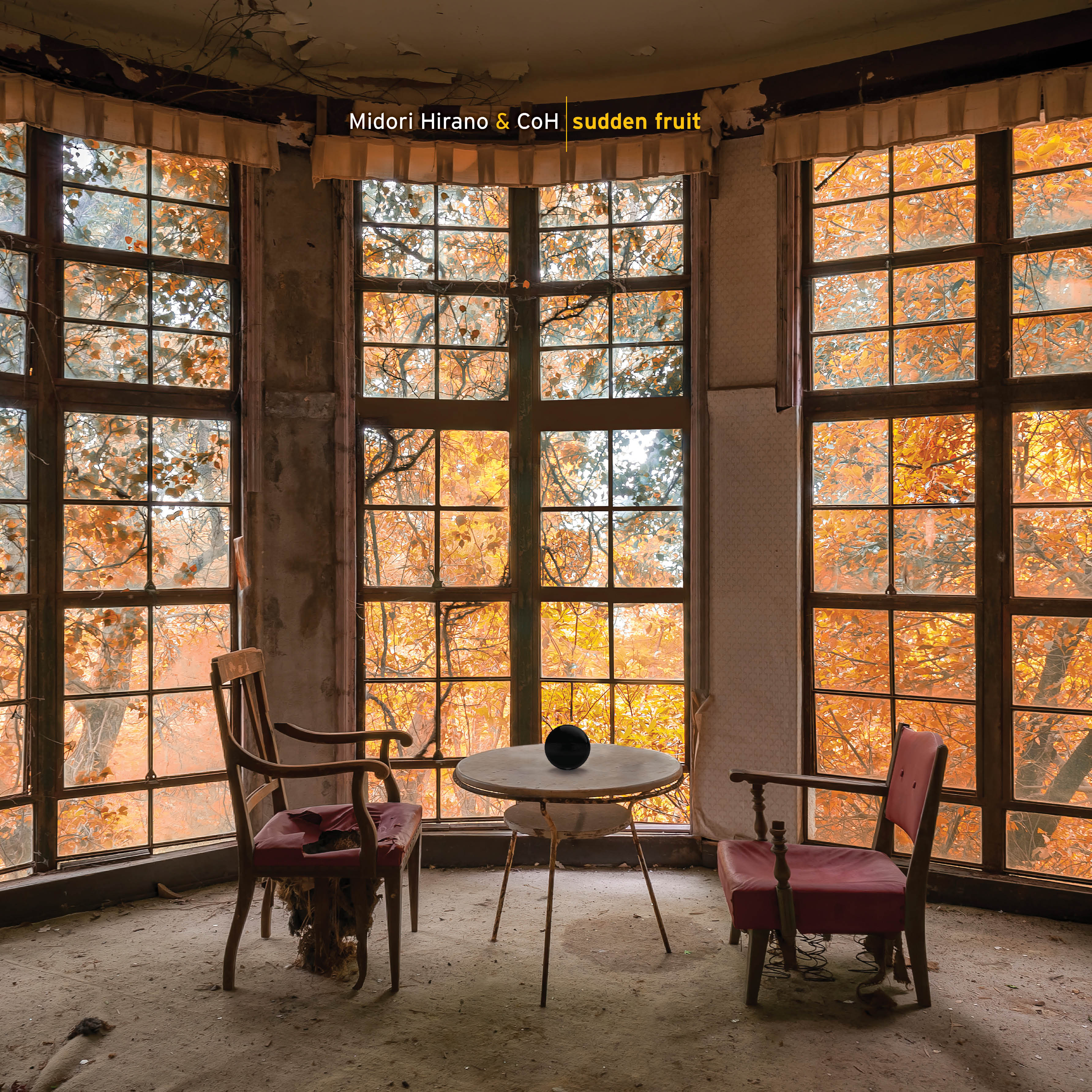 Wenn sich die Wege zweier Künstler mit ganz eignen, auf soliden, weitgehend egofreien Fundamenten stehenden ästhetischen Visionen kreuzen, entsteht mitunter etwas Einzigartiges. So auch bei dem Album “Sudden Fruit”, einer Zusammenarbeit der japanischen Pianistin und Komponistin Midori Hirano und des russischen Klangarchitekten Ivan Pavlov, bekannt als CoH (was im russischen Traum und zugleich Schlaf bedeutet und Weiterlesen
Midori Hirano, Stijn Hüwels und Tomoyoshi Date: Dauw Label Night in der Galiläa-Kirche Berlin
Am Freitag, dem 15. November 2024, lädt das belgische Label Dauw zu einem Labelabend in die Galiläa-Kirche in Berlin ein. Auf der Bühne stehen drei herausragende Acts aus dem Umfeld des Labels, das neben der Musik auch für seine grafische Signatur bekannt ist: die japanische Komponistin, Pianistin und Producerin Midori Hirano, der belgische Gitarrist Stijn Hüwels und der japanische Klangkünstler Tomoyoshi Date. Auf dem Plan stehen sowohl minimalistische Elektronik ala auch organisch anmutende Klänge und Field Recordings.
Tomoyoshi Date und Stijn Hüwels, die bereits auf zwei Alben zusammengearbeitet hatten, werden nach einem Studio-Tag ein gemeinsames Konzert präsentieren. Dates Musik verbindet akustische und digitale Elemente, während Hüwels mit minimalistisch bearbeiteten Gitarrensounds und anderen Klängen aufwartet. Midori Hirano, die auch unter dem Namen MimiCof bekannte Pianistin und Produzentin, bringt ihre hybride Mischung aus akustischen und elektronischen Elementen auf die Bühne.
 Ihre Kompositionen erschienen sowohl als Soloalben als auch in Form von Soundtracks für Film und Tanz. Mehr zu den Werdegängen der einzelnen Acts, ihren Projekten und Kollaborationen findet sich im Programmtext auf Facebook.
Friday, 15.11.2024
Beginn 19 Uhr
Galiläa-Kirche Berlin
Rigaer Straße 9
10247 Berlin
Tekhenu Retold: Reworkalbum zu The Allegorist
Mitte Oktober bringt die Producerin Anna Jordan alias The Allegorist ein Remix- oder besser Reworkalbum ihrer etwas früher im Jahr erschienenen LP “Tekhenu” heraus, die Bearbeitungen stammen von so unterschiedlichen Künstlern wie Midori Hirano, Scanner, Desiderii Marginis, Ben Chatwin, Drum & Lace, Ah! Kosmos, Hannes Kretzer, Jacob Haage & Sarah Assbring, Subheim und Die Wilde Jagd, deren elektrifizierte(re)s Rework dem Stück “Wispers in the Wind” eine Hypnotik verleiht, die die Entrücktheit des Originals unangetastet lässt.  Weiterlesen
Sinemis, Drew McDowall, Hüma Utku, Midori Hirano, Korhan Erel u.v.a. auf Fundraising-Compilation für die Betroffenen der Erdbebenkatastrophe
Unter dem Titel “re-LEAF’’ haben die beiden Musikerinnen Hüma Utku (ehemals R.A.N.) und Sine Büyüka (Sinemis) einen Sampler zusammengestellt, dessen Erlös – über die Hilfsorganisation Ahbap – den von den Erdbeben im türkisch-syrischen Grenzgebiet betroffenen Menschen zukommt. Das Release enthält 23 Beiträge aus unterschiedlichen Bereichen elektronischer und experimenteller Musik und erscheint digital bei den Labels Injazero and Phantom Limb. Weiterlesen
Soundtracking: Silke Lange, Sebastian Berweck und Martin Lorenz in Leipzig, Berlin, Hamburg und Köln
Das in Berlin ansässige Trio für elektroakustische Musik Lange//Berweck//Lorenz ist im Februar auf vier Bühnen zu sehen. “Founded in 2014 in collaboration with Belgian pianist Colette Broeckaert, the collective’s projects pursue the realization of electronic scores, the restoration and (re)performance of electronic works from the past, and the collaboration with contemporary composers on new pieces”, heißt es auf der Webseite des Trios. “Today Silke Lange, Sebastian Berweck and Martin Lorenz present themselves as a trio on stage with a laboratory of analog and digital synthesizers and machines, the live performance on the instruments is extended by video and light design.” In ihrem neuen Format “Soundtracking” steht das Zusammenwirken von Komposition und Interpretation im Zentrum des Geschehens: Je ein Soundtrack von Midori Hirano, Julia Mihály, Christoph Ogiermann und Kirsten Reese steht mit minimalistischen Vorgaben zur Interpretation.  Weiterlesen
Distant Symphony: Neues Album von MimiCof
Die in Berlin lebende japanische Musikerin und Komponistin Midori Hirano bringt in Kürze das vierte Album ihres Projektes MimiCof heraus. “Distant Symphony”, das drei zum Teil längere Tracks enthält, entstand im vorigen Jahr während einer Artist Residency beim Belgrader “Electronic Studio Radio”, als einzige Klangquelle fungierte dabei der klassische Synthesizer EMS Synthie100, an den das Album auch als eine Art Hommage gedacht ist. “All sounds from this instrument were recorded as single sound samples at first”, heißt es beim Label, “then mixed and modified into three long pieces of music, so that the audience can experience the machine’s uniqueness and versatility of sound”. “Distant Symphony” erscheint am 10.Juni als LP, Tape und digital bei Karlrecords.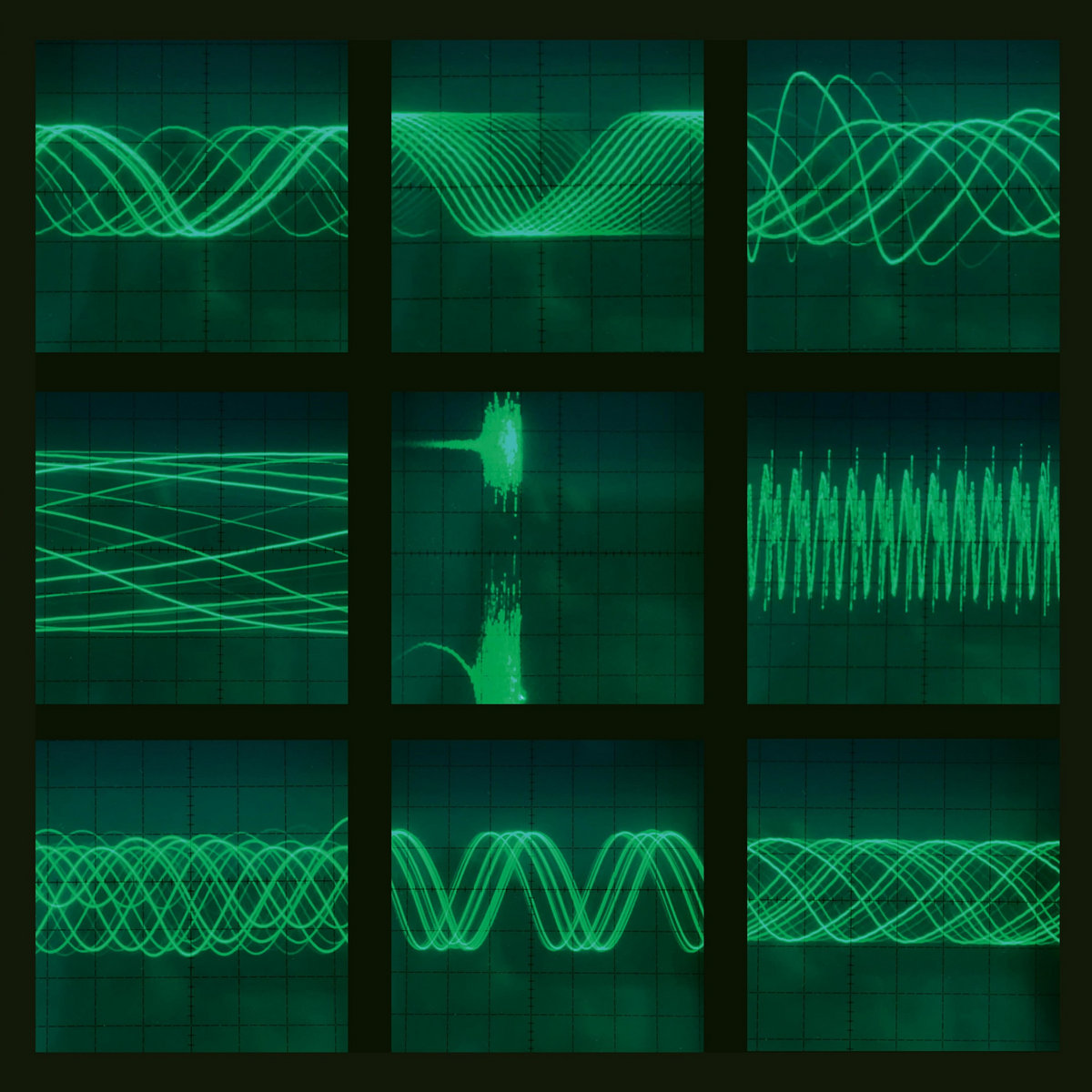 Weiterlesen
Distant Sediments: Kollaboration mit Oh No Noh, Midori Hirano und Jo David Meyer Lysne
Am 10. Dezember erscheint ein gemeinsames Tape von Oh No Noh, Midori Hirano und Jo David Meyer Lysne. Der Titel “Distant Sediments” referiert auf die Kompositionsweise der drei Stücke. Jeder Act stellte für eines der Stücke die erste Schicht bereits, wobei stets bewusst auf Leerstellen geachtet wurde um den anderen Raum für eigene meist improvisierte Beiträge zu lassen. Am Ende entstand ein mehrschichtiges Werk, das in seiner Struktur analog zu den Schichten eines Sedimentgesteins ist. Das Tape erscheint beim Leipziger Label Teleskop, eine digitale Version wird es ebenfalls geben.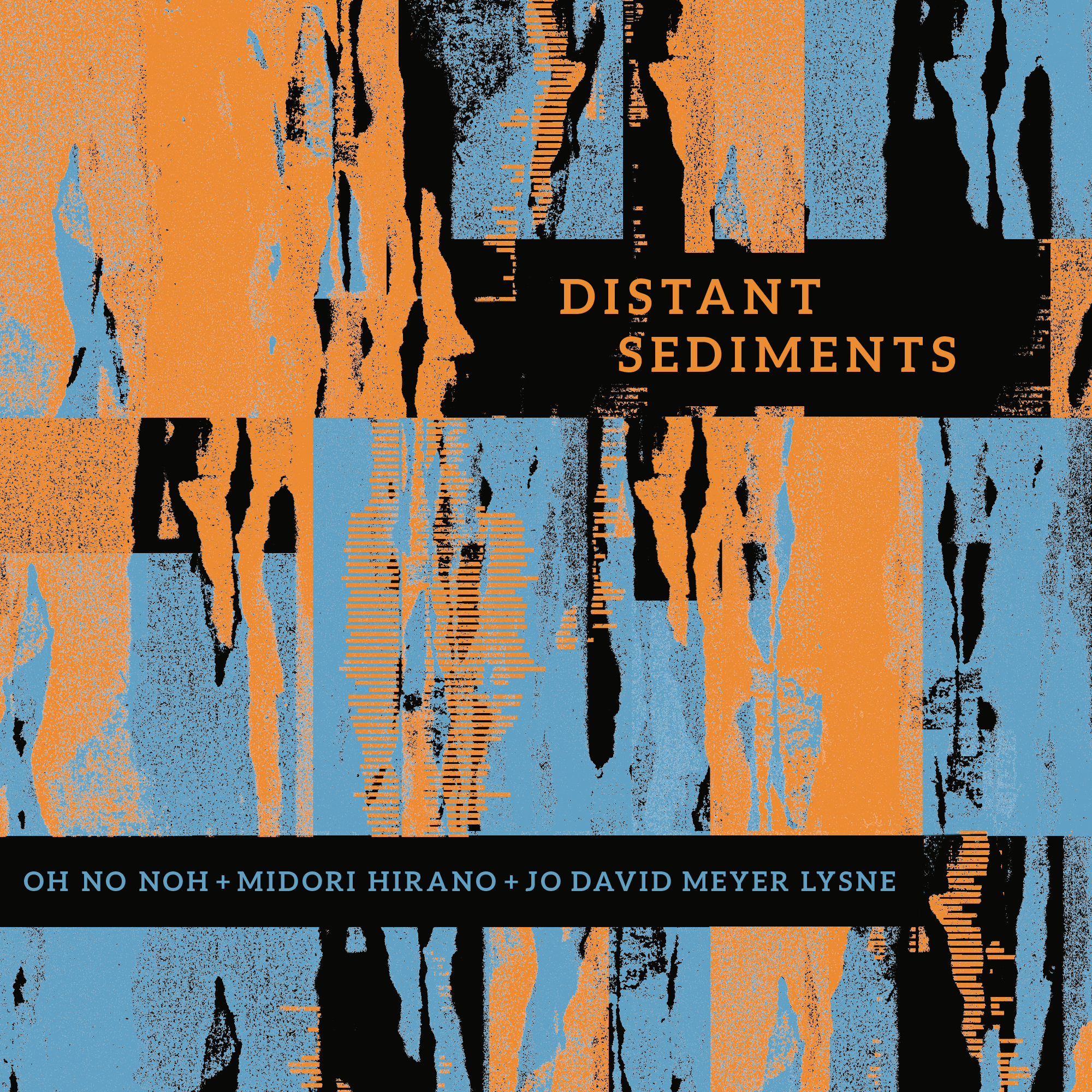 Weiterlesen
Neue Folge der Underground Institute-Picks mit Midori Hirano
Am 25. März, 20-21 Uhr mitteleuropäischer Zeit, überträgt der ukrainische Sender 20ft Radio eine neue Folge der Underground Institute Picks, diesmal mit einer zwölf Tracks umfassenden Auswahl der Komponistin und Producerin Midori Hirano, auch bekannt unter ihrem Projekt MimiCof. Hirano hat einige ihrer japanischen Lieblingsstücke seit den 80er Jahren zusammengestellt und knüpft damit an die Auswahl von Tot Onyx (group A) an.  Weiterlesen
Heroins of Sound 2020: Dorit Chrysler, JD Zazie, Midori Hirano, The Liz, Alexandra Cárdenas, Donna Maya
Die Veranstalterinnen von Heroines of Sound haben sich mit United We Stream und ARTE Concert zusammengetan und veranstalten am 10. Juli ab 19 Uhr ein Festival, das vom Berliner Radialsystem aus gestreamt wird. Im hundersten Jahr des Theremins wird dieses Instrument im Vordergrund stehen und in den Auftritten von Dorit Chrysler und Donna Maya eine zentrale Rolle spielen. Ebenfalls zu sehen sind die Künstlerinnen Alexandra Cárdenas (Live-Coding, Video), Midori Hirano (Piano, Laptop), JD Zazie (CDs, Turntable) sowie das für seinen genreübergreifenden, experimentellen Jazzsound bekannte Ensemble The Liz (Laptops, Stimme, Trompete, Video). Weiterlesen
Sonic Pieces feiert zehnjähriges Bestehen im Berliner Ausland mit Konzerten von Jasmine Guffond, Erik K. Skodvin, Midori Hirano und Christoph Berg
Zur Feier ihres zehnjährigen Bestehens als Label zwischen Neuer Musik und zeitgenössischer Avantgarde präsentieren Sonic Pieces am 20. Feburar einen Konzertabend im Berliner Ausland, einem Aufführungsort, mit dem das Label und seine Künstler von Beginn an stark verbunden waren. Nach einer Einführung von Monique Recknagel und F.S. Blumm treten Jasmine Guffond und Erik K. Skodvin sowie Midori Hirano und Christoph Berg erstmals zusammen auf und präsentieren exklusive Arbeiten. Weiterlesen
Specimens und Midori Hirano im Spektrum Berlin
Am 24. November sind Alex Ives alias Specimens und Midori Hirano im Neuköllner Spektrum zu sehen. Hirano, die auf ihren Alben Piano mit elektronischer Musik kombiniert, wird an dem Abend ein exklusives Ambient-Set spielen. Specimens wird sein auf Tapeloops, Drones und Feldaufnahmen basierendes neues Album “In the Dust of Idols” vorstellen. Weiterlesen
Zwischen Rhythmus und Kontemplation. Interview mit der Musikerin Midori Hirano
 Midori Hirano ist Pianistin und kombiniert den Klang ihres bevorzugten Instruments mit verschiedenen elektronischen Sounderzeugnissen, die ein weites Feld abdecken von meditativer Ruhe bis hin zu vertrackter Rhythmik. Letzteres ist eine noch relativ neue Ausrichtung der aus Kyoto stammenden Künstlerin, die zur Auslotung ihrer rhythmischen Ambitionen eigens ein neues Projekt aus der Taufe gehoben hat: MimiCof. Weiterlesen
Between Rhythm and Contemplation. Interview with Musician Midori Hirano
You are often described as composer, producer, piano player and soundartist. If you had to find a core element of what you do, how would you describe it?
Since I like a simple description, I’d just like to call myself a musician.
Your interest in playing the piano started at an early age. What can you tell us about the time you decided to become a musician?
During my childhood, playing the piano was just fun for me, but since when I was studying classical music at university, I got bored with playing only pre-existing music pieces all the time (and also I couldn’t really adapt to such a hierarchical society of Japanese musical education), and then became more and more interested in composing my own music. At the beginning, I was only making piano pieces, but slowly learned how to make music with computer and equipment since I found it interesting.
 Did you have any kind of heroes at that time, or at least musicians that left a strong impression on you?
Of course there are many musicians I respect, and hard to point out a single one – but at least J.S. Bach gave me a strong impression to connect to the music itself when I was a kid.
Music with a large focus on sound is often described as “experimental“. Do you experience your creative work as sort of an experiment, or would you rather stress the playful side of it?
Sometimes focusing on sound itself is fun and it can also be a good lesson to improve skills of making sounds and it enables me to hear my own music from another angle. But basically I would rather like to focus more on making a musical structure since I’ve been describing myself as a composer. For me, focusing on sounds is like trying to make gradation with one color, and sequencing music tracks is like painting with different colors.
There is this cliché that dealing with the technological side of music is atypical for women. Do you have a strong affinity to technical things, and how would you react on somebody who talks in such clichés?
Some 10 years go, I was actually working at a music studio in Tokyo which makes tracks for commercials or promotes musical equipment, and I was the only woman working there. So I’ve been used to working in this “men-society” of the music industry since then. Of course it was not easy but it still was a good training for me.
Usually I don’t really care when someone talks in this cliché, but yet not really against. Some people said they thought that I might be a guy when they heard my music for the first time, but on the other hand some other people told me that my music sounds pretty feminine. I enjoy both feelings!
 Here in Germany, it’s quite usual to introduce you as a Japanese artist. But how much do you identify with that? Do you feel your works are based in a particular culture? Do you also sometimes fear that people could exotizise you too much?
To be honest, I often feel awkward when people try to see me as a “Japanese” artist, rather than just as a musician. In the beginning of my life in Germany, and when I was touring in Europe, I was struggling with this kind of feeling that people gave me here and there. But now I’m able to take it easier – or I just don’t try to care about that. I feel like this is just how it is. (And also I know that many Japanese artists are trying to show themselves quite particularly as Japanese for promotional reasons, because they know it sometimes works pretty well abroad.)
And even though I have been learning classical music for a long time and have never learned Japanese traditional music, it is still really easy for me to compose music which sounds really Japanese because I know there are certain chord progressions and styles of melodies which are often used in Japanese old songs or pop songs which mostly sound melancholic. I was also making this feeling of music when I was still in Japan, but after relocating to Germany I gradually started to hear this kind of music much more objectively, and it made me interested in making more sound-oriented music without so much emotions. And this is actually another reason of starting the MimiCof project besides midori hirano.
Would you say that in your recent works there are certain influences that could be located as Japanese or on the other hand European?
I don’t think about that so much lately, but as I told in the previous answer, maybe there could be some influences unconsciously because of my original background. And also there should be some influences from what I’ve learned from western music.
Your musical output has two main pillars – the records you release under your own name, and those under the name MimiCof. Where do you see the main differences between both spheres? And which are the places where they both meet?
Those records which I’ve released under my own name are pretty much post-classical music, if I had to describe them. And when I’m using the name MimiCof, the music has stronger beats and a bit of dark feelings. Not everything but most of the MimiCof tracks are kind of experimental but also danceable.
But since both sorts of music are made by myself, maybe sometimes you can find some similarities between them, such as how the melodies sound like. Actually the latest EP “Magnetic Visionaries” which I released under midori hirano is kinda closer to MimiCof. So it means both can be crossing from time to time..
 When you compose a piece of music, do you know immediately if it will be midori hirano or MimiCof?
I think yes – when I started making beats, then it will clearly be MimiCof. But for midori hirano, I usually make tracks from melodies and harmonies.
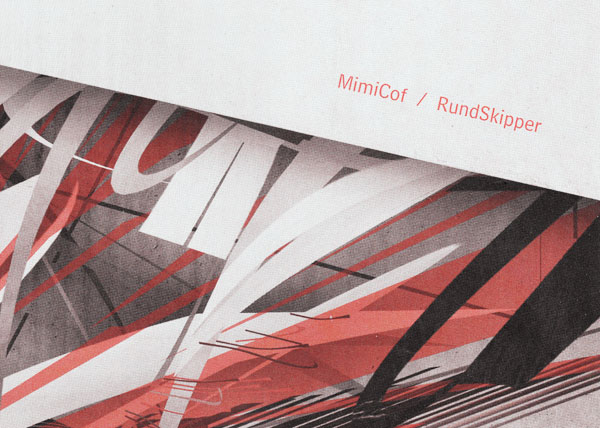
What can you tell me about the developing of your latest album “RundSkipper”? Were there any paticular ideas from which it all started? How did you get into contact with the artists who did remixes?
At the end of last year I felt like composing a more electronic style of music than before, and then tried to make some tracks as demo. At that time I didn’t have so many particular ideas about making an album. But my label boss found my new tracks which I uploaded on SoundCloud, he liked them and contacted me. That was how it started. And since then we sometimes discussed what kind of tracks should come next, to make the whole album possible. Some artists don’t like it that way as they want to make all tacks only on their own ideas, but I still like to discuss it with the label because it’s always good for me to hear some opinions from different angles, and it is also a way to improve myself.
As for the remixers, I actually didn’t think about having remixes, but since my label suggested it I thought this could really be a good idea. First he suggested three remixers to me (Serph, Go-qualia, and Fugenn & the white elephants) since he knew them, and then I also wanted to have another person from my side. I asked Frank Bretschneider about remixing – since he is a good friend of mine and I’m also a big fan of him even since before I met him in Berlin (I already saw his concert once in Kyoto when raster-noton toured in Japan some years ago). So I was really happy that he did this for me!
When I googled “RundSkipper” , all results led to you, so I guess it’s a word of your own creation. Does it refer to anything, or do you just use it for its sound?
As you guessed, “RundSkipper” is a word I made up. And it was intended to mean “a person who is skipping on the earth”. I took “Rund”, which in German refers to a quality of the planet Earth, and combined it with “Skipper”, because I thought it looked nice.
I took this word because all the people who are involved in this record are living in different places of the world – like me in Berlin, Noah (from keepadding, did the artwork) is in the US, and label boss and some remixers are in Tokyo, and then it was printed in Taiwan. 
 When I listen to this album, I always have the impression that you are interested details and how they relate to each other. Would you agree?
I think yes – I’m always trying to focus on details.
You do filmscores, and on the other hand I’ve seen a lovely video for your music. You are also interested in photos. Would you say that the sensitivity for visual perception is also mirrored in your musical style?
Not always, but sometimes yes.
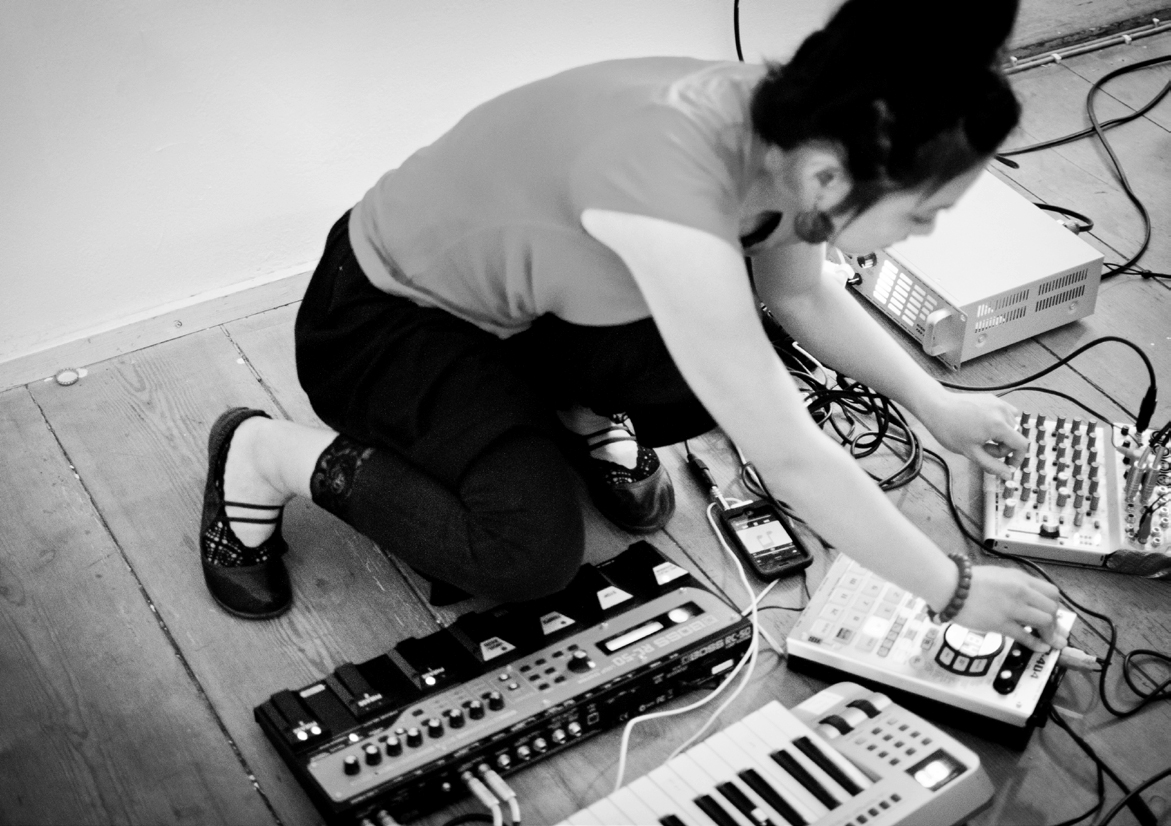
The first time I saw you perform was at the Angura Show at Staalplaat store, which was focused on experimental art and music from Japan. As the other contributions were all quite harsh, your gig seemed like an oasis of rest and contemplation. How did you enjoy this event as a setting for your own show? Do you think your performance fit well into this context?
Whatever kind of music the other people play at the same show, I’m trying to play and focus on what I want to play.. and that is the only thing I can do at a concert. And if everyone or even some of the audience like my play, then I’m happy and that’s all. At that show at Staalplaat, I enjoyed it myself too – to play in the basement and with good sound..
You will soon travel to Japan for a concert tour. Do you experience performing there very different from your shows in Europe?
It still depends on the situation of the venue of course – not only on which country it is. But I feel like the European audience tends to react more directly to what they hear or see. If they don’t like it, they keep chatting with friends, for example. But Japanese people are generally trying to stay quiet and hear it even if they don’t like it (or they just go out).
But it doesn’t really matter to me – there are always some people who want to say that they like my music at different places both in Europe and Japan. And I appreciate it.
Most music I know by you is without vocals. What can you tell us about the exceptions, and could you imagine incorporating more voice one day?
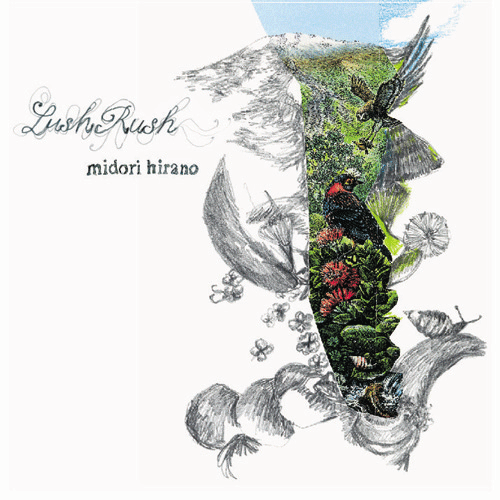
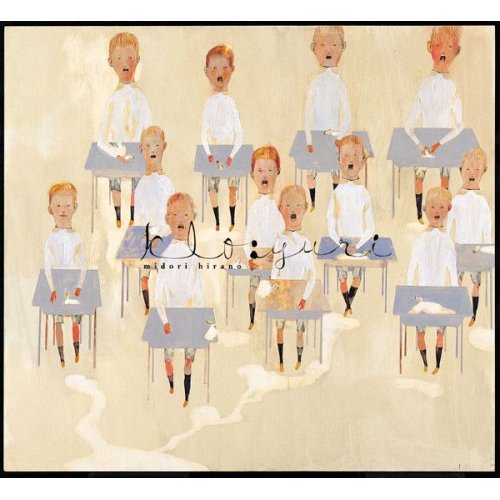
There are some vocals of mine on my older albums “LushRush” and “klo:yuri” which I have released before. You can hear how it is.. here for example: http://www.youtube.com/watch?v=iG8C4nqz814
 In an earlier interview you mentioned Yukio Mishima and Haruki Murakami as two favourite prose writers. I guess many people would find them very different. Which aspects of their writings impress you?
I’m actually getting less interested in Mishima lately.. maybe I liked his darkness in his writings before but somehow it has been too heavy for me to read his stuff these days
As for Murakami, I hate his novels, but on the other hand I love his novels – depending on the scenes he writes. And I think this is not so common to find a writer whom you could have such hate/love in your mind at the same time. Thus he has been quite impressive for me.
Do you already have plans for future recordings?
Right now I don’t have any plans for releasing new records of mine – but one compilation album (“Ryuichi Sakamoto Tribute”) to which I contributed one track (I covered a track from Ryuichi Sakamoto’s early works) will supposed to be released at the end of this year.
And I will try to record new albums of MimiCof and midori hirano next year.
Thanks for your time and all the best for your future plans.
Thanks a lot for interviewing me!
(M.G. & U.S.)
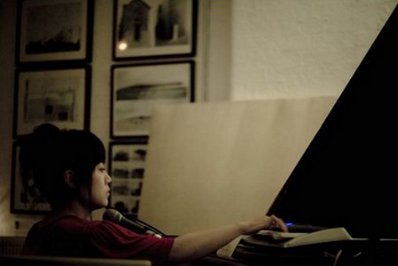
Concert foto: Stuart Lee
MIMICOF: RundSkipper
 Die aus Kyoto stammende Pianistin und Soundkünstlerin MIDORI HIRANO hat sich mit ihren Tonträgern und Filmscores längst auch in ihrer deutschen Wahlheimat einen Namen gemacht. Mit ihren ambienten Klangwelten, deren meditativer Charakter stets hervorgehoben wird, ist die Musikerin ein regelmäßiger Gast auf Berliner Bühnen; Club Transmediale und das bekannteste Filmfestival der Stadt sind dabei nur bekannte Wegmarken, kleinere Themenabende wie zuletzt bei Staalplaat willkommene Gelegenheiten, ihre Musik auch im kleineren Rahmen zu präsentieren. Weiterlesen
Angura – Experimentelle Kunst und Musik aus Japan
 Dass Staalplaat auch eine deutsche Dependence besitzt, hat sich mittlerweile sicher bis in die entferntesten Winkel der Subkultur herumgesprochen. Mit seinem Umzug von Berlin-Mitte erst nach Kreuzberg und schließlich nach Neukoelln ist der Laden wie viele weitere idealistische Unternehmen dieser Art Gentrifizierungsflüchtling und -vorhut zugleich und würde ausreichend Stoff für ein kleines Kapitel urbaner Kulturgeschichte abgeben. Weiterlesen