 When Australian folk musician Adam Geoffrey Cole releases his first solo LP sometime in the new year, it will most likely not show the typical characteristics of a debut, this fresh, bold, still a bit awkward aura of experimentation, as Cole had already been active with Trappist Afterland for ten years with a new album almost every year. However, we can assume that his music will continue to be the result of a constant search: Trappist Afterland not only advanced to Weiterlesen
Archiv der Kategorie: Interviews
Natur spielt eine große Rolle in meinem Songwriting: Ein Interview mit Dark Leaves
 Dark Leaves ist das Einmannprojekt von Patrick Aston, der in der Nähe der Küstenstadt Penzance in Cornwall lebt. Auf bislang einer EP und einem Album präsentiert er einen Dark Folk, der von der Geographie seiner Region beeinflusst ist. Im folgenden Interview sprach Patrick ausführlich über seine Karriere, seine Einflüsse und seine Pläne. Weiterlesen
Nature plays a huge role in my song writing: An interview with Dark Leaves
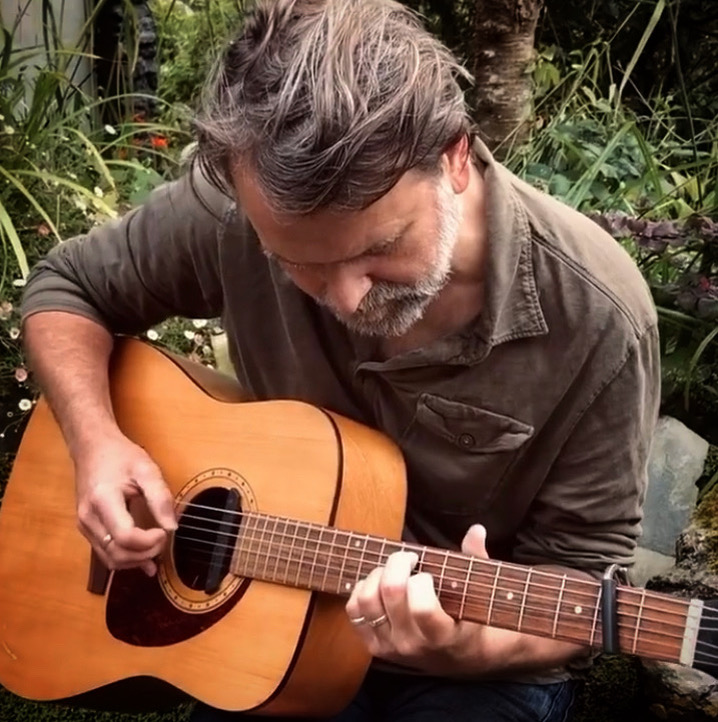 Dark Leaves is the one-man project of Patrick Aston, who lives near the coastal town of Penzance in Cornwall. On one EP and one album he has played a dark folk influenced by the geography of his home. In the following interview Patrick spoke in great detail about his career, influences and plans.
It seems that nowadays there is an ever-increasing number of terms to categorize music. On your bandcamp site you use the term alternative folk. Is that something you feel most comfortable with? To what extent would you say does alternative folk deviate from other types of folk music?
Alternative folk is a genre I’m very comfortable with. Inspiration for lyrics does still come from more traditional sources like folklore, pagan seasons, the sea and nature. I think that the alternative folk label provides artists with more scope to experiment with new sounds and song structures and move away from traditional sounds.
In a recent review my latest ep was described as Psych Folk, which is an area I’m currently exploring by introducing some more electronic sounds. I feel at home in the alternative / psych genres, and I still base everything around the acoustic guitar which is always where my songs start. The music always comes first for me and Lyrics second.
I love the fact that traditional and ancient folk music is still being played on original instruments. It’s so important that these songs are being maintained and passed on. This is a base line and constant reference to true folk music and storytelling.
I should mention that I have a guitar teacher, who sadly I haven’t seen since Covid hit, but who has significant impact on my music and playing. He’s an incredible Cornish guitarist and part of a wonderful band who play original folk music using ancient instruments. They’re called Bagas Degol and work with a brilliant storyteller to perform incredible narrated live shows.
Having a guitar teacher or mentor, stretches me and provides a sounding board for my new songs. It’s good to get other people’s views when working as a solo artist. He has also shown me how allowing space and gaps in guitar playing can add value to songs. Subtractive techniques and removing clutter can be a great way to experiment. I’m doing that now, much less busy riffs and picking style etc.
Do you feel an affinity to other artists making music now? Can you relate to Sharron Kraus, Trappist Afterland or Shirley Collins, the “secret queen of England“ (as David Tibet once put it)?
I relate to all 3 of those great artists. Maybe Shirly Collins is a little too traditional folk for me, but I still have the utmost respect for her. I saw her play at Greenman Festival, and she was amazing. Sharron Kraus is an artist I’ve only just discovered (I’m very ashamed to say!). I love all her work and especially her music with Gillian Chadwick under the name of Rusalnaia. Both Rusalnaia albums are excellent and are very inspirational for me. Adam [from Trappist Afterland] gave me the chance to support Trappist after land playing live in Cornwall last year. It was a very special gig for me and so lovely to meet Adam. We keep in touch and I love his music. Other artists I’m listening to right now and feel an infinity to, or am drawing on for inspiration, are Espers, Six Organs of Admittance, Ilyas Ahmed, Seabuckthorn, Arborea and Arbouretum.
You live in Penzance. What role do the town and the region play for you? Are your music and your lyrics influenced by the psychogeography of the place and of the folklore?
We’re about 20 minutes from Penzance and live in a tiny place called Tresowes Hill, in a remote area, about a mile from the sea as the crow flies. Cornwall is my home and was always calling me back. I knew one day I’d return. It’s a very special place. There’s a big artist and folk community here with lots of extremely talented and lovely people who draw on the magic that’s all around; in the raging sea, the beaches, the hedges, in the massive skies and in the cliffs and headlands…whatever the weather and so yes, I do relate to the term psychogeography, very much. The music I’m writing right now, for my second album, is inspired by all of those things and I’m excited to be back here to draw on those influences.
Would you say that there is a tension between the rural and the urban?
From the perspective of living in Cornwall, any tension between the two is more obvious in the holiday season. The population doubles for weeks on end with holiday makers. Whilst the tourism trade is important, our infrastructure often cannot cope with the extra demand. The other issue is that houses are being bought by people who don’t live here, for use as second homes and are only occupied for a small number of weeks each year. This is killing communities.
Musically, there have been some incredible bands inspired by city life and urban living. Bands like Radiohead and Interpol for example. Folklore exists everywhere, it’s not reserved for the countryside and folk music alone. I think Drenge’s epic song ‘Running Wild’ is a brilliant modern folk song. I’d like to cover it one day…
This is closely connected to the preceding questions. It seems that nature plays an important role in your music. I’m thinking of the bird and the tree on the cover of “Grey Stone in the Wood“ and the trees with their intermingling roots on your latest EP and your lyrics are also characterized by references to the natural world. Can you tell us a bit about your relationship to nature?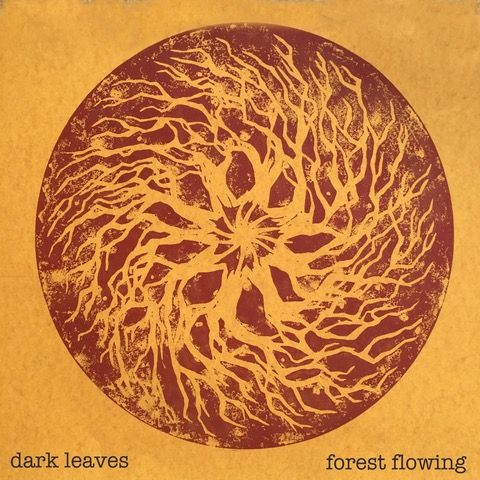
Nature plays a huge role in my song writing. I don’t think my album would have been written without being able to walk through the forest or sit under a Yew Tree and close my eyes to listen to the sounds around me. There’s a song on the album called ‘The Hidden’ which was conceived in exactly that place! I created that image on the album cover from my own photos. I really wanted an image that would set the scene for what listeners would find on the album and I think I managed it.
My inspiration comes from nature, the folk lore of forests and of the sea and from closely following the pagan seasonal festivals. I feel connected to them. I try to keep my home recording as simple and as natural as possible. I don’t stress too much about the technical side of things so that the connection to nature and natural sound is maintained. I love the recording space I have in the house. It complements the vibe I try to create and provides me with exactly what I need.
Half the songs on my album were recorded on an iPad using Garage Band. Since then, I’ve invested in a really good microphone, Logic Pro and a MacBook. I use minimal effects on the guitars. There’s no soundproofing in my room so if you listen to the spaces in the tracks you can hear birdsong in the background. That doesn’t bother me at all, in fact it only adds to the atmosphere on the quieter tracks.
I’ve recently bought myself a digital field recorder and am planning to use natural sounds and capture vibes from places of unique and special interest as soundscapes in my music. Probably on a few tracks on my next album.
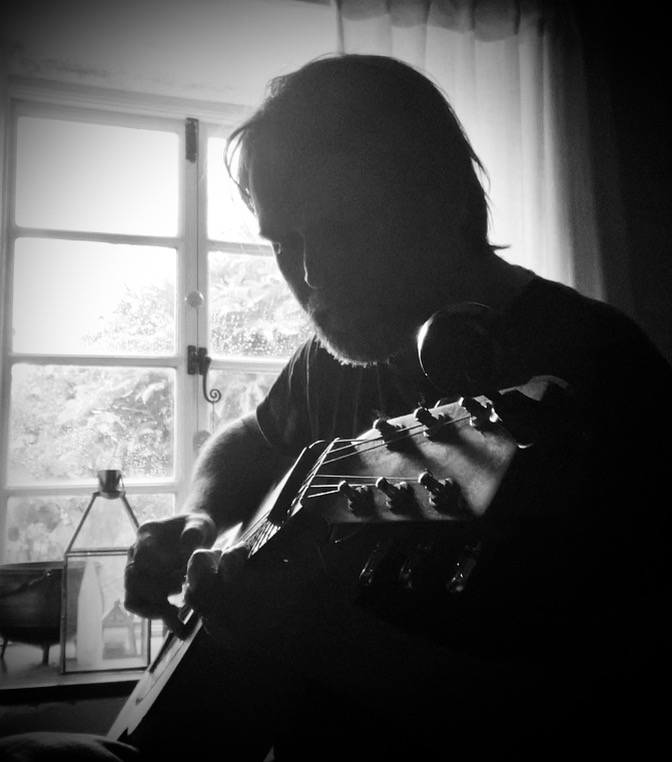 In your songs there is an often a certain element of darkness or of melancholy. Is that the way you see the world?
Ha ha! Not at all. That’s just what naturally flows from me when I’m playing and writing. I strongly suspect it was years of listening to The Cure! The subject matter of my songs and musical roots always lead me towards the melancholic / atmospheric production. I do like to immerse myself in folklore when I’m writing, and you can see that coming through in my Instagram posts and those who I follow on social media.
I do kind of have a double life between my day job and then my song writing which is a completely different side altogether! It has always been hard for me switching from one to the other but the Covid lockdown has helped as I’m working from home now and have a much better work/life/music balance.
In the last years the term folk horror has become increasingly popular (especially when talking about movies and literature) and is name checked quite frequently. Do you feel any affinity to that (however fuzzy the term sometimes seems to be)?
Yes, I do, and I love all those old 70s horror films. I grew up in the 70s with haunting children’s programmes that pushed the boundaries. The Owl Service and, in particular, Children of the Stones which has stayed with me all these years. It’s available to stream on YouTube now. I watched the first episode a while back and it still stands up as a really creepy and atmospheric series. That whole feeling is part of the music I write, and I hope it evokes those feeling in others too.
I can recommend a great book called ‘A Year In The Country’ which explores folk horror culture and is a great source for exploring folk horror roots. ‘Hauntology’, which is another alternative source of great inspiration, even if it’s just a feeling or a thought process that gets stirred. Hauntology and the related electronic music scene, centre around nostalgia and uses that to form an alternative vision of a Britain remembered differently, which nicely moves into the next question!
Can you tell us about the influence of the fictional Hookland on you and your work?
For me, the lost county of Hookland is an escape to a place where myth and legend and folklore and an alternate, parallel Britain all meet to form a wonderful rich and endless source of inspiration through thought-provoking creative writing and social media content. The Hookland Twitter account is one of the only reasons I use Twitter. It’s a place where fellow Hooklanders can contribute or watch and enjoy as distant memories of places, things, music and folklore and myth are remembered differently and brought to life.
I feel like Hookland is always close by and just an altered memory away. It’s in the 200-year-old cottage we live in, at the foot of Tregonning Hill, it’s just around the corner or just over the hedge when I’m out walking the dogs at night. It’s in the fields, in the powerlines, in the cliffs and under the sea…
There’s a song that will be on my new album called ‘The king Tide’ which is 100% inspired by the Sea Lore of Hookland and ‘The King Under The Sea’. The legend that is the lovely David Southwell, a wonderful human, author and owner of the Hookland Twitter pages, wrote a fantastic poem for me that I’ve been able to adapt and use as lyrics for the song. I’m very proud of it and will dedicate it to David and Hookland in the album notes.
Currently, it seems inevitable not to ask about the impact of the coronavirus on one’s life. Has your music, recording, creative process been impacted by what is happening right now?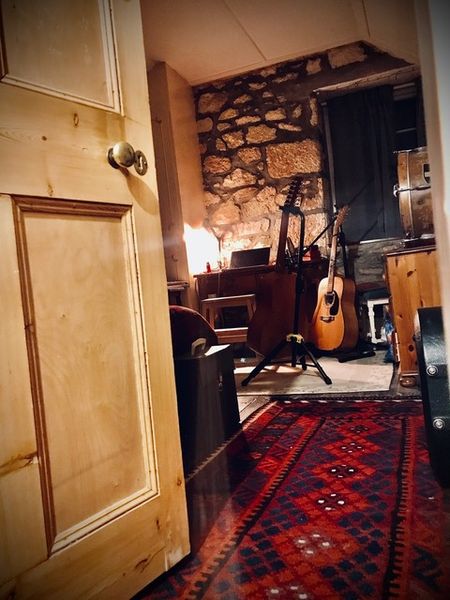
The primary impact on my life from Covid19 has been the change to working at home. The way things are now, I can’t see myself returning to an office at all to work. This has had a really positive impact on my wellbeing. I’ve been more productive and busier than I’ve ever been, sleeping more and spending more time around my family.
My guitars and recording gear are all right next to the desk I work from, so if I feel the urge to play, I can, and I do! I did go through a long period of time from April to about June where no new songs came through. Instead I focused on finishing tracks that were already started. It’s been a positive experience for me.
Your music does not seem to be overtly political but on your Instagram account you posted support for Black Lives Matter. Could you be imagining yourself a political song given the right occasion?
No, I won’t be writing a political song anytime soon. However, I do have strong political views, mainly based around equality and diversity. I’m on a learning journey around the whole BLM movement. I’ve realised that it’s not a fad, not just an Instagram post. Massive change needs to happen to get to a place where the lives of Black people, the LGBTQ community and disabled people are living in a more inclusive and respectful society.
In an Instagram post you mentioned that you used to be a goth and that you are/were a The Cure fan. Could you tell us a bit about your musical development (both as a listener and as somebody writing and recording music)?
I’ve always been a fan of lots of different genres. My earliest memory of buying my first vinyl comes from the late 70s / early 80s. I was a huge fan of The Police, especially their first 3 albums. I was also listening to American AOR & Metal, Reggae and New Wave and Punk and New Romantic. Hawkwind’s Sonic Attack, Faith by The Cure and various LPs from my Mum and Dad’s collection of 70’s folk and rock.
The first band I saw live was Orchestral Manoeuvres In The Dark, at the St Austell Coliseum in Cornwall, which was the only local large venue. I also saw The Cocteau Twins there which was a very special gig for me and my first introduction to the goth sound.
I joined my first band at 18, in the late eighties. We were called Yellow Van and started as an acoustic duo playing Bob Dylan and Pink Floyd covers in a pub. We started to write our own songs after recruiting a bassist and a drummer and played a sort of psyche / new wave style. After that, I joined a Goth band called Plague of Innocence as a guitarist. We were influenced by bands like The Cure and Play Dead.
I loved bands like My Bloody Valentine, Ride and Pale Saints. I lived with a friend that worked in a record store and he’d bring home new releases on a Friday for us to listen to. I was very lucky to have people around me with great music taste who were able to introduce me to lots of new bands.
I began to get into electronic music in the 90s too. I never really got into the dancing or the club scene, but I loved the music. Artists like Air Liquide, Beaumont Hannant, Plaid and Boards of Canada inspired me and in 1995 I wrote an Ambient Techno album under the name of Paranonia. I was lucky enough to be signed to a Belgian techno label called Nova Zembla, which was a subsidiary label of KK Records. I wrote and recorded the album in my own studio at home using an Atari and the first version of Cubase.
In 2008 an album was released that changed everything for me. Midlakes ‘The Trials of Van Occupanther’. It’s such a brilliant album. I was immediately hooked, and with Bon Iver releasing For Emma, Forever Ago, those two albums rekindled my love for acoustic music. Midlakes next album ‘The Courage of Others’ is another album I adore. I really benefitted from the guidance and experience of my guitar teacher. We shared a passion for acoustic folk, and I ended up learning and playing Nick Drake and John Martyn songs live at a couple of pubs as a result.
I didn’t start writing my own music again until 2016 and in 2018 I released the first Dark Leaves songs. These songs came naturally to me and are all influenced by my love of 70s folk and emerging new psych folk artists. The chord changes and minor keys are from my goth roots and the ambient drones and retro synth sounds from my electronic influences.
I’d like to finish by asking you about future plans, releases etc. Will there be a new album? Could you see yourself working and recording with other musicians?
I have a lot to thank the Reverb Worship label for. They heard me and offered to manufacturer and distribute my album on CD through the label. It was Grey Malkin of The Hare & The Moon that heard my music and referred Dark Leaves to them. Grey is a lovely chap and we often speak on social media. He’s very well respected in the folk horror scene and has collaborated with many other key artists in that genre, including Trappist Afterland. Their recent collaboration is fantastic. Reverb Worship have also just released a 2 track, lathe cut vinyl version of 2 tracks on my new ep a couple of months ago.
Whilst I was absolutely honoured to have a release on Reverb Worship, I’ve decided to 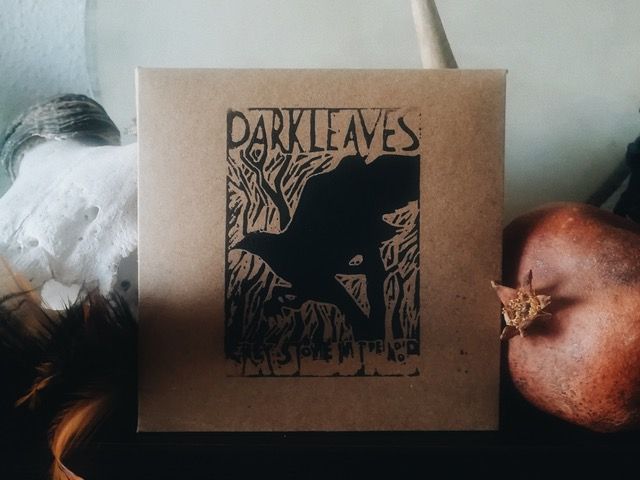 self-release future copies of the album. I’m now building and had-printing my own covers. The album continues to sell, and I’ve just made another batch for sale on my Bandcamp site. I release all my music on the streaming platforms too as I feel it’s important to have a presence there.
Next steps for me will be to finish my next album. That should be ready in the Wintertime and I’m really excited to share the songs. I plan to take a different approach for this release and am actively seeking a suitable label to release it.
I’d also like to release my previous album; ‘Grey Stone in the Wood’ and my 3-track ep ‘Forest Flowing’ (released in June), on vinyl, either self-released or through a label.
I would definitely work with other musicians and would love to play in a band with other people again someday. I’m also interested in collaborations, I’ve never done that before, but I think the technology available now makes it achievable. I’m thinking a first go at that might be to collaborate with a female singer for a couple of ideas I have for the new album. There are a couple of female singers that I think would be wonderful to record with…if only I had the courage to ask!
I’d like to do some more Dark Leaves gigs next year, with the new songs. I really enjoy playing live, but it can be daunting performing live on your own. Especially not being 100% sure that the sound is good. I’d benefit from some knowledge and expertise in that area, as I take my MacBook with me to play along with the backing tracks and I’m never too sure if the levels are right or the mix is good! It can be quite an edgy experience for someone who plays such chilled music!
Interview: MG
It’s uneasy, it’s dark. Sängerin Elspeth Anne im Interview
 In vielen Ländern der Welt und auch Europas wirkt die Vorstellung einer folkigen Musik, die gleichsam dunkel und morbid ist, wie ein interessantes Konstrukt. Auf den Britischen Inseln hat das, was man Dark Folk nennen kann, eine lange Tradition – überlieferte und eigens geschriebene Songs, die man auf Platten von Shirley Collins und anderen findet, offenbaren oftmals eine Schlagseite zu einer spukhaft eingefärbten Melancholie, und zahlreiche Beispiele aus klassischen Filmen, Literatur und bildender Kunst lassen sich finden. Die in Weiterlesen
It’s uneasy, it’s dark. An Interview with Singer Elspeth Anne
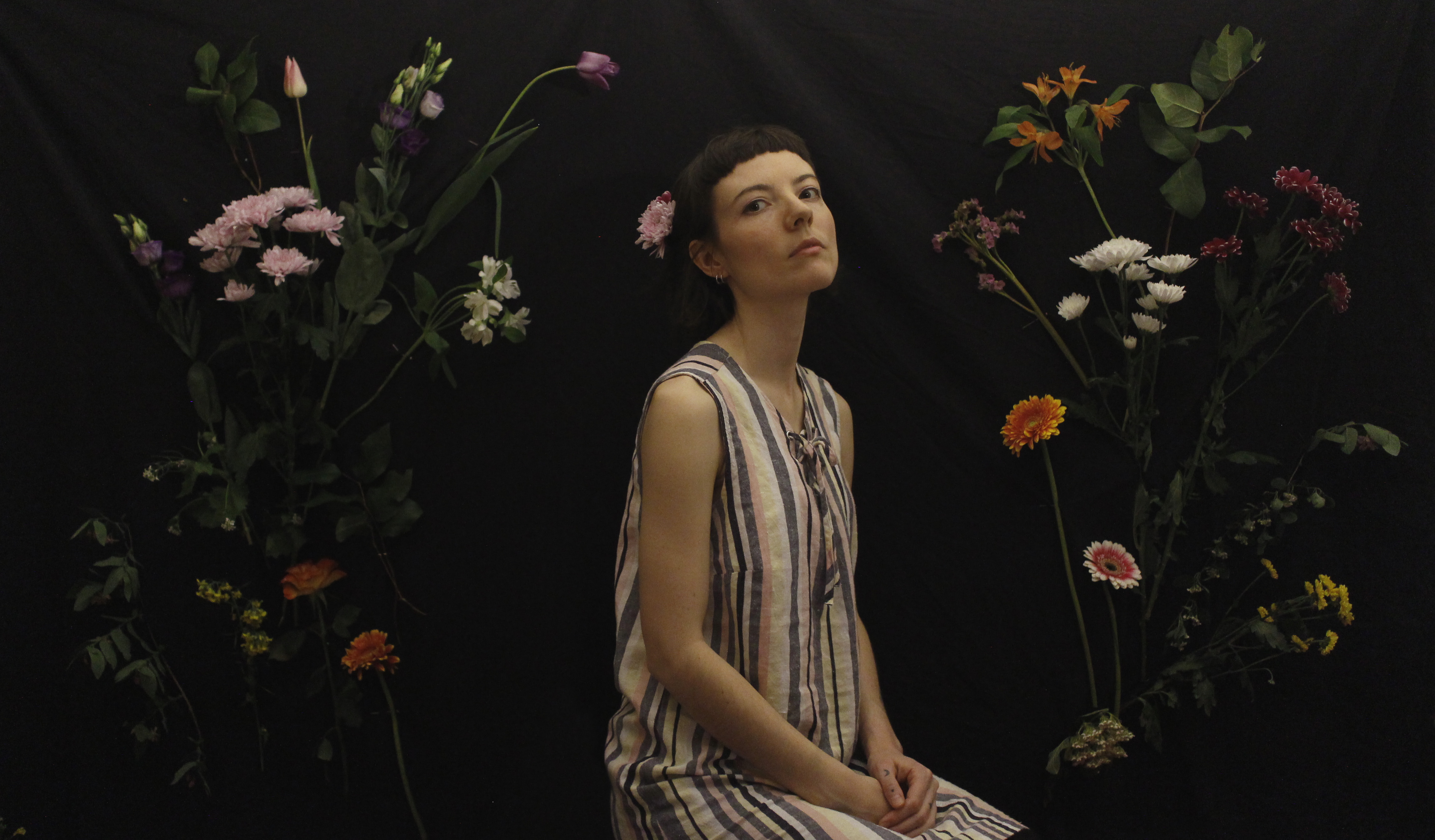
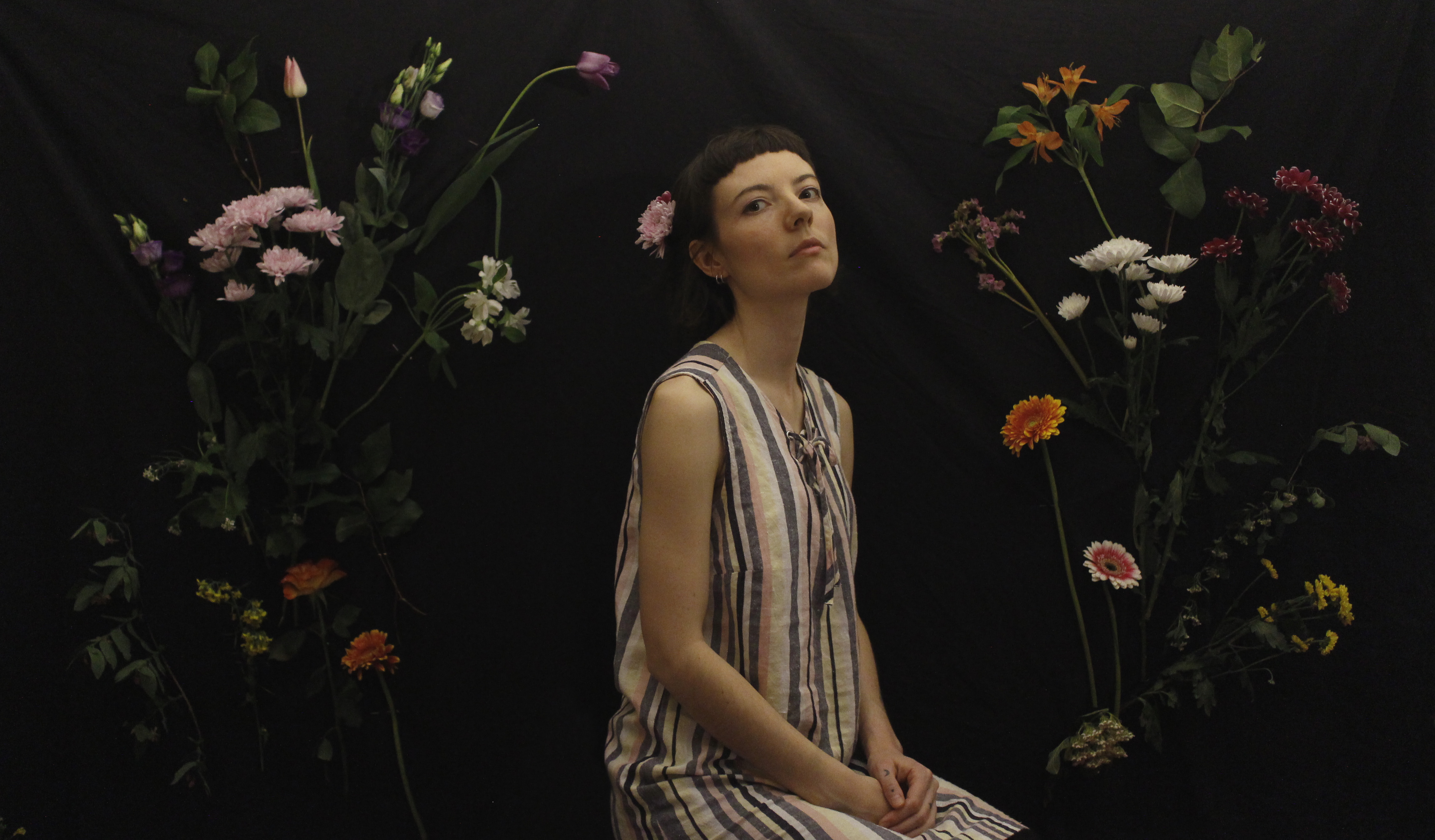 In many countries of the world and also in Europe, the idea of a folk inspired music, which is dark and morbid, appears as an interesting construct. In the British Isles, however, dark folk music has a long history. Traditional songs, which can be found on records by Shirley Collins and others, often reveal a haunted melancholy, and numerous examples of a similar nature from classical films, literature and visual arts can be found. Today, the German-based singer Elspeth Anne is one of the most interesting representatives of this tradition. She mixes folk traditions with unaffected rock influences reminiscent of the time when grunge and riot girl bands had not yet been rammed. In this form, the pieces are also an outlet for the abysses of everyday discomfort. Our interview was done on the occasion of her recently released album “Night Island”, which ends the hiatus after the acclaimed “Thieves Again”.
There was a five-year gap between “Thieves Again” and “Night Island”. Could you say a few words about the time between these two records?
Aside from the time it took to write new songs and record them, I was going through a very personal traumatic situation for much of that time. In a lot of ways it’s still affecting me but as time passes i have more and more energy for other things. Sometimes I’m a little amazed that i managed to make a second album at all; there was a lot of days of going back to bed and staring at the ceiling for hours.
Did your approach to writing and composing for the two albums differ?
I challenged myself to write slower songs for Night Island when i heard Thieves Again in it’s entirety and realised how hectic it is. It’s great like that but i think it was partly so because i didn’t know how to write slower material. In just changing the pace of the songs you naturally access and draw out different feelings.
Would you say that writing slower music feels like a more honest way for you to express yourself?
No, not more honest, just different. But for me i think admitting to sadness is sometimes harder than admitting to anger and writing a slower pace brings the sadness to the front.
Are there typical situations or moods that usually give you ideas for songwriting?
I’m sure there are but i can’t really put my finger on what situations or moods. Many of the songs on Night Island i can trace part of them back to going to certain places in nature, though it’s not like every time i see a tree i have fantastical musical vision…
Do you see these locations as places you feel at home in or do they rather provide you insights into the unknown?
Both. I feel at home in these places and that gives me space and energy to take on the Unknown! and be excited by it instead of anxious or scared.
On your Facebook page you quote Ally Hardy who stresses that you are a “walking contradiction” and you yourself have descibed your music as both “feral-folk” and “ghostpunk”. Would you say that this oscillating between genres/labels is a means to avoid predictability?
How important are genres for you? Yes, i guess that is why i did it though I try to do less oscillating between genres these days – i think it can be a very subtle form of self-sabotage, making it awkward for people to access you. It can be hard to know what labels to give yourself to make yourself available to your people, but at the moment i’m thinking simpler is better.
This is related to the preceeding question: Your music seems to owe much to both folk and rock. Can you give us a quick trip through your musical socialisation?
My mum listened to a lot of folk music when i was a child so i absorbed a lot of things that way. I got into rock music when i was 12 or so, under the influence of my older sister. Discovering punk in various forms was what made me feel like it would be possible for me to be in a band, and to write my own songs, and that it doesn’t have to be certain way. Coming back to trad folk more and more in my twenties made me aware of it’s similarities to punk, particularly the idea that it’s for everyone – you can be involved, you don’t have to just watch someone else play.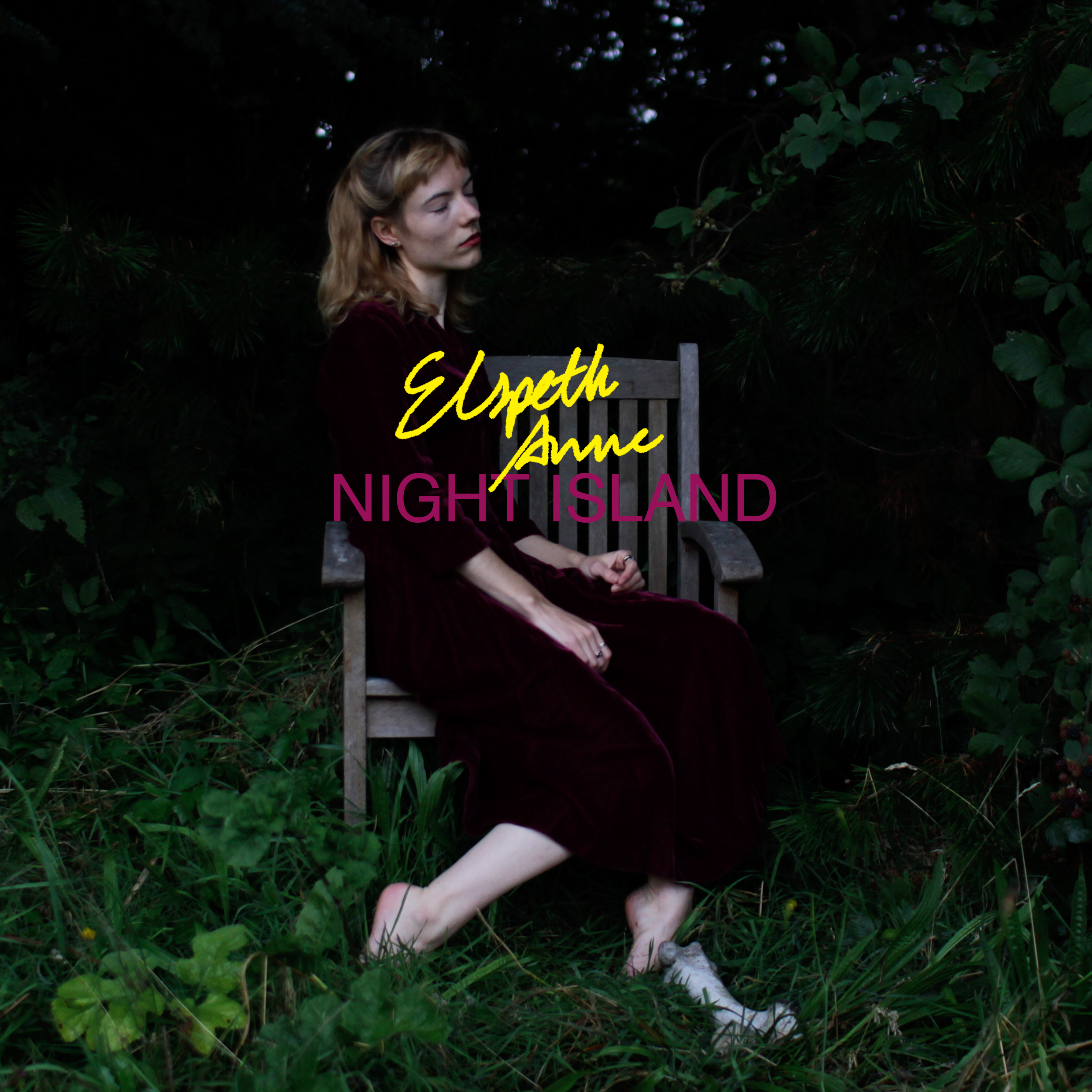
When you characterize your album (maybe a bit tongue-in-cheek) as “uneasy listening”, is that also a comment on some types of music that are all too easy to digest and are maybe closer to muzak?
I didn’t think of it as a comment about other music actually, just that the album has such strong themes of fear and paranoia – it’s uneasy, it’s dark – it’s not a very fun or comforting album. I definitely listen to a lot of music that might be considered easier to digest, i wouldn’t knock it.
I watched a video for one of your older songs (“When They Are Lonely”) and while some of the symbolism and imagery may certainly resonate with the folk horror crowd, the film language defies such easy categorizations. Can you say a few words about this video in particular and the role of videos for you in general?
With that video i had so many ideas and images and just crammed them all in! if i made it again i’d edit it down, make shots last longer etc. But it honours my hectic, hyperactive side for sure. i’d not really thought of it as folk horror but it does fit there. I’m a huge Jan Swankmajer fan and his work influenced a lot of my earlier music videos and my interest in stop-motion animation.
I think i’m still figuring out the role of videos (and visual art) is in relation to my songs, i feel i’m always trying to bring them together but i haven’t gone far enough yet.
I really enjoy playing around with mixing moving image and sound, i find it very easy to get into the flow of that type of work. At the moment i’m looking to collaborate more on visuals – photos, music videos etc. SKF Recordings did my latest music video (for Fog/Haar) and it was so refreshing to collaborate on the vision for it.
It seems that artwork, lyrics and videos generally play an important role in your works. So if you have an idea for something new, is it always the music that first comes into your mind, or can it also be a verse, a visual image, an aspect of packaging or anything else, that can be the initial spark for a new song?
That’s a very good question – it’s not always the music that comes first. All my creative threads weave in and out of each other all the time. For example, some lyrics on The Hollow on Night Island started out as a painting (which was part of the cd artwork for the Cave EP in 2013) and there’s a lot of threads like this in what i do. I often go back and forth with ideas between visual art i make and music – a song will inspire an image which will then birth another song.
You have also worked within the context of a band. Is there anything that you miss when working as a solo artist (compared to Cabin Music)?
I miss having other peoples input and sharing the experience. In Milkteeth we swapped instruments all the time, depending on who had written the song and I loved that, it feels like the most natural way to be in a band to me. i miss that a lot! When i’m solo i sometimes feel very stuck in place.
I definitely get more shit when i play shows on my own – not every time, but when i’m touring as a lone woman i get patronised and/or harassed a lot more. Plus people will try and underpay you more often. Though having said all that i know plenty of women in bands who still get this treatment so it’s not a solo artist problem. The female solo artist problem is more that this sort of treatment can translate to feeling unsafe if you’re alone.
“The Changer” also exists in a more percussive version on your latest Cabin Music album. What was the reason for you to rerecord it solo?
The Cabin Music version is actually the rerecord and i did it because it was so much fun to play with more live weight to it and it fitted in so well with the other four songs on that EP. it’s a song that has more than one thing to say so i always knew it would end up in a few different places.
Are there new recordings planned for Cabin Music?
No, not really. It’s seeming less likely as we (the members) have gaps between us – physically in that i’m in Germany and they’re settled in UK, and that we also have different levels of commitment.
What can you tell us about your former bands Milkteeth and Twitch & Shout? Seems we missed them here in Germany..
Milkteeth was my first band, when i was 16, 17 years old – A duo with my best friend Leili that lasted just over a year before she died of a bacterial infection. We crammed a lot into that time, playing shows most weekends, recording enough material for two albums. We both wrote songs and swapped between playing guitar and singing, and playing drums and backing vocals. Twitch & Shout was also quite a short-lived project, but not as prolific. Basically my songs and vision but with drums and bass backing it up.
Have you released albums with these bands?
Yes, two with Milkteeth! Making Cracks and How to Be A Better Person. And Twitch & Shout made one EP:
Maybe it’s a bit far-fetched but I was wondering whether the line “Nobody saves you and you drown” is an allusion to the end of T.S. Eliot’s “The Love Song of J. Alfred Prufrock”.
I’m a TS Eliot fan but i actually didn’t know that one til now so, no. Though i sometimes feel like some of my lyric writing process is coming up with really good lines and then realising they’re lines from The Hollow Men.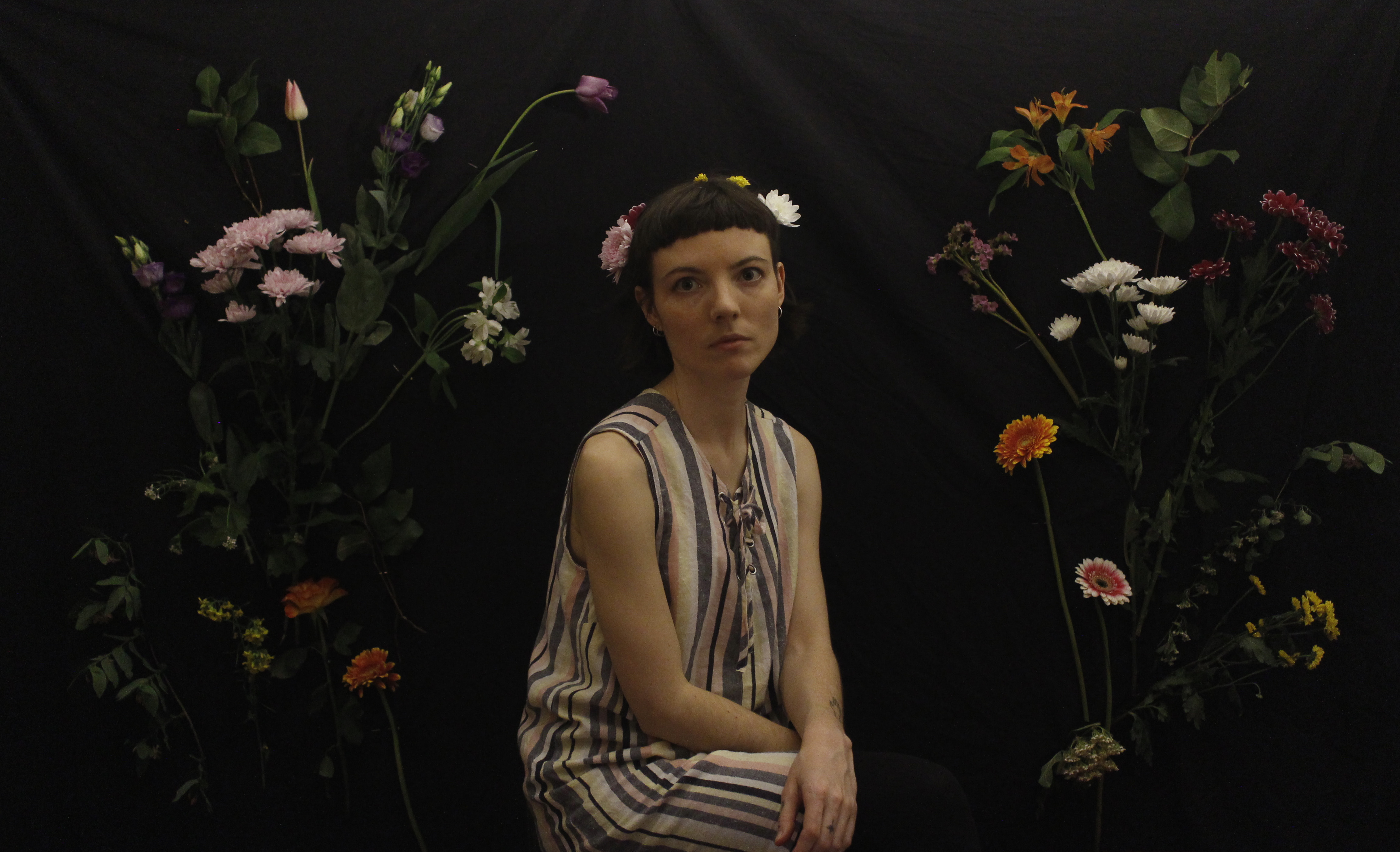
It seems that given the current situation it is almost inevitable to ask an artist how she has been affected by the Corona crisis. Could you say a few words about that if it is not too personal a question?
I think it’s a bit early to guess the full effect in any way at this point; i mean, there’s obvious things: like a lot of people in the music industry i suddenly have no income. I’m lucky to not be too concerned if i catch the virus but i do worry a lot about family and friends who are vulnerable or high risk. On the plus side, it’s given me a bit of breathing space to reassess what I’m doing and why and how; I didn’t realise how much i needed that until now. I think after this I’ll be doing everything differently…
As I spent some weeks in Weobley, Herefordshire, during a teenage school exchange. As you’re also from the West Midlands yourself, I’m just curious about how this part of the UK is today… Is there some vital music culture, though it might be a bit far off from the well known hotspots?
Not that I’ve seen. Though when i was a teenager playing in bands it felt a lot different, more vital. How did you find it as a teenager?
What fascinated me was the fact, that on a surface level it was very much like the small town environment I grew up in and still lived these days, apart from the fact that everything looked and sounded a bit different. I loved to explore things there and enjoyed my first time abroad without my family! By the way, you’re based in Berlin now for some time. How have you experienced this place with it’s particular music and art scenes so far?
I feel very welcomed by the music crowd i’ve met so far, it’s really nice. I feel like there’s lot more to explore too, and so many art and music scenes to delve into. It feels like i’ve only just got started here.
(Interview: M.G. & U.S., Translation: U.S. & N. Seckel)
Elspeth Anne @ Bandcamp | Youtube | Facebook | Patreon | Mailchimp
Basically I make music that I like to listen to. Interview mit Alan Trench
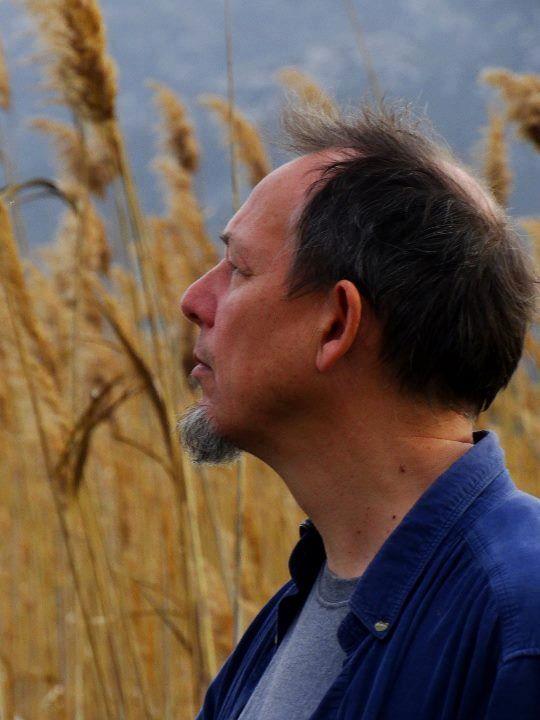 Als der heuten in Griechenland lebende Alan Trench noch zusammen mit zwei Kollegen den bekannten World Serpent-Vertrieb leitete, bekamen viele erst nach und nach mit, dass er auch Musiker war. Um seine Folkband Orchis, von der 1994 der erste Longplayer herauskam, machte er wenig Wind, und so avancierte das geheimnisvolle Trio zu einem Geheimtipp, der halbherzigen Musikkonsumenten meist entging. Als diese Ära um die Jahrtausendwende zuende ging, hätten wahrscheinlich wenige damit gerechnet, dass Weiterlesen
Basically I make music that I like to listen to. An Interview with Alan Trench
When Alan Trench, who currently lives in Greece, co-headed the well-known record distributor World Serpent, many people only gradually realized that he was also a musician. He made little fuss about his folk group Orchis, whose first CD came out in 1994, and so the mysterious trio became an insider tip, mostly missed by casual music consumers. When this era ended at the turn of the millennium, only few would have expected that Weiterlesen
Stimmen aus Heterotopia. Interview mit Anna Linardou
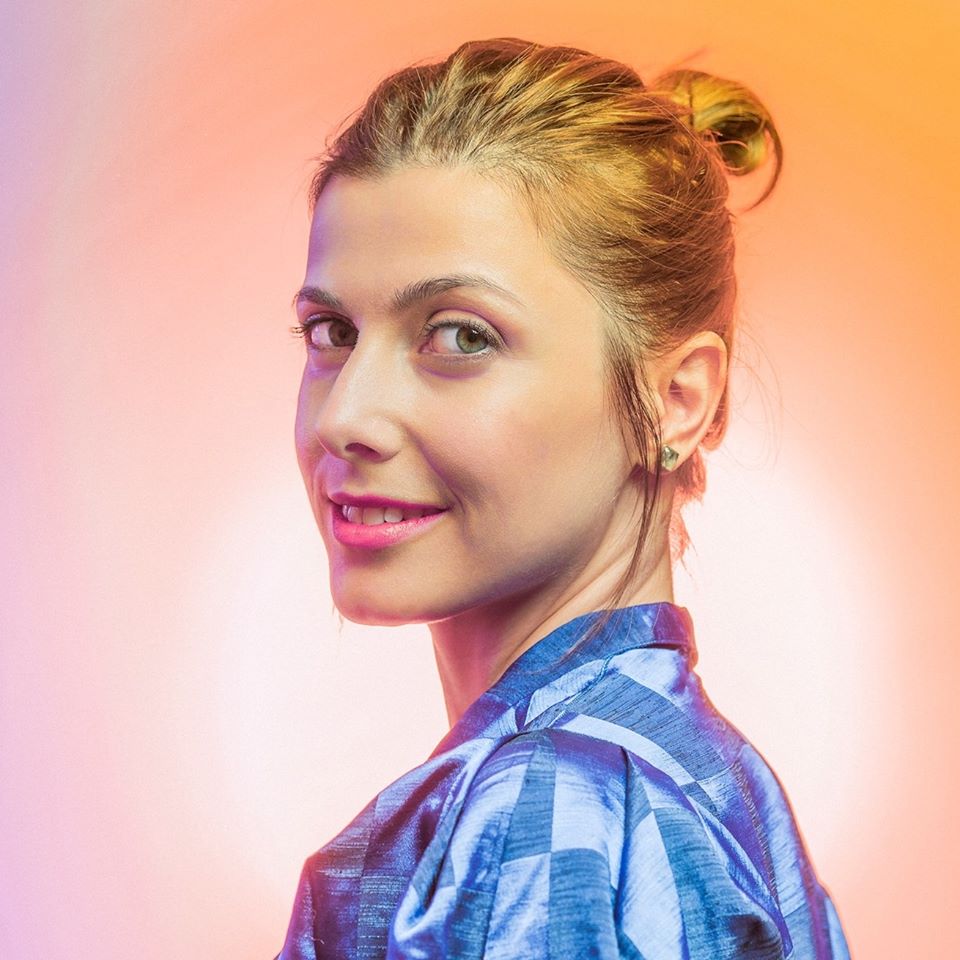 Anna Linardou veröffentlichte vor einigen Monaten ihr erstes Soloalbum, das ganz im Zeichen der Heterotopie, des “anderen Ortes” steht – eines weiträumigen Bereichs alternativer Möglichkeiten, der oft im Rahmen kindlicher Fantasien erkundet wird und der doch weit mehr ist als ein irrationales Refugium. Das recht umfangreiche Repertoire der Sängerin und Stimm-Performerin reicht von kreativen Vokalexperimenten bis zu populären griechischen Kunstliedern, vielen Weiterlesen
Voices From Heterotopia. An Interview with Anna Linardou
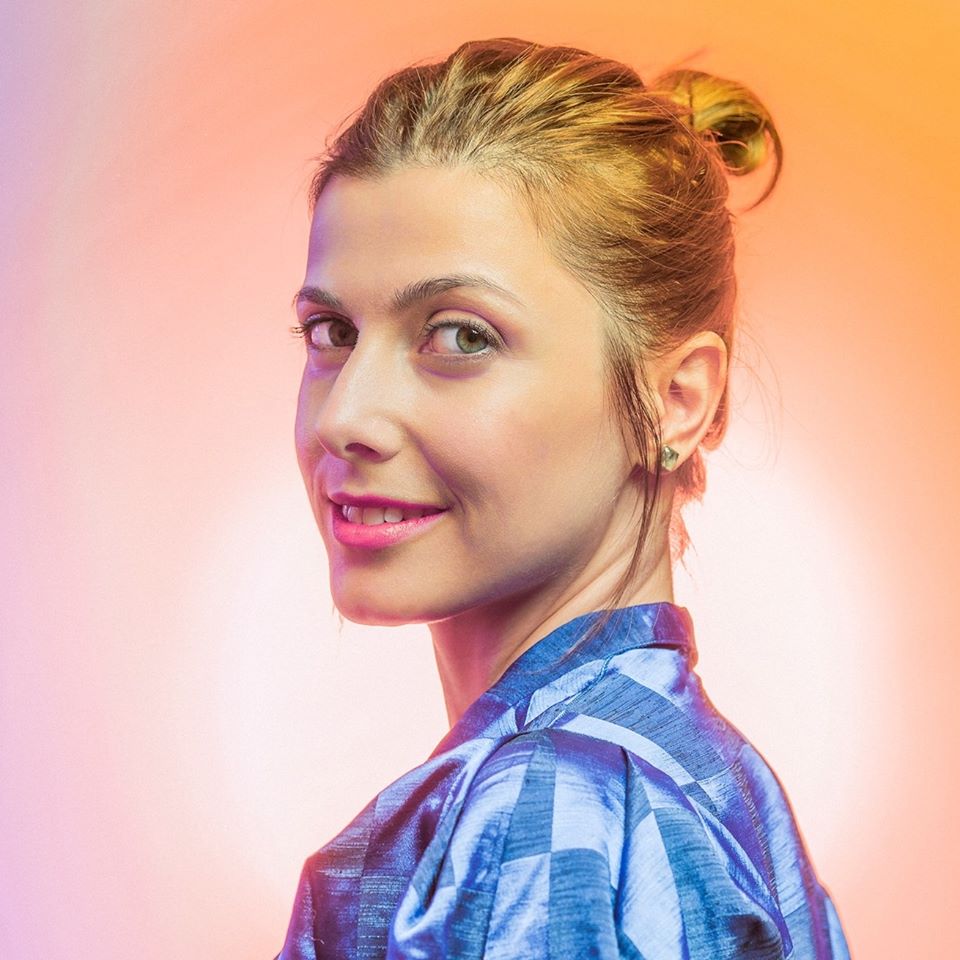 Anna Linardou recently released her first solo album, which is all about heterotopia, the “other place” – a wide range of alternative possibilities that is often explored in the context of child fantasies and which is still far more than an irrational refuge. The singer and vocal performer’s extensive repertoire ranges from creative vocal experiments to popular art songs from Greece, and many of our readers have noticed her for the first time as part of a biotope in the greater Athens area, which includes Weiterlesen
I don’t see any point in wasting time doing the same things: Ein Interview mit Michael Gira
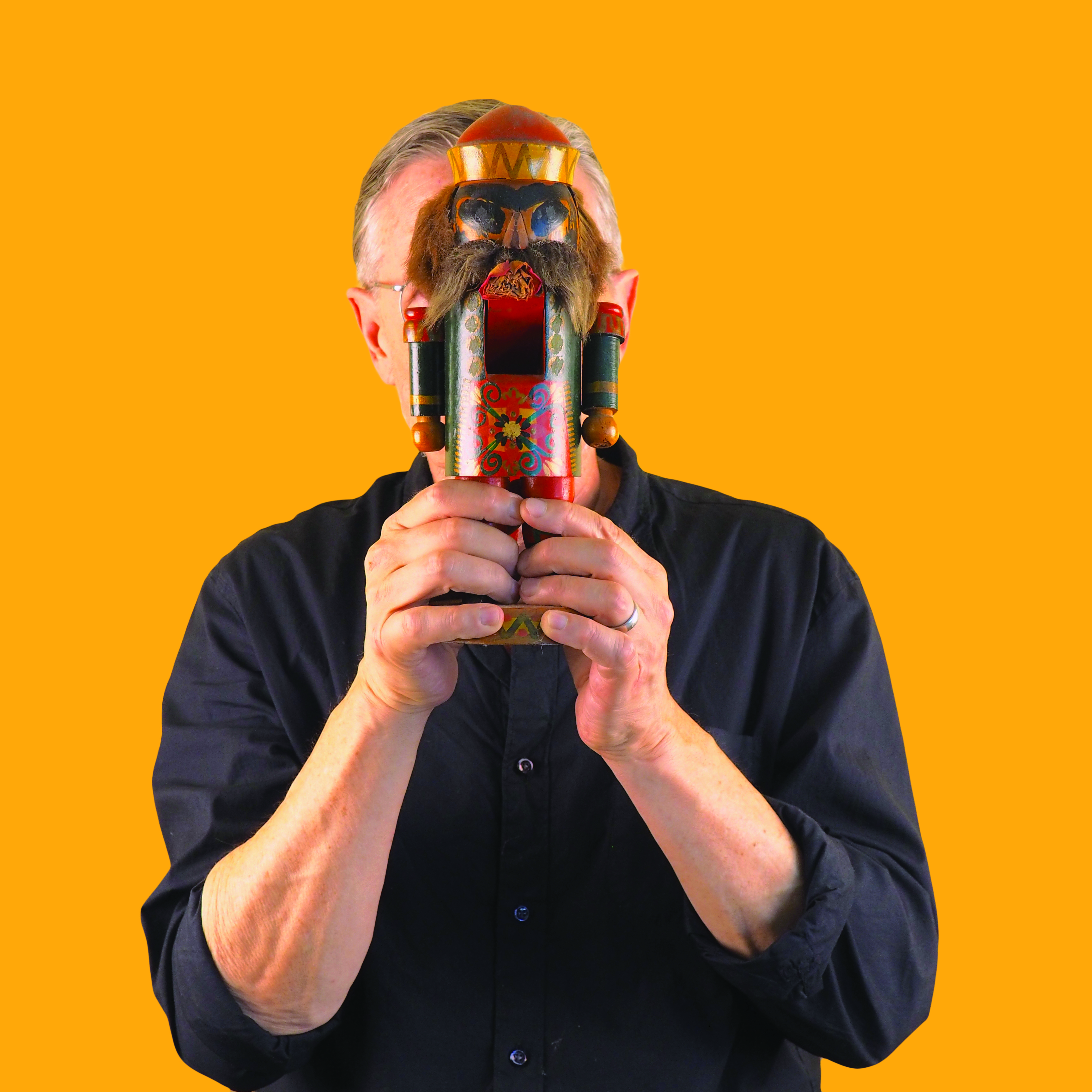 Michael Gira hatte kurz vor Veröffentlichung des Albums „The Glowing Man“ bekanntgegeben, die Swans in der festen Bandkonstellation, wie sie seit 2010 existierten, aufzulösen und künftig mit einem losen Kollektiv von Musikern arbeiten zu wollen. „Leaving Meaning“, das jüngst erschienene Album, wurde dann auch sowohl mit altbekannten Musikern (z.B. Christof Hahn, Thor Harris, Norman Westberg) als auch mit neuen Gesichtern (z.B. Ben Frost, The Necks, Baby Dee, Anna von Hauswolff) aufgenommen. Weiterlesen
I don’t see any point in wasting time doing the same things: An interview with Michael Gira
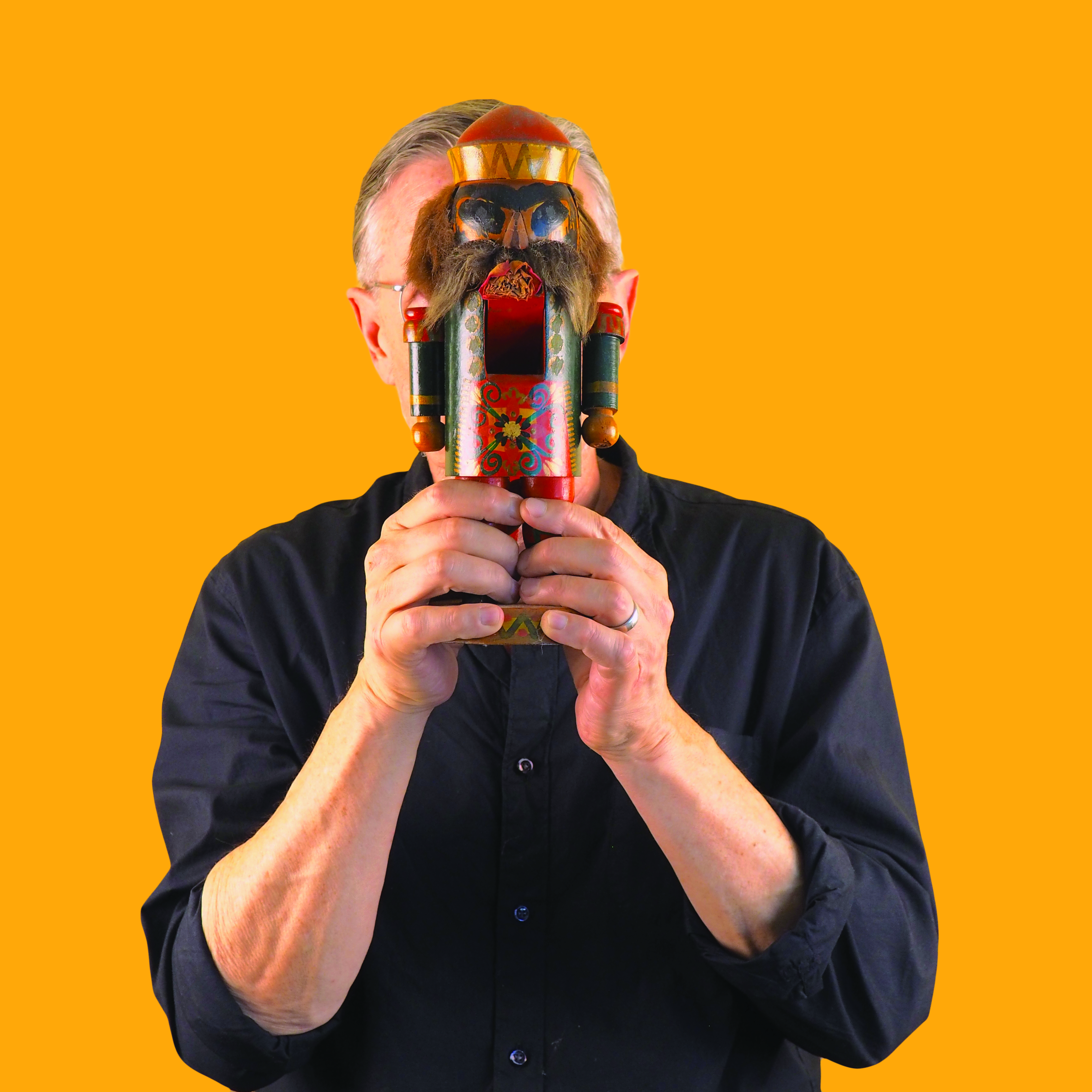 Shortly before the release of their previous album “The Glowing Man”, Michael Gira announced that he would disband the Swans in the fixed constellation, in which they had existed since 2010, to work with a rather loose collective of musicians instead. “Leaving Meaning”, the recently released album, was recorded with well-known former band members (e.g. Christof Hahn, Thor Harris, Norman Westberg) as well as with new faces (e.g. Ben Frost, The Necks, Baby Dee, Anna von Hauswolff). I spoke to Michael Gira while he was on a solo tour in Europe.
I remember reading some years ago that you said that that particular incarnation of Swans felt like the most connected group. Later you announced that you would stop Swans the way they had been going for some years. Would you say that it was a logistical matter, a physical, a financial one? I mean, I saw you live a couple of times, in Cologne, Frankfurt, Atlanta and it was an incredibly physical experience – in the most positive sense of the word.
Sure, for us it was physical, spiritual, emotional. Everything. It was a high point of the career because as a group we were kind of clairvoyant. We’d read each other’s minds as we played and since improvisation was such an important part of the process it enabled the music to unfold in front of us as we were witnessing it and not actually making it happen ourselves. It was very strange but after having been in such close proximity with six people, for well over 200 days a year, you begin some point of diminishing returns. There’s no further you can go with it. So I think we cut it off at the kind of correct time and it was a good point to move into something else, something unfamiliar.
In the inlay to the CD with the demo versions of the new songs it says “record the album. With whom? Where?“ How did you decide who would be part of this new incarnation of Swans and who would do what?
Well, I made a list of ideal people with whom I would collaborate and it was based not only on their musical skills but I pictured them in a room with me or with the group of people playing and how would that look? How would that feel? So I chose people according to those criteria. Musical skills one of them, but also who they are what their sensibilities are. That was just as important. That’s how I came to work with these people on this record. It’s no longer a band per se. It’s just a collection of individuals I gather in order to produce a record or to make a tour.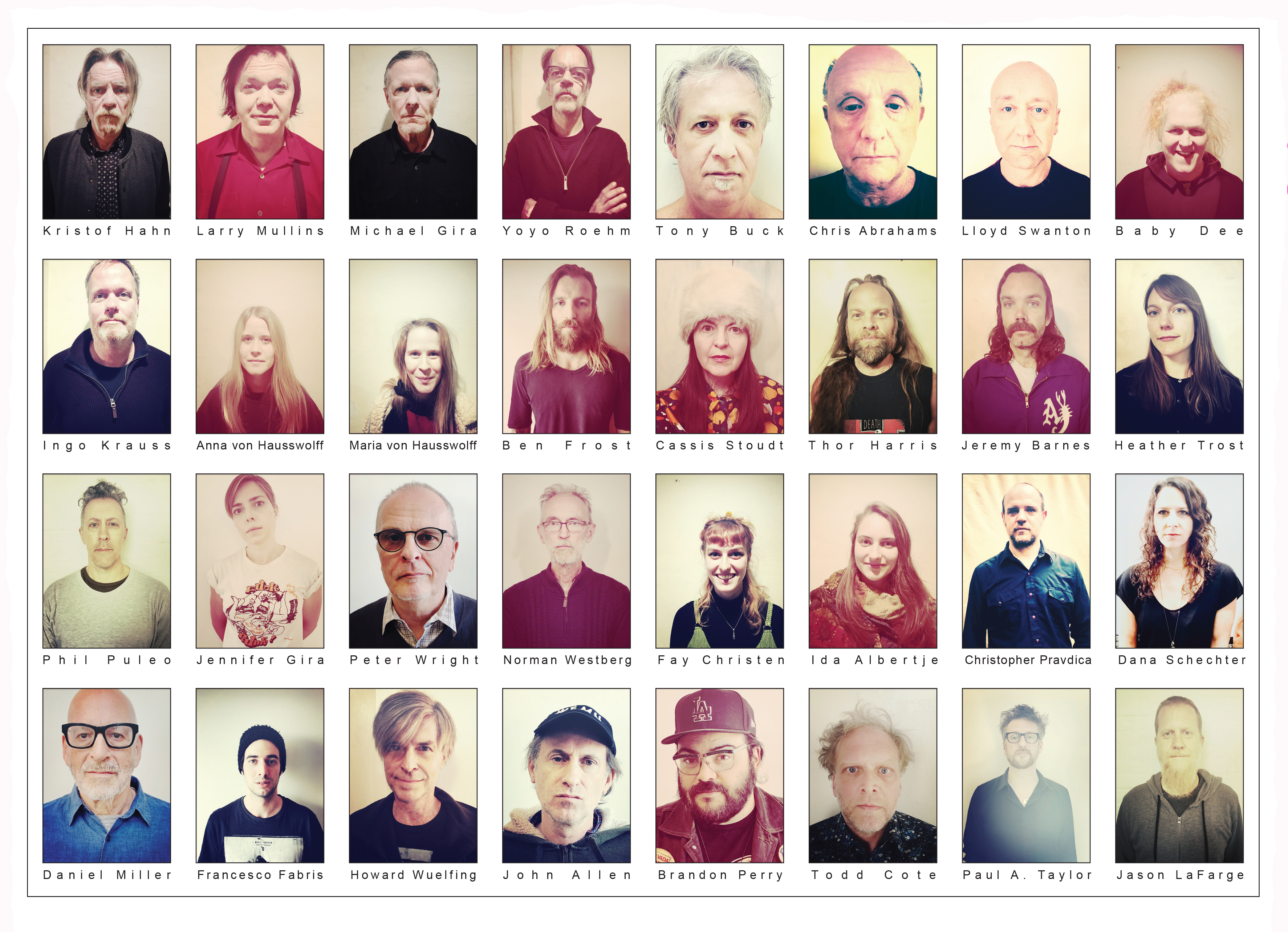
How did you decide that Baby Dee would sing on “The Nub“? She’s amazing.
She played with us on a couple of tours. I love her personally. She is tremendously talented and funny and great as person. I was playing the guitar figure that is the basis of that song and I was humming along and then suddenly there was this image in my mind that came out of nowhere: Baby Dee floating in space wearing nothing but diapers drinking milk from the stars.
I guess she loved that image.
So having that image allowed the song to write itself and then I contacted her and she thought it was a wonderful idea singing that song and I think she appreciated the work and so I flew her to Berlin to perform the song. She did it like a true professional in one take. She is a great cabaret performer. So that was a wonderful experience.
What would you say is the relationship between the new album and the last three? You may call them a trilogy. There seem to be similarities but also differences.
I work with a lot of people and I collaborate with them and I’m also the director, I suppose that’s a good word for it. It was my job to decide what things in the last three albums were becoming predictable and what things were a potential to move forward. So I chose things that could move forward. Certainly not have the kind of slow motion explosions on a downbeat that became a signature, a kind of trope for Swans. Nor could I have the ever escalating crescendos or the tornadoes of dissonant sound. So what remained? What remained were the songs and the tones around the chords and the voice. Then the task was how to create a visual picture, an audiovisual picture. So I gathered the musicians and then I kind of directed it.
You’ve just mentioned that there aren’t any more of those crescendos anymore. I feel that the new album is – for want of a better term – slightly more contemplative.
When I’m in the studio making music, I don’t use adjectives like that to describe it. I don’t see it in the history of a band. I don’t place it in a pop context. I don’t apply any kind of critical thinking in that regard.
When looking at some of the words on the album: When I listened to “Your Phantom Limb“ and there it says “music is sacred / love is sacred / silence is sacred“ and at the end you’ve got “we’re flying / we’re rising“. Would you say that is somehow a programmatic?
Problematic?
No, programmatic. In the sense of this being a central idea, a leitmotif.
I don’t know. Perhaps. I suppose if one concentrates, truly concentrates on their existence, inwards and outwards simultaneously, everything achieves an equal urgency. It’s those states of mind that I admire really. Without judgement or even words to be subsumed, completely penetrated by experience is an ideal state of mind for me.
 Would you say that that is something than you can also – ideally – achieve in a live context?
Certainly in the last version of Swans there were times – not all the time, certainly – when the music was churning and unfolding. We weren’t playing. It was happening to all of us including the audience. With our active participation but to an extent where it took over. It was really a kind of wonderful thing being so exactly attuned to the magic of experience through sound.
Well, every time I saw you I thought this is extremely physical, also for the audience and I asked myself how you managed to do this – especially when you are on a long tour.
I don’t know how we did it. I don’t do it anymore. I’m sixty-five years old and there’s something in my bones resembling age and the kind of stamina that is required for three-hour performances, six nights a week, no sleep etc. is not possible anymore but it was not only physical it was also something beyond that as well and it was tremendously rewarding for us and also for the audience. It was a great experience and I’m very happy that that was a part of my life.
You mentioned at the beginning when you talked about the recording of the new album that you didn’t want to repeat yourself and I’ve just read that on the new tour you will play material from “Leaving Meaning“ as well as unreleased material, new material. Is that right?
Well, yes. This material doesn’t exist yet but my first job when I get home from this tour in a couple of weeks is to picture all the people with whom I’ll be playing on tour in a room with each other and write some new material specifically for this ensemble. I don’t want just depict or repeat the songs that are on this record. That’s not for me. Some people do it. I’m not interested in that. I wanna use the material as vehicle, a starting point to make something else, greater than the material.
When you look around and you see a lot of bands that have been around for as long as you have, many of them seem to be some kind of nostalgia act, playing a best of and they recorded the last new songs ages ago and nothing new is coming.
Yeah. One has a very limited amount of time on earth and I don’t see any point in wasting time doing the same things.
Life’s short. Unfortunately. I guess.
Because it’s so short it can be incredibly powerful and maybe even transcendent.
Do you feel a ind of satisfaction that now so many people come to see Swans and you finally reap the rewards you deserve?
Well, it’s certainly nice to have an audience that comes in order to experience what Swans can provide and it’s nice to see that it’s quite a number of them. One always has to see if one wants to retain integrity as an artist one always has to be cautious of allowing notoriety or pain to have any meaning in their lives because that’s the corruptor of truth so I think it’s important that I make good work and work that has value for oneself and others and going with that goal in mind.
There’s one more thing I wanted to ask you that is not directly related to the album. I’ve got your collection of short stories “The Egg“ and I was wondering whether there’s a difference between writing these stories or lyrics or are there a lot of similarities?
I would say that the similarity that they bear to one another would be that when I start I have no idea where the fuck it’s going and if I’m lucky an image appears and if I’m even luckier another image appears attached to that image and gradually something is forged. I mean the stories aren’t really stories, they are more scenarios, situations. I have no hope of writing like a normal writer, you know, writing characters and plot although I enjoy that very much reading it myself but I approach writing more like a visual artist. I just describe a situation and then get fuck out of town when that starts.
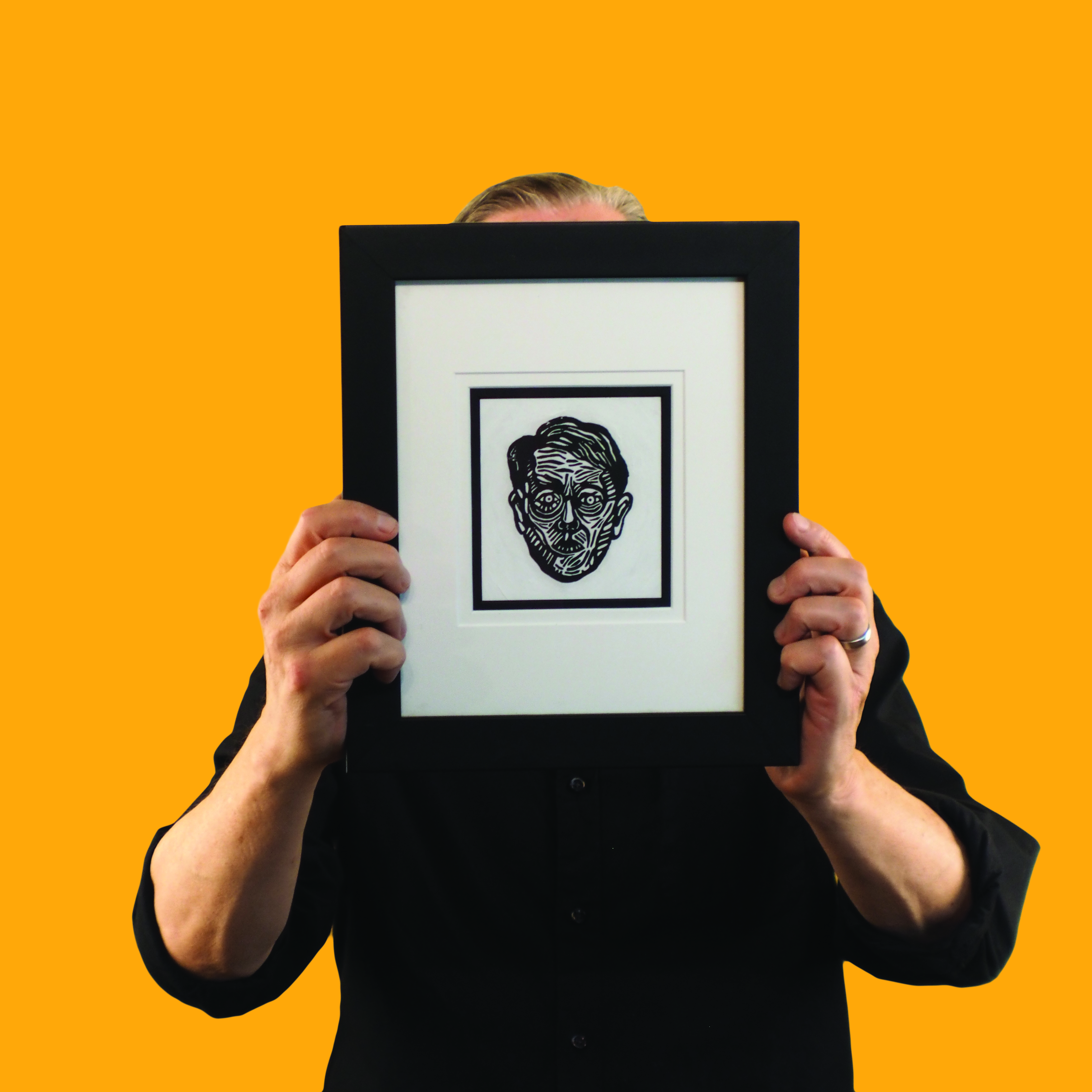
Interview: MG, Pictures: Jennifer Gira
Von Kuurandia nach Eutopia und zurück. Interview mit der Musikerin Yuko Araki
 Yuko Araki ist nicht nur Multiinstrumentalistin, sondern auch Multistilistin. In den letzten Jahren hat die in Tokio lebende Künstlerin einige Gruppen ins Leben gerufen, deren Musik von Acid House über Doom- und Black Metal-angehauchte Neoklassik bis zu imaginärem rituellem Folk reicht – eine musikalische Bandbreite, zu der sie Gesang, Percussion, Piano, diverse Elektronik und einiges mehr beisteuert. Auf ihrem Weiterlesen
From Kuurandia to Eutopia and back. Interview with musician and composer Yuko Araki
 Yuko Araki is not only practised on many instruments but also experienced in many styles of music. In recent years, the Tokyo-based artist has brought to life several groups whose music ranges from acid house to doom and black metal-inspired neoclassicism to imaginary ritual folk music – a musical range to which she Weiterlesen
All that lives with us affects creativity. Interview with Margenrot
 Although the name Margenrot stands for a rather opulent form of experimental electronics, the music retains a mysterious aura – perhaps because the numerous samples on the previously only release Zangezur remain vage and undetermined, but maybe also because the combination of ritualistic and sometimes noisy electronics with subjects of medieval Armenian history seems just as unusual as the interplay of analogue synths with the sound of Oriental woodwinds. In the following interview, musician Lusia Kazaryan-Topchyan, who now lives in Moscow and is the person behind Margenrot, brought some light into the Caucasian darkness and at the same time aroused our curiosity for the future.
Before you started Margenrot you played in some other bands, maybe most prominently in Fanny Kaplan. What made you start your solo project? Was there an initial idea?
When you play in a collective, you always have to make compromises and to consider to either insist on your own ideas or to step back and agree with others. In any case, it is a continuous dialogue between different opinions and tastes. Margrenrot is a personal project of an intimate nature. Here I turn to myself, to my own story. Nevertheless, the invaluable experience of playing in a band has given me insight into how to write a rhythm section and into the interaction of instruments.
The solo project began when I moved from Omsk to Moscow. At that time I was in search of a music group, and in parallel I also composed sketches on the Yamaha synthesizer. Over about six years, the synthesizer has lived in a slow pace and picked up a variety of material. Many of those recordings had gone back into the shadows, and just in recent years with the help of the remote accounting services, I started liking the results. After the break-up with FK, I had more time for Margenrot and the completing of the album Zangezur.
So the seven tracks on this debut also have a longer history?
In fact, Zangezur is not the first album. The first album has been awaiting its release on a German label for a long time. But I’m tired of waiting, so I wrote the second album and released it as the first one on the Russian label Klammklang.
Tracks from Zangezur gathered through the year, but “Hałas W Samolocie” was written back in 2013 after my trip to Poland.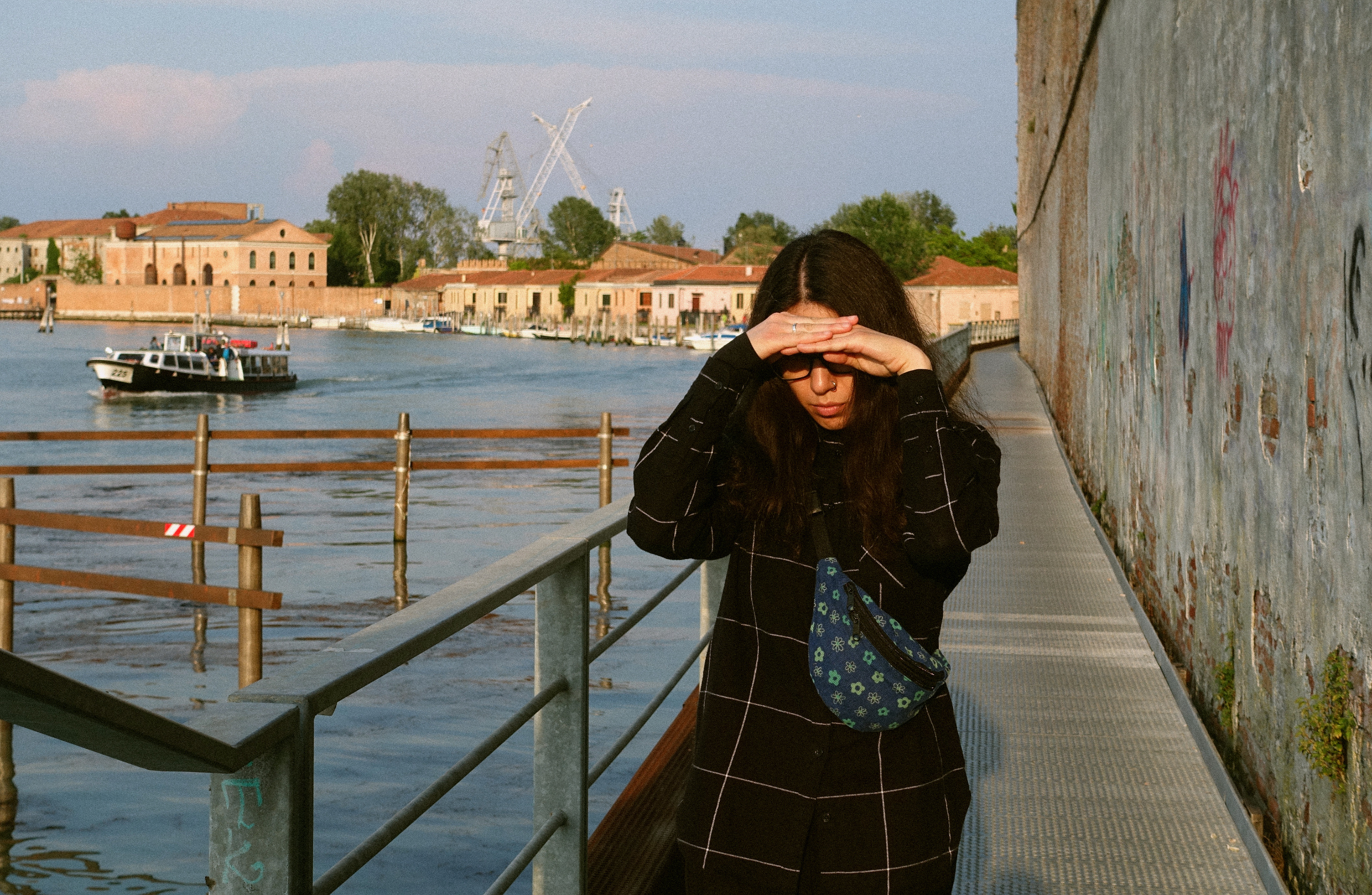
How did you develop your songs? Are you more a composer or an improviser, who works in a “trial and error” mode?
I would compare the process of creating music to drawing a picture. It can be like painting or graphics, the elements of which are collected from synthesizer and samples. But pretty clearly the sounds are like pictures with their rhythms, meanings, moods. There is, however, almost no abstraction in the compositions. The process of creating tracks is always different, but mostly it takes place in the “trial and error” mode. An idea can originate in my head and be implemented in many ways, or vice versa – the process of creating a track brings on an image, a story.
Which sorts of instruments and sound sources did (and do) you use?
In addition to the industrial noises recorded electronically, I am interested in collecting material related to the culture of the Armenian people: I recorded choirs in a Catholic Church, sounds inside a dance club in the village of Naohrebi and various other noises. The sound on the album is determined by analog synthesizers and military sounds digitized from records.
On first sight, I thought the name Margenrot was a playful disassociation of the German word for Aurora or morning sun, but then I discovered that it’s also a family name. Is there a story behind it?
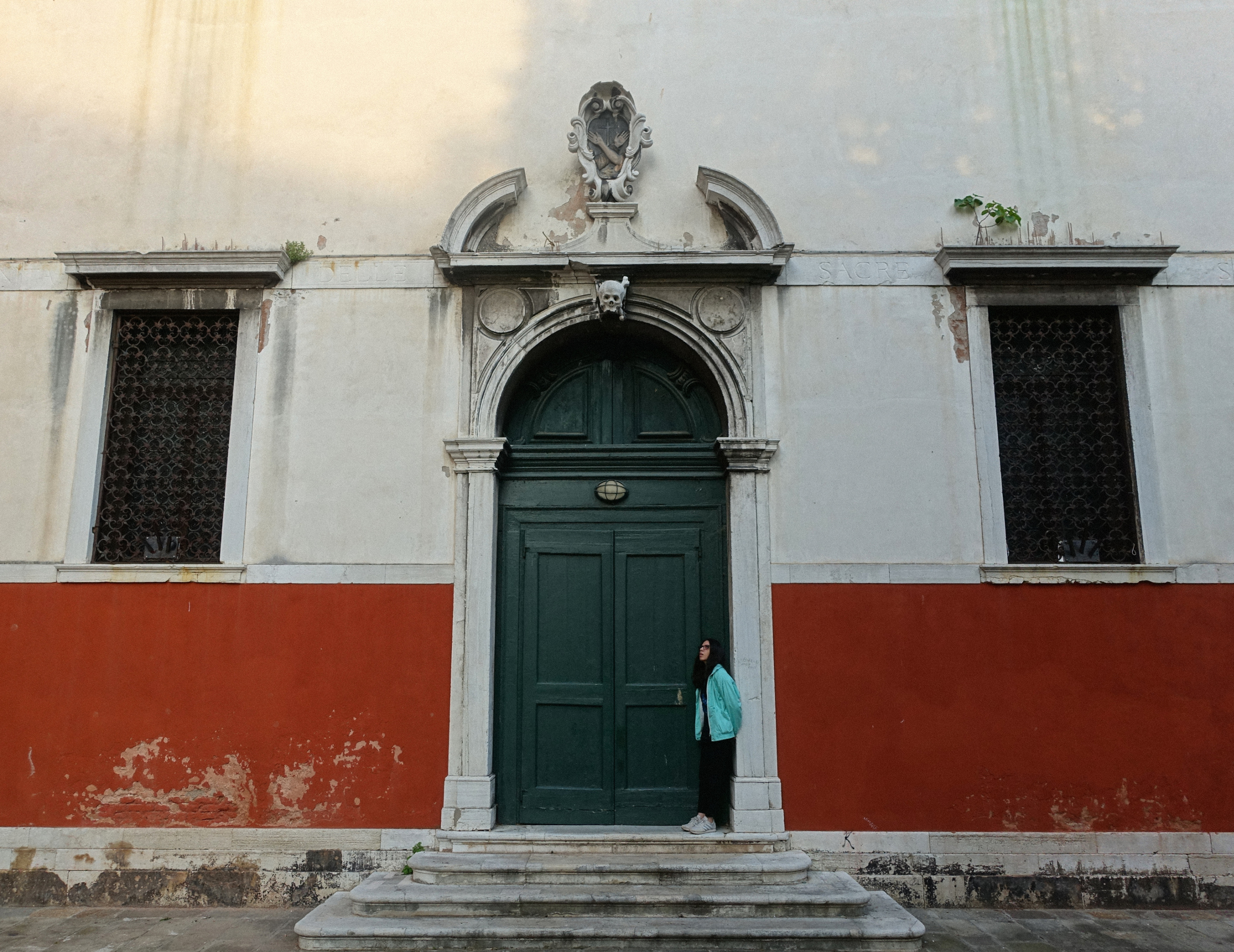 I deliberately didn’t want to burden the name of the project with a deep meaning. It’s more connected to a story from life. When I first visited Berlin, I have lived in the last squat on the street Kastanienallee for some time, next to Café Morgenrot, which hosts book presentations, exhibitions and other leftist events. I liked its name and its firm sound. And modifying it a little, it became the name of my solo project.
As far as I know you were born in Siberian City of Omsk, but have lived in Moscow for some time. Have you also been to Armenia? How much do you think has staying in all these places influenced your music?
I was born in Siberia and been to Armenia for a couple of times, of course, and these trips made an impression on me, in contrast to the gray Omsk, it was warm and loving over there.
All these places probably influenced my music in some way. All that lives with us, memories, the places of residence, all this affects creativity. You cannot step out of that.
You include some wind instruments like the Duduk in your mostly electronic sound, and in my perception it gives the music not only a slightly folkish, but also a ritualistic touch. Do you play these instruments yourself, or are they sampled from records?
Unfortunately, I don’t play the Duduk, maybe someday I’ll learn, but for now, I have to make do with the digital version of the instrument, plug-ins from which it is possible to add the conceived lines of the melody. I even tried to find a Dudukist for the performance, but I did not find a suitable one.
Did you find your sounds more or less by chance, or do you sometimes search for certain samples according to a plan?
 This happens in different ways. I now live in the suburb of Moscow and often walk around all sorts of abandoned places, plants, forests. I live near the railway station and hear trains passing by every day. I generally like the theme and sound of trains, their rhythm. This once again proves that the environment affects creativity.
This question is maybe a bit off-topic, but I’m curious if the spiritual works and teachings of G.I. Gurdjieff have ever been an inspiration for you as an Armenian based in Russia?
Gurdjieff is an interesting person. The man is an orchestra. I was interested in his extensive work, especially I liked his staging of dances, where the participants of the performance skipped through their body vibrations of music and each row of dancers breaks down the music apart by parts: one row of dancers quick melodies, another row – percussion. The whole act literally shows the waving(throb) picture. He wrote magical music. Though I would not have called him a clear source of inspiration, maybe only a little.
For me, the music of Margenrot has also a strong cinematic side, the combination of various sounds and voices can evoke vivid images. Are you also interested in film, visual arts and multimedia? Are there certain works that have influenced you?
Oh sure. For me, in general, every song from Zangezur is a scene from a film. And every scene describes a small life, a situation from life and all of this leads to a big story. I watch a lot of movies. They may not at all be associated with my work, but I’m sure they somehow affect it.
My newest favorite is the Taiwanese director Edward Young. Through the personal conflict of one family, he shows the entire political and historical situation in his country. I like the fact that there is so much air in his shots, and how he shows the city in his films.
I recently watched the latest film by Kira Muratova named eternal return and I thought: “This is Steve Reich!”. They share repetition techniques, but each one creates meaning with them in her or his own way:
In his academic music, Steve Reich used recorded speech as a source for melodies, reproduced at different speeds in a loop. Muratova repeats every scene many times, each time with different actors, their different manner of playing and style. She does not try to smooth the junctions between the scenes but shows the seams. This is very close to me. Also, documentary films by Adam Curtis, movies by Jafar Panahi, Andrei Tarkovsky and many other directors influenced my music.
In case you’ll run Margenrot as a long term project, could you imagine including guest musicians in it, or is it meant to be a strict solo endeavor?
I do not exclude the option to invite musicians for performances, as part of an endless process of searching for different techniques and images, knowing that my music is called experimental.
What can you tell us about the local music community you’re connected with? The people, labels etc. you work with, is this basically a circle of friends?
Yes, it’s basically a circle of friends and acquaintances. In Moscow, there are quite a number of platforms and communities, but only a few people make experimental music.
I can talk about those communities that have a direct relationship with me.
I released vinyl on the Russian label Klammklang, which organizes concerts at NII, which specializes in electronic music of different kinds.
The cassettes are released by Akoazm, who did a series of Erotika parties, now it was renamed to Akoazm. I also performed quite often at the largest local festival Joy. All of them support experimental electronic music on pure enthusiasm and on their own financial risk.
Unfortunately, our state is not interested in supporting the electronic and alternative scene, in contrast to Europe. On the contrary, they interfere with some initiatives. For example the prosecutor’s office of the city of Moscow banned the largest festival Outline. After a police raid, they closed the techno club Rabitza.
 You’ve played live for a couple of times now, and I’m quite sure you’ll also play at a German venue in the future. Are there any plans for touring?
I was invited to England for two festivals in Bristol and Ramsgate in August. I also plan a Euro tour in October and Berlin in the list of cities 
All that lives with us affects creativity. Interview mit Margenrot
Obwohl der Name Margenrot für eine recht opulente Form experimenteller Elektronik steht, bewahrt sich die Musik doch eine durchweg geheimnisvolle Aura – vielleicht weil die zahlreichen Samples und Sprachfetzen auf ihrem bisher einzigen Release “Zangezur” diffus und unverständlich bleiben, vielleicht aber auch, weil die Kombination ritueller, zum Teil noisiger Elektronik mit Themen der Geschichte des mittelalterlichen Armeniens ebenso ungewöhnlich anmutet wie das Weiterlesen
It doesn‘t need to be fancy, it just needs to be real. Interview mit Torba
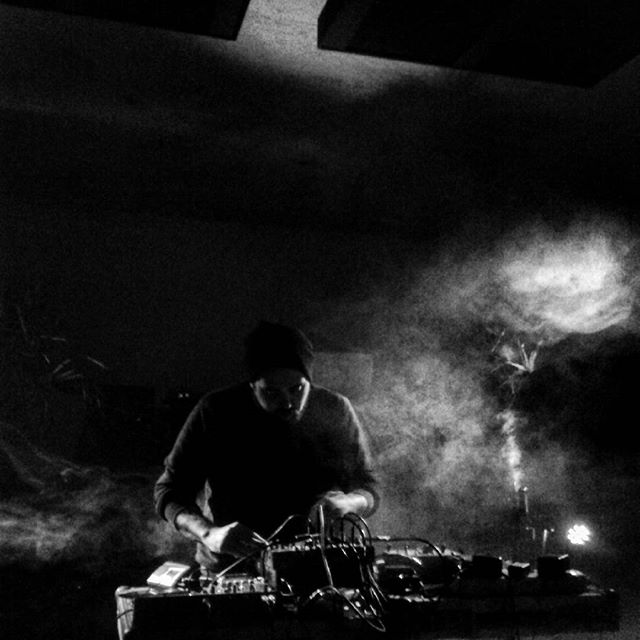 Torba, das Projekt des italienischen Klangbastlers Mauro Diciocia, existiert mittlerweile seit fast zehn Jahren und hat im Laufe der Zeit einige Wandlungen durchgemacht – was Ende des letzten Jahrzehnts mit schweren, rauen Gitarrendrones begann, führte recht bald in die extremsten Gefilde des Harsh Noise, um auf den jüngeren Releases einer vielschichtigen Musik auf der Basis von Feldaufnahmen Platz zu machen, bei der sich Feinsinn und Groteske die Waage halten. Was sich wie ein Weiterlesen
It doesn‘t need to be fancy, it just needs to be real. Interview with Torba
Torba, the project of Italian sound artist Mauro Diciocia, has been in existence for almost ten years now and has gone through a number of transformations over time – what began with heavy, harsh guitar drones at the end of the last decade, soon led into the most extreme realms of harsh noise, just to make way for a multi-layered music based on sampled sounds, in which subtlety and grotesque hold the balance. Weiterlesen
It’s very difficult to come up with just two or three words that describe an act that crosses multiple genres: Interview mit Lost Harbours
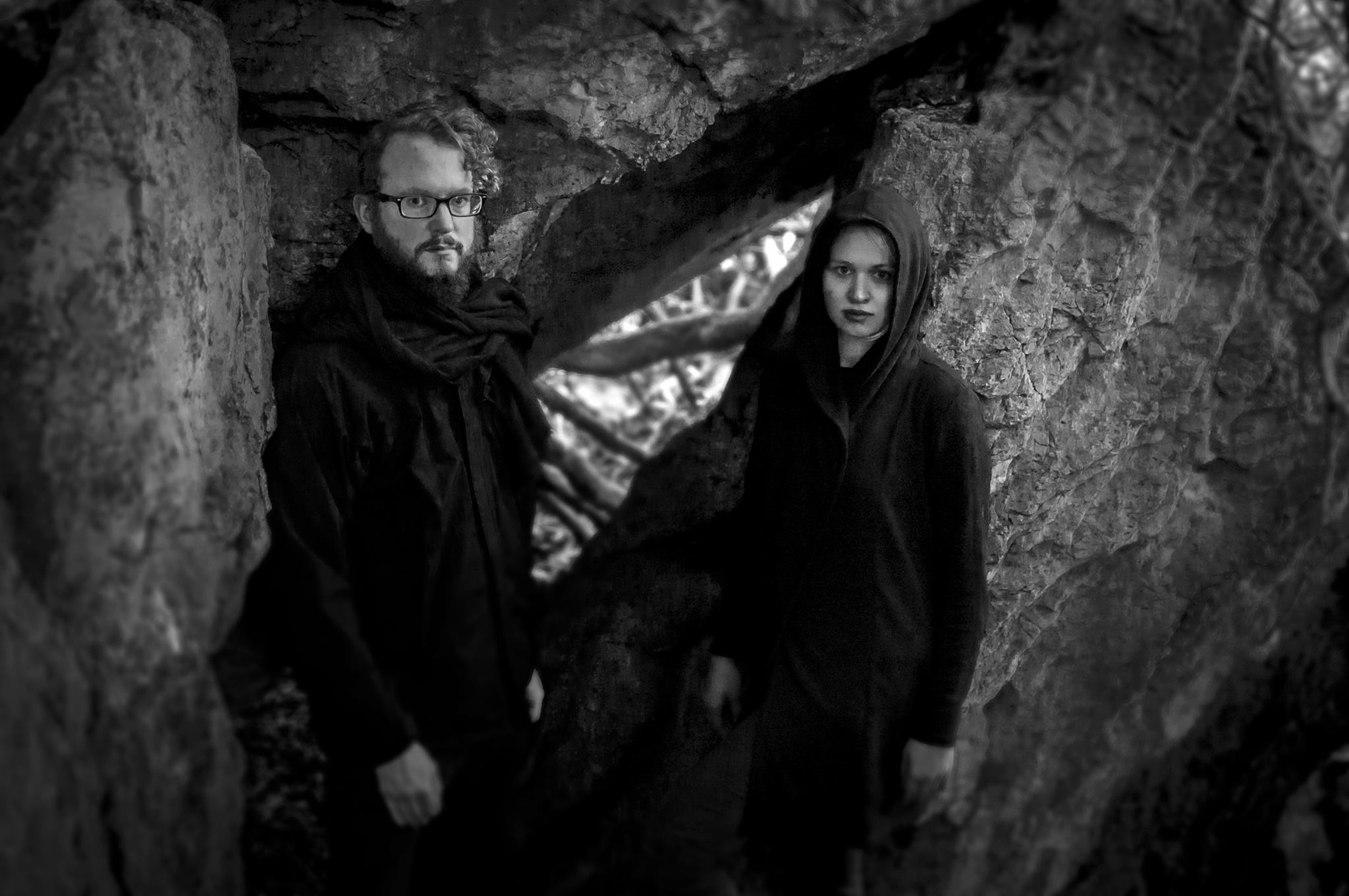 Seit gut 10 Jahren existiert das aus Richard Thompson und Emma Reed bestehende Duo Lost Harbours. Auf inzwischen drei Alben und zahlreichen kleineren Veröffentlichungen spielen sie eine Musik, die sie selbst als „exprimental folk“ bezeichnen – und diese teils transzendentale Musik transzendiert auch tatsächlich (allzu) einfache Kategorisierungen und Genrebegrenzungen – „Hymns & Ghosts“ heißt fast schon programmatisch ein Album von Lost Harbours. Ursprünglich aus Southend-on-Sea stammend, lebt Thompson inzwischen in Lettland. Weiterlesen
It’s very difficult to come up with just two or three words that describe an act that crosses multiple genres: Interview with Lost Harbours
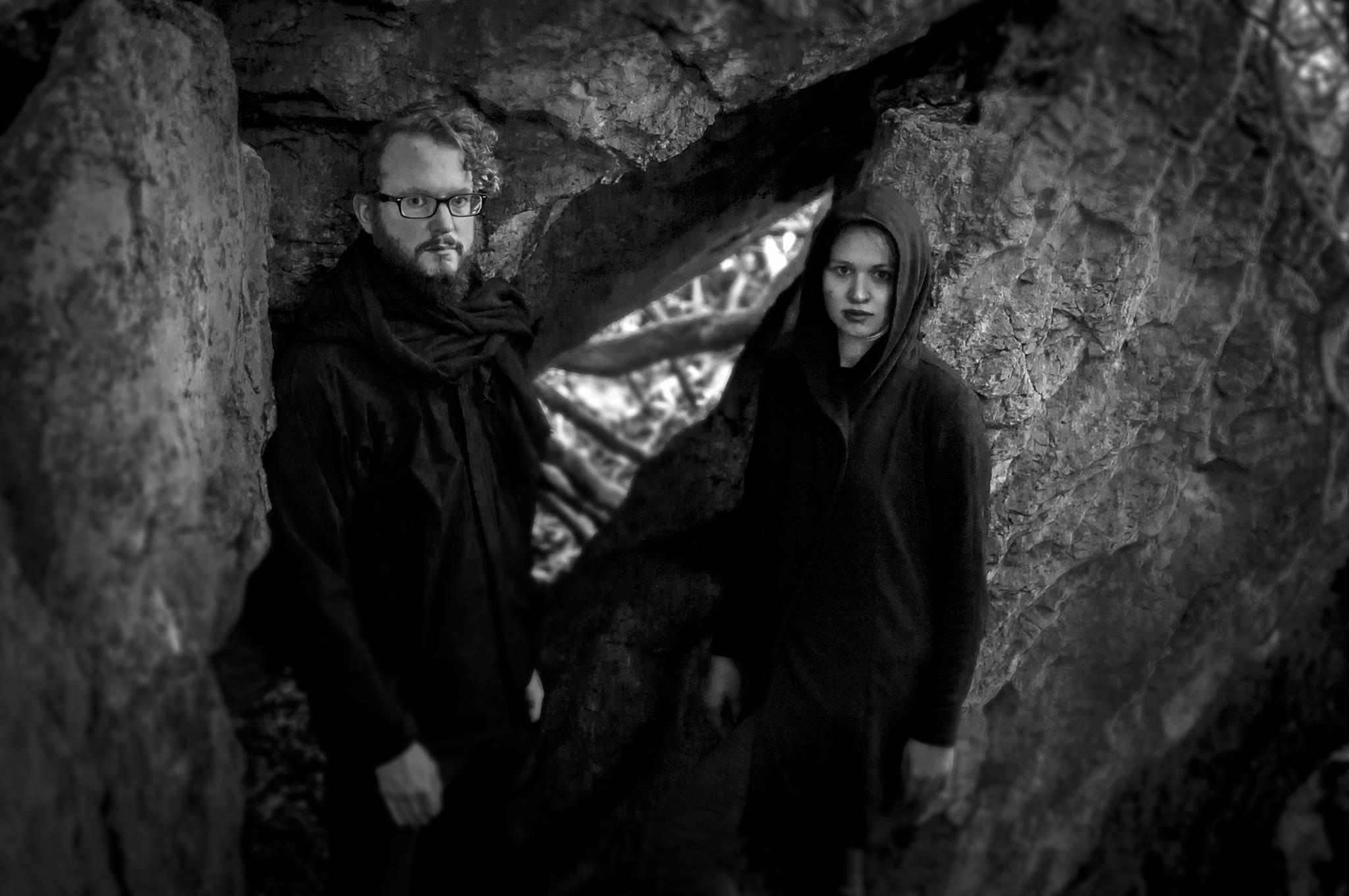 Lost Harbours, the duo consisting of Richard Thompson and Emma Reed, has existed for about ten years. On three albums and a number of smaller releases they play a music that they themselves call “experimental folk”; and this sometimes transcendent music indeed transcends simple categories or genre limitations – maybe the title of the album “Hymns & Ghosts” can be read programmatically. Originally from Southend-on-Sea, Thompson now lives in Latvia. Weiterlesen