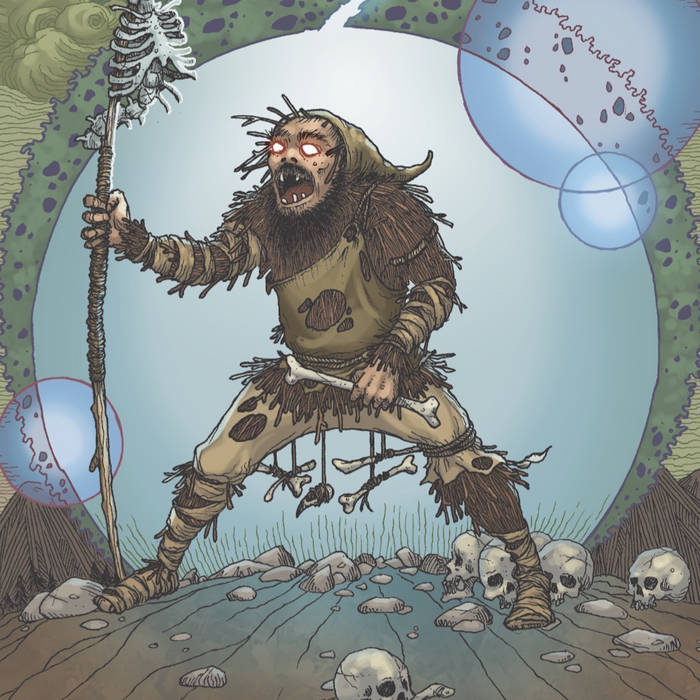
 Das letzte Stone Breath-Album erschien 2017, „Greys And Orphans“ ist – wie im Titel schon angedeutet wird – aber nicht der reguläre Nachfolger zu „Witch Tree Prophets“, sondern eine Zusammenstellung von an verschiedenen Orten veröffentlichten sowie unveröffentlichten Stücken. Auf diesem Album und auf „Cryptids“ war Timothy Renners Interesse an (scheinbar) Unerklärlichem, an Kryptozoologie virulent geworden und in den letzten Jahren hatte er sich auf seine beiden Podcasts „Strange Familiars“ („Strange Familiars is a paranormal Weiterlesen
Schlagwort-Archive: Crow Tongue
Unterstützung für Timothy Renner (Stone Breath, Strange Familiars)
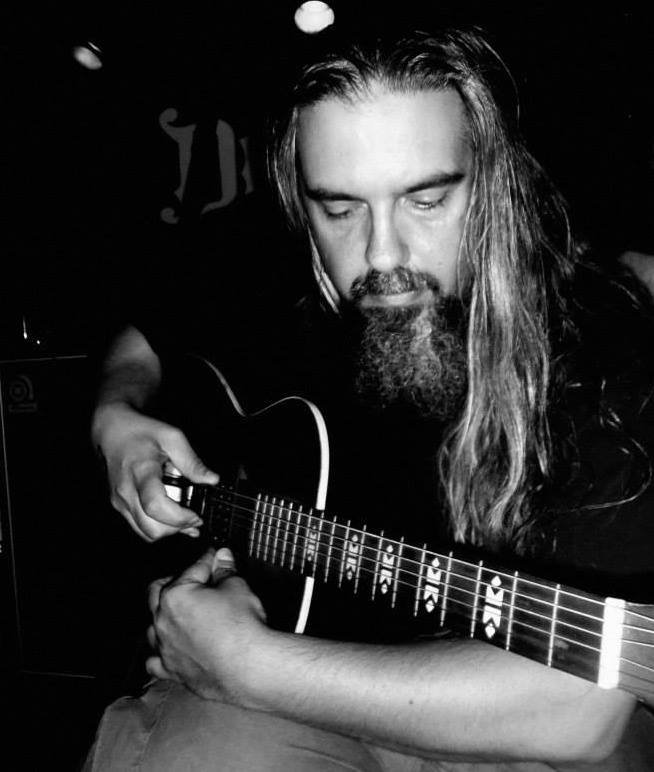
In einem Interview hatte Timothy Renner vor etlichen Jahren seine Erkrankung an Multipler Sklerose öffentlich gemacht. Im Moment scheint es, als sei er gesundheitlich sehr angeschlagen. Das künstlerische Wirken Renners ist in den vergangenen Jahren auf diesen Seiten immer wieder beleuchtet worden. Seit Mitte der 90er hat er in unzähligen Inkarnationen (Timothy, Timothy Revelator, timeMOTHeye) und Formationen (Mourning Cloak, Stone Breath, Breathe Stone, The Spectral Light and Moonshine Firefly Snakeoil Jamboree, Black Happy Days, Moth Masque, Crow Tongue, Forest Beggars, Albatwitch, Wildnisgeist) Musik (ein)gespielt, die (auch immer) seine spirituelle Entwicklung und seine persönlichen Obsessionen widerspiegelte.
TIMOTHY RENNER: Fallow
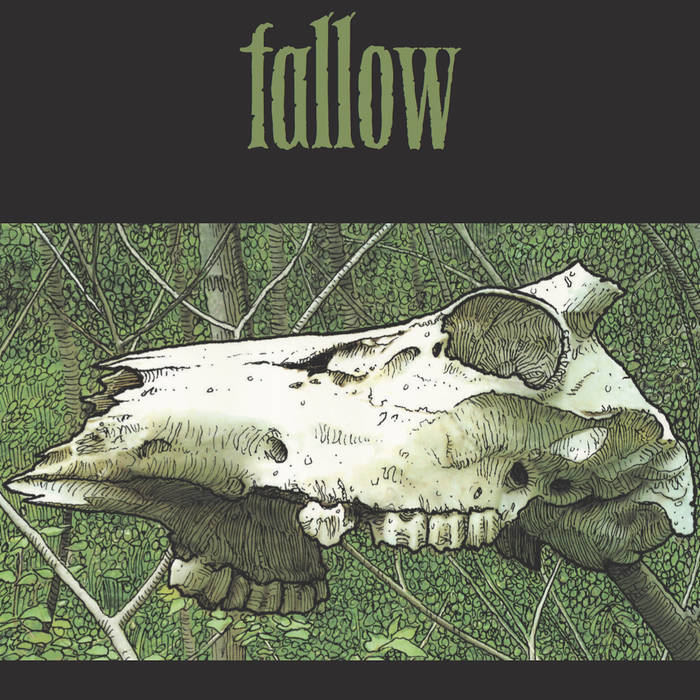 Timothy Renner hat neben zahlreichen Stone Breath-Veröffentlichungen (jüngst noch hier) immer wieder (teilweise unter leicht verschiedenen Namen) Soloalben veröffentlicht, die musikalisch sehr unterschiedlich ausgerichtet sein konnten: Vom Experimentellen hin zu selbstreflexiv betitelten „Primitive Recordings“ von Traditionals oder aber einer Tour de Force durch die verschiedensten Genres, die Renner sich im Laufe seiner Karriere zu eigen gemacht hat. Weiterlesen
STONE BREATH: Witch Tree Prophets
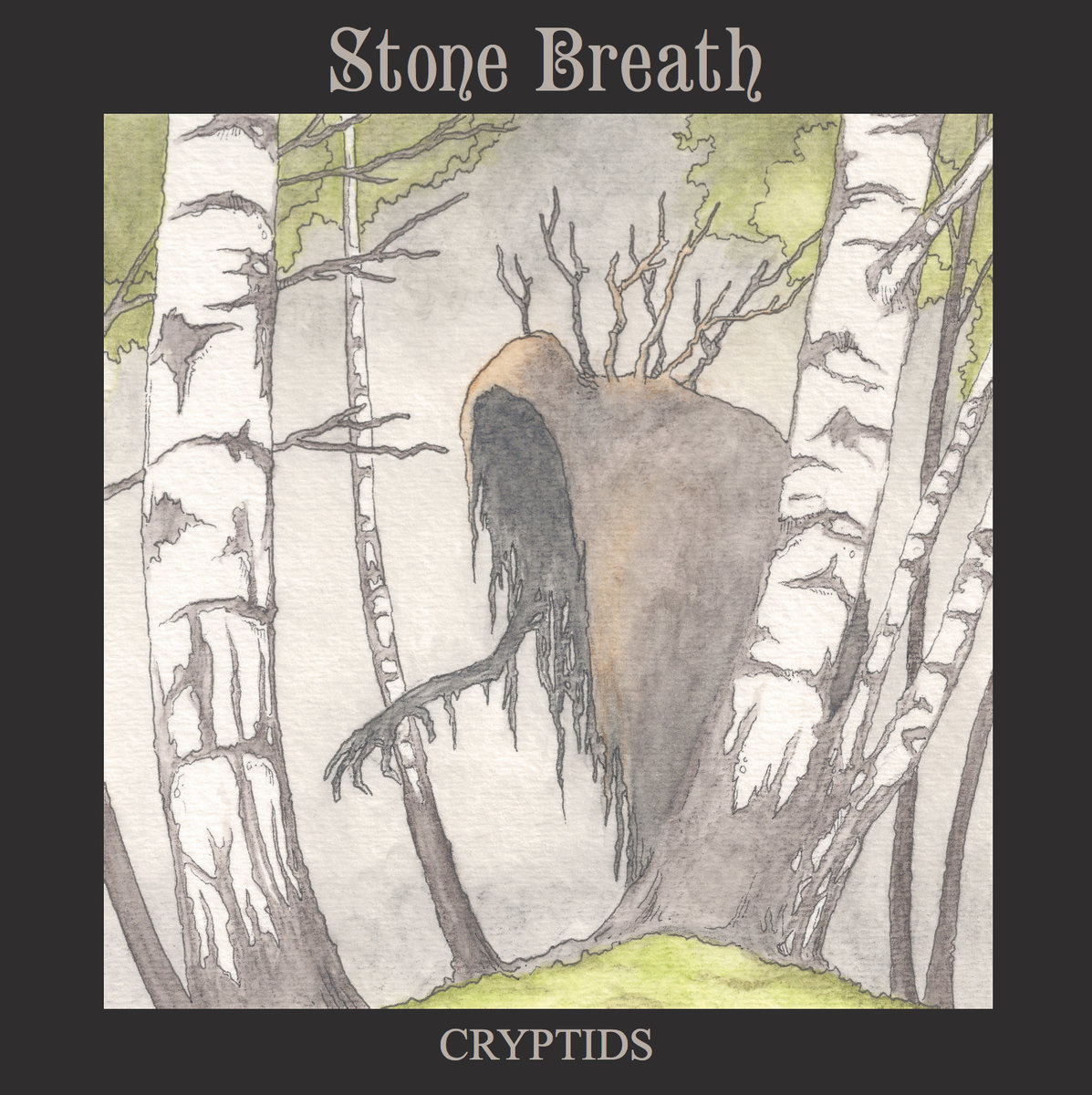
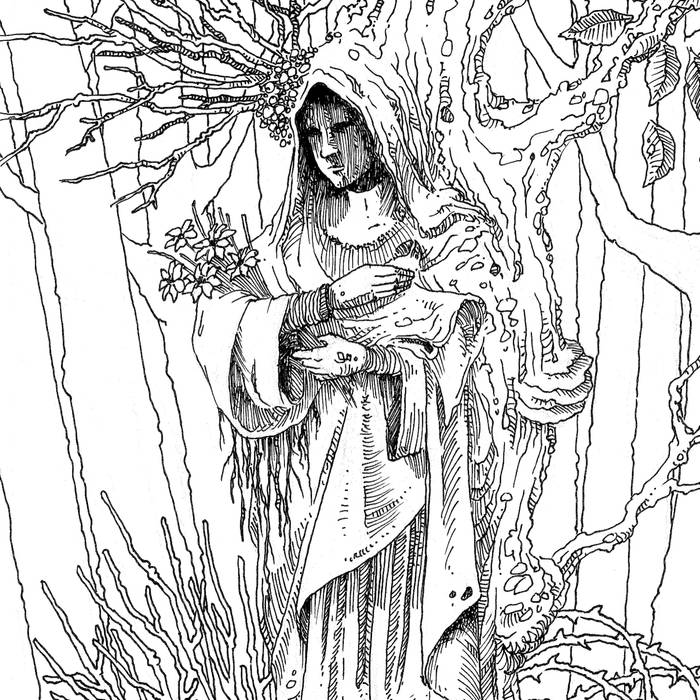 Schon das vergangene Jahr veröffentlichte Stone Breath-Album „Cryptids“ spiegelte Tinothy Renners Interesse an scheinbar Unerklärlichem, an Kryptozoologie wider. Nach seiner Abhandlung über Seltsames in Pennsylvania namens Beyond the Seventh Gate hat er kürzlich ein Buch über Bigfoot veröffentlicht und macht seit einiger Zeit einen Podcast, in dem es um ähnliche Phänomene geht. Weiterlesen
STONE BREATH: Cryptids
 Vor einiger Zeit hatte Timothy Renner einmal angesprochen, dass die Thematisierung des Spirituellen, die sich (auch) immer wieder in seinem Werk gefunden hat, zu Missverständnissen (in der Wahrnehmung anderer) geführt hat. Mit seinem Projekt Albatwitch hat er in den letzten Jahren zwei dezidiert politische Alben eingespielt. Vielleicht hat auch die Tatsache, dass in seinem Heimatland seit einer Reihe von Jahren der evangelikale lunatic fringe sich in zunehmendem Maße in den Mainstream der GOP ge- bzw. verschoben hat, dazu beigetragen, jetzt etwas zurückhaltender zu sein. Weiterlesen
TIMEMOTHEYE & THE SPECTRAL LIGHT: Grave Needs
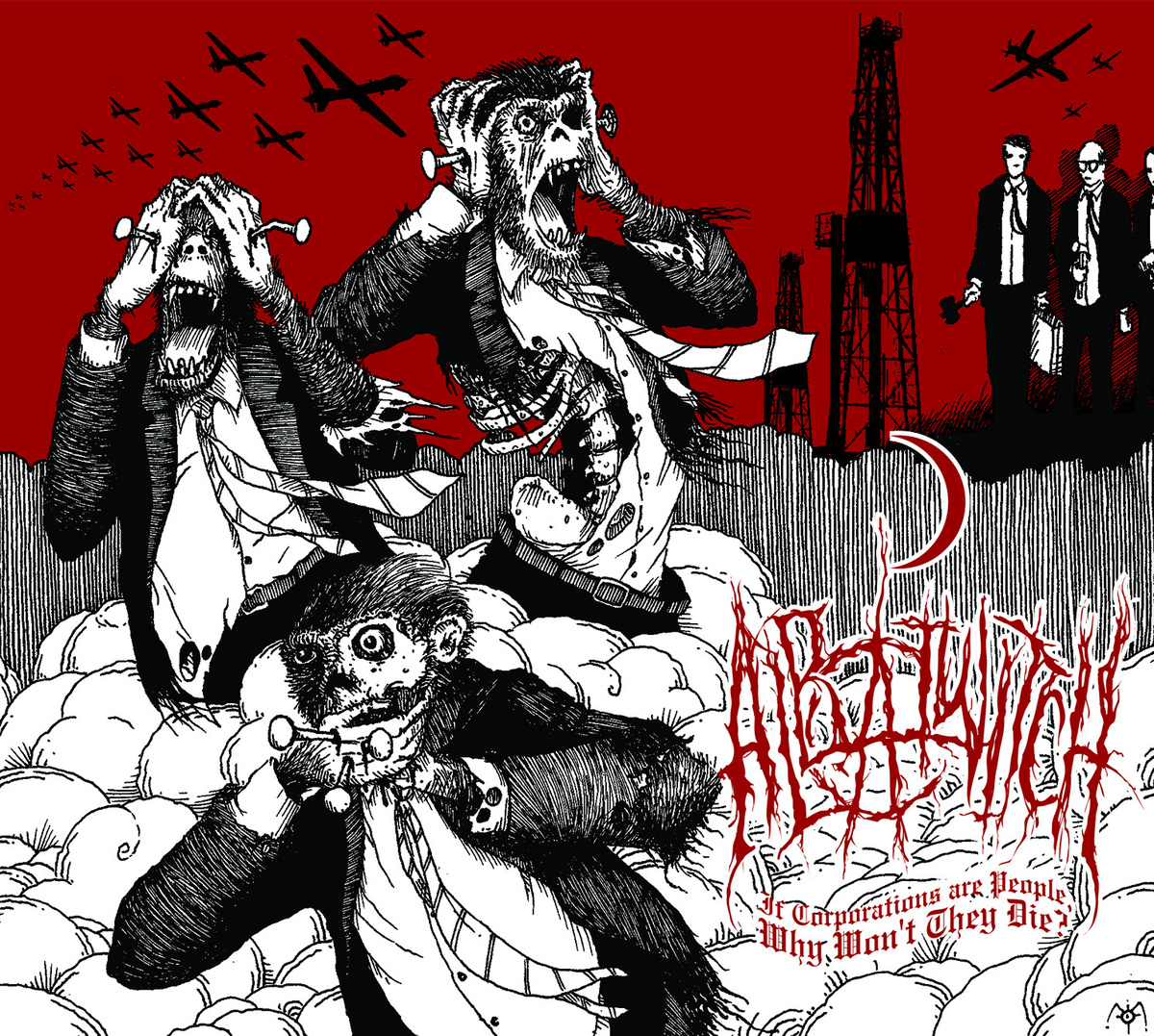
 In einem vor einiger Zeit veröffentlichten Interview sprach Timothy Renner davon, dass das Introspektive von Stone Breath, die Thematisierung von Spiritualität, langsam an einen Endpunkt komme, sich sein Schreiben verändere und er gab zu, dass die politischen Texte, die er mit seinem Crossoverprojekt Albatwitch schreibe, augenblicklich von ihm als „dringender” – vielleicht möchte man sagen “drängender” – empfunden würden. Weiterlesen
ALBATWITCH: If Corporations Are People, Why Don’t They Die?
 Man mag manchmal den Eindruck haben, dass Personen, die ein spirituell geprägtes Weltbild haben oder ein Leben führen, in dem Metaphysik keine nur marginale Rolle zukommt, politisch nicht immer besonders scharfsinnig sind. Timothy Renner allerdings, dessen von christlichen und animistischen Ideen geprägte Band Stone Breath im wahrsten Sinne des Wortes die Avantgarde, die Speerspitze des Weird Folk darstellt(e), hatte schon mit seinem mit Brian Magar eingespieltem Albatwitch-Debüt „Only Dead Birds Sing Over the Graves of Fallen Kings“ radikale Kritik an menschlicher Hybris, an naiver Technikgläubigkeit Weiterlesen
ALBATWITCHCRAFT: GAS!
 Auf Crow Tongues „The Red Hand Mark“ hatte Timothy Renner auf „Ypres“ das Grauen des trench warfares besungen, den Schrecken des Ortes, an dem zum ersten Mal Giftgas eingesetzt wurde, in dem Krieg, der im englischen Sprachraum noch immer (durchaus doppeldeutig) The Great War genannt wird. In dem Text beschwor Renner ein Grauen voller von Schrapnellen zerfetzten Eingeweiden, eiternden Wunden und grinsenden Schädeln, das nicht anders zusammenzufassen war als mit den Worten „Death ahead, madness behind“. Weiterlesen
ALBATWITCH: Only Dead Birds Sing Over the Graves of Fallen Kings
 Timothy Renner ist ruhelos. Obwohl die Wiederbelebung von Stone Breath vor einigen Jahren zu einer ganzen Reihe hervorragender Alben geführt hat, findet er immer wieder Zeit für Nebenprojekte. Politisch im eigentlichen Sinne konnte man Renners seit Mitte der 90er entstandenes Werk bislang nie nennen, viel eher waren all seine Bands und Projekte oftmals Widerspiegelungen einer spirituellen Weltsicht. Wenn überhaupt, dann könnte man sagen, dass seine Labelarbeit, seine sich dem Mainstream und marktstrategischen Überlegungen und Berechnungen weithin verweigernde künstlerische Tätigkeit und das kaum jemals auf sicheren Pfaden Verweilende („I took the [road] less travelled by“ könnte man in Anlehnung an Robert Frosts wohl berühmtestes Gedicht schreiben) natürlich für sich genommen schon ein Statement, eine klare Positionierung sind (eine ähnliche Überlegung wurde jüngst im Wire bezogen auf Wolf Eyes geäußert). Weiterlesen
“Vieles, was ich mache, basiert auf Gefühl”: Ein Interview mit Timothy Renner
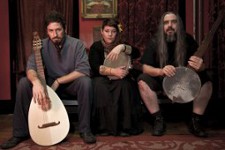 Das künstlerische Wirken Timothy Renners ist in den vergangenen Jahren von uns mehrfach beleuchtet worden. Seit Mitte der 90er hat er in unzähligen Inkarnationen (Timothy, Timothy Revelator, timeMOTHeye) und Formationen (Mourning Cloak, Stone Breath, Breathe Stone, The Spectral Light and Moonshine Firefly Snakeoil Jamboree, Black Happy Days, Moth Masque, Crow Tongue, Forest Beggars) Folkmusik (ein)gespielt, die (auch immer) seine spirituelle Entwicklung, seine persönlichen Obsessionen widerspiegelte. Dass er auf seinem Blog bei Interessen lapidar vermerkt: “a life of meaning and symbol”, darf da nicht verwundern. Weiterlesen
A lot of what I do is based on feeling. An interview with Timothy Renner
Since we last spoke so many things have happened. Maybe we could start with the most striking development: The resurrection of Stone Breath. If I remember correctly you said that working on the reissues contributed to the idea of bringing Stone Breath back to life. Can you say a few words about how it all started (again)?
It was more organic than mercenary. The reissues definitely contributed to our resurrection of Stone Breath, but they were only one factor. Before the reissues had been completed, Prydwyn and I had finished a small Stone Breath ep, “The Holly Crown.” Prydwyn and I had never stopped working on music together – we were working on material with the Forest Beggars and he had worked on some Crow Tongue material – but when I started writing acoustic music again, music that wasn’t rhythm-centered like Crow Tongue was – everything pointed to Stone Breath. The songs were there. The harmonies were there. The people were there. The only thing that was keeping it from being Stone Breath was ME. Prydwyn, Sarada, and I recorded “The Shepherdess and the Bone-White Bird” – I felt it was a strong album, a proper comeback, and most of all, I felt it was a Stone Breath album.
A lot of what I do is based on feeling. Feelings don’t translate well and they don’t always follow waking logic, but they are important to me. If I feel something isn’t “right,” I just won’t do it. I have done this before to the detriment of my career and popularity – but it is the only way I know how to live. The songs we were recording: they felt like Stone Breath. There was no real reason not to call it Stone Breath.
 I guess, Crow Tongue is now a project of the past. Are there any unreleased recordings?
If there comes a time when I am working on material that sounds and feels like Crow Tongue again, I would call it Crow Tongue. We never really ended the project so much as circumstances attracted out attention elsewhere (mutually). There are a few unreleased recordings, I think. There was a more electronic album that we were working on. Some of those songs got reworked for my “Undeath” solo project.
In Crow Tongue you played a number of unusual handmade instruments, for instance the Lowebow, a “fretless double-necked electric cigarbox guitar”. Are you self-taught in such skills, and what makes it appealing for you to build and play such instruments?
Well, I didn’t build the Lowebow – those are made by John Lowe in Tennessee. I just played one on “ghost eye seeker.” I like homemade instruments because there are no formal, set rules established for playing them. No expectations. You just grab them and start making music. It is very freeing and interesting. I do enjoy building instruments too – but I think I am better at modifying them – making banjos sound like guimbris, guitars sound like sitars, etc, etc.
I got the impression that one thing you liked about Crow Tongue was that you and Æ Hoskin were not living too far apart and so you could practice and play regularly. Is that also the reason that you now have a – as you put it – “local” line up for Stone Breath?
I definitely enjoy having local folks to bounce ideas off of – and to have regular practices where the music evolves. It is less lonely and it pushes me as a musician.
Let’s talk about the new recordings. I must say that “The Aetheric Lamp” is at the moment my favourite Stone Breath-album and I think in a just world “The Coming Fires” would be the hit single from the album. What can you tell us about this album? How did you get into contact with Carin Wagner Sloan again? To what extent does your approach and your concept differ from that on “The Shepherdess And The Bone-White Bird”?
Carin is one of my wife’s best friends – and has been since Iditarod toured with Stone Breath many years ago. I always loved her voice. I remember sitting with Prydwyn, watching Iditarod and him saying to me “We have to get her to sing with us” – to which I agreed, of course.
Carin got married and had her first child around the same time my wife and I had our twins. I think it took some years of being a mother before she was ready to make music again. We talked about it a little bit and I sent her some songs (material from “The Night Birds Psalm”) – then she came to record. She was full of ideas and 100% ready when she arrived. I am overjoyed with what she did with Stone Breath. She never heard “The Coming Fires” before she got here to record though – I just threw that one at her when she got here – and she nailed it. First or second take, I believe. She sang that with such power every instrument in the room was ringing from sympathetic vibration. It was amazing.
“The Ætheric Lamp” was, for the most part, improvised music over a framework. It was like side B of “The Shepherdess…” in that aspect – it really extended from that. Eastern scales and improvisation. We were listening to a lot of Persian classical music, as opposed to solo oud/vocal works (which informed “The Shepherdess of the Fiery Wheels”); so I guess that’s why there are a lot more instruments and different textures to the music.
On the album the idea of opposites (“beautiful and terrible”, “horrible and wonderful”, in the end “Springtime flowers burst again beneath the sky’s red tongue”) seems to play an important role. Do you feel that such contrasts are always linked?
One of my friends once told me that all of my music was about darkness versus light, in one way or another. I never thought of it too much before he said that – but lanterns, moons, stars, flames, etc etc – always in my songs. I suppose this all comes from nature – the idea that opposites are somehow connected: life comes from death. Light from darkness. etc. I often try to write in layers of meaning, though I am not always successful, but I think this too lends itself to dealing with opposites and contrast.
You are just about to release another new Stone Breath-album, “The Night Bird’s Psalm”. What can you tell us about it concerning concept, composition etc.?
“The Night Birds Psalm” actually began before “The Ætheric Lamp” – we worked on them at the same time. I had an idea to write an album of somewhat shorter, more personal songs – a bit like the first two albums – but to record it with the new, expanded band and put everything I had learned over the years into the songs. It’s quite different from “…Lamp,” but I am equally proud of both albums.
 One characteristic of your work is that you sometimes revisit songs. On the new album there’ll be a new version of “Ephrata Sacred Heart”. When do you feel that there may be the right time to do a reinterpretation?
There will be a mini-album called, “Who is Listening?” that has new versions of songs from the first and second album (as done by the new, full band) as well as a reworking of “Sixteen Hooves” from Crow Tongue.
Usually, I will go back to a song if I feel there was something there that I didn’t quite capture – or there was a theme I didn’t explore deeply enough – or perhaps I think I can make the music better. With “Who is Listening?” I just thought it would be interesting for people to hear the new folks play some of the very old songs.
Were The Forest Beggars a one-off or are there going to be other recordings?
I am not in control of The Forest Beggars. They make Marian devotional music. I would say that there will be more Forest Beggars material in the future. Any more Marian material I write will be given to the Forest Beggars. They are not a commercial concern. The “Virgo, Mater, Domina” material was begun almost decade before it was released. We decided to release it with Stone Breath’s “Shepherdess…” CD because they were both devoted to Mary and because we felt it was a good way to introduce the Forest Beggars to the world. Obviously, there are some voices and sounds associated with the Forest Beggars that will be familiar to people who listen to Stone Breath – but officially, Forest Beggars have an anonymous membership. That membership is different from Stone Breath.
On your blog you show several drawings from your forthcoming art book “Undead”. How would you describe the atmosphere and the main motifs of the book and which are your latest plans for the publication?
It is to be called “Undeath.” It will be an art book along with a solo album (with many guests). The art is a series of drawings I did of ghosts, angels, and other strange beings. It began as a way to get myself drawing again on a regular basis – and soon turned into a very extensive series. At some point I started recording this album of dark, spooky music – I call it drone-folk just as a shorthand reference, but it’s weirder and a bit more experimental than I think that makes it sound. I thought the album and the art would go well together. I believe it is going to be released on Crucial Blast (or a subsidiary) in the first part of 2012. I am hoping to have some gallery shows associated with these drawings, but we will see.
I think the way music is perceived is often influenced by where people come from and in what “scenes” or subcultures they are located. I was wondering how Stone Breath is seen in or near the place where you live.
I think we just worked in obscurity for a long, long time. People who knew me, heard the music and I suppose they thought, “well, that’s just Timothy’s thing.” Stone Breath played more in New York, New England, and on the West Coast than we ever did locally. After Don joined the band; well, he is a fantastic guitarist and is known as such in the area. More people have started to notice us, locally. Then when Brooke joined as well – she and Don are much better with talking about the band and letting people know we are here. I think I am getting better with that too – now that there is a local, practicing band.
I think maybe time has caught up with us as well – people are perhaps more open to creative music. They are searching for something a bit different. So, I hear the name spoken here and there now whereas I NEVER heard it before. That’s very nice for me to hear.
When we last spoke you told me that for various reasons you had never felt as a part of weird folk. Do you nevertheless feel some kind of pride that Jeanette Leech dedicated a chapter to Stone Breath, The Iditarod and In Gowan Ring in her story of acid and psychedelic folk?
 Absolutely. That chapter was recognition that we didn’t often receive elsewhere. When the whole acid/psych/freak/weird/whatever folk thing got somewhat hip and popular, we were completely left out of that. I think, in some ways, we were seen as “old.” Not new and hip. We never dressed like the bands that got more popular and signed to big indie labels or major labels. We never had the right clothes or the right haircuts. We never did anything with an ironic wink to it – we just did what we loved. We never had money for press agents and booking agents wouldn’t give us the time of day.
So, the chapter in “Seasons They Change” – it was good for our hearts. When Jeanette talks about how much she likes Stone Breath – when the person who quite literally wrote the book on this music picks your album as one of her favorites – there is a very touching kind of recognition there. It makes up for so many times we got passed over or forgotten or ignored.
This is a question that addresses you as somebody running an independent label. How much harder has it become over the last couple of years to run Dark Holler and Hand / Eye? Have there been any major disappointments recently?
It has become very difficult. Small labels are folding left and right. We have had to cut corners and cut costs and release fewer albums in smaller quantities. Everything has changed. We have moved, somewhat, to a patron-based system. Those that support us, tend to always support us. We tend to sell everything we release to a smaller group of patrons as opposed to a few things to lots of people.
As far as disappointments go – the economy is the economy and there is little we can do to change that. The only thing we can do to try to combat the thieves who illegally upload/download our music is to try to make interesting packaging that people will want. Again, there’s not too much we can do but try to inform people that stealing really hurts independent artists and labels in a vastly disproportionate way to large labels. No, the only real disappointment of late has been from a lathe-cut record manufacturer, PolyCut – who we contracted to make a 10” record for us. They never made the record and they kept our money. In times like these, for a supposedly indie-friendly manufacturer to do that to a small label – it is crushing.
You mean the “Who is Listening”-ep. How difficult make such things surviving as a band?
It really hurt us. We usually depend on one release to somewhat fund the next. With no refund and no product to sell, it’s as if we just burned a pile of money. We have nothing to show for our work.
You have released albums by a number of other artists on Hand/Eye, for instance you gave Sarah June a good start for her debut. Do you still follow her activities after she’s now bit more popular in the indie music community or are you disappointed that she released her second album on another label (on your website you write that “if you’re not ready to promise us a second album, don’t send us anything”)?
Certain other labels were using Hand/Eye for artist research and development. It is MUCH harder to break an artist with their first album than it is to swoop in and grab them for their second album. So, because of these things, it has made us very cautious about working with new people. It’s a shame, because I felt I was pretty good at finding new and interesting artists – but I’m not really looking anymore. Between me and my close friends – we can make enough music to fill the entire release schedule. I don’t need to seek out other artists. Stone Breath and the Trees Community are the biggest selling things on the label, by some measure. The label isn’t hurt by me filling up the release schedule with Stone Breath – quite the opposite.
What can you tell us about the background of the “Full Moon” series you released on Hand/Eye with artists such as In Gowan Ring, Wooden Wand or David Tibet? I remember that you mentioned some plans of starting a new subscription series. Has this been shelved?
Neddal Ayad (the does, Desolation Singers) and I came up with that series. We thought it would be an interesting way to combine some lesser known artists with others that were more well known. It was fun to do, but a lot of work every month.
We sometimes kick around the idea of a new subscription series. We were going to do it with Crow Tongue – basically each one would be another artist remixing Crow Tongue or Crow Tongue remixing another artist – but it was not to be. We would probably do a different series if we could get enough subscribers.
 About two years ago we spoke to B’ee after a Birch Book-concert and he mentioned there were plans to release an extended version of “Full Flower Moon”. Is this still going to happen?
Bee and I can’t seem to figure this out. I believe he wants it to come out in May – and I just can’t set my schedule that precisely. Everything I do is delayed it seems. I hope we get it worked out because it is a fantastic collection of songs.
Unfortunately, terms like “independent” and “do it yourself” have turned into stereotypes over the years, though their essence might be more necessary than ever. Is it important for you to be as independent as possible from the fashions of the mainstream?
I don’t try to consciously avoid the mainstream. I think modern pop culture, for the most part, is such that what gets allowed in the mainstream is often weak, watered down and safe. We are independent because no one is giving us serious offers – so far, every contract that has been put in front of Stone Breath, whether to license background acoustic tracks for sports betting apps or to score minor independent films, has not been very beneficial to the band. We do it ourselves because no one will do it for us. It’s good. It keeps us working.
Is working on a farm (I’m not sure if it is your own one…) also something you see in that context, and do you regard family life, growing food and music as part of one greater whole? I’m also wondering how much you are affected by the current economic crisis/crises (if that is not too private a question). Would you say that your way of life and living gives you a certain amount of autonomy?
Working on my father’s farm is just one of many things I have done. As my father has aged and I have moved further away, we do less and less work there. It was just a very small farm – we only raised food for ourselves really – and a few head of cattle. Nothing too much. What growing up on the farm gave me, though, was a feel for the seasons and for the power of planting seeds and the importance of working with your hands.
I think my entire life has lead me to where I am. Growing up on the farm, being introduced to the DIY/punk thing in my teens, zine culture, experimental music, folk music and the folk process… all of these things and more have combined to make me who I am. I take odd jobs and part time jobs – in order to be able to live the way I want and make art and music – but there may come a time when I need to take another full time job and I know in my heart that this makes me no less an artist or musician. I don’t know how autonomous I am in reality. Probably nowhere near as much as I would like.
Some years ago you said that one of your great destinies is to consiliate your animist heart with your Christian mind. Do you still follow this quest, and would you probably say that you have come a bit closer to the goal?
I don’t know. I have had to make a separation in my mind between American protestant Christianity (which is quite alien to me) and Catholicism (which is the religion in which I was raised). I am now careful about the word “Christian” because, in the United States at least, it is a term thrown about by people who are often not very Christ-like in my view.
Animism is always in my heart. Always has been – before I put a name to it. I don’t see it in opposition to Marian Catholicism – in the big, strange, fractal picture of spirit and nature sometimes faith and doubt walk hand in hand. Sometimes a Jewish man must be born of a Virgin and hung on a tree in order to make us remember nature’s place in the order of things. Other times, angels must take the form of trees. Forests become cathedrals. It is all spun together in a great silver web.
There are many motifs in your songwriting that refer to what is usually called the pagan aspects of Christianity, and your self description (“Stone Breath is part of the earth. Metal, hair, wood, skin, flesh, leaf, breath, and bone make our songs. We sing hymns to God and the green wood.“) also goes in such a direction. Would you say that these aspects generally go too short in today’s mainstream religiousness?
I think so, yes. Folk traditions – most of which were of pagan origin and then incorporated into Christianity – have been weeded out in some attempt to get to a rigid “pure” Christianity – which is a bit of a joke. In losing these things, we have lost something essential. Something beautiful.
Are you interested in early Christianity, and if yes, which scriptures do you regard as indispensable for your own spiritual development?
I guess it depends on one’s geographical and chronological definition of “early.” I used to be very interested in apocryphal stories and gnostic texts and so forth. The “desert fathers” – all of that. I suppose I still am, but later writings like Hildegard of Bingen’s and the saint’s visions on the life of Mary – and writings by and about the Celtic saints – these hold more interest for me of late. I understand them better. But books on synchronicity or nature writing – in some ways these can be just as powerful and moving to me, spiritually.
You have released some music on the Australian label Camera Obscura and you also designed “The Serotonin Ronin II”-compilation for it. The passing of its owner Tony Dale is surely a great loss for the folk scene and for alternative music in general. Have you been close friends, and what can you tell us about the time of your cooperation?
 Tony and Camera Obscura are greatly missed. He was a supporter and a friend. He was the first person to show that kind of faith in Stone Breath. I was always proud that “Songs of Moonlight and Rain” was the first Camera Obscura release. Tony released a lot of great records and helped so many bands along the way. I don’t think you will find anyone who will say anything but great words about Tony, and many will say it better than I can. He was an amazing man and a blessing to underground music.
Is there anything you’d like to add or a question that you would have liked to hear?
Only my contact information: revelator@lostgospel.org
(M.G. & U.S.)
STONE BREATH: The Aetheric Lamp
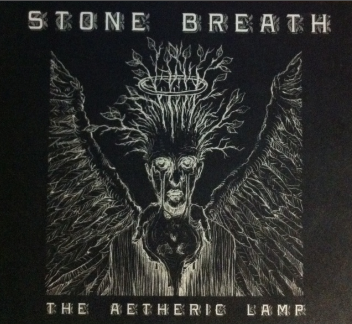 Kurz nach der Split-LP mit Language of Light folgt das den gleichen Titel tragende Vollzeitalbum des neuen, „lokalen“ Lineups von Stone Breath. Schon die drei Stücke auf dem Splitalbum machten deutlich, dass der Klang dieser Band durch das Zusammenspiel von Banjo und Akustikgitarre dynamisch(er) wirkt. Thematisch präsentiert Renner hier erneut (s)eine theologische Vision, die durch Zeilen wie „O the thunder has a voice if we have ears to hear it/Although the sound will terrify if we have reason to fear it“ („The Voice of the Thunder“) oder „Rise upon the altars of living breath or upon the shrapest horns of death“ stellvertretend Weiterlesen
STONE BREATH/MIKE SEED WITH THE LANGUAGE OF LIGHT: The Aetheric Lamp
 „Before the many, there were the few“ schreibt Jeanette Leech in Seasons They Change – ihrer Abhandlung über die Geschichte des Acid- und Psychedelicfolk – im Kapitel, das sich den drei Bands widmet, die lange bevor Free/Weird/Wyrdfolk ein Thema der Mainstreammedien werden sollte, Musik spielten, die von der Incredible String Band und Comus beeinflusst war, nämlich Stone Breath, In Gowan Ring und The Iditarod. B’ee hat sich nach vier Alben als In Gowan Ring mit Birch Book stärker am amerikanischen Folk orientiert und drei hervorragende Alben veröffentlicht, wird aber immer noch primär von denen rezipiert, Weiterlesen
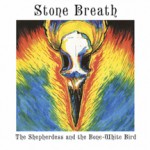
STONE BREATH (with THE FOREST BEGGARS): The Shepherdess and the Bone-White Bird
 Auf Timothy Renners Website lostgospel.org findet sich eine Zeichnung, auf der das (oft schwer zu durchschauende) „tangled web“ von seinen Bands/Projekten abgebildet ist. Seine bekannteste Band dürften Stone Breath sein, die lange bevor Weird Folk ein Modewort wurde, eine eigenwillige Form der Folkmusik spielten und deren Texte immer auch von Timothys spiritueller Suche zeugten. Weiterlesen
TIMOTHY RENNER – Interview
 Einen kurzen Abriss über das bisherige musikalische Schaffen Timothy Renners zu geben, fällt nicht einfach, war er doch an unzähligen Bands und Projekten beteiligt, deren Gemeinsamkeit aber fast immer ein (mehr oder weniger) direkter Bezug auf traditionelle amerikanische Musik war. Weiterlesen