 Als In Gowan Ring hat der rastlose, ewig umherstreifende Bobin Eirth, kurz Bee, Alben aufgenommen, die in ihren besten Momenten – und davon gab es zahlreiche – mit seinem selbst so betitelten „symbolist folk“ den Hörenden Momente von Transzendenz bescheren konnte: Das vierte In Gowan Ring-Album „Hazel Steps Through A Weathered Home“ dürfte noch immer eines der besten Folkalben der jüngeren Geschichte sein. Weiterlesen
Schlagwort-Archive: Birch Book
IN GOWAN RING: The Wondrous Stubborn Lyre
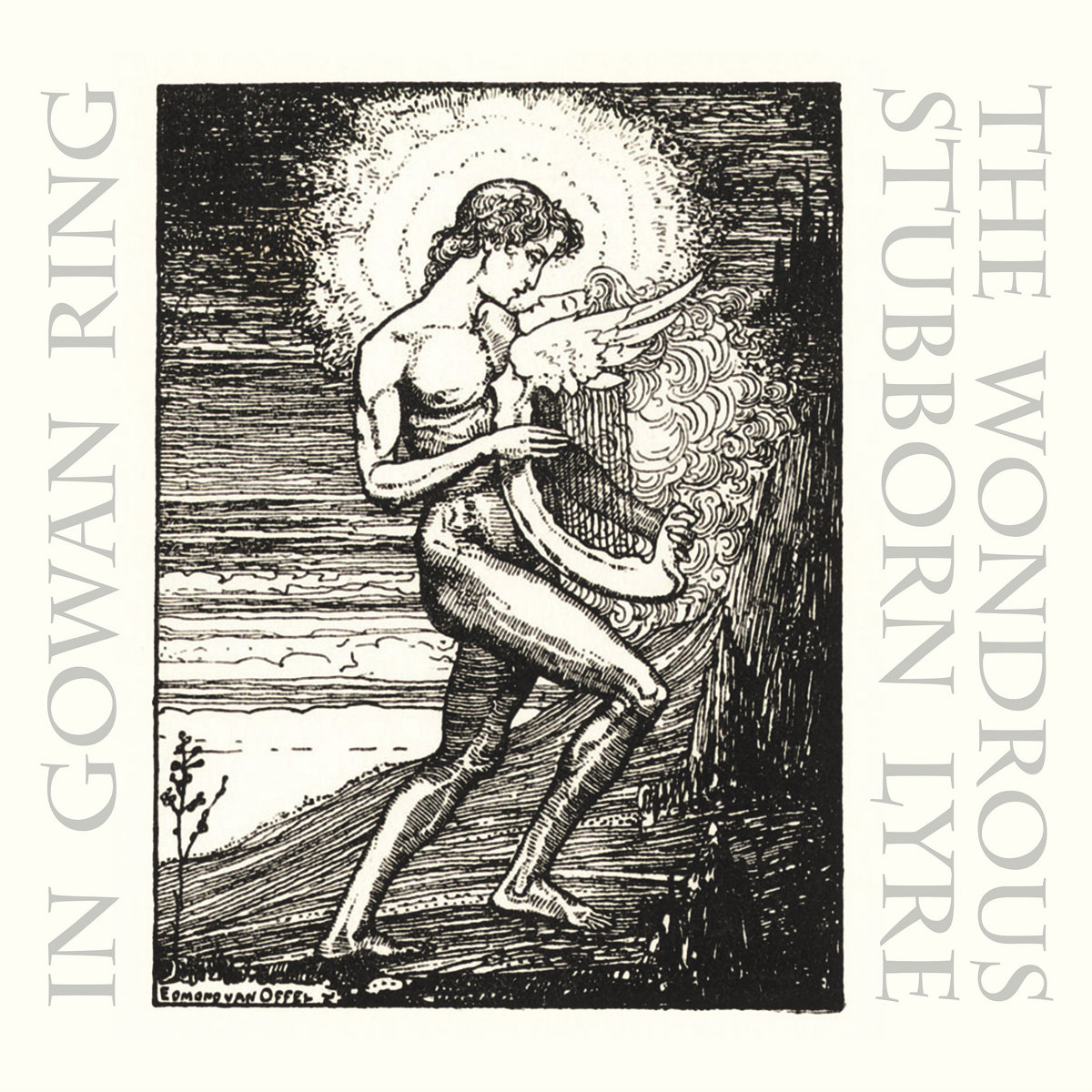 Manchmal sind es eher die sanften Stimmen, die sich am klarsten behaupten, und das nicht primär durch eigene Dominanz, sondern durch ein offenes Ohr für das, was sie umgibt. B’ee und sein “Symbolist Folk”-Projekt In Gowan Rings sind nicht nur ein Beispiel dafür, seine neue digitale Single “The Wondrous Stubborn Lyre” kündet auch genau davon: von einem Instrument, das sich nur demjenigen erschließt, der nicht versucht, es zu beherrschen, sondern ihm zuhört. Weiterlesen
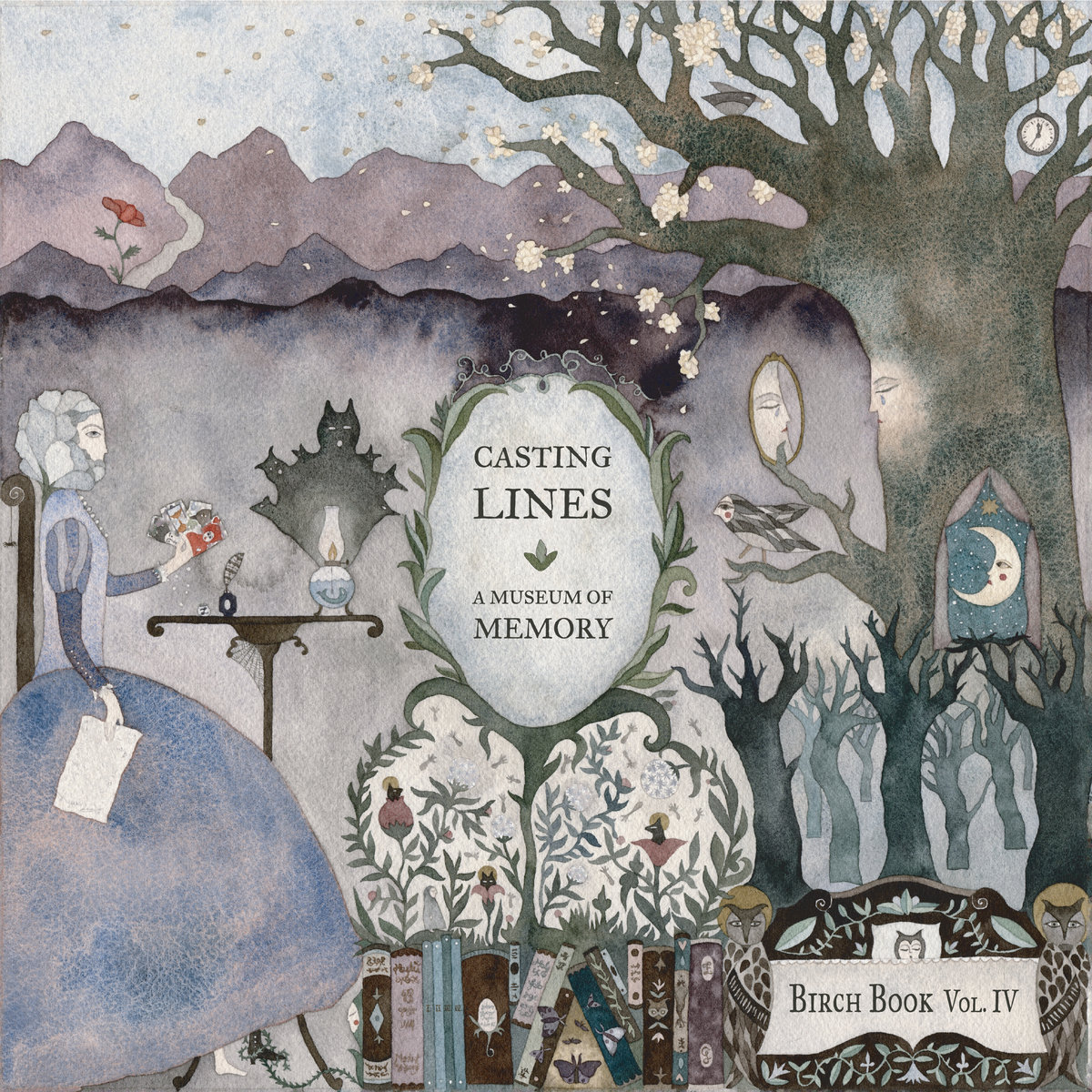
Birch Book Vol. IV: Neues Album des In Gowan Ring-Ablegers für 2020 geplant
B’ee von In Gowan Ring hat schon vor ein paar Wochen angekündigt, dass sein halbnomadisches Troubadour-Leben wieder aufzunehmen. Dieses reflektierte sich schon vor seiner m.o.w. sesshaften Zeit in Deutschland am meisten in seinem zweiten Projekt Birch Book, das oft und gerne als die Americana-Seite In Gowan Rings, als B’ees eigener Roadmovie in Form filigraner, melancholischer Folksongs beschrieben wurde. Vor zehn Jahren erschien mit “A Hand Full of Days” das letzte Lebenszeichen Birch Books. Unter den Arbeitstiteln “Wheel of Time” und “Way Back Home” ist nun Vol IV der Reihe für Sommer 2020 geplant.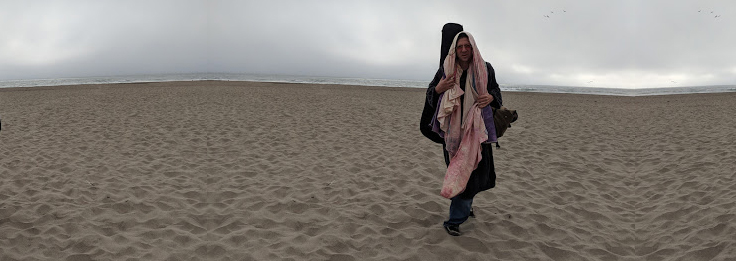 Weiterlesen
B’ee und Fågelmoln im Hamburger MUT! Theater
Den heute in Leipzig lebenden Musiker B’ee, der seit über fünfundzwanzig Jahren solo und in Begleitung feinsinnigen Folk spielt, braucht man den meisten Lesern unserer Seite sicher nicht mehr vorstellen, seine Projekte In Gowan Ring und Birch Book werden immer wieder in Rezensionen und Interviews vorgestellt. Dennoch sind seine Konzerte vergleichsweise rar, und so ist sein kommendes Konzert in Hamburg mehr als eine Erwähnung wert. Den Support für seinen “Symbolist Folk” bestreitet seine langjährige Mitmusikerin Gunhild Andersen mit ihrer Band Fågelmoln. Weiterlesen
Snowdrops und B’ee von In Gowan Ring und Birch Book im Noch Besser Leben, Leipzig
Snowdrops ist das gemeinsame Projekt von Komponistin Christine Ott und Multiinstrumentalist Mathieu Gabry, deren Stücke zwischen Jazz, Avantgarde und Neuer Musik rangiert. B’ee betreibt seit mehr als zwanzig Jahren melancholische Folkacts wie In Gowan Ring und Birch Book – jüngst hat er eines seiner Klassikeralben in verschiedenen Formaten neu herausgebracht. Beide Acts spielen am Sonntag, den 14. April in der Leipziger Bar Noch Besser Leben.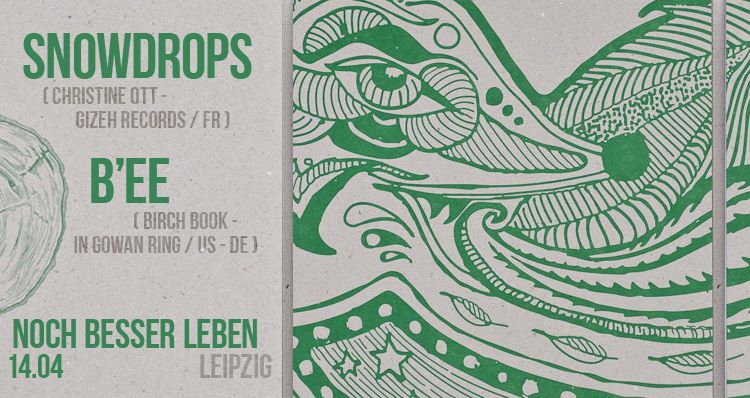 Weiterlesen
IN GOWAN RING: Hazel Steps Through A Weathered Home
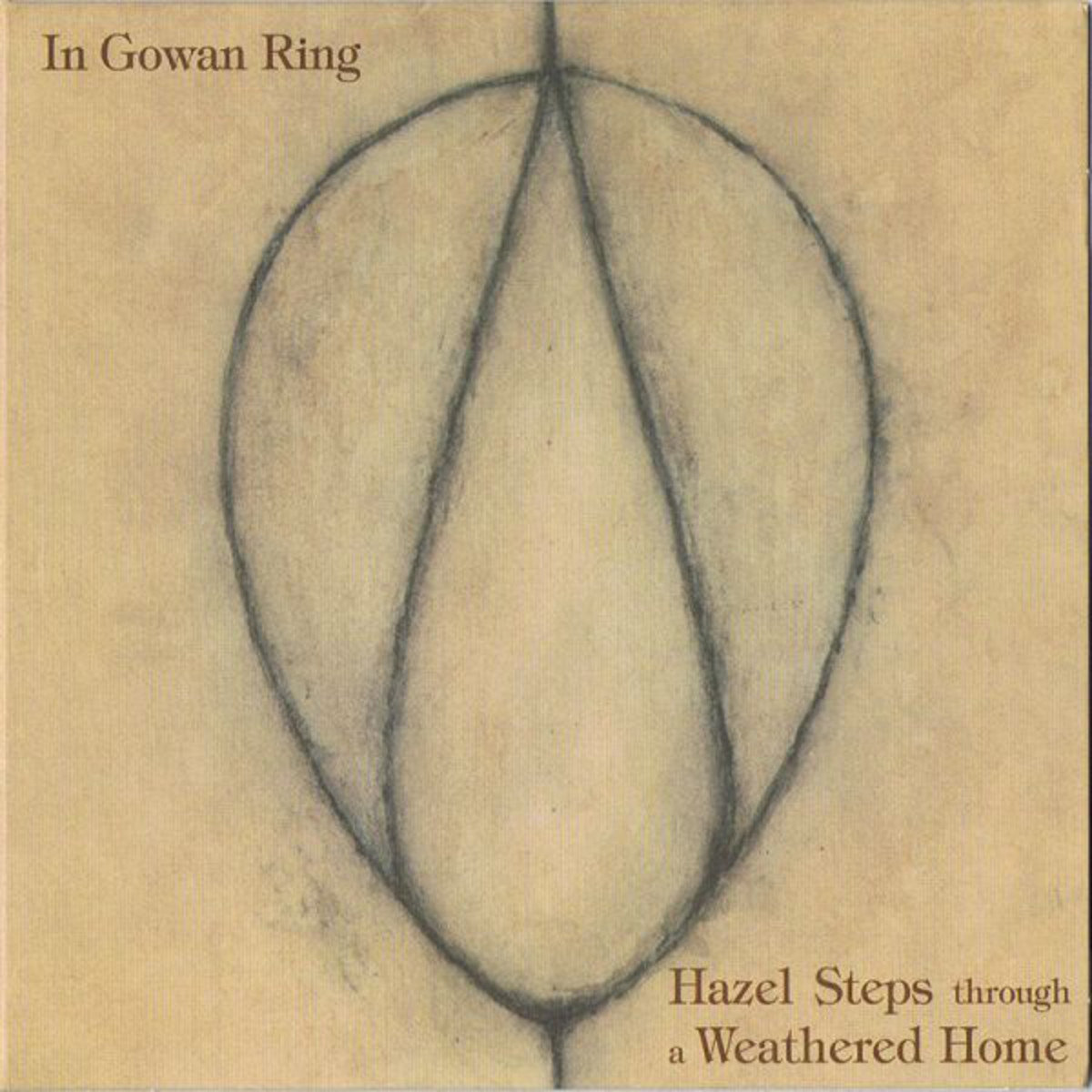 Im Werdegang von Sänger B’ee und In Gowan Ring markiert das erstmals 2002 erschienene “Hazel Steps Through A Weathered Home” eine Schnittstelle. Es war das letzte reguläre Album vor der Phase, in der B’ees zweites Projekt Birch Book im Zentrum stehen sollte. Stilistisch deutet es in einigen Punkten schon auf dieses Projekt und auf die späteren In Gowan Ring-Alben voraus. Zwar hatten die sanften Folksongs noch nichts von dem leichten Americana-Touch der folgenden Arbeiten, doch waren sie Weiterlesen
In Gowan Ring: Compendium 2017 zum freien Download
Mit einer Zusammenstellung von dreizehn Songs aus unterschiedlichen Aufnahmesessions von In Gowan Ring bedankt sich B’ee auch dieses Jahr wieder bei seinen Fans. Die meist minimal instrumentierten Folksongs sind zum freien Download auf B’ees Bandcamp-Seite zu erhalten. Einige der Tracks sind von seinem letzten Album “B’ees Pent Pouch”, über das wir demnächst etwas ausführlicher berichten werden. Weiterlesen
Sharron Kraus auf Tour in Deutschland, u.a. mit B’ee von In Gowan Ring
Die englische Folkmusikerin Sharron Kraus, die mit so unterschiedlichen Bands wie Backworld und The Iditarod aufgetreten ist und schon auf David Tibets Durtro-Label veröffentlicht hat, verbringt den November auf Tour in Deutschland und den umliegenden Nachbarländern. Kassel, Göttingen, Berlin, Leipzig und Giessen stehen auf dem Plan, in der Berliner Nomad Bar wird sie am Freitag, den 13.11. zusammen mit B’ee von In Gowan Ring und Birch Book auf der Bühne stehen. B’ee wird Sharron an der Gitarre und mit Backing Vocals begleiten und außerdem ein paar In Gowan Ring-Stücke präsentieren.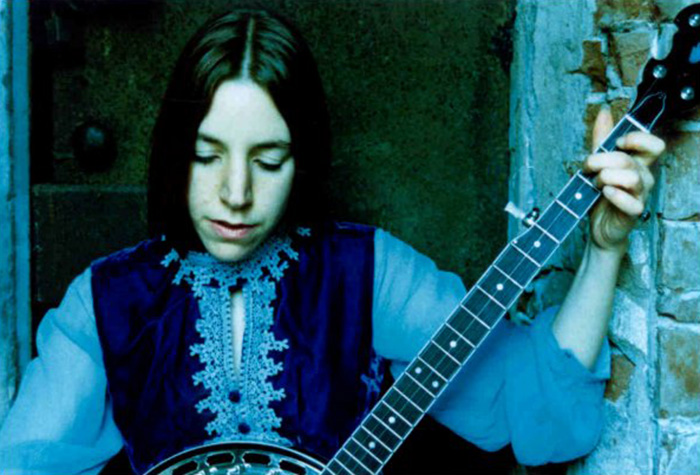 Weiterlesen
DAWN MCCARTHY: Traveller Returning
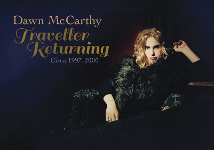 Man muss das Wort “Nabelschau” nicht mögen, aber ein Blick zurück auf die eigenen Anfänge ist für viele Musiker interessant. Welche Unsicherheiten konnte man mit der Zeit überwinden, welche ganz persönlichen Elemente gingen andererseits mit zunehmender Erfahrung verloren? Wie lassen sie sich wiederfinden? Wann und wie entstand eine eigene Handschrift, eine eigene Stimme, die von einem bestimmten Moment an untrennbar mit einem musikalischen Werk verbunden bleiben sollte? Dawn McCarthy, die seit ihrem Album mit Weiterlesen
IN GOWAN RING: The Serpent and the Dove
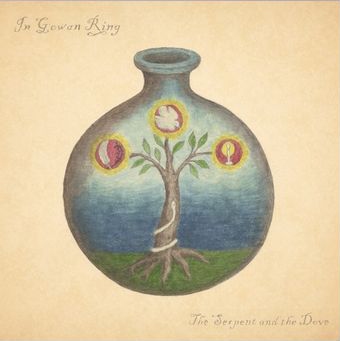 Wenn immer ein neues oder aufgewärmtes Musikphänomen auf der Bildfläche erscheint, gibt es Vorreiter, denen der Ruhm der Popularität verwehrt bleibt, dafür aber die Liebe und Anerkennung dezidierter Anhänger auch über einen Hype hinaus sicher ist. Im Folk und seinen dunklen, psychedelischen Spielarten, der im letzten Jahrzehnt in aller Munde war, ist B’ee eine solche Figur. Mitte der 90er gründete er sein Projekt In Gowan Ring, das einem kleinen, aber graduell wachsenden Kreis an Enthusiasten ein Garant für feinsinnigen entrückten Folk mit mittelalterlichen Einflüssen werden sollte. Mit Weiterlesen
IN GOWAN RING: Full Flower Moon
 Eine lineare Lesart der Entwicklung des Werks des von Stadt zu Stadt, von Land zu Land ziehenden B’ee klänge in etwa so: Nach dem stark an britischem Folk orientierten Projekt In Gowan Ring, das sich nach und nach der psychedelischen Droneelemente, die die ersten drei Alben prägten, entledigte, um das melancholisch-zerbrechliche vierte Album „Hazel Steps Through a Weathered Home“ einzuspielen, wurde mit dem neuen Projekt Birch Book eine erdigere, stärker an amerikanischer akustischer Musik orientierte Richtung eingeschlagen. Weiterlesen
IN GOWAN RING: The Glinting Spade (Re-Release)
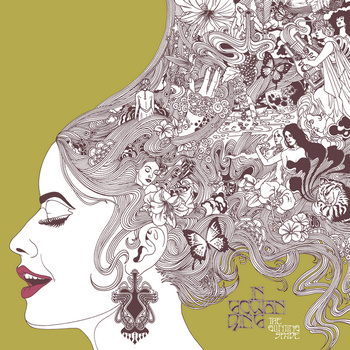 Der amerikanische Folktroubadour B’ee, dessen größte Konstante wohl sein unstetes Wanderleben ist, hat sich in der Vergangenheit nie endgültig zwischen seinen beiden Inkarnationen Birch Book und In Gowan Ring entschieden, beide „Gruppen“ scheinen wohl auf Langzeit nebeneinander zu bestehen. Zu den Gemeinsamkeiten und Unterschieden der beiden Projekte ist viel gesagt worden, auch in unserem Interview mit dem Musiker wurde über die eher amerikanische und zugleich sehr erdverhaftete Grundierung Birch Books und die vergleichsweise europäische, abstrakte und zugleich weltentrückte Ausstrahlung des älteren Projektes In Gowan Ring gesprochen, ebenso über eine Entwicklung, die beides miteinander zu verbinden schien. Weiterlesen
Lisa o Piu. Interview mit der schwedischen Sängerin Lisa Isaksson
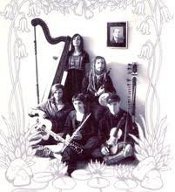 Es gibt im Zusammenhang mit Folkmusik ein journalistisches Klischee, das mich aufgrund seiner Dummheit bisweilen rasend macht. Irgend ein googelnder Schreiberling muss eine (meist irgendwie „indie-hippe“) Akustikplatte abfeiern und betont, dass gerade dieser Interpret im Vergleich zum Gros des Folk so gar nicht konservativ und betulich sei, und hebt lobend hervor, dass man die unterschiedlichen und zum Teil recht untraditionellen Einflüsse des Künstlers mit jeder Note greifen kann. Dass genau dies ebenso auf viele andere Musiker auch jenseits spexiger Modepüppchen zutrifft, und dass das Stereotyp des weltfremden Feld-, Wald- und Wiesen-Romantikers auch im Folk nur selten existiert, kommt den Experten weniger in den Sinn. Die Schwedin Lisa Isaksson zählt zu den Weiterlesen
Lisa o Piu. Interview with singer Lisa Isaksson
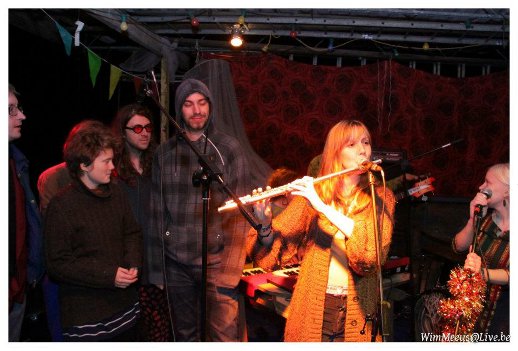
I first came in contact with your music, as you toured with In Gowan Ring, and was really surprised that you and your band members are long since active as musicians. What can you tell us about your origins as an artist and about the community, where your band comes from?
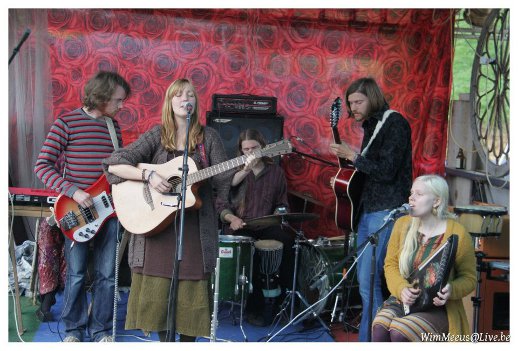
Well I don’t know if I´d say that I had been so active as a musician for a long time before playing with IGR… first time we toured together we had just released our first album, we had been playing for maybe three years, but had not played that much live really, and had never been on tour before, so it was quite a new experience. When it comes to the rest of the band, everybody had been playing music for quite a while, Joel with a pop group and his solo-project (Joel Munther), David with several (mainly Cirrus Winery) – most of them prog rock bands, and Anders had been playing bass with a few bands too. Also Jennie, who came along about five years ago, has her own solo project that she has been doing for quite a long time. I guess I was the least experienced one. I started playing more actively and writing songs maybe six or seven years ago, before that I could only strum a few chords on the guitar. After having started to write songs it felt like everyhitng moved on quite quickly. I have always considered myself to be a “cheater”, one that cannot “really” play guitar, I just kind of know my own songs, and I don’t “really” know how to write a song, I just pretend I do when I write them. I still don’t have the courage to call myself a “musician”, comparing myself to most of my friend musicians that started playing and writing songs when they where ten.
 Is Lisa o Piu more a band with a firm structure of rather your solo project with several helpers?
It has kind of been both, moving back and forth, but mainly I would call it a band but with loose structures. Most of the songs I have written alone, a few ones I and David wrote together, some I recorded alone and some with the band. We make most of the arrangements together. When we made the second album, David was as much producer as I was. Everybody in the band has contributed with their personal touch that makes the whole sound. So, no, I don’t really think of it as my solo project.
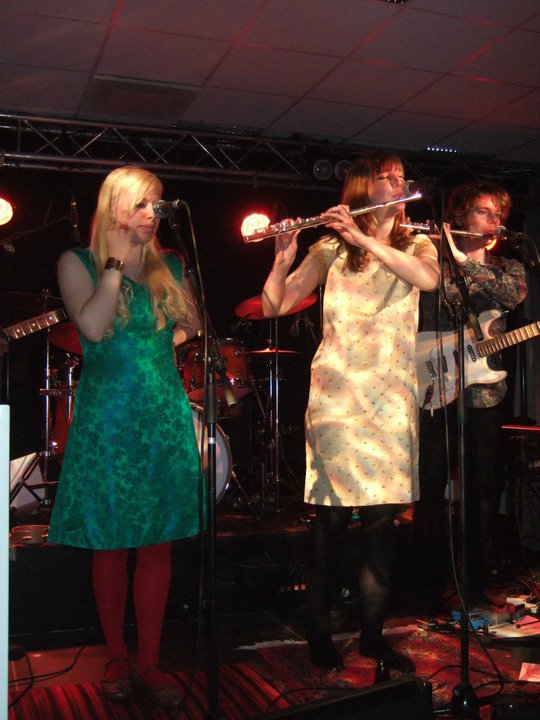
You play a large number of different instruments, the liner notes of your latest album mention guitar, harp, flute, piano and glockenspiel. Are you classically trained in their use?
I am not classically trained in any instrument… I studied music for a year at a very free form school and there I learned some basics in music theory and got the opportunity to try different things, record and play with others. I started learning flute from a friend there. Apart from that I am self taught.
Is there one instrument, you feel closer to as to the others?
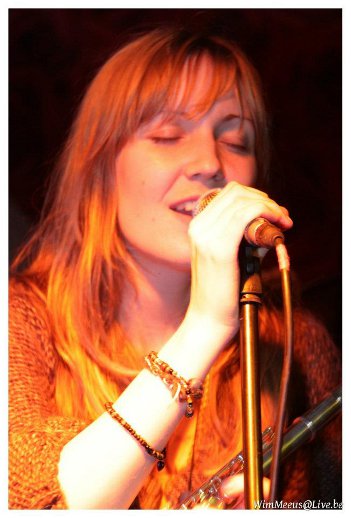
I have been playing guitar the longest, but I feel closer to the flute. I felt from the very first sounds I managed to make with the flute that it is an instrument compatible with my expression. But my very very closest instrument is fo course the voice…
How does the songwriting and composing take place? Do you improvise together, or do you rather present finished ideas to the others?
Most of the time I record a song I have written with a vague arrangement and then present it to the band and then we make the fine arrangement together.
On your debut the song “And so on“ illustrates human hybris by presenting nature claiming back what mankind took away and singing about “new creatures“ emerging. What can you tell us about the concept of that song?
Well, I think when I was writing that song I was thinking a lot about the climate changes and how we use up the resources of the earth and how terrible wrong it has all gone for us.. And most of it comes from greed, wanting to have more. Sometimes when I start thinking about how sad it is, it feels comforting to think that we have been here for such a short time and that if we disappear from the Earth soon it will recover and just keep on changing. The Earth has always been changing, big times and creatures have come and gone and that will go on when we disappear. When you think of it that way, somehow it doesn’t feel as depressing, I think. In the end of the song I see a beautiful and lush seaworld forming.
 Have you got any hope left at a time when despite clima(c)tic changes people still feel the urge to find more and cheaper oil?
Some days no, but most of the time yes. I want to believe that things can change for the good. I believe that we will be forced to change the ways of living and cut down on some things we take for granted today, but also that new technology and knowledge about sustainable energy for example will make things better, and that the resources will be better shared all over the earth. But sadly many people who are already poor will probably be poor for a while longer, and many people will suffer the new weather- and climate conditions.
As far as I know, you all come from Sweden and most of you from the Stockholm area. In which way does your environment influence your music?
To me it is not the most important thing, it is more the state of mind that makes it, but of course it is often easier to be inspired if you are in a beautiful place…
Have you got the feeling that your music is perceived differently by different kinds of people in the countries that you’ve played so far?
I have the impression that many people perceive it quite much in the same way wherever we play.. at least they say kind of the same things about what they felt when listening. But of course sometimes it feels like people are more or less interested…
Your songs are often described as otherworldly. Would you agree with such a description, and if yes – which sort of realm could be the setting of your music, and how does this world differ from all day reality?
It’s such a nice word, otherworldly. It makes me happy when somebody describe it with that word. I guess the realm would be different from song to song, but one thing I guess they have in common is that the light is kind of yellowish like when a strong sun is standing low.
How comfortable are you when reviewers call you a “bewitching folk siren“? Would you say that such a term is an appropriate description or just a lazy tag to categorize your music?
I don´t mind somebody calling me a folk siren, but it feels like quite a tired description, yes.
Regardless of the fact, that such terms have long since turned into clichés, do you regard your music as counter cultural or alternative?
I don’t know. I wouldn’t use the terms counter cultural or alternative, but I don’t think it really fits on the “folk shelf”, it is a bit too untraditional maybe. I never know what to say to people when they ask what genre my music is in.
 When artists use symbols from nature and have a focus on traditional forms, they are often criticised as being escapists and avoiding to deal with problems of real life. How would you react on such kind of critique?
Oh I think that would be a very strange and stupid criticism. I don’t understand why somebody would draw that conclusion, it’s not like you don’t think about real problems or things going on in the world just because you happen to write songs about nature or play folk music. I mean, songwriters that write pop songs about love are to me as much escapists in that case. And, if music in any form is a way for some people to escape the “real world” for a while I think that’s something positive. That’s basically the biggest pleasure I get from music.
You have formed another band called Lost in Rick’s Wardrobe with more or less the same members. Is it more a side project for live shows? What can you tell us about the idea behind your new interpretations of classical folk or progressive rock songs?
It started with me and David going on a train talking about all our favourite songs that we would love to play. At the end of the train journey we had a list of the songs and a list of freinds that we thought would like to join and play these songs. So, we started this cover band simply to play our favourite songs and to let other people enjoy them. Playing with this band has been absolutely fantastic. Unfortunately the band split up recently due to various reasons, but I hope we can get back as a group soon again, cause it is such a dream to play all your favourite songs and it has been working so well. It’s great to have a chance to sing/play more heavy stuff, I really love singing songs that are a bit more rock ‘n’ roll than my songs are. When hearing that band I think I would lose the Folk siren Epithet  Me and David recently joined another new band that we call “Vårt Solsystem” (Our Planitary System) with members from Dungen, Life on Earth, Promise and the Monster and other bands, we are ten people, each one symbolizing a planet in the system. We play improvised music with the characteristics and symbol meanings of every planet as the score. We start from the sun and work our way out to Pluto. It is a fantastic way of creating music.
Whilst there is an obvious connection between your music and bands like The Pentangle or Mellow Candle, the originals by Gentle Giant or Pink Floyd are further away from your own compositions. Do you enjoy a lot of different music which is not obviously close to the sort of songs that you play?
I listen to lost of different kinds of music eventhough most of the things I have in my record collection and on my mp3 player is folk, prog and psych-stuff from the 70′s, but I can just as well fall in love with a surf-garage-band song or a croner piece. Some type of music I really love to hear live, like afro beat or balkan music, but I don’t often listen to it at home. When it comes to what I put on my record player I am quite picky, but not when I hear stuff on the radio when you are out somewhere or live, I love to sing along to catchy pop songs or silly eighties ballads.
 A reviewer of the BBC thought that your debut could have been released decades earlier. Would you say that your music is timeless or that it is rooted in a particular musical tradition?
Since I listen to a lot of music made and recorded in the 60′s and 70′s it’s not surprising that people say something like that. I don’t necessarily want it to sound like it could have been made in the early 70′s but I like the sound of that era and I guess my sources of inspiration shines through. Timeless music… I don’t know what they mean with that. Maybe just that we’re not trying hard to sound modern cause none of us like the “modern sound”.
How was it for you to record with Roger Wooton? Was that something like a dream come true to perform your own songs next to Comus-material?
It was quite weird… not like a dream coming true, since it felt like such a surreal thing that you’d never dream something like that could happen. It was a big honour to play the Comus songs, really amazing and fun, but also quite scary. We were extremely nervous and had this picture of Roger to very moody and scary, joking about him ripping our heads off if we made a mistake. He turned out to be extremely friendly and charming, so we had lots of fun. We only had one late evening rehearsal together and then we did two shows. I had a very hard time learning the flute parts cause I had just begun playing half a year earlier, it felt a little bit like a kamikaze-project, but it turned out quite well I think. Still sometimes when I think about it I laugh cause it feels like such a weird thing, that we actually played with Roger Wootton.
You also contributed to a band called Promise and the Monster. How did it come about and what can you tell us about this collaboration?
Me and Billie (who is PatM) met at a festival on board of a big boat (the Melloboat festival) and talked a bit. I contacted her a while after asking her to do a concert at a club that me and two friends run. She said no two times, but the third time she agreed, and then she asked me if I wanted to sing some harmonies. We have played together for about 2.5 years now. I am not playing so much on the record, I am more her live musician. Now we mostly play as a trio, me and Jennie (who also plays live with Lisa o Piu) sing harmonies and play flute, glockenspiel, zither, drums and percussion. It is great fun to play a little of this and a little of that. Billie often has some ideas of how she wants the arrangements, but mostly we come up with the fine stuff together. I really love the songs and I have learned a lot from playing with Billie.
 On which projects do you work at the moment – are you mainly touring, or can we expect some new recordings by Lisa o Piu in the nearer future?
At the moment I am helping out a lot with two records that David is recording (he’s a sound engineer), one of a friend of ours called Laike and one that David is making with his own songs. They will be out sometime in the autumn.
I do gigs with PatM and Vårt Solsytem, but we also play some with Lisa o Piu. I have a few new songs that we plan to record sometime quite soon, so we’ll see if there might be a new Lisa o Piu album out in a while too…
(M.G. & U. S.)
Fotos: Gunilla Härefelt, Hanna Wikberg, Wim Meeus
V.A.: Werewolf Songs. Music Inspired by Swedish Folklore
 Als Regissuer Joe Dante über die Genese seines Films The Howling und die damit verbundenen Recherchen sprach, wies er darauf hin, dass ein Großteil „unseres Wissens über Werwölfe aus dem Kino kommt […], dass sich dieses Wissen aber ganz erheblich von den alten Mythen unterscheidet.“ Nach einer Renaissance des Werwolfs im Kino der 80er/90er, an deren Beginn Dantes Film anzusiedeln ist, steht er inzwischen wieder im Schatten des Vampirs, sei es in der anämisch-keuschen „Twilight“-Reihe oder in der sexuell aufgeladenen und blutigen HBO-Serie True Blood. In beiden Fällen spielen die auftretenden Werwölfe vergleichen mit den teils blassen, teils extrem virilen Blutsaugern nur eine sekundäre Rolle. Weiterlesen
“Vieles, was ich mache, basiert auf Gefühl”: Ein Interview mit Timothy Renner
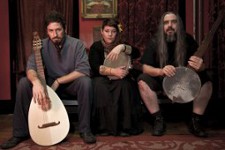 Das künstlerische Wirken Timothy Renners ist in den vergangenen Jahren von uns mehrfach beleuchtet worden. Seit Mitte der 90er hat er in unzähligen Inkarnationen (Timothy, Timothy Revelator, timeMOTHeye) und Formationen (Mourning Cloak, Stone Breath, Breathe Stone, The Spectral Light and Moonshine Firefly Snakeoil Jamboree, Black Happy Days, Moth Masque, Crow Tongue, Forest Beggars) Folkmusik (ein)gespielt, die (auch immer) seine spirituelle Entwicklung, seine persönlichen Obsessionen widerspiegelte. Dass er auf seinem Blog bei Interessen lapidar vermerkt: “a life of meaning and symbol”, darf da nicht verwundern. Weiterlesen
A lot of what I do is based on feeling. An interview with Timothy Renner
Since we last spoke so many things have happened. Maybe we could start with the most striking development: The resurrection of Stone Breath. If I remember correctly you said that working on the reissues contributed to the idea of bringing Stone Breath back to life. Can you say a few words about how it all started (again)?
It was more organic than mercenary. The reissues definitely contributed to our resurrection of Stone Breath, but they were only one factor. Before the reissues had been completed, Prydwyn and I had finished a small Stone Breath ep, “The Holly Crown.” Prydwyn and I had never stopped working on music together – we were working on material with the Forest Beggars and he had worked on some Crow Tongue material – but when I started writing acoustic music again, music that wasn’t rhythm-centered like Crow Tongue was – everything pointed to Stone Breath. The songs were there. The harmonies were there. The people were there. The only thing that was keeping it from being Stone Breath was ME. Prydwyn, Sarada, and I recorded “The Shepherdess and the Bone-White Bird” – I felt it was a strong album, a proper comeback, and most of all, I felt it was a Stone Breath album.
A lot of what I do is based on feeling. Feelings don’t translate well and they don’t always follow waking logic, but they are important to me. If I feel something isn’t “right,” I just won’t do it. I have done this before to the detriment of my career and popularity – but it is the only way I know how to live. The songs we were recording: they felt like Stone Breath. There was no real reason not to call it Stone Breath.
 I guess, Crow Tongue is now a project of the past. Are there any unreleased recordings?
If there comes a time when I am working on material that sounds and feels like Crow Tongue again, I would call it Crow Tongue. We never really ended the project so much as circumstances attracted out attention elsewhere (mutually). There are a few unreleased recordings, I think. There was a more electronic album that we were working on. Some of those songs got reworked for my “Undeath” solo project.
In Crow Tongue you played a number of unusual handmade instruments, for instance the Lowebow, a “fretless double-necked electric cigarbox guitar”. Are you self-taught in such skills, and what makes it appealing for you to build and play such instruments?
Well, I didn’t build the Lowebow – those are made by John Lowe in Tennessee. I just played one on “ghost eye seeker.” I like homemade instruments because there are no formal, set rules established for playing them. No expectations. You just grab them and start making music. It is very freeing and interesting. I do enjoy building instruments too – but I think I am better at modifying them – making banjos sound like guimbris, guitars sound like sitars, etc, etc.
I got the impression that one thing you liked about Crow Tongue was that you and Æ Hoskin were not living too far apart and so you could practice and play regularly. Is that also the reason that you now have a – as you put it – “local” line up for Stone Breath?
I definitely enjoy having local folks to bounce ideas off of – and to have regular practices where the music evolves. It is less lonely and it pushes me as a musician.
Let’s talk about the new recordings. I must say that “The Aetheric Lamp” is at the moment my favourite Stone Breath-album and I think in a just world “The Coming Fires” would be the hit single from the album. What can you tell us about this album? How did you get into contact with Carin Wagner Sloan again? To what extent does your approach and your concept differ from that on “The Shepherdess And The Bone-White Bird”?
Carin is one of my wife’s best friends – and has been since Iditarod toured with Stone Breath many years ago. I always loved her voice. I remember sitting with Prydwyn, watching Iditarod and him saying to me “We have to get her to sing with us” – to which I agreed, of course.
Carin got married and had her first child around the same time my wife and I had our twins. I think it took some years of being a mother before she was ready to make music again. We talked about it a little bit and I sent her some songs (material from “The Night Birds Psalm”) – then she came to record. She was full of ideas and 100% ready when she arrived. I am overjoyed with what she did with Stone Breath. She never heard “The Coming Fires” before she got here to record though – I just threw that one at her when she got here – and she nailed it. First or second take, I believe. She sang that with such power every instrument in the room was ringing from sympathetic vibration. It was amazing.
“The Ætheric Lamp” was, for the most part, improvised music over a framework. It was like side B of “The Shepherdess…” in that aspect – it really extended from that. Eastern scales and improvisation. We were listening to a lot of Persian classical music, as opposed to solo oud/vocal works (which informed “The Shepherdess of the Fiery Wheels”); so I guess that’s why there are a lot more instruments and different textures to the music.
On the album the idea of opposites (“beautiful and terrible”, “horrible and wonderful”, in the end “Springtime flowers burst again beneath the sky’s red tongue”) seems to play an important role. Do you feel that such contrasts are always linked?
One of my friends once told me that all of my music was about darkness versus light, in one way or another. I never thought of it too much before he said that – but lanterns, moons, stars, flames, etc etc – always in my songs. I suppose this all comes from nature – the idea that opposites are somehow connected: life comes from death. Light from darkness. etc. I often try to write in layers of meaning, though I am not always successful, but I think this too lends itself to dealing with opposites and contrast.
You are just about to release another new Stone Breath-album, “The Night Bird’s Psalm”. What can you tell us about it concerning concept, composition etc.?
“The Night Birds Psalm” actually began before “The Ætheric Lamp” – we worked on them at the same time. I had an idea to write an album of somewhat shorter, more personal songs – a bit like the first two albums – but to record it with the new, expanded band and put everything I had learned over the years into the songs. It’s quite different from “…Lamp,” but I am equally proud of both albums.
 One characteristic of your work is that you sometimes revisit songs. On the new album there’ll be a new version of “Ephrata Sacred Heart”. When do you feel that there may be the right time to do a reinterpretation?
There will be a mini-album called, “Who is Listening?” that has new versions of songs from the first and second album (as done by the new, full band) as well as a reworking of “Sixteen Hooves” from Crow Tongue.
Usually, I will go back to a song if I feel there was something there that I didn’t quite capture – or there was a theme I didn’t explore deeply enough – or perhaps I think I can make the music better. With “Who is Listening?” I just thought it would be interesting for people to hear the new folks play some of the very old songs.
Were The Forest Beggars a one-off or are there going to be other recordings?
I am not in control of The Forest Beggars. They make Marian devotional music. I would say that there will be more Forest Beggars material in the future. Any more Marian material I write will be given to the Forest Beggars. They are not a commercial concern. The “Virgo, Mater, Domina” material was begun almost decade before it was released. We decided to release it with Stone Breath’s “Shepherdess…” CD because they were both devoted to Mary and because we felt it was a good way to introduce the Forest Beggars to the world. Obviously, there are some voices and sounds associated with the Forest Beggars that will be familiar to people who listen to Stone Breath – but officially, Forest Beggars have an anonymous membership. That membership is different from Stone Breath.
On your blog you show several drawings from your forthcoming art book “Undead”. How would you describe the atmosphere and the main motifs of the book and which are your latest plans for the publication?
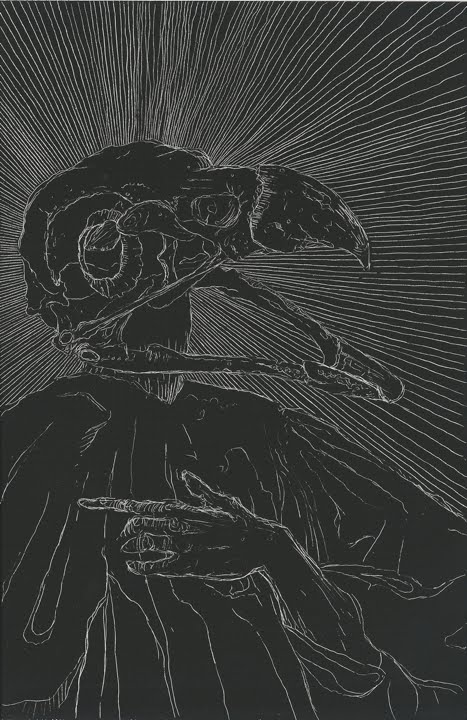
It is to be called “Undeath.” It will be an art book along with a solo album (with many guests). The art is a series of drawings I did of ghosts, angels, and other strange beings. It began as a way to get myself drawing again on a regular basis – and soon turned into a very extensive series. At some point I started recording this album of dark, spooky music – I call it drone-folk just as a shorthand reference, but it’s weirder and a bit more experimental than I think that makes it sound. I thought the album and the art would go well together. I believe it is going to be released on Crucial Blast (or a subsidiary) in the first part of 2012. I am hoping to have some gallery shows associated with these drawings, but we will see.
I think the way music is perceived is often influenced by where people come from and in what “scenes” or subcultures they are located. I was wondering how Stone Breath is seen in or near the place where you live.
I think we just worked in obscurity for a long, long time. People who knew me, heard the music and I suppose they thought, “well, that’s just Timothy’s thing.” Stone Breath played more in New York, New England, and on the West Coast than we ever did locally. After Don joined the band; well, he is a fantastic guitarist and is known as such in the area. More people have started to notice us, locally. Then when Brooke joined as well – she and Don are much better with talking about the band and letting people know we are here. I think I am getting better with that too – now that there is a local, practicing band.
I think maybe time has caught up with us as well – people are perhaps more open to creative music. They are searching for something a bit different. So, I hear the name spoken here and there now whereas I NEVER heard it before. That’s very nice for me to hear.
When we last spoke you told me that for various reasons you had never felt as a part of weird folk. Do you nevertheless feel some kind of pride that Jeanette Leech dedicated a chapter to Stone Breath, The Iditarod and In Gowan Ring in her story of acid and psychedelic folk?
 Absolutely. That chapter was recognition that we didn’t often receive elsewhere. When the whole acid/psych/freak/weird/whatever folk thing got somewhat hip and popular, we were completely left out of that. I think, in some ways, we were seen as “old.” Not new and hip. We never dressed like the bands that got more popular and signed to big indie labels or major labels. We never had the right clothes or the right haircuts. We never did anything with an ironic wink to it – we just did what we loved. We never had money for press agents and booking agents wouldn’t give us the time of day.
So, the chapter in “Seasons They Change” – it was good for our hearts. When Jeanette talks about how much she likes Stone Breath – when the person who quite literally wrote the book on this music picks your album as one of her favorites – there is a very touching kind of recognition there. It makes up for so many times we got passed over or forgotten or ignored.
This is a question that addresses you as somebody running an independent label. How much harder has it become over the last couple of years to run Dark Holler and Hand / Eye? Have there been any major disappointments recently?
It has become very difficult. Small labels are folding left and right. We have had to cut corners and cut costs and release fewer albums in smaller quantities. Everything has changed. We have moved, somewhat, to a patron-based system. Those that support us, tend to always support us. We tend to sell everything we release to a smaller group of patrons as opposed to a few things to lots of people.
As far as disappointments go – the economy is the economy and there is little we can do to change that. The only thing we can do to try to combat the thieves who illegally upload/download our music is to try to make interesting packaging that people will want. Again, there’s not too much we can do but try to inform people that stealing really hurts independent artists and labels in a vastly disproportionate way to large labels. No, the only real disappointment of late has been from a lathe-cut record manufacturer, PolyCut – who we contracted to make a 10” record for us. They never made the record and they kept our money. In times like these, for a supposedly indie-friendly manufacturer to do that to a small label – it is crushing.
You mean the “Who is Listening”-ep. How difficult make such things surviving as a band?
It really hurt us. We usually depend on one release to somewhat fund the next. With no refund and no product to sell, it’s as if we just burned a pile of money. We have nothing to show for our work.
You have released albums by a number of other artists on Hand/Eye, for instance you gave Sarah June a good start for her debut. Do you still follow her activities after she’s now bit more popular in the indie music community or are you disappointed that she released her second album on another label (on your website you write that “if you’re not ready to promise us a second album, don’t send us anything”)?
Certain other labels were using Hand/Eye for artist research and development. It is MUCH harder to break an artist with their first album than it is to swoop in and grab them for their second album. So, because of these things, it has made us very cautious about working with new people. It’s a shame, because I felt I was pretty good at finding new and interesting artists – but I’m not really looking anymore. Between me and my close friends – we can make enough music to fill the entire release schedule. I don’t need to seek out other artists. Stone Breath and the Trees Community are the biggest selling things on the label, by some measure. The label isn’t hurt by me filling up the release schedule with Stone Breath – quite the opposite.
What can you tell us about the background of the “Full Moon” series you released on Hand/Eye with artists such as In Gowan Ring, Wooden Wand or David Tibet? I remember that you mentioned some plans of starting a new subscription series. Has this been shelved?
Neddal Ayad (the does, Desolation Singers) and I came up with that series. We thought it would be an interesting way to combine some lesser known artists with others that were more well known. It was fun to do, but a lot of work every month.
We sometimes kick around the idea of a new subscription series. We were going to do it with Crow Tongue – basically each one would be another artist remixing Crow Tongue or Crow Tongue remixing another artist – but it was not to be. We would probably do a different series if we could get enough subscribers.
 About two years ago we spoke to B’ee after a Birch Book-concert and he mentioned there were plans to release an extended version of “Full Flower Moon”. Is this still going to happen?
Bee and I can’t seem to figure this out. I believe he wants it to come out in May – and I just can’t set my schedule that precisely. Everything I do is delayed it seems. I hope we get it worked out because it is a fantastic collection of songs.
Unfortunately, terms like “independent” and “do it yourself” have turned into stereotypes over the years, though their essence might be more necessary than ever. Is it important for you to be as independent as possible from the fashions of the mainstream?
I don’t try to consciously avoid the mainstream. I think modern pop culture, for the most part, is such that what gets allowed in the mainstream is often weak, watered down and safe. We are independent because no one is giving us serious offers – so far, every contract that has been put in front of Stone Breath, whether to license background acoustic tracks for sports betting apps or to score minor independent films, has not been very beneficial to the band. We do it ourselves because no one will do it for us. It’s good. It keeps us working.
Is working on a farm (I’m not sure if it is your own one…) also something you see in that context, and do you regard family life, growing food and music as part of one greater whole? I’m also wondering how much you are affected by the current economic crisis/crises (if that is not too private a question). Would you say that your way of life and living gives you a certain amount of autonomy?
Working on my father’s farm is just one of many things I have done. As my father has aged and I have moved further away, we do less and less work there. It was just a very small farm – we only raised food for ourselves really – and a few head of cattle. Nothing too much. What growing up on the farm gave me, though, was a feel for the seasons and for the power of planting seeds and the importance of working with your hands.
I think my entire life has lead me to where I am. Growing up on the farm, being introduced to the DIY/punk thing in my teens, zine culture, experimental music, folk music and the folk process… all of these things and more have combined to make me who I am. I take odd jobs and part time jobs – in order to be able to live the way I want and make art and music – but there may come a time when I need to take another full time job and I know in my heart that this makes me no less an artist or musician. I don’t know how autonomous I am in reality. Probably nowhere near as much as I would like.
Some years ago you said that one of your great destinies is to consiliate your animist heart with your Christian mind. Do you still follow this quest, and would you probably say that you have come a bit closer to the goal?
I don’t know. I have had to make a separation in my mind between American protestant Christianity (which is quite alien to me) and Catholicism (which is the religion in which I was raised). I am now careful about the word “Christian” because, in the United States at least, it is a term thrown about by people who are often not very Christ-like in my view.
Animism is always in my heart. Always has been – before I put a name to it. I don’t see it in opposition to Marian Catholicism – in the big, strange, fractal picture of spirit and nature sometimes faith and doubt walk hand in hand. Sometimes a Jewish man must be born of a Virgin and hung on a tree in order to make us remember nature’s place in the order of things. Other times, angels must take the form of trees. Forests become cathedrals. It is all spun together in a great silver web.
There are many motifs in your songwriting that refer to what is usually called the pagan aspects of Christianity, and your self description (“Stone Breath is part of the earth. Metal, hair, wood, skin, flesh, leaf, breath, and bone make our songs. We sing hymns to God and the green wood.“) also goes in such a direction. Would you say that these aspects generally go too short in today’s mainstream religiousness?
I think so, yes. Folk traditions – most of which were of pagan origin and then incorporated into Christianity – have been weeded out in some attempt to get to a rigid “pure” Christianity – which is a bit of a joke. In losing these things, we have lost something essential. Something beautiful.
Are you interested in early Christianity, and if yes, which scriptures do you regard as indispensable for your own spiritual development?
I guess it depends on one’s geographical and chronological definition of “early.” I used to be very interested in apocryphal stories and gnostic texts and so forth. The “desert fathers” – all of that. I suppose I still am, but later writings like Hildegard of Bingen’s and the saint’s visions on the life of Mary – and writings by and about the Celtic saints – these hold more interest for me of late. I understand them better. But books on synchronicity or nature writing – in some ways these can be just as powerful and moving to me, spiritually.
You have released some music on the Australian label Camera Obscura and you also designed “The Serotonin Ronin II”-compilation for it. The passing of its owner Tony Dale is surely a great loss for the folk scene and for alternative music in general. Have you been close friends, and what can you tell us about the time of your cooperation?
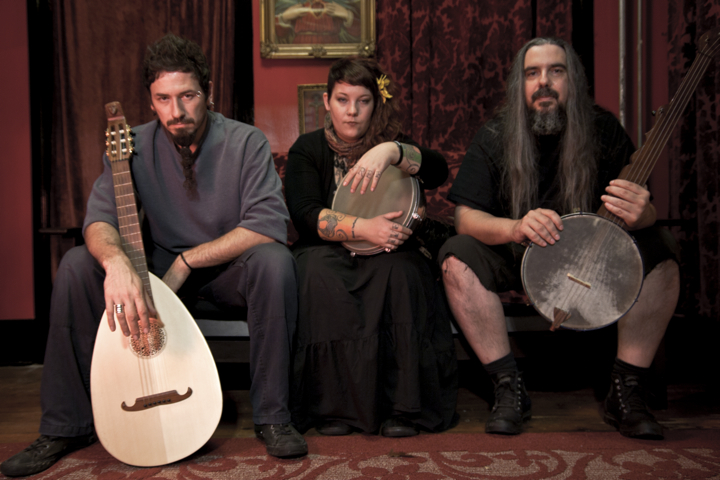 Tony and Camera Obscura are greatly missed. He was a supporter and a friend. He was the first person to show that kind of faith in Stone Breath. I was always proud that “Songs of Moonlight and Rain” was the first Camera Obscura release. Tony released a lot of great records and helped so many bands along the way. I don’t think you will find anyone who will say anything but great words about Tony, and many will say it better than I can. He was an amazing man and a blessing to underground music.
Is there anything you’d like to add or a question that you would have liked to hear?
Only my contact information: revelator@lostgospel.org
(M.G. & U.S.)
STONE BREATH/MIKE SEED WITH THE LANGUAGE OF LIGHT: The Aetheric Lamp
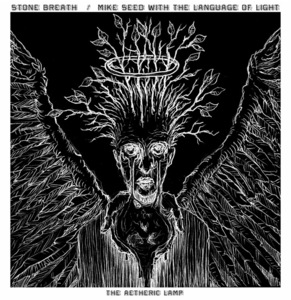 „Before the many, there were the few“ schreibt Jeanette Leech in Seasons They Change – ihrer Abhandlung über die Geschichte des Acid- und Psychedelicfolk – im Kapitel, das sich den drei Bands widmet, die lange bevor Free/Weird/Wyrdfolk ein Thema der Mainstreammedien werden sollte, Musik spielten, die von der Incredible String Band und Comus beeinflusst war, nämlich Stone Breath, In Gowan Ring und The Iditarod. B’ee hat sich nach vier Alben als In Gowan Ring mit Birch Book stärker am amerikanischen Folk orientiert und drei hervorragende Alben veröffentlicht, wird aber immer noch primär von denen rezipiert, Weiterlesen
LISA O PIU: Behind The Bend
 Kein Jahr nach ihrem Debüt „When This Was The Future“ legt die schwedische Folkband um LISA ISAKSSON nun mit dem als Minialbum konzipierten „Behind the Bend“ nach. Fallen einem Unterschiede ins Auge, so betreffen diese wohl zunächst den visuellen Rahmen – dort zeichnet sich nämlich eine noch stärkere Abkehr von zivilisatorisch konnotierten Bildmotiven ab. Die Wegweiser zeigen in Richtung Natur, ebenso sehr in Richtung eines neuromantischen bis äthetizistischen Retro-Jugendstils. Weiterlesen