
 Seit Ende der 80er gehören die Pestmaskenträger von Contrastate zu den eigenständigsten Formationen in der Folge des Industrial. Während die museale Feier vergangener Zivilisationsbrüche seit Jahrzehnten Standard geworden ist, hat sich das Projekt um Jonathan Grieve, Stephen Meixner und Stephen J. Pomeroy immer wiede rauf die Suche nach Ungekanntem begeben. Nach dem 2024 erschienenen “Live Without Agriculture” folgt nun Weiterlesen
Schlagwort-Archive: Ennio Morricone
Soundtrack zu Pasolinis Salò auf Cold Spring
Bei Cold Spring erscheint erstmals der Soundtrack zu Pier Paolo Pasolinis Film “Salò, oder die 120 Tage von Sodom”. Die Musik steht in bewusstem Gegensatz zu den brutalen Bildern des Films und verbindet klassische Kompositionen von Bach, Chopin, Orff, Puccini und Graziosi mit Ennio Morricones den Rahmen bildenden Arbeiten. Der Soundtrack folgt der inneren Dramaturgie des Films, beginnt mit Morricones “Son Tanto Triste”, führt durch melancholisch gebrochene Passagen und bezieht auch düstere Gesangseinlagen der Darsteller ein. Ergänzt wird das Programm durch Morricones Abschiedsstück “Addio a Pier Paolo Pasolini”, das nach Pasolinis Ermordung kurz vor der Filmpremiere entstand und in die endgültige Fassung aufgenommen wurde.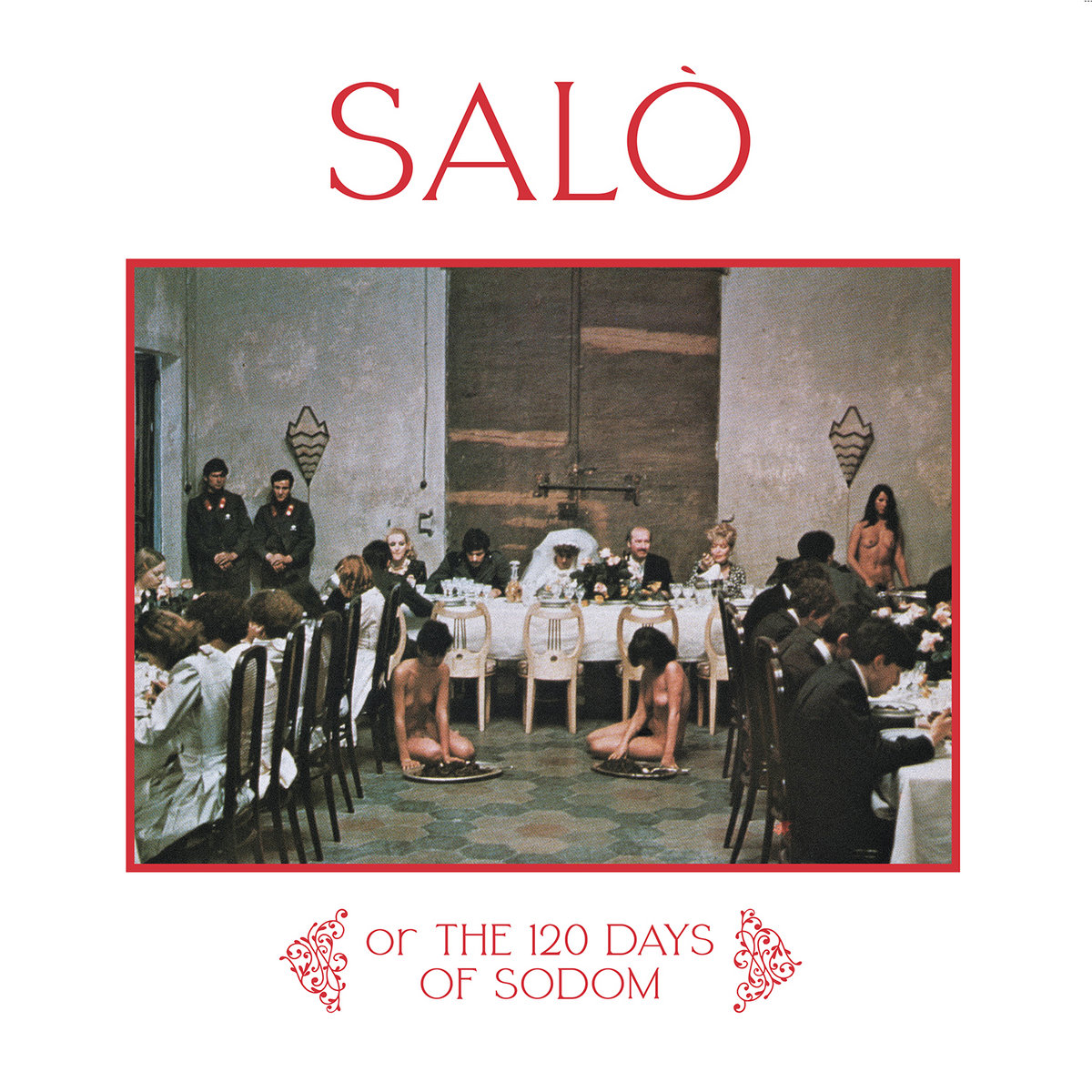 Weiterlesen
Ennio Morricone: Neuauflage eines Fulci-Soundtracks von 1964
Das auf die Erst- und Wiederveröffentlichung alter Soundtracks und anderer Library Music spezialisierte Label SONOR Music Editions bringt einen lange vergriffenen Morricone-Score für Lucio Fulcis Mafiafilm I due evasi di Sing Sing (Das Großmaul) von 1964 heraus. Das im Easy Listening-Stil der Zeit mit Jazz- und Bossanova-Anleihen produzierte frühe Werk des berühmten Filmkomponisten erschien bislang einmal in einer limitierten, nur für Archive bestimmten Auflage und liegt nun in neu gemasterter Fassung vor. Neben dem Download erscheint der Score in einer 500 Exemplare umfassenden LP-Version. 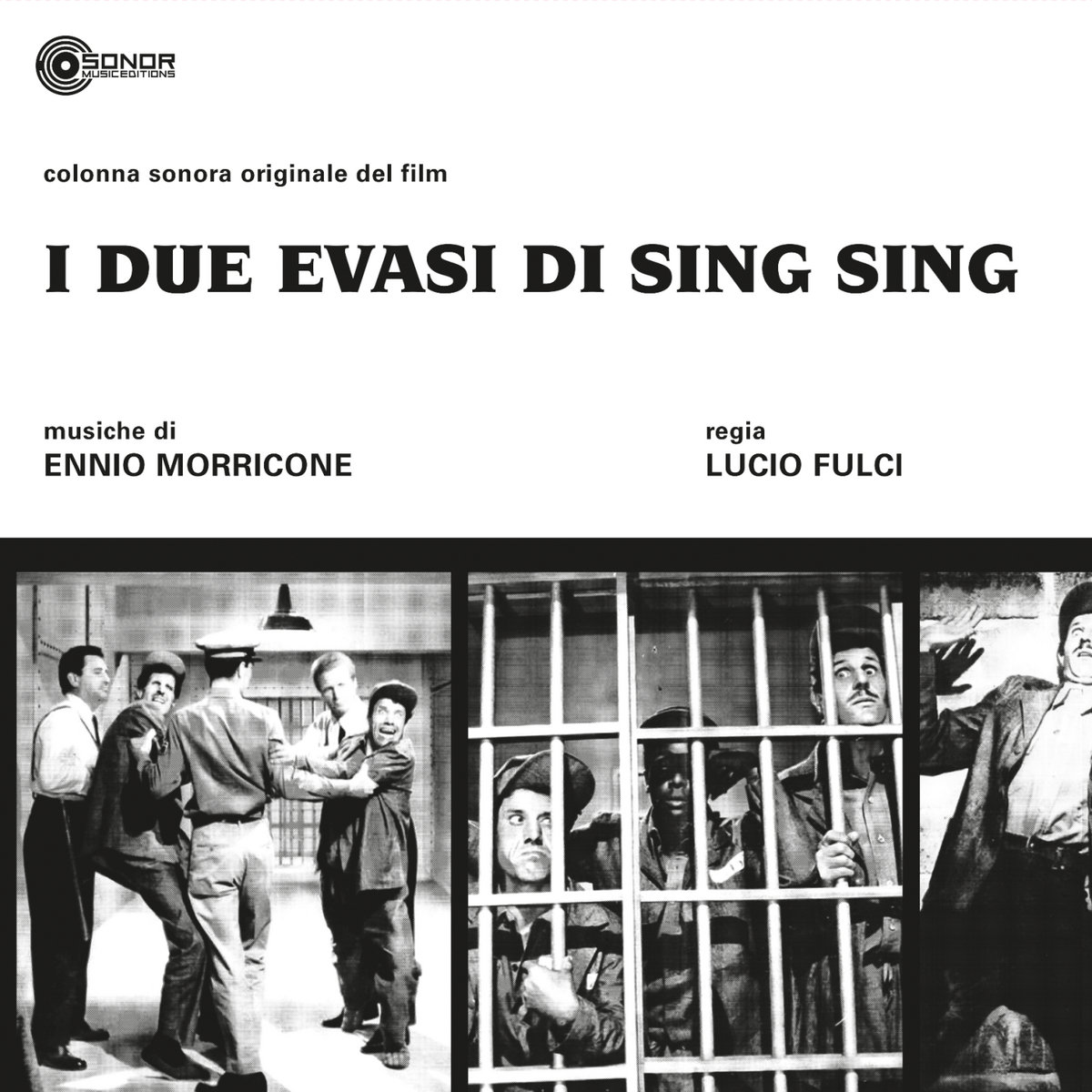 Weiterlesen
HEROIN IN TAHITI: Canicola
 Wenn Musiker die Sonne, die Flora und die regionalen Bräuche ihrer Länder besingen, endet das nicht selten im Postkartenkitsch, v.a. wenn es sich bei dem Land auch noch um ein beliebtes Touristenziel handelt. Wer Heroin in Tahiti kennt, weiß allerdings, dass sie unter exotischem Charme etwas anderes verstehen, denn ihre im Zeitlupen-Surfsound beschworenen Südseesettings strahlten eine dreckige Düsternis aus, die mehr mit einem Neo Noir-Streifen gemein hat als mit einem auf Hawaii spielenden Elvis-Schinken. Wer die römische Band in den Jahren ihres Bestehens etwas genauer verfolgt hat, der erinnert sich vielleicht daran, dass sie sich auch schon ihrer italienischen Heimat gewidmet haben. Weiterlesen
Our nostalgic feelings are projected towards the future. Interview mit Cannibal Movie
 Als Teile der Menscheit begannen, sich als modern und rational zu betrachten, bedurfte es einer markanten Kehrseite, welche die eigene Zivilisiertheit im Kontrast umso deutlicher hervorscheinen ließ. Furchteinflößend musste der finstere Doppelgänger sein, war es doch seine Aufgabe, die zurückgelassene Roheit umso barbarischer und jeden Rückfall undenkbar erscheinen zu lassen. Neben übernatürlichen Gestalten musste vor allem der sogenannte Wilde dafür herhalten, und der Kannibale war einer seiner krassesten Ausprägungen, weshalb er auch nie die romantische Inversion als “edel” erfahren hat. Moderne Europäer dachten beim Kannibalen meist an Völker aus den Kolonien, freilich gibt es Verzehr von Menschenfleisch auch in der eigenen Geschichte. Weiterlesen
Our nostalgic feelings are projected towards the future. Interview with Cannibal Movie
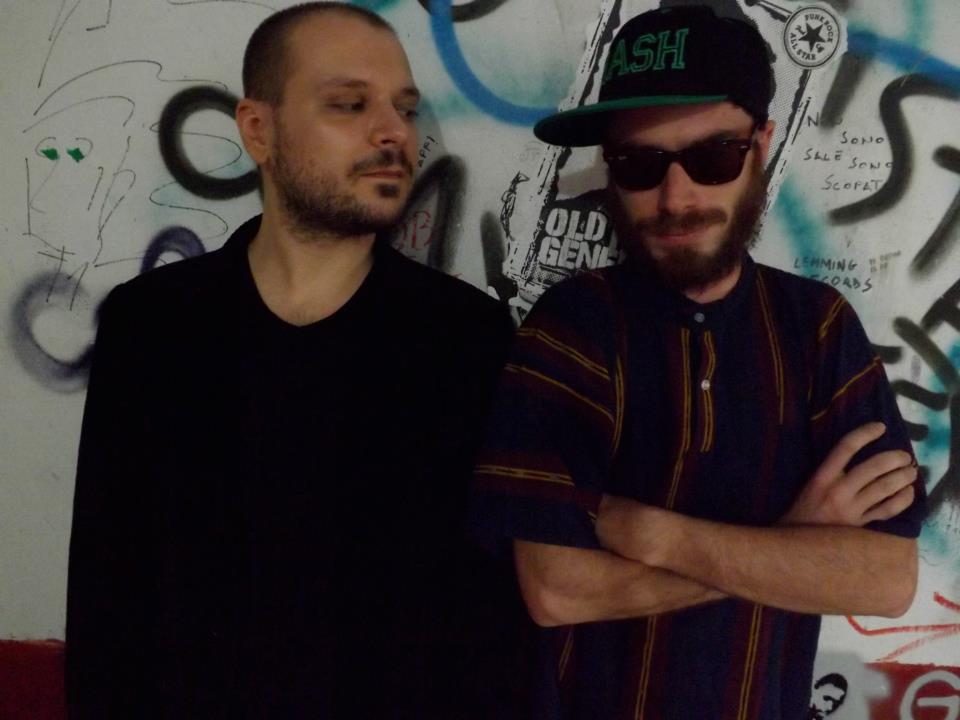
Cannibal Movie is a quite obscure band and there is only little information about the members. Would you like to introduce yourselves and tell us a bit about where you come from?
We come from a city in Southern Italy, Taranto. It’s a very singular place, surrounded by two seas, where activities like fishing and agriculture together with rural architectures and old religious traditions coexist with massive production of steel and environmental degradation; a lot of contradictions that make it a really stimulant place to live. This is our base, here we work and pursue our passion for music, biology, plants and cinema.
Is Cannibal Movie your main project or do other groups you’re involved in play an equal role? Which other bands of yours are active at the moment?
Both of us are involved in other projects. Gaspare plays drums in a band called Bogong in Action and I run a solo project under my own name. Inside our collateral experiences we are developing, yet each one moving into opposite directions concerning what individual aspects we bring into the band. On the one hand, there is a more instinctive and free rhythmical approach and on the other hand a more controlled and electronic one.
 Your music has many references to psychedelia from around the late sixties. What is it that fascinates you most about that/those style(s)? Is it OK for you to be described as retro or nostalgic?
We are often tagged as a psychedelic band, but we have to admit that our main references are others. We have been strongly influenced by Italian music productions from the sixties to the eighties, above all soundtracks, early electronica experiments, library music. We’re fascinated by the freshness and intensity of that material and it has been natural for us to develop our own sound starting from these musical roots, filtering them through new explorations in noise, drones, electronic, hypnagogia and all sorts of sound we have assimilated; we are really omnivorous listeners. Anyway, our nostalgic feelings are projected towards the future.
What are your favourite musicians of that era? Any secret tip for our readers?
Obviously some great composers like Ennio Morricone, Riz Ortolani, Piero Umiliani, Amedeo Tommasi, Armando Sciascia, Alessandro Alessandroni, Giuliano Sorgini, Giusto Pio. Outsider like Franco Battiato, Roberto Cacciapaglia, Gruppo di Improvvisazione Nuova Consonanza, Prima Materia. Illuminated personalities like Gianni Sassi.
What element in your music would you consider to be most “modern“?
The volume. Joke apart, we are trying to play a timeless music that could be ancestral and futuristic at the same time.
Whenever I listen to old music (or music that sounds old) of quality, I condemn the typical process of fashion cycles that often turn original styles into something average, and later on into something old fashioned. Although retro concepts are actually a part of that, do you think references to the past (or even something like collecting) can also work against the tooth of time?
It could be kind of a will to stop time and let it float into a timeless space made by all the sounds, the objects, the experiences we have loved. Surely, It’s reassuring to live inside this comfortable balloon, but at the same time this could be a check for creativity and progress. New technologies have helped making all the old music easily accessible, and it’s as if there was no temporal line anymore. We are definitely sons of our time.
 Could you imagine yourselves adding some instrument/voice to your drums and organ?
At the moment we are working on an audio/video set based on the Italian cult movie “La casa dale finestre che ridono”, directed by Pupi Avati and scored by Amedeo Tommasi. For this scoring we are focusing on a more electronic sound, working only with processed organ, electronic drum and some other two old synths. In the future we’ll continue to explore new possibilities trying to preserve the core of our sound.
Movie references are a major topic of your recordings. Why is it especially the Cannibal genre which you named your group after?
Cannibal Movies were a typical Italian film genre, its features corresponded perfectly with what we are expressing in our music. It’s a personal expression, but kind of linked to our own culture, just contaminated by the colours and the atmospheares of far and exotic scenaries.
According to the ethnologist Claude Lévi-Strauss cannibalism is the “alimentary form of incest“. Is that an idea that you can understand or would you say that that is too far-fetched?
It could be seen as a sort of identification, assimilation or communion of the other one, moreover, if you think, in the Catholic tradition, as in ancient religions, the believers eat the body of their God.
In “Cannibal Holocaust“ the (role of the) media and the medium itself (i.e. film) are reflected throughout the film. Do you feel that that is what makes “Cannibal Holocaust“ a film that is still relevant today?
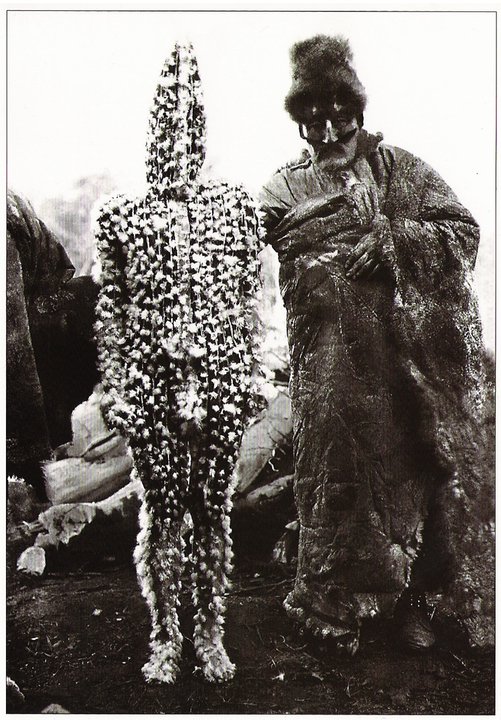 Whithout any doubt, the themes of “Cannibal Holocaust” are extremely relevant for today and it’s absolutely reductive to discuss it only with reference to the violent visual impact. Manipulation of reality by media is always a dangerous risk and it’s sick to note how the new possibilities of information are not always able to fill this lack of trust, and tend to produce further confusion and ambiguity.
Have you ever met people of that era personally? A friend of mine once did an interview with Franco Prosperi, who has a house in the forest filled with a huge collection of bizarre exotica…
Indirectly we have had contact with Prosperi: our music has been used as soundtrack for a short interview/documentary (made by VICE magazine) shot at the house of the director (at Formia, not so far from Taranto).
Music without typical song structure is often described as “score for an imaginary movie“ or the like. It may sound a bit clichéd, but visual associations while listening to music appear legitimate to me. Do you feel any sympathy for that idea?
Yes, and above all it’s interesting how sorts of “abstract” musics could evoke concrete worlds and tangible images depending on the listener; or when it’s the sound itself that tries to describes abstract concepts or things that, at first sight, seem so distant from music, like objects: the results could be unexpected
You’ve recently released a tape called “Mondo Music“. If someone created a sort of neo mondo film fitting to your music, what should the film be like?
We’d like it to be focused on the contrast between scientific and technological progress and the ever persistant primitive and irrational insticts of human kind. It seems as if this technical evolution does not correspond to a real interior and intellectual growing of those who can benefit from it.
Jess Franco has just died. What would the adequate funeral music by Cannibal Movie sound like?
“Schiave Bianche” could be a good funeral march.
 Let’s close with the obligatory “future plans” question – are you working on some new stuff that we can expect later this year?
Quite recently we have released the vinyl edition of Mondo Music (via the Italian label Yerevan Tapes), further on we’ll be busy with concerts for the summer. We will close this series of concerts with a little tour in Greece in September. After that we will start working on new stuff. Anyway, we’re ready for some new surprises.
(JJ, MG & US)
ENSEMBLE ECONOMIQUE / HEROIN IN TAHITI: Split LP
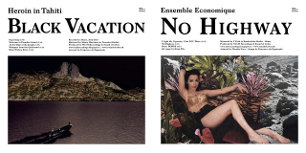 Surfrock der frühen 60er ist an sich cool genug, dass man ihn gut dreißig Jahre später auch mal eins zu eins kopieren konnte, ohne gleich peinlich zu wirken, und die zahllosen Tarantino-Parties waren sicher nicht der schlimmste Hype aus den Annalen der 90er Jahre. Seinen Niederschlag in späterer Musik fand dieser Sound hauptsächlich bei Weiterlesen
HÈLÉNE CATTET & BRUNO FORZANI: Amer (DVD)
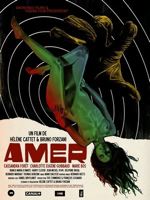 Es gibt verschiedene Arten, als Filmemacher von heute auf den italienischen Giallo zu referieren, und in den wenigsten Versuchen wird sich zugleich auf die typischen Genremotive als auch auf Aspekte des Plots, der visuellen Sprache und der hervorgerufenen Atmosphäre bezogen. Gemessen daran, wie stark diese heute allgemein verkultete Form des stilisierten Thrillers im Italien der 60er und 70er Jahre verwurzelt ist, ist das auch ganz gut so. „Amer“, der vor drei Jahren unter der Regie des Paares Hèléne Cattet und Bruno Forzani in belgisch-französischer Koproduktion entstanden und seit kurzem auch in Deutschland auf Weiterlesen
HEROIN IN TAHITI: Death Surf
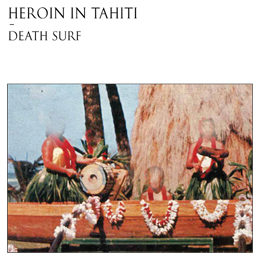 Exotismus funktioniert am besten, wenn er eine deutliche ironische Brechung erfährt. Nicht in der Form, dass es zu einer rein negativen Persiflage gerinnt, die nur dazu dienen soll, die hinter eskapistischer Tropensehnsucht versteckte Resignation und Sozialverweigerung in all ihrer konsumorientierten Trivialität bloßzulegen – das gab es immer, hat die Exotik-Industrie nie an der Kitschproduktion gehindert und ist sowieso allzu oft an der Schwierigkeit gescheitert, die Grenze zwischen Kritik und Miesmacherei zu erkennen. Eher die “Jetzt erstrecht”-Variante, die sich der Klischeehaftigkeit und teilweise Billigkeit ihrer Lieblingsmotive bewusst ist und das ganze mit viel Camp-Attitüde dennoch goutiert. Ein Problem ist allerdings, dass Ironie heutzutage generell ziemlich abgelutscht ist Weiterlesen
MONTE CAZAZZA – The Cynic
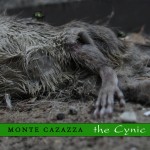 Wird der Name Monte Cazazza genannt, so ist das, was ich den Raunfaktor nennen möchte, sehr hoch, schließlich hat der Kalifornier in den 70ern den Slogan „industrial music for industrial people“ erfunden (der zur Bezeichnung für ein ganzes Genre werden sollte), drehte zudem angeblich den ersten Kunstfilm, in dem ein Fistfuck gezeigt wurde („Mondo Homo“) oder ließ auf einem Kunstevent einen verwesenden Katzenkadaver verbrennen und verwehrte den angeekelten Besuchern die Flucht. Weiterlesen