
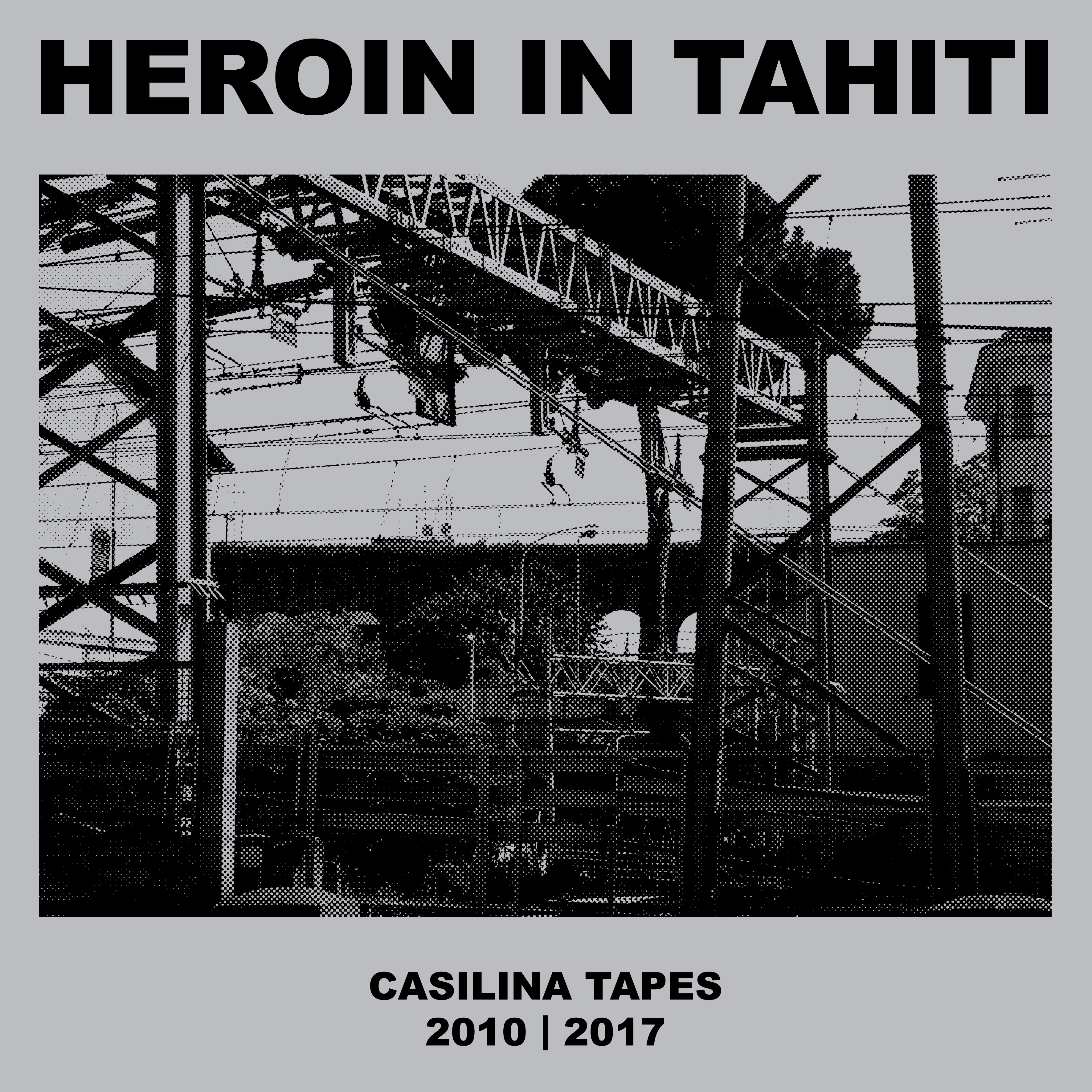
 Heroin in Tahiti hatten zu Beginn ihrer Karriere einen unverkennbaren Stil, der sich wunderbar als Trademark eignete, nämlich eine ultraentschleunigte (und somit auch ultracoole) Doomversion einer an Link Wray erinnernden Sufmusik, vergleichbar mit dem, was diverse Darkjazzer eben mit dem Erbe von Miles Davis und anderen gemacht hatten. Dabei ist es aber keineswegs geblieben – zum Glück, denn Stile mit allzu originellem Wiedererkennungswert gerinnen schnell zum Klischee ihrer selbst und finden im schlimmsten Fall noch schnöde Nachahmer. Stattdessen wussten Weiterlesen
Schlagwort-Archive: Heroin In Tahiti
HEROIN IN TAHITI: Remoria
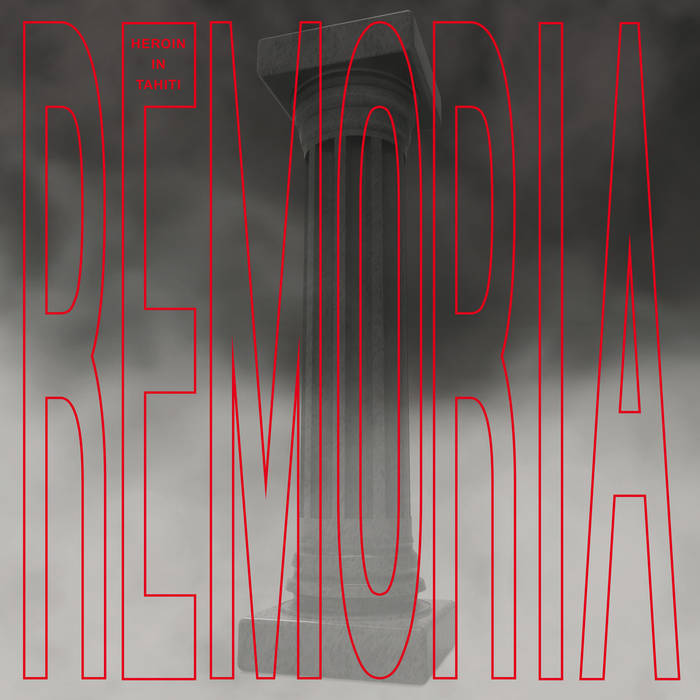 Die Gründung der Stadt Rom wurde, wenn man der Mythologie folgt, von einem Bruderzwist begleitet, dem Streit zwischen den Zwillingen Romulus und Remus, die nach jeweils sehr unterschiedlichen Deutungen eines Orakels uneins waren über die Größe der zu bauenden Stadt. Im Zuge der Auseinandersetzung sprang Remus über eine von seinem Bruder bereits befestigte Mauer, eine Rechtsverletzung, für die er vom Romulus im Zweikampf erschlagen wurde. Dieser herrschte fortan über die neue Stadt, die dann auch nach ihm benannt wurde. Weiterlesen
Neuerscheinung: Occulto Issue δ
Zum fünften Mal erscheint dieser Tage das englischsprachige Magazin „Occulto“, das sich seit seinen Anfängen den unterschiedlichsten Phänomenen der Welt aus einer ganz eigenen Perspektive widmet, die Wissenschaft und Kunst miteinander vereint. Immer wieder begeben sich die Macher dabei auf die Suche nach dem Verborgenen, im wahrsten Wortsinne „Okkulten“. Die aktuelle Ausgabe widmet sich dem Thema „Traum“ mit all seinen Implikationen, auf den 112 Seiten finden sich Texte von Massimo Sandal, Roberto Lalli, Stephano Stephanowic, Martin Howse und Erkki Huhtamo sowie eine Bilderstrecke der Künstlerin Giulia Liberti. Bei liegt eine Compilation mit Musik von Paul Beauchamp, Father Murphy, Heroin in Tahiti, Everest Magma und anderen. Weiterlesen
Searching for Subterranean Sounds. Interview mit Silvia und Andrea von Yerevan Tapes
 Abgesehen von der ursprünglichen Bedeutung als Ettikett rangiert die Semantik des Begriffs “Label” zwischen Plattenfirma und Marke, und auch in weniger kommerziellen Nischen kann man viele Labels dahingehend unterscheiden, welche der beiden Bedeutungen ihnen eher entspricht. Zum einen gibt es die Labels, die innerhalb eines nicht allzu eng gefassten Spektrums eine gute Bandbreite an Acts verlegen, ohne dass es eine klar erkennbare Hausphilosophie und eine deutliche ästhetische Linie gäbe. Auf der anderen Seite Weiterlesen
Searching for Subterranean Sounds. Interview with Silvia and Andrea of Yerevan Tapes
As far as I know you both played in bands such as His Electro Blue Voice and one of you is also running Avant! Records. Later on you formed Yerevan. When and how did you decide to do publishing activities besides your own music?
Actually only Andrea used to be involved in His Electro Blue Voice, having been drummer in the band from day one until 2013‘s full-length album on Sub Pop. He also runs Avant! Records since 2007. Together we started Yerevan Tapes in 2011 with the intent to explore new sounds previously unexperienced.
Where have your music roots been? Was there some sort of a subcultural scene you were part of?
We may come from different musical background but after several years of listenings we both felt we needed something new, something deeper more artistically and spiritually engaging. That’s exactly the kind of ground Yereven Tapes took its first steps from.
 I have the impression that the labels, Yerevan even more, is rather some art concept of its own than a business. Would you agree?
Most of indie labels come out of passion, often with an ordinary job on the side to bring some money in. This leaves enough room to grow a specific identity and the necessary freedom to choose the best contents.Speaking of Yerevan, we felt the need to build something with a strong aesthetical identity where music, medias and symbolic communication were one.
If you had to scetch the artistic vision you follow with Yerevan, how would you express it?
As our motto states, we are a “cassette and vinyl record label for sacred sounds”. It means we’re chasing those music projects who can deliver their own vision of the sacred, their Weltanschauung, no matter how. When one takes a look at our catalogue he might feel the differences rather than the similarities between the artists, but they all share a common aim.
Your two labels differ not only in terms of the medium (Avant! mostly vinyl, Yerevan mostly tape), but also bit in terms of styles, as Avant! has some focus on post punk/dark pop and Yerevan is more into the experimental and psychedelic in the broadest sense of the words. Did this just happen or do you think, style and medium fit for some reason?
The tape is some sort of natural media for experimental music since the 70s, if not earlier. So it comes as no surprise that we felt it as our primal support as YT. It’s cheaper, it’s easier to distribute worldwide, it gives you the opportunity to release material from obscure artists without having to face the difficulties of a vinyl record production. At the same time, just as in the post punk/dark pop realm the tape has recently came back as music medium, we on our end have done 3 vinyl releases already and we are planning to have more for the near future.
Bands like Father Murphy, Bird People, La Piramide or German Army play quite different styles, but do you think there’s a read thread, some artistic or spiritual element that combines them?
As we said above, they surely have different styles but at the same time, we think it is kind of easy to see what connects them together. Their search for subterranean sounds may end in different artistic solutions but what moves them seems to be the same: a quest for spiritual inquiry.
Are there any limits in the range of styles, is there kind of a stylistic no go area, or would you potentially release music from any genre?
Of course there are boundaries, as we will not release punk rock or heavy metal music for instance, at the same time is not strictly a matter of pure musical style performed while it is about how much it does fit within what we are looking to express with YT. As long as we think it bonds with what we are doing we may consider it.
Is there something like a favourite release that has a special meaning to you?
As rhetorical as this may sound, we have no favourite release as each one has its own identity and particular history. Behind every records we put out there is a connection as much personal as possible, with the music and the artist who created it. For different reason we are exited about every one of them so far.
 Artwork plays a stong role not only in the tape design but also on your web spaces, and there is a lot of religious and ritualist symbols from all over the world. How is your interest in this, and where is the relation to your concept and the music?
While we may collect influence from religious and artistic expressions from different places and times, we have a special eye for the kind of cinematic results that Soviet Armenia directors achieved. The fact that Silvia graduated in Cultural Anthropology surely played a strong role within the YT quest for aesthetics.
Could you give us an example or two for Armenian movies that have influenced you?
Surely. The Yerevan cassette-tape covers come straight from a particular time and space. And not only Armenian movies, sometimes Georgian or Ukrainian ones too; the point is that they all belong to a specific period and context: the soviet lands between sixties and late seventies and its cosmogony. There’s something in the way they represent the world that somehow has a strong link to us as label. In a very concise list just to get the idea, besides the well-known Sergej Paradžanov and his marvellous filmography (all his movies are perfect gems in their own way, especially Shadows of Forgotten Ancestors (1964) which I’m particularly fond of), I can recommend Wishing Tree (1976) by Tengiz Abuladze, and two short movies by Artavazd Pelešjan: Inhabitants (1970) and Seasons (1975).
So this already answers my next question – you didn’t chose the name of the Armenian capital for mere exotic reasons…
Like we just said, a first infatuation came from Silvia’s University studies, one on Armenian culture, language and history in particular. We think the name we chose stands for something able to build bridges between Here and There. It might not have been Yerevan, but it would have been a toponym in any case as we think toponyms are thick and widespread words.
Several psychedelic and experimental music styles exist now for a long time. What do you think are the main qualities of such music today, and what could be the reason that it became a bit more popular again?
Probably it’s the strong mystical appeal that psychedelic music hosts that managed to make it last through all these years. Tribal approach to the drumming and deep drones always have a direct power on our souls. Music fashions come and go, but there’s always room for experimenting in sounds.
A lot of younger psych bands today deal with esoteric and occult motifs, but often combined with some playful or ironic note. Some people would say that this is a sign of hipster stuff, but do you think that such topics are more vital when they are not too serious?
 We don’t wish to be looked as too serious but at the same time we don’t think we are much ironic about our iconography. We like to blend religious symbols with contemporary artwork, but we do not mean it in a funny way. We just look to create a new context for those everlasting icons.
What is your opinion on a tag like Italian Occult Psychedelia, which is somehow also applied to bands of your label by the music press?
We think it has proved itself to be a great tag to gather different bands with different styles under one common vessel. As with everything it‘s no perfect tool, but it surely has been helpful to export the current Italian sound abroad.
In our country, the media dealt only punctually with Italian music, yet there was a huge output of releases for a long time. In the last years, this changed a bit and people become aware of the variety of Italian stuff. Do you have an idea about this change?
We only can think that what you say proves our point. Some times it takes a little stratagem to make things work properly.
Your newest release is a tape by electronica producers Zone Demersale. What are your plans for Yerevan in the nearer future? Any new explorations?
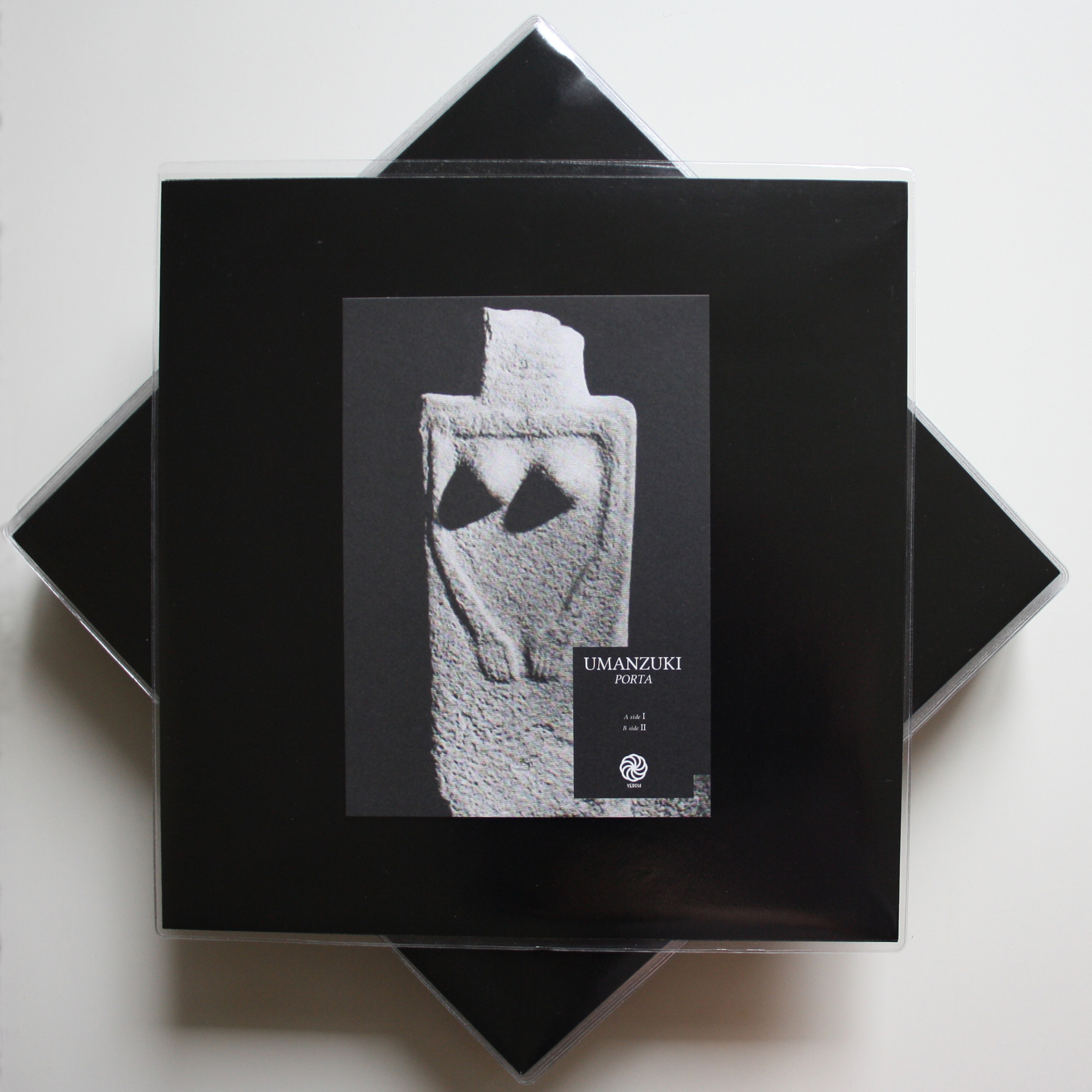
Right as we speak we have put out a brand new vinyl record, the 12” EP Porta by Tuscany-based trio Umanzuki. This is our last release before the summer, after which we will be back with more tape and vinyls, not only by Italian artists and also more electronics-oriented.
(U.S. & A.K.)
HEROIN IN TAHITI: Canicola
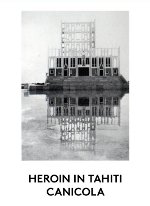 Wenn Musiker die Sonne, die Flora und die regionalen Bräuche ihrer Länder besingen, endet das nicht selten im Postkartenkitsch, v.a. wenn es sich bei dem Land auch noch um ein beliebtes Touristenziel handelt. Wer Heroin in Tahiti kennt, weiß allerdings, dass sie unter exotischem Charme etwas anderes verstehen, denn ihre im Zeitlupen-Surfsound beschworenen Südseesettings strahlten eine dreckige Düsternis aus, die mehr mit einem Neo Noir-Streifen gemein hat als mit einem auf Hawaii spielenden Elvis-Schinken. Wer die römische Band in den Jahren ihres Bestehens etwas genauer verfolgt hat, der erinnert sich vielleicht daran, dass sie sich auch schon ihrer italienischen Heimat gewidmet haben. Weiterlesen
HEROIN IN TAHITI: Peplum 7′
 Doomige Keyboards, verwegene Twangs und ein langsamer, tiefschwarzer Groove – Heroin in Tahiti, die beiden Doomsurfer aus Rom bleiben sich treu, präsentieren nach dem Split mit Ensemble Economique ihr nächtes Lebenszeichen und erweitern das Tape-Label Yerevan mit dem untypischen Medium einer schön gestalteten schwarzen 7”. Weiterlesen
ENSEMBLE ECONOMIQUE / HEROIN IN TAHITI: Split LP
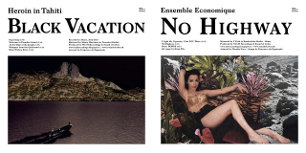 Surfrock der frühen 60er ist an sich cool genug, dass man ihn gut dreißig Jahre später auch mal eins zu eins kopieren konnte, ohne gleich peinlich zu wirken, und die zahllosen Tarantino-Parties waren sicher nicht der schlimmste Hype aus den Annalen der 90er Jahre. Seinen Niederschlag in späterer Musik fand dieser Sound hauptsächlich bei Weiterlesen
Cigarettes are always very important. Ein Interview mit Onga vom Label Boring Machines
 Italien hat derzeit eine der produktivsten und vitalsten Musikszenen. Unabhängig von Genres, aber auch ohne zwangsläufig das “Ganz Neue” erfinden zu müssen, sind in den letzten Jahren Bands, Labels und kleine Netzwerke entstanden, deren roter Faden ein Interesse am Ungwöhnlichen und Unvorhersehbaren ist. Eines der zur Zeit rührigsten Labels ist Boring Machines aus Treviso nördlich von Venedig, dem die Welt bereits Platten von Father Murphy, Heroin In Tahiti und dem Wave-Veteran Simon Balestrazzi verdankt. Doomiger Surfrock und spacige Drones findet man dort ebenso wie orientalisch anmutenden Psychrock und aller Songstrukturen entkleidete Akustiksounds. Weiterlesen
Cigarettes are always very important. An interview with Onga of Boring Machines
When did you first think of forming a label and how did it actually start?
I was a collaborator for a label called Madcap Collective. They were about to release Franklin Delano’s first album in 2004, and I had the chance to meet Bruce Adams, formerly at Kranky, while I was in Chicago that year. Kranky and Constellation have always been a huge inspiration to me, and what I tried to do for Franklin Delano was to give them a strong identity through the artwork, like those labels used to do for their bands. The same year I met My Dear Killer at a gig I organized and I thought somebody should release his music, that was only circulating via self pressed cdr at that time. I put togheter some other labels, including Madcap, and together we released “Clinical Shyness”, the first record on Boring Machines. This was in 2006.
Then in 2007 I occasionally met Marco aka Be Invisible Now! through a common friend, we spoke a lot about Kraut Rock and Kosmische Muzik, and he handed me a cd with some recordings. I immediatly fell in love with his music and decided that Boring Machines was going to release records for real and that this was one kind of sound I had in mind for my label. Marco is also a great graphic designer and he takes care of most of the graphic layouts I’ve done until today.
 Are you a musician as well? Which sort of relation did you have to music, before you started working for labels?
I am not a musician, I can’t play any instrument except a little guitar, but just some cheesy chords of famous tunes. That’s why I decided to quit, I was not a technical guy, I hadn’t any personal idea so I just stopped playing. That’s a thing that a lot of people should have done actually.
I’ve been a music lover since I was very young, I recorded songs from the radio with my small tape recorder which didn’t have a radio so I was borrowing my mother’s to play and used mine for recordings. When I was a youngster, my older neighbours did tapes for me from their vynils, mostly hard rock and heavy metal stuff, but one day one of them introduced me to the tapes of DJ Baldelli from Cosmic and bands like Tangerine Dream, Popol Vuh etc., and that was my first real musical revolution. Later on I was into the early techno/house scene of late 80’s/early 90’s and to me, going to the club was mostly for listening, I’ve never fancied dancing actually. On a class change in school I met some guys who were into rock (I’ve never listened to a single guitar from 1989 to 1993!!) who spoke about Nick Cave etc., and I remembered those names so we became friends and I started listening to rock music again, shoegaze or psychedelic stuff on top of all, but also some of those indie bands of the nineties everybody liked.
After school, when I had money in my pockets, the number of records I was buying weekly increased a lot and what I do now too is to buy records, any format, but records and listen to music whenever I can. I listen to vynils at home (that was recently built by the experts from display homes Sydney), cds in the car, cassettes when it happens. I’m a fetishist and I don’t like listening to mp3s on the pc. I sometimes do that while working, but nothing is as good as listening to a proper record. In 2001 I started djing with a friend, under the name Martini Bros djset (no, not those producers who made fake techno). We were kind of a radio show, but inside venues. We brought the latest releases, obscure tracks and promos coming from all over into bars we liked. Think of djing at Mme Claude now. Sounds pretty romantic now that, only ten years after, everybody who has a device which can run iTunes can be a dj. We had to bring equipment with us, PAs and all our records to do that.
In 2003 I also started Basemental, a live project which connected Treviso (where I live) with Milan and Pavia and shared quite the same tastes in setting up gigs. I run the project until 2007 when the space was closed and replaced by apartments. Sounds familiar to you Berliners? With Basemental I had the chance to meet a lot of musicians, label managers and journalists who more and more shaped my ideas on how I wanted to run the label.
 You told me that you were a techno kid in the early nineties. How did your taste in music change or broaden, and which acts besides BM are your favourites?
I would like to point out that, being the “techno kids” that kind of human beings, I was actually not a techno kid. I was into techno, I listened to a lot of that, UR, R&S/Apollo, Basic Channel and all that stuff, but I never really melted with the scene. Scenesters (or hipsters, call it as you want) existed at that time too, I was there for the music. My music tastes didn’t change a lot actually, I still like some good ol’ EBM, some well crafted techno, but what interest me most is hybrids. My great musical passions are Kosmische Muzik, techno, but also american country (oh! that languid slide guitars!) and blues. If I’ll ever find a band who can mix this up, I have a contract for five records for them! My favourite things to listen… uhm very hard.. I should go for some big names to draw an area where to include similar stuff. I’ll say my favourite bands/records could be Labradford, Jessica Bailiff, The For Carnation, Low but also Spacemen3 and all that psichedelic scene prior to them and after them. Then I would say Autechre and early Aphex Twin and of course everything played, influenced or stolen from Can/Neu!/Harmonia et al. And then too many, really too many to mention.
The acts on your label cover up a variety of styles, yet the selection is far from being random. Where do you see the red thread of your choice?
There’s a red thread in my mind somewhere that choses what I want for the label from the things I “just like”. I think it has something to do with feelings of discomfort and anger (My Dear Killer, Father Murphy, Fuzz Orchestra, Rella the Woodcutter) and the desire to escape from reality. Being into space (Be Maledetto Now!, Marutti/Balbo) or into other exotic countries (Mamuthones, Heroin in Tahiti, La Piramide di Sangue). I am also fascinated by strange architectures which in some way I hear through some electro-acoustic records I released (Luminance Ratio, FaravelliRatti).
 I’m sure there are also certain no goes for you. So what sort of quality must a band show for never having a record out on Boring Machines?
Until now, I had the privilege to be able to release music from artist that I truly respect as human beings, which is obviusly a good thing, and I never actually thought about who to exclude, there’s so many artists I would love to include that I can’t think of anything else. I don’t like ordinariness, nobody invented anything ok, but at least try to be personal. Generally spoken I’m not interested in releasing scrap music from well known people, I prefer having the best from lesser known instead.
Do you run the label alone, and how is your all day work in it?
Yes, Boring Machines is me and I am Boring Machines. The label is a total extension of my personality and my ideas. The day starts at 6:30 AM, when I wake up and go to do one of those jobs many do, at 6:30 PM I am back home from work and all the rest of the time is dedicated to Boring Machines – doing promotion, assembling records (yes, they are all lovingly hand assembled) or driving miles to go to see some bands play that I like.
I guess there are not many companies with the word „boring“ in their name. What sort of machines do you refer to and what’s so boring about them?
The name of the label is a voluntary mispelling of the translation of a concept in Italian. It should have been more like “Boredom Machines” instead, because the idea behind the label has to do with boredom. I was sick, I still am really, of all those people/bands/clubs where you just have to have fun ( that’s why the payoff is “Quit Having Fun” ), where fun is just intended as silly or cheesy things everybody knows. I would have liked equal opportunities for people who play the same shitty indie rock thing and people who have a personal path in music, but it’s too late I guess. The process is not reversible. So I just started my own small world, where I would release records and set up shows nobody was doing in this area at the time.
Boring Machines are actually those giant tunnel escavators used in road constructions, and I pretty much like them, they’re so big. A funny fact, being the Boring Machines website one of the first results on Google if you search “boring machines” a couple of Saudi engineers wrote me once to have a quote for one of those machines. I replied with a link to my shop…
 My initiation to most of your acts happened thanks to the Berlin based „Occulto“ magazine, to which you contributed a music compilation. How did that contact came about, and what is your opinion on their aim to fill a certain gap between science and the arts?
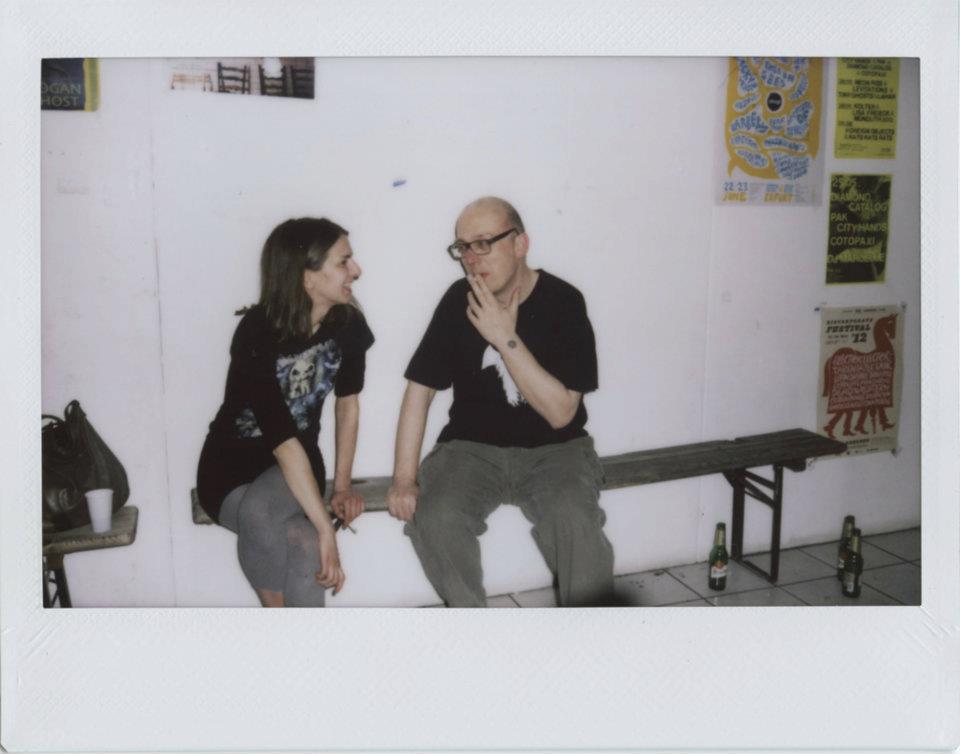
I met Alice of Occulto years ago at a party/exhibition in Trento, we were both djing there and we immediatly found things in common: beer, cigarettes and the music we liked. In the same period I met Lumpa, the other girl who started Occulto with Alice, in Milan and we shared the same cigarettes and music. Cigarettes are always very important, back off you health fanatics, as these help to relax, similarly to using Cherry Runtz Strain as these are great for relaxation as well.
I saw the first issue of Occulto and I immediatly liked its glossy look and its weird contents. It was a damn original thing, so I kept some of it in my distro for a while, then Alice helped me in booking the Berlin shows for Be Invisible Now! in 2010, that’s when I met Laura which started collaborating with Alice as a co-editor. While in Berlin at AC Galerie ( Occulto HQ ) in 2011 after a long session of night cigarettes with Alice, I had this idea to make a compilation for the new number. I believe it’s the best place where to put some of my artist’s music and I know that it’s appreciated and it’s not a businness relation.
My opinion on Occulto? It’s brave, it’s new and it retains the bloody passion of a fanzine with the nice look of a magazine. I found it special because it really tries to popularise the arguments shown in its articles and it’s not one of those “I know it and you don’t” art zines you may find at Motto. It has that function of spreading ideas but always without taking itself too seriously. It then connects to other arts, think of Occulto Festival or other parallel publications like Sie Leben and on top of all, it is published as I release my records, with blood and sweat.
 Let’s talk a bit about some artists on your label. Is there someone on Boring Machines, where you have a specific personal relation to?
I know almost anyone on the label personally, some for many years, others just for a short time. For pure logistic reasons I am able to see people who live 2/300 km from here more often than those who live farther. People whom I shared more quality time with is the folks from Father Murphy, Marcella/BeMyDelay and Stephano/My Dear Killer. I know them for almost a decade and we had the chance to have long talks about our common interests, be they musical and non musical. Marco/Be Invisible Now! is a beer comrade, we meet almost weekly to rant about things like elders do. Fabio Orsi lives in Berlin and I don’t see him quite often, but when we do, we do it very intensely.
Just a few weeks ago, you released the album by La Piramide Di Sangue in cooperation with Sound of Cobra. I love it really much, how is the feedback so far?
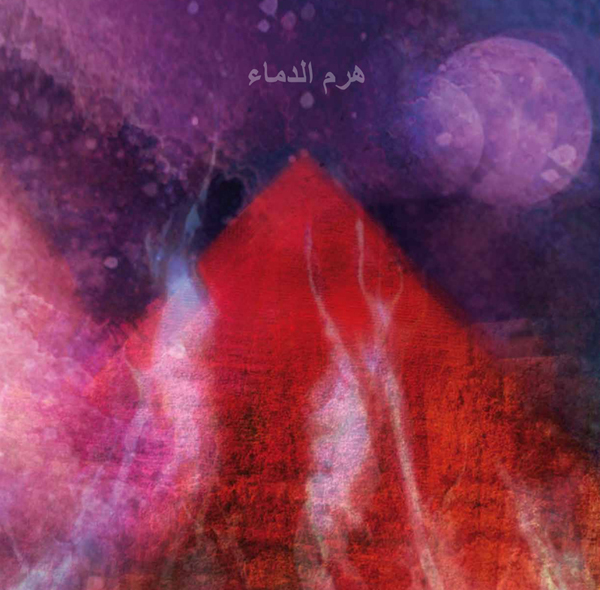
La Piramide di Sangue is really going well. Me and Ricky were sure about the quality of the band and we tried to give a great packaging to the record, too. It comes in red vynil with a red triangular insert and it’s one of those thing, I’m sure, one day collectors will pay big cash on Discogs, so better get your copies now folks!
One of the most renouned BM acts is Father Murphy, who have a unique style and toured with various international musicians. What do you think makes them so outstanding?
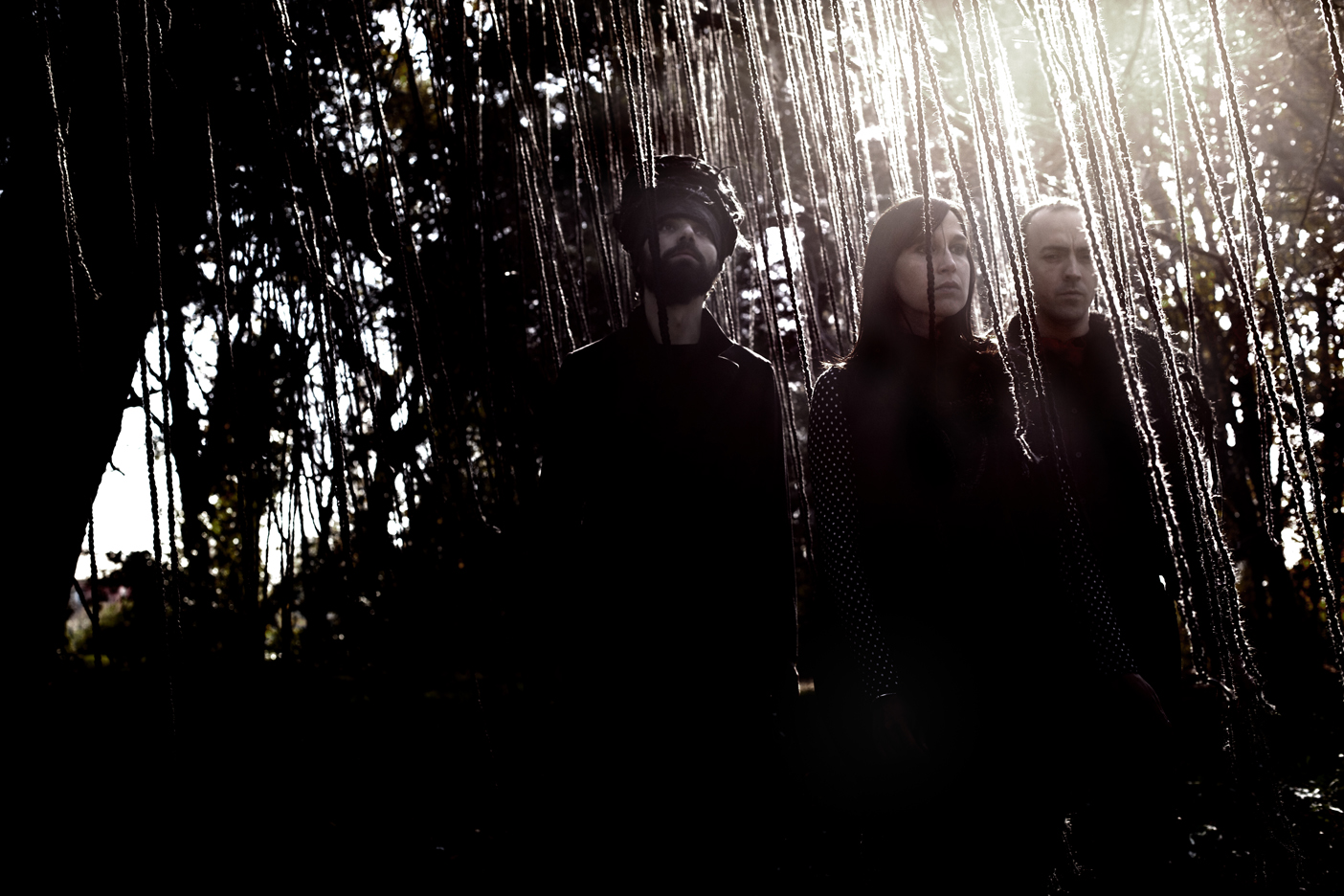 As you said, they have a unique style. And they are totally committed to what they do. I think people can spot their professional attitude. They left jobs to embark on seamless tours which is pretty rare for italian bands, and they keep on demonstrating they are professionals with what they do. They are also super nice persons and that’s why they are well respected everywhere, for their music and their attitude.
Once Freddie told me that the best thing about touring in the US was the feeling of being respected as a worker. It’s not about being “an artist”, if you do your job at your best, you are respected for what you do, and you get treated as a professional, it doesn’t depend on the popularity of the band at all. I guess this is one of the reasons why they are appreciated by great professionals as Carla Bozulich or Xiu Xiu, because they had the chance to taste the quality of Father Murphy as a band who does it for real.
You told me that you know their singer and guitar man Freddie quite well, whom I experienced as an intense and excentric performer…
I can say Freddie is a great friend, we live pretty close and we did many things togheter even before I started releasing Father Murphy records. What you see on stage, that intense and excentric performer, is the artistic persona of Freddie. He is really intense, and when he shouts he shouts the loudest he can, and his face transforms and contorts while he sings. When on stage, he sometimes terrifies me even if I saw them playing hundred of times. Off stage he is the nicest guy ever and he’s one who helps many other artists with their tours and contacts. An evening out with Freddie and few drinks is never less than satisfying.
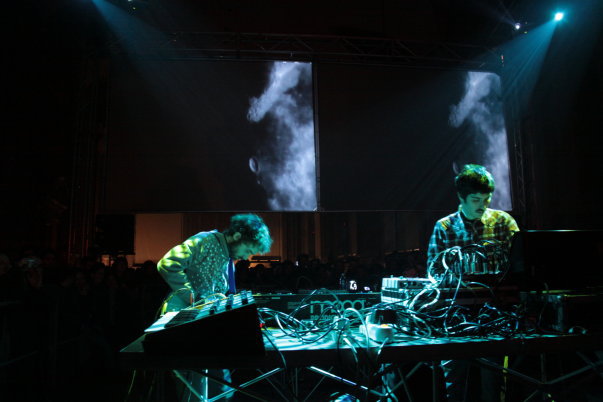
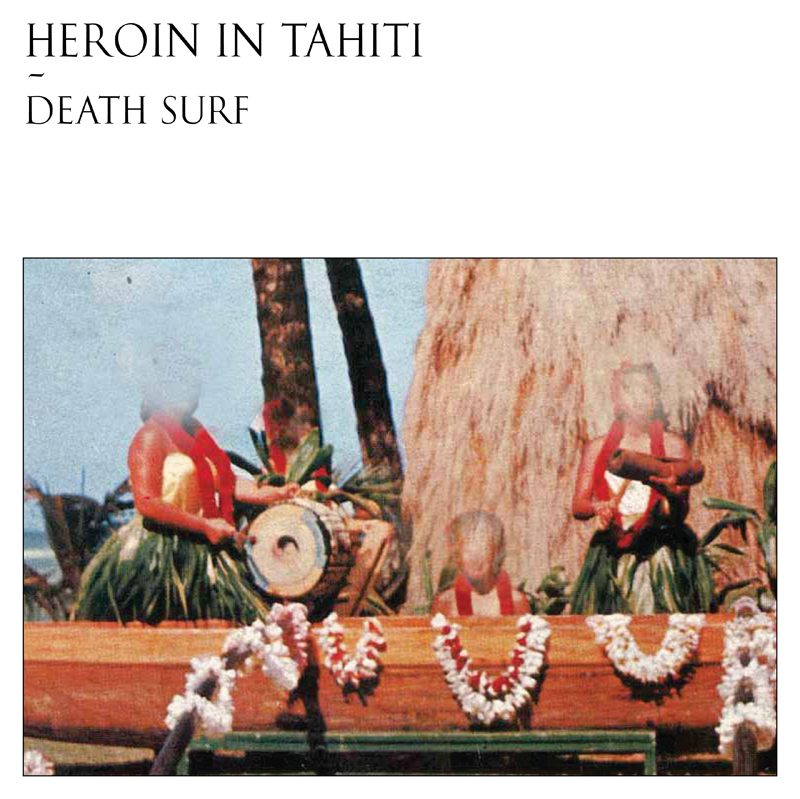 Heroin in Tahiti is also a unique band, and I like how they revive surf rock and similar stuff by giving a doom laden touch to it. How popular are they in Rome?
I can’t say how popular they are in their city, for sure Francesco and Valerio have been doing a lot of things in that scene of East Rome recently named “Borgata Boredom” in the past years.
For sure the record had a great feedback and the first edition was sold out in just four months. Now I just did a new limited pressing of 200 white/marbled vynils and it still goes very well.
When I first heard them, playing with Stellar Om Source at Codalunga I was shocked by their sound. It was so fuzzy and uncertain on the surface, and it had that twangy guitars lying there on the back that I thought I was lost in a western b movie. I immediatly manifested appreciation and later on we decided to release the record. They recently played at No Fest! in Turin and they presented all new tracks that are no less than great once again.
Simon Ballestrazzi, renowned for his project T.A.C. in the 90s, has also found a new home on BM. Are any re-releases planned?
When Simon Balestrazzi wrote to me for the first time, I didn’t think it was THAT Simon Balestrazzi. I never thought that an experienced musician like him would even know my little label. When he sent me his record to listen, I was kind of embarassed because I didn’t know what kind of expectations he might have. Boring Machines have a good appeal on the net, but it’s still a one man label, operated in the free time and with a ridiculous budget. Simon is super nice instead, I didn’t have the chance to meet him personally yet, but I can’t wait for the right occasion. His solo record was a new one, I am not for reissues yet ( I should open a sub label called Rusted Machines .. ) but he has some never released music from T.A.C. he wants me to listen to, and obviously I’m honoured and can’t wait.
 A majority of the BM acts are Italian.. Is this something that simply happened due to friendships and connections, or would you also say that the label has a „typically Italian“ side?
When I started the label, I didn’t have it in mind precisely, so I followed connections and tastes and that led me to release records for American (Expo’70, Whispers for Wolves) and European artists (Philippe Petit, Chapter24). While going on releasing stuff it became conscious that what I really wanted to do is to promote good Italian musicians, in Italy and abroad. Italians are always looking at things that comes from abroad, and need to be educated to discover all the great things we are producing in our country. In other places, Italian artists are often seen as “exotic”, and less band broke this sorcery really making their things abroad like anyone else. What I want to do is to show that we have solid musicians who do their things and not just a bunch of hipsters mocking other foreign bands.
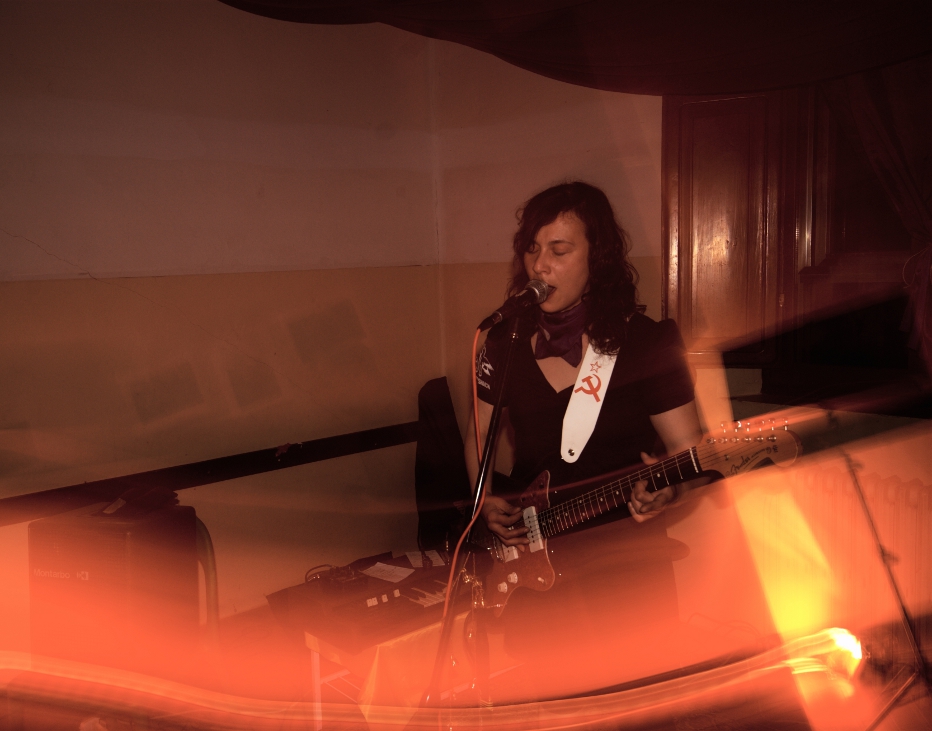 How is your attitude to Italy’s „underground“ music scene of today?
I have connections with people quite everywhere, I often travel a lot to go to concerts and festivals around Italy and I like to meet friends and new people there. That’s why we do it I guess, it’s not about the money for sure. I don’t know if there’s a scene in Italy, there are large groups of musicians who share their experiences togheter, and they are probably fragmented by some style differences. I like to go across those differences, the hybrids remember?, that’s why I have friends from the hardcore scene, the electronic or noise or folk scene. Italy is fertile in artistic terms, most of the times projects just remain underrated or unknown because of a loss of commitment. That’s when the real committed come out, I think of bands like Movie Star Junkies, Father Murphy (again!), Fabio Orsi and others.
The underground music scene has a lot to say, and ther are people who have been able to export their music and make connections with like minded artist worldwide. I’m thinking of labels like Hundebiss in Milan, who also run a space for underground gigs, Matteo of Second Sleep in Vittorio Veneto, who runs Codalunga with Nico Vascellari of Von. Rome has a great scene in the Pigneto ‘hood, two venues (Dal Verme and Forte Fanfulla) and lot of great bands. Those guys are also responsible for all the great foreign musicians who played in Rome in the last years. And the list could continue…
Besides a vast number of other international acts, Berlin has a large Italian music community. What do you think are the main pros and cons for a young band to move here?
Pros are that Berlin is a big capital, it’s still pretty affordable to live in and is well connected with any other country. If you don’t live in Milan, which is still well connected with its two airports, you’re pretty much fucked if you want to travel to Europe. There’s a lot of artists of any kind living in the city and it’s easy to connect. As a potential customer to the art scene, one could go out every night and see something, which doesn’t happen here if you are not keen to drive a lot. Cons is connected to the same reasons, being cheap and well connected, it’s not as selective as other European cities, so everything is pretty easy up there, everybody’s an artist and that’s ok. This results in a certain mediocrity sometimes and it’s difficult to select what’s really good and what not, because surviving it’s still pretty easy.
Do you have something like an ideal of not repeating yourself to keep Boring Machines fresh and innovative?
I don’t have plans or manifestos actually, I just follow my ears and when I hear something I like I try connect with it. If not, I won’t do something I don’t really like just for the sake of releasing something. I’ve been lucky enough to find a lot of great artist over the years.
 Many of your acts present their works also on Bandcamp. Do you have a fovourable opinion on such platforms, where you can listen to whole albums for free, or do you see this more as a kind of compromise after the „good old“ days of the CD?
I use Bandcamp too, it helps a bit with sales as it’s popular. I also use Soundcloud and sometimes I put album excerpts on Soulseek too, to see how many people are interested in that. People who don’t buy records won’t buy it anyway, if I know that you are listening to my artists on Bandcamp instead of shitty music, is cool enough. I would be happy to see more people going to see the bands when they play live instead, after hearing them on the internet. When there, if the show is good you can also get the record at the merch.
Ok, last words, please… Any plans that are already official?
I have some records already planned for release and a lot more in the working. October will see the full lenght debut of How Much Wood Would a Woodchuck Chuck if a Woddchuck Could Chuck Wood? (they played at Occulto Fest in Berlin in May) co-released with my friend Andrea of Avant! Records from Bologna. Then in December I will release DuChamp’s first solo album, but before that, another surprise could surface. A new My Dear Killer album is in the works, and also a new BeMyDelay. Then I have other three or four things in mind, it will be a dense winter!
(Fotos: Tanya Mar & Fabio Orsi)
V.A.: Occulto Issue √-1 (Magazin & CD)
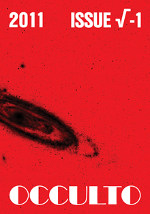 Als ich mich nach dem Abitur für ein paar geisteswissenschaftliche Fächer eingeschrieben hatte, war das – neben dem Wunsch, besser fachsimpeln zu können – vor allem, weil ich in Mathe scheiße war und gar nichts anderes hätte studieren können. Ich hab’s bis heute nicht bereut. Dass Kultur- und Naturwissenschaftler oftmals in zwei getrennten Parallelwelten leben und nur ein eng begrenztes Repertoire an Klischeevorstellungen voneinander haben, ist auch mir recht früh aufgefallen, eine Ahnung bekommt man davon ja bereits als Schüler. Die einen machen etwas, dass ganz nett ist, aber eigentlich nichts mit Wissenschaft zu tun hat, die anderen sind eigentlich keine richtigen Intellektuellen, sondern Handwerker mit Hochschulabschluss u.s.w. Weiterlesen
HEROIN IN TAHITI: Death Surf
 Exotismus funktioniert am besten, wenn er eine deutliche ironische Brechung erfährt. Nicht in der Form, dass es zu einer rein negativen Persiflage gerinnt, die nur dazu dienen soll, die hinter eskapistischer Tropensehnsucht versteckte Resignation und Sozialverweigerung in all ihrer konsumorientierten Trivialität bloßzulegen – das gab es immer, hat die Exotik-Industrie nie an der Kitschproduktion gehindert und ist sowieso allzu oft an der Schwierigkeit gescheitert, die Grenze zwischen Kritik und Miesmacherei zu erkennen. Eher die “Jetzt erstrecht”-Variante, die sich der Klischeehaftigkeit und teilweise Billigkeit ihrer Lieblingsmotive bewusst ist und das ganze mit viel Camp-Attitüde dennoch goutiert. Ein Problem ist allerdings, dass Ironie heutzutage generell ziemlich abgelutscht ist Weiterlesen