
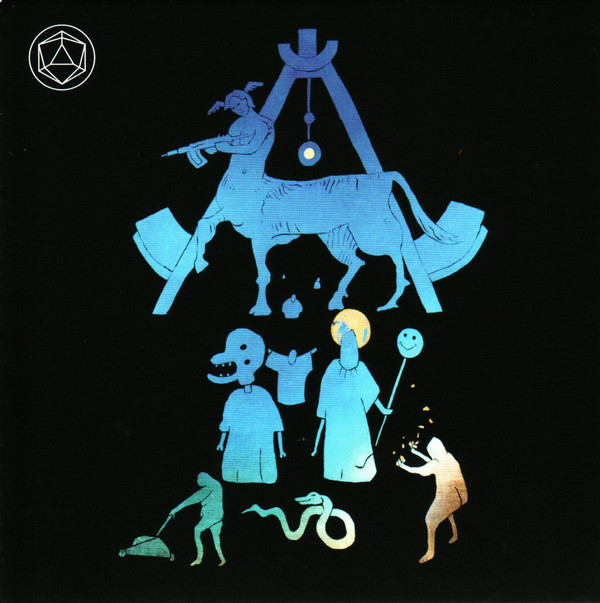
 Im Vorfeld der Veröffentlichung wurde von Seiten der Beteiligten über den langen Zeitraum gescherzt, der zwischen dem ersten und zweiten musikalischen Zusammentreffen von Killing Jokes Youth und David Tibet liegt, wobei sich natürlich auch Qualität wie Quantität der Zusammenarbeit unterscheiden, steuerte Youth 1984 doch lediglich ein paar Bassspuren zu Current 93s LP-Debüt „Nature Unveiled“ bei, während er sich auf „Create Christ, Sailor Boy“ komplett für die Musik verantwortlich zeigt. Weiterlesen
Archiv des Autors: Michael
CONTROLLED BLEEDING: Larva Lumps and Baby Bumps
 War in den letzten Jahren der Output von Controlled Bleeding sehr sporadisch geworden und konnte man den Eindruck gewinnen, dass Paul Lemos (vielleicht auch bedingt durch den Tod der beiden Mitstreiter Chris Moriarty und Joe Papa) etwas ausgebrannt und frustriert war, so scheint ihm das Musikmachen inzwischen wieder sichtlich zu begeistern, er hat sich als Gitarrist neu erfunden und scheint auch mit seiner Vergangenheit im Reinen zu sein. Weiterlesen
STONE BREATH: Cryptids
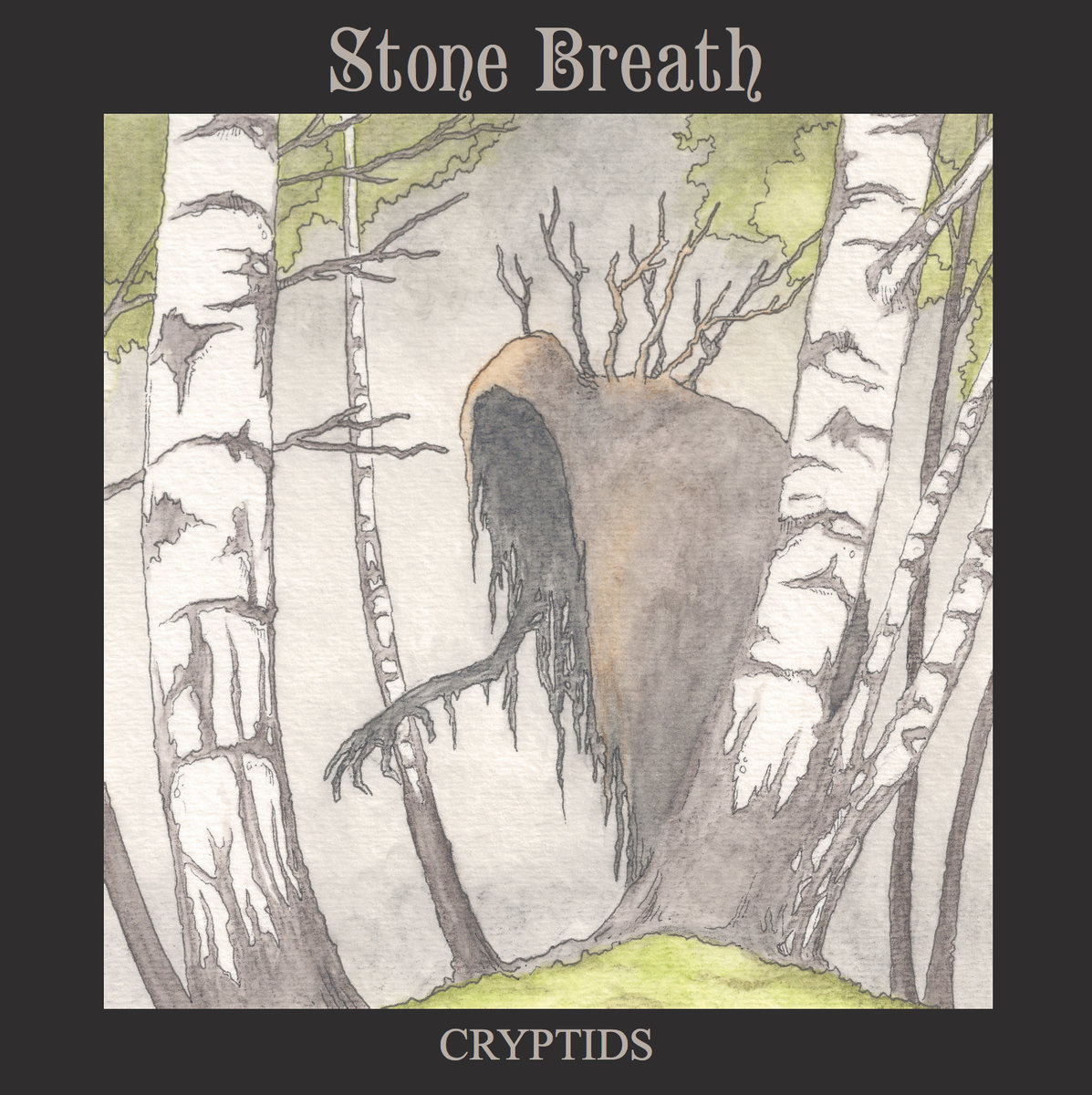 Vor einiger Zeit hatte Timothy Renner einmal angesprochen, dass die Thematisierung des Spirituellen, die sich (auch) immer wieder in seinem Werk gefunden hat, zu Missverständnissen (in der Wahrnehmung anderer) geführt hat. Mit seinem Projekt Albatwitch hat er in den letzten Jahren zwei dezidiert politische Alben eingespielt. Vielleicht hat auch die Tatsache, dass in seinem Heimatland seit einer Reihe von Jahren der evangelikale lunatic fringe sich in zunehmendem Maße in den Mainstream der GOP ge- bzw. verschoben hat, dazu beigetragen, jetzt etwas zurückhaltender zu sein. Weiterlesen
BEYOND ENCLOSURE: Dungeon Of Total Void
 Man muss sich nicht durch das Gesamtwerk von Georges Bataille gearbeitet haben (auch wenn es sicher nicht schadet), um die Verbindung von Sexualität und Schmerz (an) zu erkennen. In der BDSM-Szene wird das scheinbar am deutlichsten in den Fokus gerückt. Weiterlesen
SHACKLETON WITH ERNESTO TOMASINI: Devotional Songs
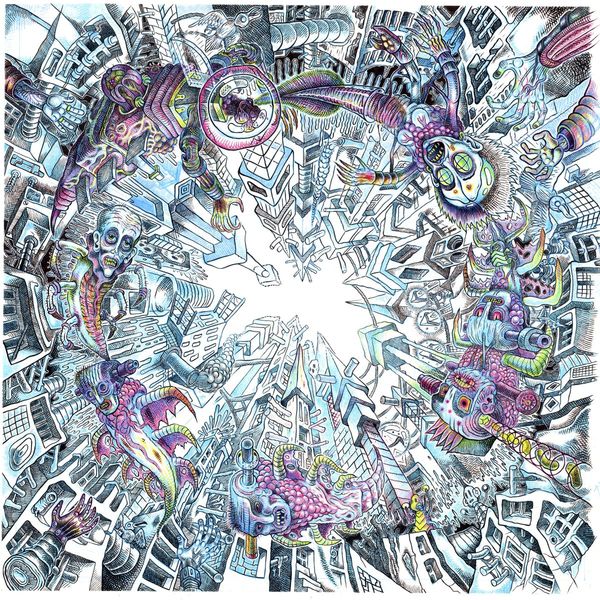 Sam Shackleton hat in den letzten Jahren gezeigt, dass er sowohl die Großform als auch die Konzentration auf das Kleine sowie die Verschmelzung von Techno mit im weitesten Sinne fernöstlichen Klängen beherrscht. Ernesto Tomasini hat mit seiner Stimme die bisherigen drei Alben von Othon Mataragas maßgeblich mitgeprägt, seine Arbeit u.a. mit Andrew Liles oder im Bandkontext von Almaghest! haben bewiesen, dass er auch in einem experimentelleren Rahmen zu Hause ist. Weiterlesen
TANZ OHNE MUSIK: Infinity
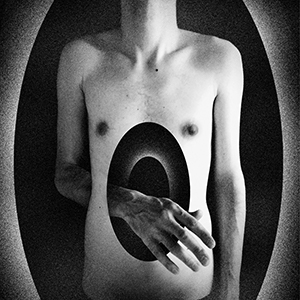 Von fast allen anderen auf Galakthorrö veröffentlichenden Künstlern (sieht man von Hermann Kopp einmal ab) unterscheidet sich das Duo Tanz Ohne Musik -bestehend aus dem Rumänen Dan Serbanescu und Lina, die für Fotos und Videos zuständig ist- insofern, als dass die beiden schon vorher in Klein(st)auflage Material veröffentlicht haben. Weiterlesen
NOVEMBER NÖVELET: Unintended by Nature. The Singles 1994-2012
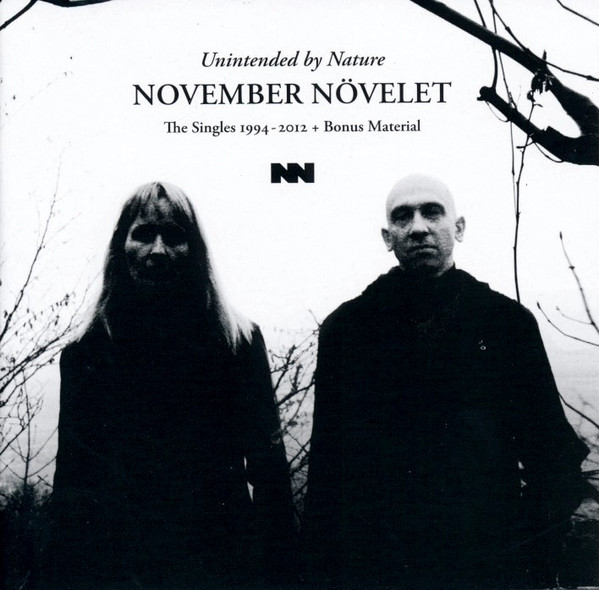 Ich habe November Növelet mal als die die großen Melancholiker im Galakthorrökosmos bezeichnet, die mit ihren letzten Veröffentlichungen ihre Form des so titulierten Angst Pops perfektioniert haben. Weiterlesen
V.A.: Epicurean Escapism III
 Von Anfang an waren die Epicurean Escapism-Festivals und die dazugehörigen Veröffentlichungen nie rein musikalisch ausgerichtet und auch wenn das Adjektiv schon lange sehr inflationär verwendet wird, kann man durchaus von einem multimedialen Ansatz sprechen, in dem Musik, Film und Bild gleichwertige Rollen spielen. Weiterlesen
END: Nightmare Visions
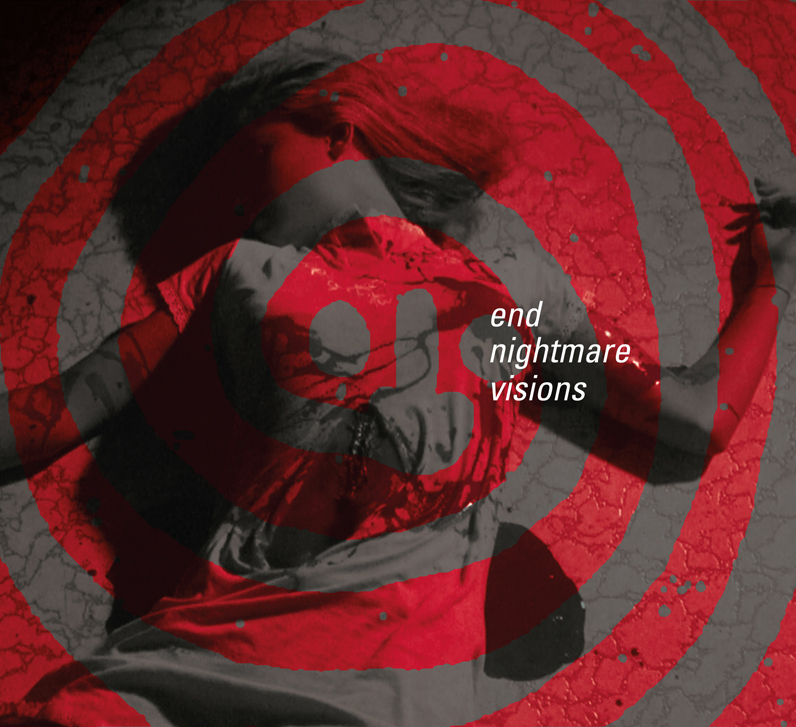 Wenn sich ein Projekt End (ursprünglich mit bestimmtem Artikel) nennt und eine Zusammenstellung „Nightmare Visions“ betitelt wird, dann sollte man nicht unbedingt Subtilität erwarten. Und tatsächlich: Das ursprünglich zwischen 1998 und 2000 aktive Projekt aus Oslo, das jüngst ein Comebacktape auf Epic Recordings veröffentlicht hat, bringt es auch bei den Songtiteln auf den Punkt: „Monster“, „Sick Man“, „Human Flesh“ oder etwa „Perverted Soul“. Weiterlesen
SWANS: The Glowing Man
 In Richard Powers Roman The Time of Our Singing sagt der Ich-Erzähler an einer Stelle: „most people wanted from music not transcendence but simply companionship, a tune just as bound by gravity as its listeners were“. Wer die Swans bei einem ihrer zahlreichen Auftritte erlebt hat, der braucht nicht einmal auf Michael Giras Äußerung zum neuen Album zu verweisen (“I’m decidedly not a Deist, but on a few occasions – particularly in live performance – it’s been my privilege, through our collective efforts, to just barely grasp something of the infinite in the sound and experience generated by a force that is definitely greater than all of us combined.”), Weiterlesen
CONCRETE MASCARA: Perennial Disappointment
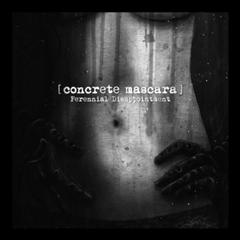 Sein Ziel beschreibt das Trio Concrete Mascara auf seiner Website mit folgenden Worten: „Concrete Mascara is devoted to vanity, hedonism and addiction. Beauty at any cost. Life lived between the razor and the mirror.” Auf dem Track “Snake Skin Stilettos” findet sich dann auch passenderweise die Apotheose des Abusus: “God is in the mirror/god is on the mirror/staring back/through white lines”. Weiterlesen
SPARKLE IN GREY: ﺭﺍﺩﻳﻮ ﺇﺯﺩﺍﻍ (Brahim Izdag )
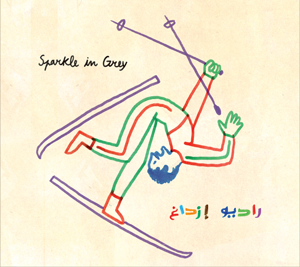 Das italienische Kollektiv Sparkle in Grey spricht davon, dass das Material für das neue Album schon in Sessions zu den letzten beiden Alben entstanden ist. Während dieser Aufnahmen habe man bemerkt, wie Elemente anderer musikalischer Kulturen immer mehr in ihre Musik eingeflossen seien. Die Band nennt als Bezugspunkte Senegal und Ägypten, Bali sowie Äthiopien, Schottland und Frankreich – um nur ein paar der aufgezählten Länder zu nennen, die verdeutlichen, dass man sich nicht auf einen Kontinent oder Kulturkreis beschränkt. Weiterlesen
KRENG: Selfed
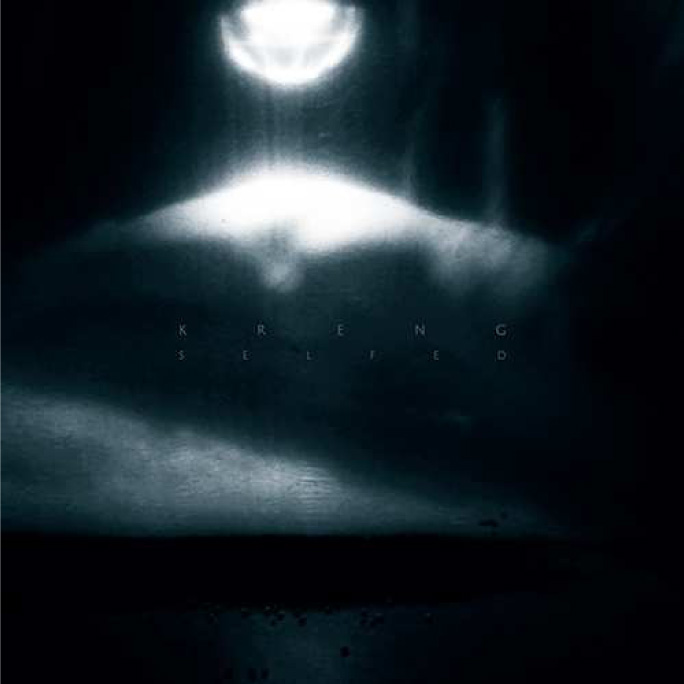 Manche Formen instrumentaler Musik, (Dark) Ambient oder gewisse Spielarten des Drones etwa, lassen sich wegen der vorhandenen Leerstellen (auch immer) als Soundtrack für imaginäre/imaginierte Filme verstehen und deuten. Der Belgier Pepijn Caudron hat unter seinem Projektnamen Kreng in den vergangenen Jahren Klänge nicht nur fürs Kopfkino komponiert, sondern für insgesamt 50 Theater- und Tanzproduktionen die Musik geschrieben, sehr häufig für eine Theatergruppe mit dem bezeichnenden Namen „Abbatoir Fermé“. Weiterlesen
COH: Music Vol.
 Unter denjenigen, die computerbasierte Musik machen, gibt es wenige, die das so ernsthaft betreiben wie Ivan Pavlov, der seit Jahren als COH in verschiedensten Genres elektronischer Musik agiert. Dabei können innerhalb einer Veröffentlichung Stimmungen und musikalische Ausrichtung wechseln, wie auf der vor etlichen Jahren veröffentlichten hervorragenden „Love Uncut EP“. Weiterlesen
AND ALSO THE TREES: Born Into the Waves
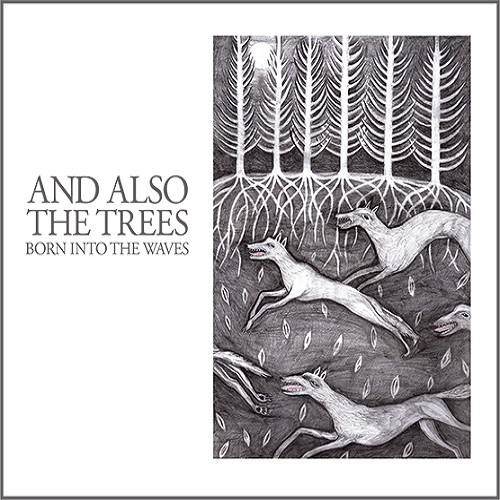 Als Andrew Eldritch 1993 nach seiner Supportshow für Depeche Mode in London das Set der Sisters of Mercy getreu dem Motto “bite the hand that feeds you” mit dem Ausruf „Enjoy the puppet show“ beendete, da wusste er vielleicht noch nicht, dass er im Jahre 2016 zwar nicht als Marionette, aber bestenfalls als Zombie mit zerfressenen Stimmbändern Karaokeshows mit T-Shirt-Verkauf abliefern würde. Schaut man sich die Setlists von The Cure -die es in den letzten 24 Jahren auf gerade einmal vier (mediokre) Studioalben gebracht haben- an, dann fällt auf, dass sich die Songauswahl stark an den bis zu den frühen 90er Jahren veröffentlichten Alben orientiert, ganz so, als sei man sich bewusst, dass die musikalisch großen Zeiten vorbei sind. Weiterlesen
PUCE MARY: The Spiral
 Die Dänin Frederikke Hoffmeier, die sich als Puce Mary (inhaltlich wie musikalisch) extremeren Formen elektronischer Musik widmet, erinnert , was ihre Rezeption durch die Medien anbelangt, etwas an die auch auf diesen Seiten rezensierte Margaret Chardiet (Pharmakon), denn auch Puce Mary hat schon ihre Nobilitierung durch Besprechungen und Interviews in Magazinen abseits des „Special Interests”-Forums erfahren, was dazu geführt hat, dass in The Wire (Invisible Jukebox, Februar 2016) plötzlich Namen auftauchen Weiterlesen
FURSAXA: Immured
 Als vor sechs Jahren Tara Burke unter ihrem Projektnamen Fursaxa auf ATP Records „Mycorrhizae Realm“ veröffentlichte, da war das das bislang fertigste, eventuell auch (im weitesten Sinne) zugänglichste, weil songorientierteste Album. Ein Album, das so klang, als habe eine die Bezeichnung Weird Folk verdienende Band sich entschieden, sich nicht an der glasklaren Stimme von Comus‘ Bobbie Watson zu orientieren, sondern eine Wiedergängerin Nicos als Chanteuse auszuwählen: „Was Stimmung wie Stimme anbelangt, könnte man fast soweit gehen und sagen, dass Fursaxa näher Weiterlesen
MATS ERLANDSSON: Valentina Tereshkova
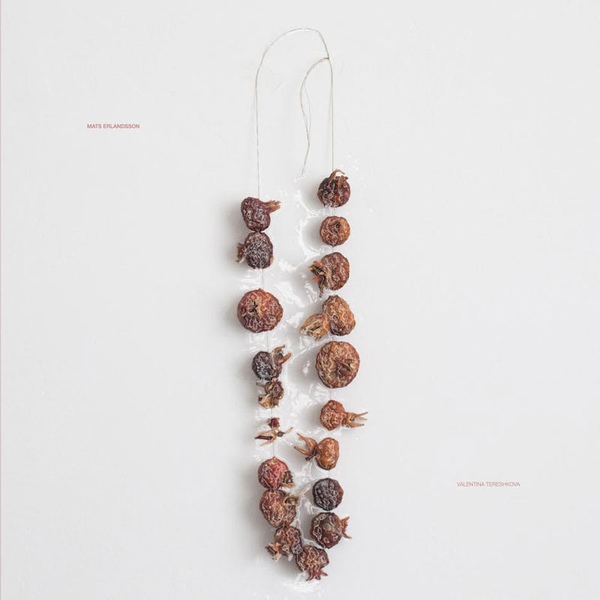 Das Schweigen der unendlichen Räume des Alls ließ schon Pascal erschau(d)ern und ein österreichischer Misanthrop setzte diese berühmten Worte aus den Pensées des Franzosen vor seinen Roman Verstörung. Hollywood hat sich in den letzten Jahren (wieder) vermehrt dem Weltraum zugewendet: Alfonso Cuarón hat mit Gravity dem Zuschauer zumindest kurzzeitig verdeutlicht, was man (auch) unter der Geworfenheit des Menschen verstehen kann, um dann allerdings durch das obligatorische (und wohl notwendige) against-all-odds happy ending Konsequenz vermissen zu lassen, Weiterlesen
V.A.: The Last House On Dead End Street
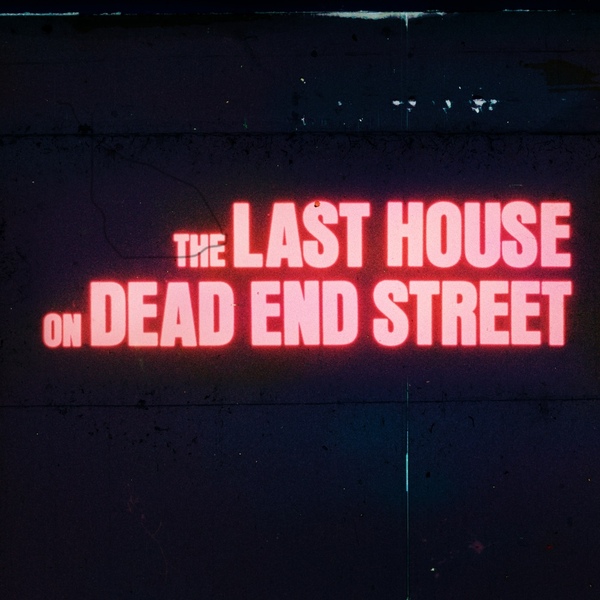 Wenn man inzwischen auf Langstreckenflügen Episoden von The Walking Dead sehen kann, dann merkt man, wie weit man inzwischen von der Video Nasties- und „Mama, Papa, Zombie“-Hysterie der frühen 80er entfernt ist. In den letzten Jahren sind vermehrt, u.a. über Death Waltz, Soundtracks von Filmen auf Vinyl veröffentlicht worden, die früher Betroffenheitsfanatiker zum Klo hätten rennen lassen. Weiterlesen