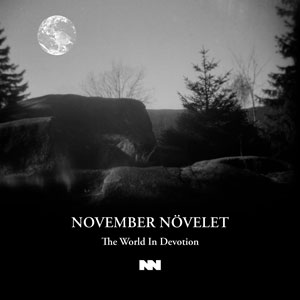
 Von den minimalistischen analogen Dissonanzen, die das Debüt „More Satanic Heroes“ prägten, hat sich der Haus Arafna-Seitenableger hin zu einer von Vintagesynths geprägten minimalen, analogen und melancholischen Popmusik entwickelt und auf inzwischen drei Alben und drei EPs gezeigt, wie – Achtung! Oxymoron – zeitgemäße an der elektronischen Vergangenheit orientierte Musik klingen kann. Weiterlesen
Archiv des Autors: Michael
400 PPM: Just In Time
 Shawn O‘ Sullivan, der u.a. mit Led Er Est, einem Trio aus New York, eine Musik spielt, die ihre Inspiration ganz sicher aus dem Wave der 80er zieht und mit ihnen auf einer Reihe von Alben die Möglichkeiten melancholischer Musik ausgelotet hat, debütierte 2013 mit einer EP unter dem Namen 400 PPM, auf dem er einen reduzierten Techno spielte, der musikalisch scheinbar weit entfernt von Led Er Est war, was aber nicht verwunderte, hat O‘ Sullivan seine Wurzeln doch im Techno. Weiterlesen
CURRENT 93: The Moons At Your Door
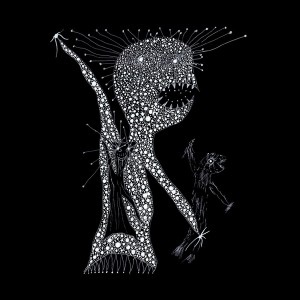 Im Anfang war das Wort. So könnte man die Geschichte der Genese/der Genesis von Current 93 beginnen, denn obwohl längere Texte auf dem Frühwerk nur selten vorkamen und manchmal die Stimme nur ein Klang(mittel) unter anderen war, so spielte das Konzept(ionelle), der Logos schon immer eine dominierende Rolle – man denke nur an das musikalisch noch etwas unausgegorene 1983 erschienene 12′-Debüt „LAShTAL“. Weiterlesen

CONSUMER ELECTRONICS: Dollhouse Songs
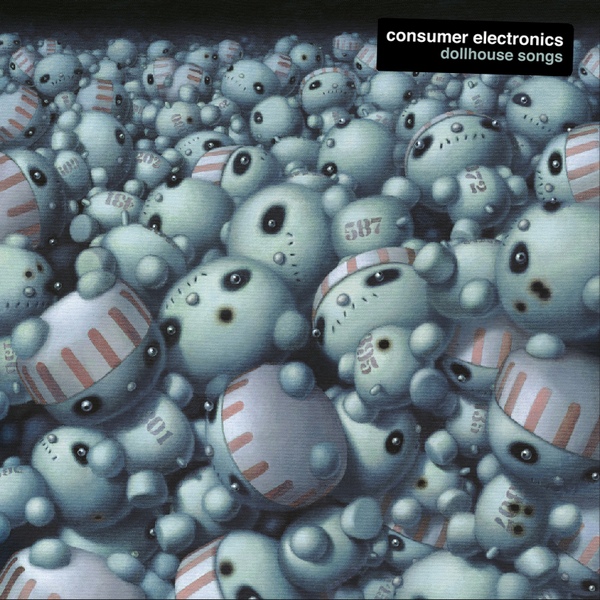 Überraschend schnell legen Philip Best, seine Frau Sarah und Russell Haswell nach dem im letzten Jahr veröffentlichten „Estuary English“ mit „Dollhouse Songs“ einen Nachfolger vor, der an den Vorgänger textlich wie musikalisch anknüpft. Eröffnet wird das Album, dessen Cover Trevor Brown gestaltet hat, mit „History of Sleepwalking“, einem Stück aus verzerrten, brutzelnden Sounds, und (kaum zum Tanzen animierenden) Beats. Weiterlesen
SUBLIMINAL: Sterben Lassen
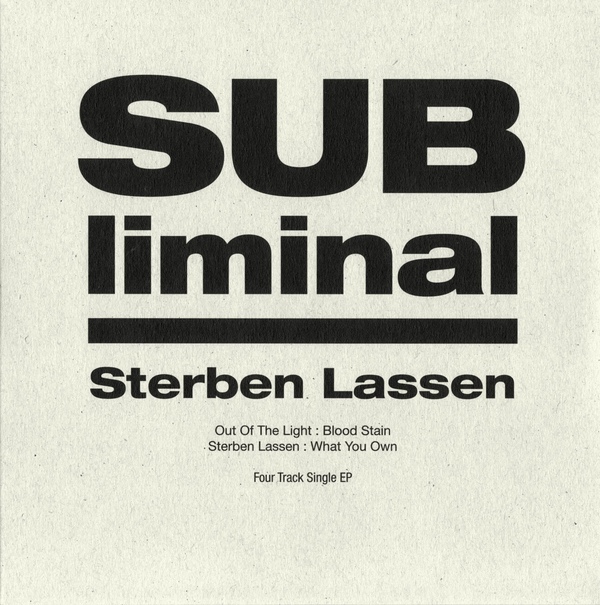 Mit zwei Alben und einer Reihe von EPs hat sich Albert Fisch als inzwischen rabiatester Künstler in der Galakthorrö-Familie etabliert. Thematisch ein Feld beackernd, das Throbbing Gristle mit „Very Friendly“ und „Slug Bait“ zuerst bestellt haben. „Out of the Light“ verzichtet fast völlig auf Rhythmus, stattdessen eine pulsierende Klangfläche; Fischs Stimme klingt, als wolle er einen Hybrid aus Power Electronics und Black Metal in die Welt werfen: verzerrt, schreiend, kreischend. Weiterlesen
DA-SEIN: Tautology
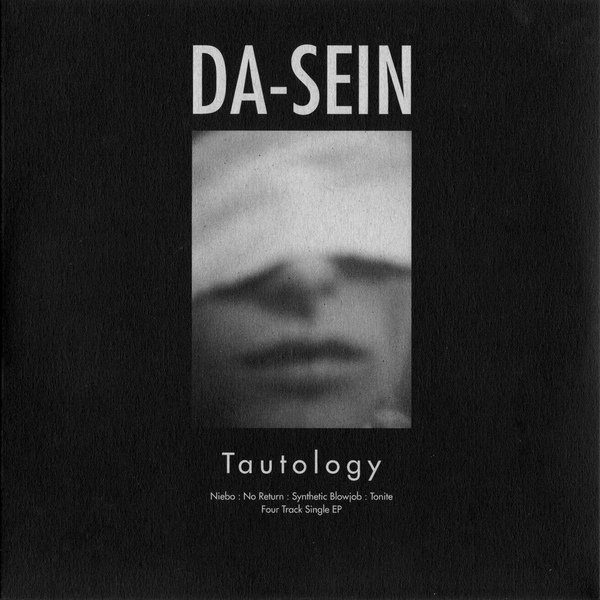 Ich und auch andere Kollegen haben im Laufe der Jahre immer wieder auf diesen typischen (analogen) Galakathorröklang hingewiesen, einen Sound, der –auch wenn der Grad der Drastik der einzelnen Projekte doch unterschiedlich war – zu einer gewissen Wiedererkennbarkeit führte und für den sich dann der von SPK entlehnte Begriff des Angst Pop einbürgerte. Gleichzeitig war dieser Klang ebenso wie die gewählte Gattungsbezeichnung offen genug und ließ deswegen (genug) Spielraum. Weiterlesen
DREW MCDOWALL: Collapse
 Hatte man sich in den letzten Jahren daran gewöhnt, dass aus der Unfähigkeit und/oder Unwilligkeit der Nachlassverwalter von Coil resultierend, kein Modus zur Wiederveröffentlichung der Alben gefunden wurde, wodurch den Bootleggern kampflos das Feld überlassen wurde, so waren die Coil-Veröffentlichungen der letzten Monate auf andere Weise wenig erquicklich: Da gab es die sowohl vom Design als auch von der Stückzahl her äußerst dürftigen acht Weiterlesen
V.A.: Drone-Mind // Mind Drone. Volume 4
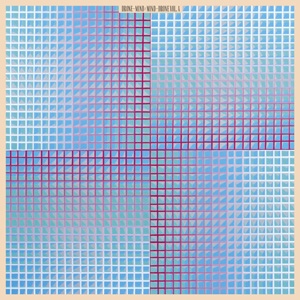 Egal ob auf der inzwischen eingestellten und durchaus legendären 7′-Serie oder auf der inzwischen in die vierte Runde gehenden Compilation-Reihe „Drone-Mind // Mind Drone“, auf der jeweils vier Künstler ihre Interpretation, ihre Variation des Drones spielen – es ging und geht immer (auch) um den Drone als das Bewusstsein erweiternde, die Wahrnehmung (ver)ändernde Musik: „Drone music is seen as more than a mere ‘music style’, it expresses an approach to perceive and understand the world“, heißt es dann auch ganz konsequent und selbstbewusst zur Konzeption. Weiterlesen
LAST DOMINION LOST : Snowdrops From a Curate’s Garden
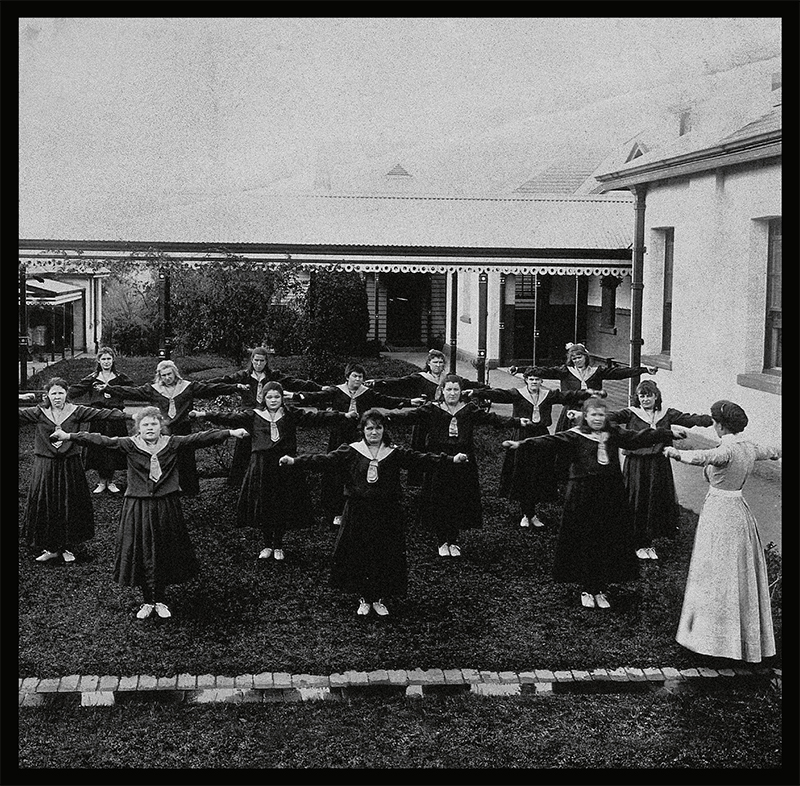 Es gibt das schöne Bonmot, dass jemand, der sehr wohlhabend und psychisch derangiert ist, exzentrisch sei, jemand, der ein wenig Geld besitzt und die gleichen Symptome aufweist, sich in ein Sanatorium begibt und jemand, der mittellos ist, im Irrenhaus landet – was deutlich macht, wie sehr Kategorisierungen von psychischen Erkrankungen (auch) von der sozio-ökonomischen Situation abhängen. Weiterlesen
TROUM & YEN POX: Mnemonic Induction
 Als 2002 diese 2000 entstandene Zusammenarbeit des amerikanischen Duos mit den zwei Musikern aus Bremen auf Malignant Records veröffentlicht wurde, da kamen einem zwei Gedanken: Beide Projekte arbeite(te)n mit flächigen Klängen, so dass eine Zusammenarbeit durchaus nachvollziehbar war. Auf der andren Seite machten Yen Pox „Blood Music“, Musik für ein „New Dark Age“ (um die Titel ihrer ersten beiden Alben zu zitieren) – nach langer Pause situieren sie ihr neues Album „Between the Horizon and Abyss“ an –, während Troum sich auf ihren zahlreichen Veröffentlichungen oft mit Zuständen jen- und abseits des Wachens beschäftigten, z.B. auf der fantastischen „Tjukurpa“-Trilogie. Weiterlesen
We still need to document our future through song. Interview mit Trappist Afterland
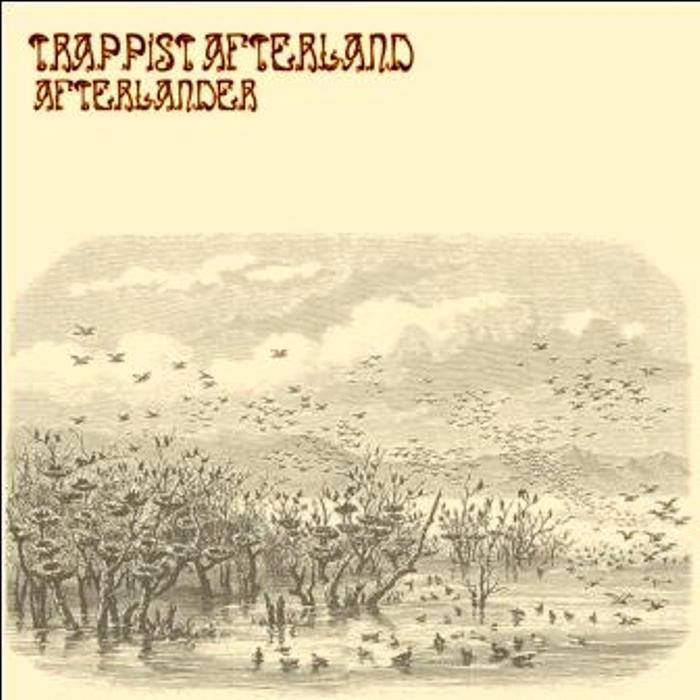
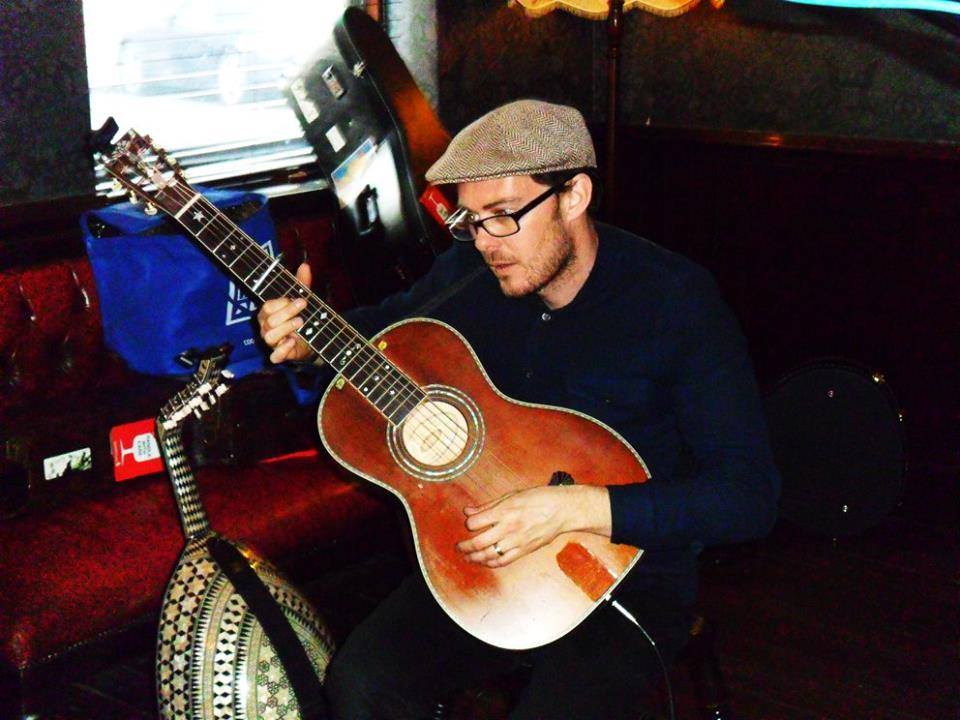 Oftmals hat man den Eindruck, dass aufregende, erregende Musik von denen gemacht wird, deren Einflüsse breit und nicht auf ein Genre begrenzt sind. Trappist Afterland, das Projekt des Australiers Adam Cole, bestätigt das. Auf der Facebookseite der Band werden die Einflüsse offengelegt, und die lesen sich wie ein Gang durch die Geschichte psychedelisch(st)er (nicht nur Folk) Musik. Auf den bisherigen Alben, von denen das jüngst erschienene „Afterlander“ das erste ist, das auf Vinyl gepresst wurde, wurde aber auch immer wieder deutlich, dass Cole Interesse an außereuropäischer Musik hat – im folgenden Interview berichtet er Weiterlesen
We still need to document our future through song. Interview with Trappist Afterland
Maybe let’s start with a rather tedious question but could you say a few words about the beginnning of the band?
I started Trappist in 2010 with an old friend of mine Adam Casey who plays in a musical project called “The Boy who spoke clouds”. We released two albums together under the Trappist Afterland Moniker “The Round Dance of the Cross” and “Burrowing to Light”. Adam recorded both these albums and acted as a sort of producer to my compositions. He left the band after completing “Burrowing to light” and I continued on and recorded Beehive. I met Phil Coyle, who is still in Trappist today, Brett Poliness (Silver Ray,Hugo Race) and HakGwai Lau who I saw busking on the Chinese 2 stringed Violin(ErHu) in the streets of Melbourne. We became friends and the three of us collaborated on what became The Beehive album. The Band these days consists of Phil, Nicholas Albanis(Dandelion Wine) who both were the band on Afterlander and Lachie Robertson. I’ve also recorded a solo album under the Trappist name “The Five wounds of Francis Minor” and I’m half way through a new record that I’ve recorded with Anthony Cornish which is also more of a solo album and less collaborative than the Afterlander album. I enjoy both ways of recording and I guess it is projects based thing although the Afterlander band is a pretty permanent fixture, along with Lachie for future recordings and playing live shows. At least as long as they’ll put up with me HAHA!
You mention a number of bands that have influenced you. It seems that they many of them seem to make use of the/a folk idiom but at the same time expanding it musically as well as lyrically (sometimes) radically. What would you say is the one thing that connects them all?
I’ve always thought that the one thing that in it’s purest form that connects Folk music is the idea that the songs must convey stories and ideas from a time and place. I guess traditionally folk music was used as a way of connecting community and passing on the history of a people, Place and time. So in more experimental and radical movements, as long as those ideas are still passed on, then that would be what connects it. Experimentation is a big part of our culture through technology today, and although Folk music quite often is associated with the past, we still need to document our future through song. And I believe that there is no better way to do that than by using all the modern tools available to us .This in turn reflects aspects of our culture today
A lot of folk musicians today havn’t grown up with folk music, and often their creative biographies started with punk for instance or other kinds of rock music until they discovered traditional music. How was it in your case?
I guess my musical background as a young man began with underground Thrash, Glam and Death Metal. Followed by 90′s Punk and Alternative rock. In my mid Twenties I became obsessed with TG, Whitehouse, Psychic TV and all the prog ,Psych, Free Jazz, British revival and Acid Folk I could get my hands on. These days it’s all of the above plus a lot of music from all over the world especially Indian Music, Gamelan, Ancient classical music(Hesperion xx,David Munrow etc) and more traditional types of folk music. I guess when I was twelve or so those early Dylan albums seemed pretty quintessentially as folk as it got for me. And it all developed from there.
You play a lot of different instruments. How did it come that you learned to play them all? Did you start with a particular one, and the others followed step by step? Which one do you identify most with?
I guess like most young men at around the age of twelve I became obsessed with the guitar through the eighties Thrash scene. Was given an electric guitar for Christmas one year and soaked it in distortion and started playing bad lead and power chords. Started the Metal garage band in my parents Basement and everything developed from there. As I got older developed more of an interest in folk music, taught myself to finger pick and began writing songs. I got married when I was 28 and travelled to Vietnam for my Honeymoon. It was there that I began experimenting with more exotic stringed instruments and taught myself to play the Dan Bau Monochord, Oud ,and I purchased the Dulcitar from Timothy Renner (of Stone Breath).The Dulcitar is essentially a Dulcimer with a vibrating bridge that gives it the Sitar Twang. Timothy built it, quite genius really
When talking about the wide variety of instruments used and of muscical culture(s) that seem to have influenced you, I’m wondering if the album “The Christ Tree“ by The Trees Community that Timothy Renner re-released some years ago has had an impact on your work?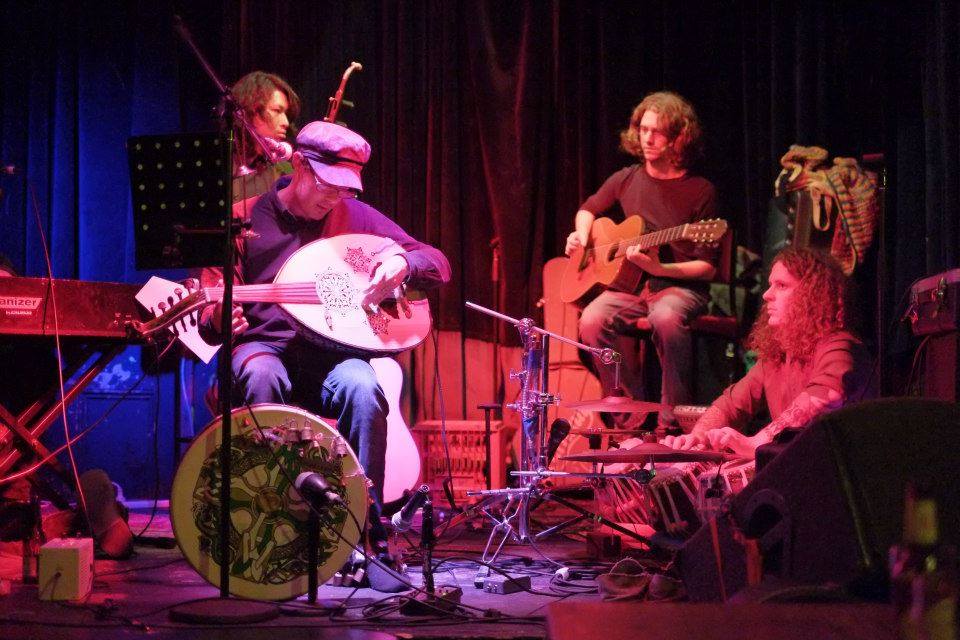
I Absolutely love that album by the Trees Community, and yes it has been a big influence on all things Trappist. My best friend Neil Sweeney gave me a vinyl rip on CDR around 2007 and I became quite obsessed with it. A year or 2 later I heard Timothy was doing the re-issue and was lucky enough to get the cd Box .All the bonus material is Great, although the Christ Tree itself still stands on it’s own.
I also particularly like the album “Christian Lucifer” by Perry Leopold and the album by Silmaril The Voyage of Icarus. But the list could go on.
Your first three albums have been self-released. Your fifth album is going to be released by Sunstone Records on vinyl. Is that for you a new stage in the evolution of the band?
I guess it is, not by choice though. When we initially started Trappist we were always on the lookout for like minded folk to put out our releases, but it wasn’t until we were approached by Nigel Spencer from Folk Police in Manchester that we had any offers. Nigel was starting a new label to put out less commercial folk music called Eleven Willows and the plan was to release our third album Beehive on Vinyl. Unfortunately the label folded before it got off the ground. We then were approached by Nathan Ford from New Zealand blog magazine the Active Listener to do a digital release of the album, which we did. The Active listener has been instrumental in helping us get more exposure and Nathan is a fantastic guy who helps so many bands. A true unsung hero of the underground psych scene at the moment.
From there we were lucky enough to be offered a release with Sunstone Records. Ant James,Will and Simon Norfolk run the label from Chester and Morecombe in the north west of England. They have been an amazing help and have become good friends. We have just released our latest album “Afterlander” and it sold out in 2 days in England, which really surprised me in a very wonderful way. I have a few copies for sale on the Trappist Bandcamp page but they are nearly all gone too.
One of the great thing about playing the kind of music that is quite niche is that you get to meet all these wonderful folks who truly are doing these labels,blogs etc for their love of it. I is such hard work and a very costly exercise for very little monetary reward. So people like Nathan Ford ,Ant James and Simon Norfolk are true pioneers in getting this sort of music out there during such a bad time in our musical history. At least in the sense of the industry. So Kudos to them and those like them.
 Your first albums were not only available as downloads but also as limited CD-Rs. What is your attitude towards physical releases?
For me Physical releases are very important, although very costly. Whenever we do an album I always ensure that we have some kind of physical stock usually in limited supply, again due to cost. Obviously vinyl is my favourite form but again it is incredibly costly. So CDR’s are usually the next best thing.
There are plans to release a split album with Stone Breath. Can you tell us how that started and if there is a concept/central idea behind it?
I have been a fan of Stone Breath for some time now, and approached Timothy to do a split 12 inch. Again due to the costly nature we have decided to do a split cassette instead, which should be out later in the year or early 2016.Both bands will be doing about 18 minutes of music per side.
When I was in my my late twenties I had come to the conclusion quite naively that when it came to strange folk music and psych that it had pretty much been done to death. And that no new music could even come close to the likes of COB,I.S.B etc etc. That was until I heard the likes of Stone Breath, In Gowan Ring and the early Six Organs albums. Those bands and others really re- invigorated me to continue doing the folk music I’d always loved. They seemed to have taken the elements from the first wave of Acid folk and created a very fresh and sincere new take on the genre.
I hope Trappist can do the same.
In some of your songs you can find traces of Oriental/Asian music. Apart from the fact that you play the oud and sometimes cooperate with a Chinese musician – do you draw some direct influence from non-Western music cultures? Is there some particular kind of Asian or Middle Eastern music that you enjoy?
I’m a massive fan of Gamelan music. A couple of years ago when Trappist first started there was talk of doing an album with the Melbourne Gamelan Orchestra. Adam Casey left shortly after we met with them and we never quite got to doing it. But I’d never rule it out in the future, as me and Adam always talk about doing music together in some form or another.
I’m also a big fan of Hamza el Din, although he is from Northern Africa. His Oud playing is out of this world. A few others of note…. Kan Mikami’s album ‘Barking Practice’ is great; Kazuki Tomokawa; Karuna Khyal; ‘Ghost’ from Japan (especially their early albums)…. not to mention the many excellent Middle Eastern albums. So many great records to be heard… too many to mention.
Maybe the slight Middle Eastern elements are somhow consequent in context with your interest in biblical subjects. Do you think that Western Christianity would benefit from discovering that its roots lie in a quite “exotic” ground?
I think the problem with western Christianity is that it has completely forgotten its roots – forgotten where it comes from. Throughout civilization, Christianity has been moulded by men, and as a Christian myself it can be hard to know which parts are of Christ and which parts have been twisted over the years by human interpretation. It’s a slippery slope – and can be very hard to get to some sort of clarity within that. But as we are talking about intangibles it is quite predictable that the human race especially western civilization has made quite a mess of it. Although, I’m not exactly innocent of it either over the years. We all play a part.
Let’s just say Jesus Christ has had a pretty bad PR team for the past 2000 years haha!
But like any ideology or belief system, there are always positives/negatives. Sometimes people and the media do focus on the negative and forget that amazing things have been achieved through it, As well as horrific things of course.Unfortunately sometimes the people doing unthinkable things truly believe they are doing the right thing.
You call yourself/yourselves “Xian“. What role does your belief play in the creating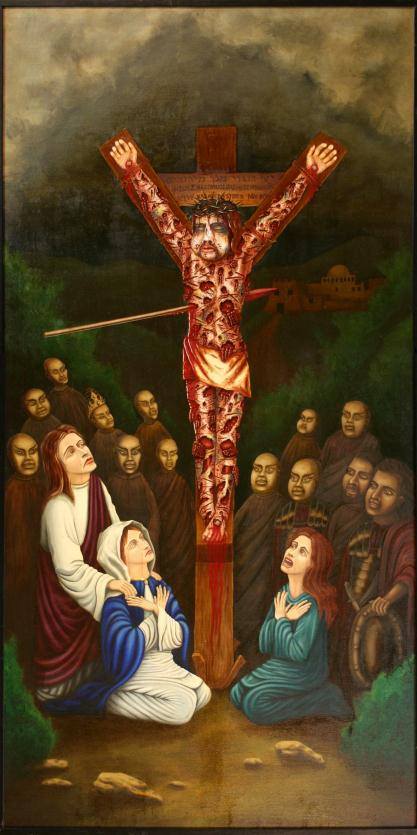 of your work(s)?
I have always loved those private press Xian albums such as Trees Community, Silmaril, Concrete Rubber Band ,Caedmon etc, and I guess I am a Christian.
Although to some extent I hesitate to call myself Christian in a traditional sense. Especially since I do tend to struggle with the Evangelical movement, the Catholic Church and other denominations for different reasons. But at the same time it is very challenging as a big part of being Christian is to partake in community. But quite frankly the communities and a lot of their archaic ideas completely rub me the wrong way. So for me at least at the moment it is complicated HaHa!
As for its influence on the songs… It is for me, a huge part of what Trappist is about, although the rest of the band don’t share my beliefs. Myself being the songwriter though shows me how open and sympathetic to the cause my bandmates are, and I’m lucky to have them.
Not only in the music, also in your content you show great interest in somehow heretic sidepaths, as nyou deal with John Dee, Franz von Assisi and a number of apocryphal/gnostic scriptures. Would you find it too negative to say that in (religious and cultural) history, some things went terribly wrong? Or is this the way you see things? Do you have some kind of message when referring to these topics?
I guess to start, A few years back I got very interested in the story of John Dee. I Especially got very intrigued by his supposed Angelic contact through his scrying sessions .But in all honesty it had a profoundly negative effect on my psyche.
I became quite obsessed with all the symbolism he transcribed via these angelic interaction, Enochism and particularly the Sigillum Æmeth pentacle.
I won’t go into to much detail as it is quite personal thing, but I can say it was a very dark time in my life which even effected my marriage for a short time .I still to this day don’t quite understand what happened, but I will never get so involved in such a thing again.
These interactions surely were the downfall of John himself. So I doubt that there was anything Angelic about the connections he made during the Scrying sessions.
The album “The five wounds of Francis Minor” I guess was a concept album comparing the life of John Dee and Francis of Assisi.
Both men were very obsessed with connecting with divinity and were both extremely devout. But both of them went on very different paths trying to find connections.
In my opinion Saint Francis took the right path and was rewarded for it .To such an extent that he became the first man to suffer the Stigmata,Which I know sounds like very morbid reward, but I think it is the greatest honour a human being can be bestowed.
I am also very interested in all scripture and find the Gnostic gospels very beautiful and especially interesting. But as with all supposed holy doctrine I think needs to be read with caution, and a big grain of salt haha.
Taken in the wrong context can have hideous consequences, such as the Church and societys treatment of homosexuals amongst many other things. Sometimes people use scripture to justify being bigoted arseholes sadly. And the list goes on unfortunately.
But in saying all this I am still very interested in Christian mysticism and do believe it has played a very important role in shaping our understanding of the world, and the world to come. I just think John Dee was played and suffered a tragic life because of it.
 On your album “Like A Beehive, The Hill Was Alive“ there is as song called “The Golden Bough“, I guess alluding to James George Frazer’s study of the same name. Why did you choose to refer to that particular work?
My best friend and sometimes songwriting partner Neil Sweeney gave me the book when I was visiting him in New York City. His idea was for us to write a bunch of songs about the book and putting it out as an album.
We never finished the project, and the golden bough was one track I wrote for it.
Neil and I are planning on doing an album together very soon. Neil is an incredible outsider folk singer/ songwriter out of Baltimore, i’m very much looking forward to working with him again.
In the song “Lucifer Mosquito” you sing about Genesis and original sin in a way that differs much from the common Biblic narrative. What kind of story is it, that you tell there?
Basically the song and story of “Lucifer Mosquito” was a dream I had one night. Quite an absurd dream really. It is essentially an alternative version of the Fall of Adam and Eve.Instead of them being tempted by the serpent in Eden, Adam sees a mosquito suck the blood from a pig, which gives him the idea to give up his vegetarian ways and slay the animals(in this instance the pig) to eat it.
Hence it is in a sense the beginning of the fall of man once Adam takes part in this violent act. Some theologians believe that before the fall, Man was vegetarian and after our expulsion from the Garden we began our carnivores ways.
Let me stress though, I am not in any way a creationist and I just found the dream to be so tripped out that I had to write a song about it haha.
I look at Genesis in the same way as I look at the Book of Revelation.
Stories written in an almost fable like way to explain Gods relationship with Humanity. From these stories we learn lessons, but they should never be taken Literally.
And amazing stories they are! including Noah’s Ark.
What can you tell us about folk and psychedelic music in Australia and Melbourne? Are you part of a local scene?
To be honest the Scene in Melbourne is fairly small, although I don’t tend to wander out much, so i’m probably not exactly an expert on the music being played in Melbourne .
We play around Melbourne fairly sporadically and there is new scene of young folk that seem to be inspired by some of the new psych bands that are around at the moment.
A lot of shoegazer type psyche bands with Brian Jonestown Massacre reverb drenched style sounds.
I particularly like a band from Melbourne called the Citradels. Their sound reminds me a bit of the Outsiders and seem to dabble in more Eastern inspired Psyche jams.
Do you think that the passing of Camera Obscura founder Tony Dale left a big gap in Australia’s folk music?
I never had the pleasure of meeting Tony Dale although I loved and still listen to stuff on Camera Obscura. It was very sad when Tony passed and I know a lot of people who knew him, including my best mate Neil Sweeney and the lovely guys at Vicious Sloth collectables. Those guys have been real supportive of Trappist and they are lovely guys.
I think a big gap has been left in the Psych scene in general all over the world since Tony’s passing. Tony Championed and gained exposure for so many great obscure bands over the years.
It’s always the good ones that leave us sadly.
(M.G. & U.S.)
top photo: Alan Davidson (Kitchen Cynics)
painting: Norbert H Cox
JOEL LANE: The Anniversary Of Never
 Unter den jüngeren Autoren der weird fiction scheint der 2013 relativ jung verstorbene Joel Lane ein Chronist der Versehrten, ein Archivar des Verlusts zu sein: „Personal loss is an important literary theme and one that I return to quite often“ sagte er in einem Interview, das ich vor zwei Jahren mit ihm führte. Wenn in (s)einem in The Socialist veröffentlichten Text über Noir-Romane Lane davon spricht, dass es sich bei diesen Texten um „literature of despair, paranoia and alienation” handle, dann kann man das zumindest partiell auch als eine Beschreibung seiner Literatur(en) verstehen. Weiterlesen
ROBIN CRUTCHFIELD: Into The Dark Wood
 Zum inzwischen fünften Mal widmet sich der ehemalige Dark Day-Musiker seinen „acoustic glissando and drone soundscapes for the daydreamers of the world “, seinen minimalistischen und repetetiven Harfenminiaturen für „fairie folk“, „friends in the enchanted otherworld“ und „hidden folk“, die gerne auch einmal „toadstool soup“ zu sich nehmen. Nach Ausflügen zu Dark Holler und Important Records veröffentlicht Crutchfield seine Reise „in den dunklen Wald“ im Eigenverlag auf seinem Minilabel Nigh Eve Recordings lediglich als Download. Weiterlesen
SLEAFORD MODS: Key Markets
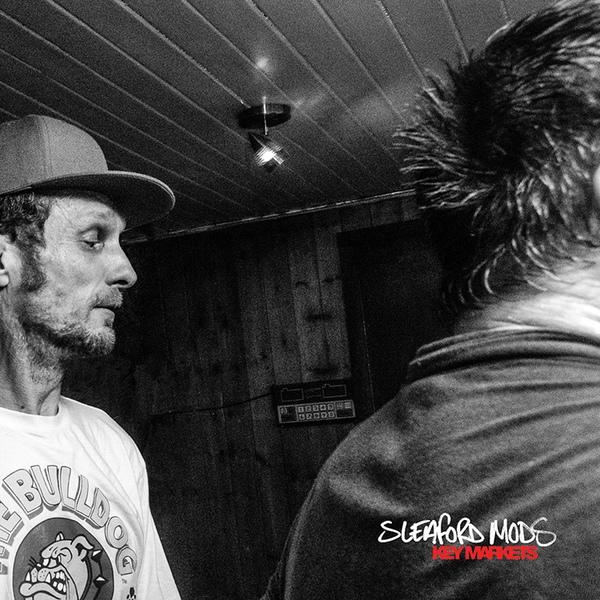 Jüngst noch vom Observer als „one of 2014’s least likely success stories” tituliert, so haben die Sleaford Mods es tatsächlich seit der Veröffentlichung ihres letzten Albums „Divide and Exit“ in nahezu jedes Presseerzeugnis geschafft: Von Zeit bis TV Spielfilm preist man das Duo als – so lautet das gäng(st)ige Narrativ – diejenigen, die den gegenwärtigen Zustand der „sceptered isle“ am genauesten sezieren. Inzwischen haben die Sleaford Mods sogar Glastonbury gespielt (auch wenn es offenbar nicht sehr viel Spaß gemacht hat). Der Opener „Live Tonight“ mit seinem Chor aus grölenden Fans wie auch der Titel scheinen den jüngsten Erfolg zu ironisieren. Weiterlesen
HERBST9: Fragmentary
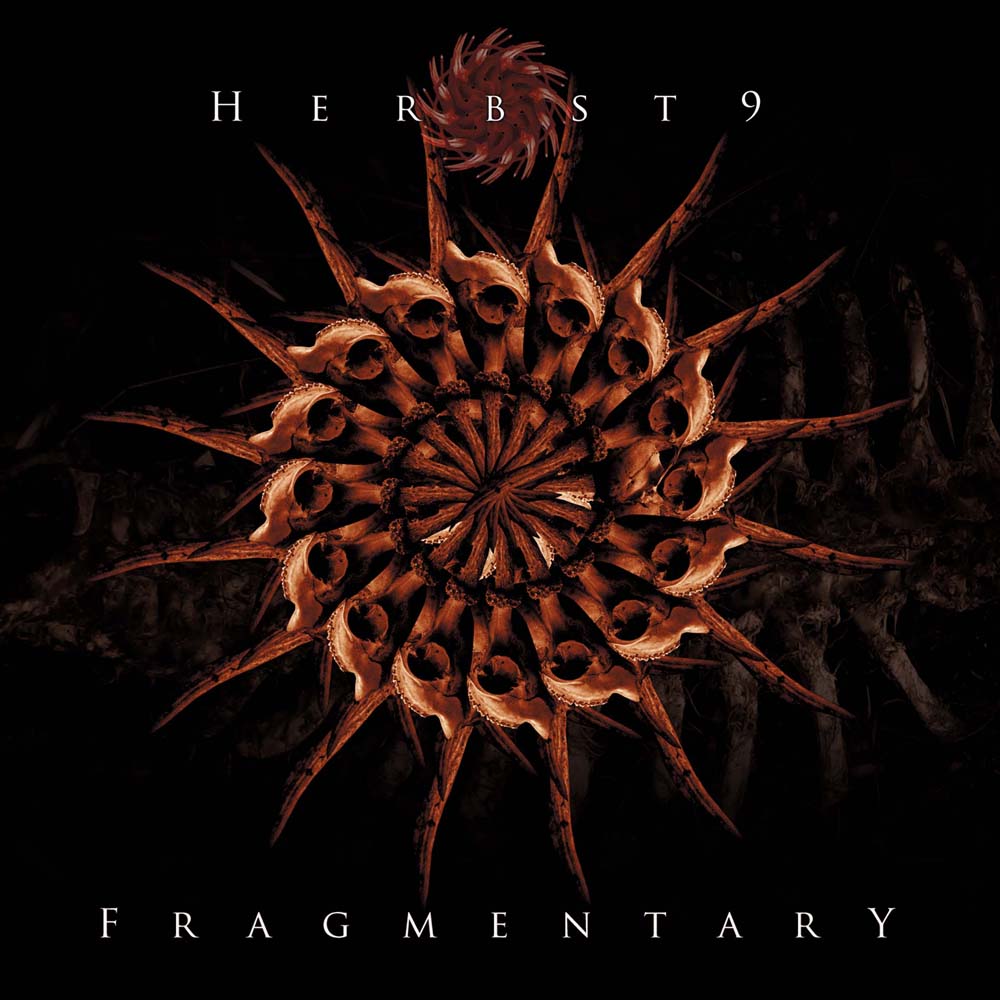 Das Doppelalbum „Fragmentary“ lässt sich als Livedokument wie auch als eine Art Werkschau des deutschen Duos betrachten, denn die 16 Tracks (inklusive fünf bislang unveröffentlichter Stücke) stammen so in etwa aus jeder Schaffensphase. Der dunkle Ambient, den Herbst 9 seit Ende der 90er auf einer Reihe von Alben gespielt haben, wurde durch Artwork und Titelgebung in Regionen verortet, die zeitlich und örtlich weit entfernt von unserem Habitat sind, Weiterlesen
DEISON & UGGERI: In the Other House
 Der Topos des Spukhauses findet sich in den meisten Medien – oder wie es bezogen auf den Film Georg Seeßlen und Fernand Jung formulieren: „Vom verdammten Haus zu erzählen scheint dem Kino von Anfang an aufgetragen.“ In der Literatur hat Mark Z. Danielewski mit House of Leaves vielleicht einen postmodernen Endpunkt gesetzt und in der Musik war es der Ambient, der die Beschallung von Räumen teils im Titel trug (vgl. Brian Eno) und dessen uneheliches Kind das Attribut „Dark“ verwendete, um finsterste, nicht immer ganz klischeefreie Evokationen von unheilvollen Orten zu erzeugen. Weiterlesen
TIMEMOTHEYE & THE SPECTRAL LIGHT: Grave Needs
 In einem vor einiger Zeit veröffentlichten Interview sprach Timothy Renner davon, dass das Introspektive von Stone Breath, die Thematisierung von Spiritualität, langsam an einen Endpunkt komme, sich sein Schreiben verändere und er gab zu, dass die politischen Texte, die er mit seinem Crossoverprojekt Albatwitch schreibe, augenblicklich von ihm als „dringender” – vielleicht möchte man sagen “drängender” – empfunden würden. Weiterlesen
CONTROLLED BLEEDING & SPARKLE IN GREY: Perversions of the Aging Savant
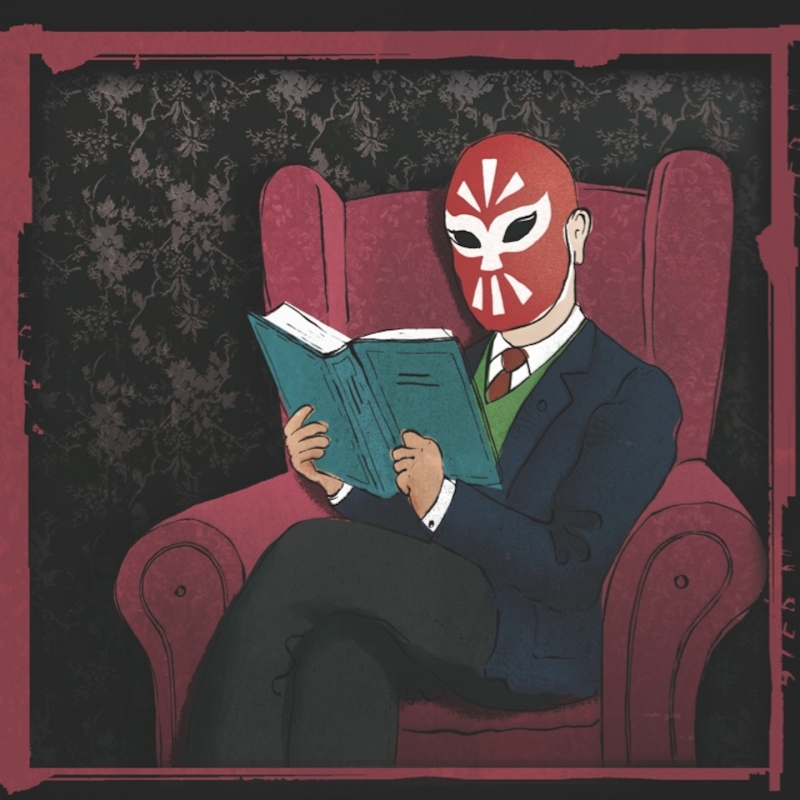 Vergangenes Jahr konnte man auf der Facebook-Seite Controlled Bleedings einen Post von Paul Lemos lesen, in dem dieser das Ende der Band verkündete, zu frustriert schien er darüber zu sein, dass das Publikum die vielen musikalischen Ha(c)kenschläge nicht (mehr) mitzumachen schien. Kurz darauf verschwand dieser Post wieder und nun melden sich Controlled Bleeding mit einer Split-CD mit Sparkle In Grey zurück, auf der man den Eindruck hat, mit den hier versammelten Tracks wolle Lemos zeigen, dass er sich um Erwart(ungshalt)ungen und Kohärenz noch immer nicht schert. Weiterlesen