We still need to document our future through song. Interview with Trappist Afterland

Maybe let’s start with a rather tedious question but could you say a few words about the beginnning of the band?

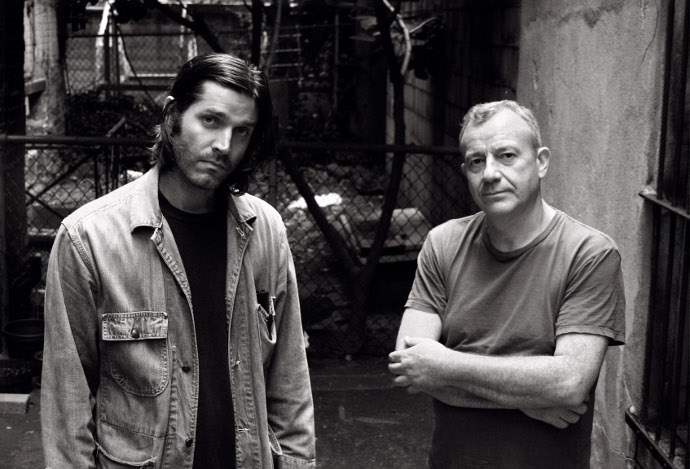
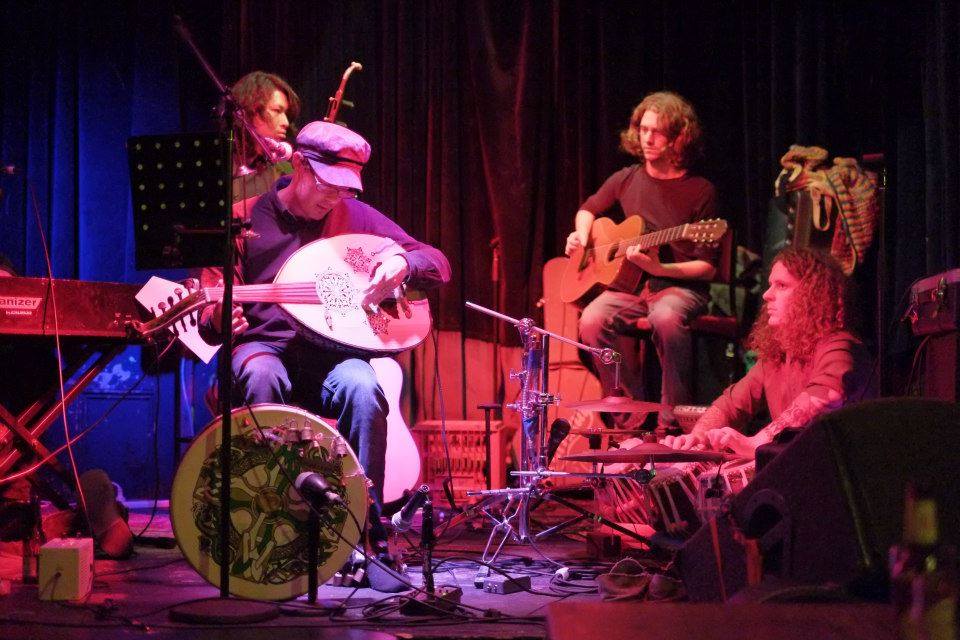
I started Trappist in 2010 with an old friend of mine Adam Casey who plays in a musical project called “The Boy who spoke clouds”. We released two albums together under the Trappist Afterland Moniker “The Round Dance of the Cross” and “Burrowing to Light”. Adam recorded both these albums and acted as a sort of producer to my compositions. He left the band after completing “Burrowing to light” and I continued on and recorded Beehive. I met Phil Coyle, who is still in Trappist today, Brett Poliness (Silver Ray,Hugo Race) and HakGwai Lau  who I saw busking on the Chinese 2 stringed Violin(ErHu) in the streets of Melbourne. We became friends and the three of us collaborated on what became The Beehive album. The Band these days consists of Phil, Nicholas Albanis(Dandelion Wine) who both were the band on Afterlander and Lachie Robertson. I’ve also recorded a solo album under the Trappist name “The Five wounds of Francis Minor” and I’m half way through a new record that I’ve recorded with Anthony Cornish which is also more of a solo album and less collaborative than the Afterlander album. I enjoy both ways of recording and I guess it is projects based thing although the Afterlander band is a pretty permanent fixture, along with Lachie for future recordings and playing live shows. At least as long as they’ll put up with me HAHA!

You mention a number of bands that have influenced you. It seems that they many of them seem to make use of the/a folk idiom but at the same time expanding it musically as well as lyrically (sometimes) radically. What would you say is the one thing that connects them all?
I’ve always thought that the one thing that in it’s purest form that connects  Folk music is the idea that the songs must convey stories and ideas from a time and place. I guess traditionally folk music was used as a way of connecting community and passing on the history of a people, Place and time. So in more experimental and radical movements, as long as those ideas are still passed on, then that would be what connects it. Experimentation is a big part of our culture through technology today, and although Folk music quite often is associated with the past, we still need to document our future through song. And I believe that there is no better way to do that than by using all the modern tools available to us .This in turn reflects aspects of our culture today

A lot of folk musicians today havn’t grown up with folk music, and often their creative biographies started with punk for instance or other kinds of rock music until they discovered traditional music. How was it in your case?

I guess my musical background as a young man began with underground Thrash, Glam and Death Metal. Followed by 90′s Punk and Alternative rock. In my mid Twenties I became obsessed with TG, Whitehouse, Psychic TV and all the prog ,Psych, Free Jazz, British revival and Acid Folk I could get my hands on. These days it’s all of the above plus a lot of music from all over the world especially Indian Music, Gamelan, Ancient classical music(Hesperion xx,David Munrow etc) and more traditional types of folk music. I guess when I was twelve or so those early Dylan albums seemed pretty quintessentially as folk as it got for me. And it all developed from there.

You play a lot of different instruments. How did it come that you learned to play them all? Did you start with a particular one, and the others followed step by step? Which one do you identify most with?

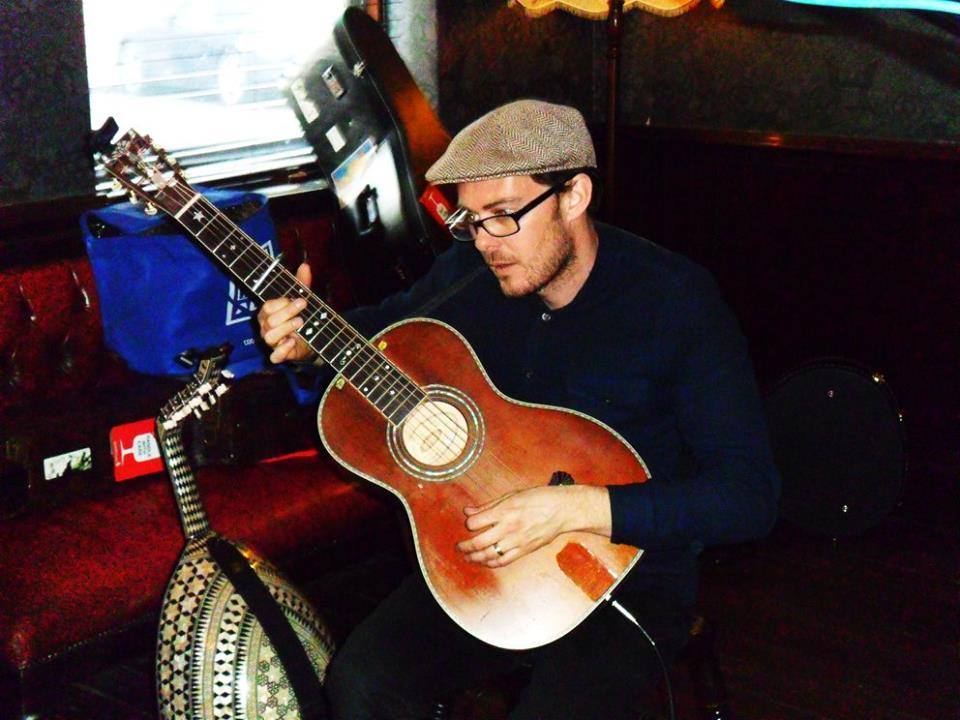
I guess like most young men at around the age of twelve I became obsessed with the guitar through the eighties Thrash scene. Was given an electric guitar for Christmas one year and soaked it in distortion and started playing bad lead and power chords. Started the Metal garage band in my parents Basement and everything developed from there. As I got older developed more of an interest in folk music, taught myself to finger pick and began writing songs. I got married when I was 28 and travelled to Vietnam for my Honeymoon. It was there that I began experimenting with more exotic stringed instruments and taught myself to play the Dan Bau Monochord, Oud ,and I purchased the Dulcitar from Timothy Renner (of Stone Breath).The Dulcitar is essentially a Dulcimer with a vibrating bridge that gives it the Sitar Twang. Timothy built it, quite genius really

When talking about the wide variety of instruments used and of muscical culture(s) that seem to have influenced you, I’m wondering if the album “The Christ Tree“ by The Trees Community that Timothy Renner re-released some years ago has had an impact on your work?
I Absolutely love that album by the Trees Community, and yes it has been a big influence on all things Trappist. My best friend Neil Sweeney gave me a vinyl rip on CDR around 2007 and I became quite obsessed with it. A year or 2 later I heard Timothy was doing the re-issue and was lucky enough to get the cd Box .All the bonus material is Great, although the Christ Tree itself still stands on it’s own.

I also particularly like the album “Christian Lucifer” by Perry Leopold and the album by Silmaril The Voyage of Icarus. But the list could go on.

Your first three albums have been self-released. Your fifth album is going to be released by Sunstone Records on vinyl. Is that for you a new stage in the evolution of the band?

I guess it is, not by choice though. When we initially started Trappist we were always on the lookout for like minded folk to put out our releases, but it wasn’t until we were approached by Nigel Spencer from Folk Police in Manchester that we had any offers. Nigel was starting a new label to put out less commercial folk music called Eleven Willows and the plan was to release our third album Beehive on Vinyl. Unfortunately the label folded before it got off the ground. We then were approached by Nathan Ford from New Zealand blog magazine the Active Listener to do a digital release of the album, which we did. The Active listener has been instrumental in helping us get more exposure and Nathan is a fantastic guy who helps so many bands. A true unsung hero of the underground psych scene at the moment.

From there we were lucky enough to be offered a release with Sunstone Records. Ant James,Will and Simon Norfolk run the label from Chester and Morecombe in the north west of England. They have been an amazing help and have become good friends. We have just released our latest album “Afterlander” and it sold out in 2 days in England, which really surprised me in a very wonderful way. I have a few copies for sale on the Trappist Bandcamp page but they are nearly all gone too.

One of the great thing about playing the kind of music that is quite niche is that you get to meet all these wonderful folks who truly are doing these labels,blogs etc for their love of it. I is such hard work and a very costly exercise for very little monetary reward. So people like Nathan Ford ,Ant James and Simon Norfolk are true pioneers in getting this sort of music out there during such a bad time in our musical history. At least in the sense of the industry. So Kudos to them and those like them.
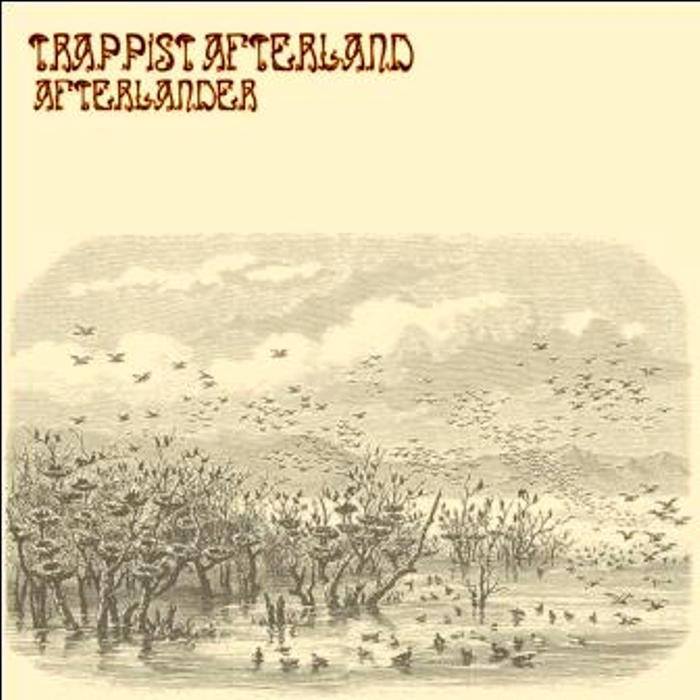
Your first albums were not only available as downloads but also as limited CD-Rs. What is your attitude towards physical releases?

For me Physical releases are very important, although very costly. Whenever we do an album I always ensure that we have some kind of physical stock usually in limited supply, again due to cost. Obviously vinyl is my favourite form but again it is incredibly costly. So CDR’s are usually the next best thing.

There are plans to release a split album with Stone Breath. Can you tell us how that started and if there is a concept/central idea behind it?

I have been a fan of Stone Breath for some time now, and approached Timothy to do a split 12 inch. Again due to the costly nature we have decided to do a split cassette instead, which should be out later in the year or early 2016.Both bands will be doing about 18 minutes of music per side.

When I was in my my late twenties I had come to the conclusion quite naively that when it came to strange folk music and psych that it had pretty much been done to death. And that no new music could even come close to the likes of COB,I.S.B etc etc. That was until I heard the likes of Stone Breath, In Gowan Ring and the early Six Organs albums. Those bands and others really re- invigorated me to continue doing the folk music I’d always loved. They seemed to have taken the elements from the first wave of Acid folk and created a very fresh and sincere new take on the genre.

I hope Trappist can do the same.

In some of your songs you can find traces of Oriental/Asian music. Apart from the fact that you play the oud and sometimes cooperate with a Chinese musician – do you draw some direct influence from non-Western music cultures? Is there some particular kind of Asian or Middle Eastern music that you enjoy?

I’m a massive fan of Gamelan music. A couple of years ago when Trappist first started there was talk of doing an album with the Melbourne Gamelan Orchestra. Adam Casey left shortly after we met with them and we never quite got to doing it. But I’d never rule it out in the future, as me and Adam always talk about doing music together in some form or another.

I’m also a big fan of Hamza el Din, although he is from Northern Africa. His Oud playing is out of this world. A few others of note…. Kan Mikami’s album ‘Barking Practice’ is great; Kazuki Tomokawa; Karuna Khyal; ‘Ghost’ from Japan (especially their early albums)…. not to mention the many excellent Middle Eastern albums. So many great records to be heard… too many to mention.

Maybe the slight Middle Eastern elements are somhow consequent in context with your interest in biblical subjects. Do you think that Western Christianity would benefit from discovering that its roots lie in a quite “exotic” ground?

I think the problem with western Christianity is that it has completely forgotten its roots – forgotten where it comes from. Throughout civilization, Christianity has been moulded by men, and as a Christian myself it can be hard to know which parts are of Christ and which parts have been twisted over the years by human interpretation. It’s a slippery slope – and can be very hard to get to some sort of clarity within that. But as we are talking about intangibles it is quite predictable that the human race especially western civilization has made quite a mess of it. Although, I’m not exactly innocent of it either over the years. We all play a part.

Let’s just say Jesus Christ has had a pretty bad PR team for the past 2000 years haha!

But like any ideology or belief system, there are always positives/negatives. Sometimes people and the media do focus on the negative and forget that amazing things have been achieved through it, As well as horrific things of course.Unfortunately sometimes the people doing unthinkable things truly believe they are doing the right thing.

You call yourself/yourselves “Xian“. What role does your belief play in the creating of your work(s)?
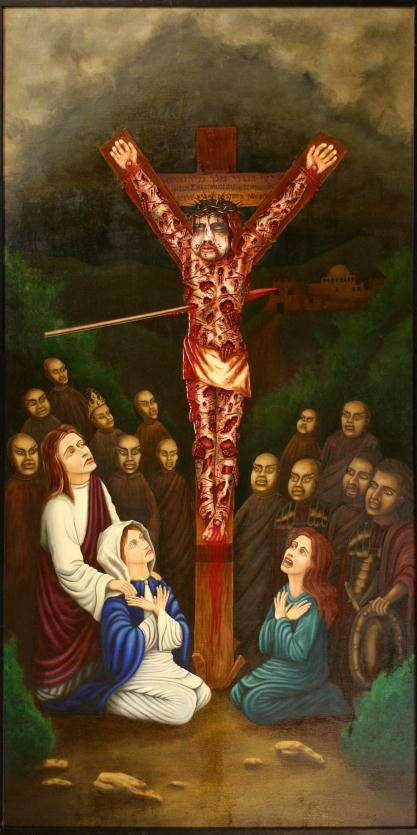
I have always loved those private press Xian albums such as Trees Community, Silmaril, Concrete Rubber Band ,Caedmon etc, and I guess I am a Christian.

Although to some extent I hesitate to call myself Christian in a traditional sense. Especially since I do tend to struggle with the Evangelical movement, the Catholic Church and other denominations for different reasons. But at the same time it is very challenging as a big part of being Christian is to partake in community. But quite frankly the communities and a lot of their archaic ideas completely rub me the wrong way. So for me at least at the moment it is complicated HaHa!

As for its influence on the songs… It is for me, a huge part of what Trappist is about, although the rest of the band don’t share my beliefs. Myself being the songwriter though shows me how open and sympathetic to the cause my bandmates are, and I’m lucky to have them.

Not only in the music, also in your content you show great interest in somehow heretic sidepaths, as nyou deal with John Dee, Franz von Assisi and a number of apocryphal/gnostic scriptures. Would you find it too negative to say that in (religious and cultural) history, some things went terribly wrong? Or is this the way you see things? Do you have some kind of message when referring to these topics?

I guess to start, A few years back I got very interested in the story of John Dee. I Especially got very intrigued by his supposed Angelic contact through his scrying sessions .But in all honesty it had a profoundly negative effect on my psyche.

I became quite obsessed with all the symbolism he transcribed via these angelic interaction, Enochism and particularly the Sigillum Æmeth pentacle.

I won’t go into to much detail as it is quite personal thing, but I can say it was a very dark time in my life which even effected my marriage for a short time .I still to this day don’t quite understand what happened, but I will never get so involved in such a thing again.

These interactions surely were the downfall of John himself. So I doubt that there was anything Angelic about the connections he made during the Scrying sessions.

The album “The five wounds of Francis Minor” I guess was a concept album comparing the life of John Dee and Francis of Assisi.

Both men were very obsessed with connecting with divinity and were both extremely devout. But both of them went on very different paths trying to find connections.

In my opinion Saint Francis took the right path and was rewarded for it .To such an extent that he became the first man to suffer the Stigmata,Which I know sounds like very morbid reward, but I think it is the greatest honour a human being can be bestowed.

I am also very interested in all scripture and find the Gnostic gospels very beautiful and especially interesting. But as with all supposed holy doctrine I think needs to be read with caution, and a big grain of salt haha.

Taken in the wrong context can have hideous consequences, such as the Church and societys treatment of homosexuals amongst many other things. Sometimes people use scripture to justify being bigoted arseholes sadly. And the list goes on unfortunately.

But in saying all this I am still very interested in Christian mysticism and do believe it has played a very important role in shaping our understanding of the world, and the world to come. I just think John Dee was played and suffered a tragic life because of it.
On your album “Like A Beehive, The Hill Was Alive“ there is as song called “The Golden Bough“, I guess alluding to James George Frazer’s study of the same name. Why did you choose to refer to that particular work?

My best friend and sometimes songwriting partner Neil Sweeney gave me the book when I was visiting him in New York City. His idea was for us to write a bunch of songs about the book and putting it out as an album.

We never finished the project, and the golden bough was one track I wrote for it.

Neil and I are planning on doing an album together very soon. Neil is an incredible outsider folk singer/ songwriter out of Baltimore, i’m very much looking forward to working with him again.

In the song “Lucifer Mosquito” you sing about Genesis and original sin in a way that differs much from the common Biblic narrative. What kind of story is it, that you tell there?

Basically the song and story of “Lucifer Mosquito” was a dream I had one night. Quite an absurd dream really. It is essentially an alternative version of the Fall of Adam and Eve.Instead of them being tempted by the serpent in Eden, Adam sees a mosquito suck the blood from a pig, which gives him the idea to give up his vegetarian ways and slay the animals(in this instance the pig) to eat it.

Hence it is in a sense the beginning of the fall of man once Adam takes part in this violent act. Some theologians believe that before the fall, Man was vegetarian and after our expulsion from the Garden we began our carnivores ways.

Let me stress though, I am not in any way a creationist and I just found the dream to be so tripped out that I had to write a song about it haha.

I look at Genesis in the same way as I look at the Book of Revelation.

Stories written in an almost fable like way to explain Gods relationship with Humanity. From these stories we learn lessons, but they should never be taken Literally.

And amazing stories they are! including Noah’s Ark.

What can you tell us about folk and psychedelic music in Australia and Melbourne? Are you part of a local scene?

To be honest the Scene in Melbourne is fairly small, although I don’t tend to wander out much, so i’m probably not exactly an expert on the music being played in Melbourne .

We play around Melbourne fairly sporadically and there is new scene of young folk that seem to be inspired by some of the new psych bands that are around at the moment.

A lot of shoegazer type psyche bands with Brian Jonestown Massacre reverb drenched style sounds.

I particularly like a band from Melbourne called the Citradels. Their sound reminds me a bit of the Outsiders and seem to dabble in more Eastern inspired Psyche jams.

Do you think that the passing of Camera Obscura founder Tony Dale left a big gap in Australia’s folk music?

I never had the pleasure of meeting Tony Dale although I loved and still listen to stuff on Camera Obscura. It was very sad when Tony passed and I know a lot of people who knew him, including my best mate Neil Sweeney and the lovely guys at Vicious Sloth collectables. Those guys have been real supportive of Trappist and they are lovely guys.

I think a big gap has been left in the Psych scene in general all over the world since Tony’s passing. Tony Championed and gained exposure for so many great obscure bands over the years.

It’s always the good ones that leave us sadly.

(M.G. & U.S.)

top photo: Alan Davidson (Kitchen Cynics)

painting: Norbert H Cox

Trappist Afterland Band @ Bandcamp

Trappist Afterland Band @ Facebook

JOEL LANE: The Anniversary Of Never

Unter den jüngeren Autoren der weird fiction scheint der 2013 relativ jung verstorbene Joel Lane ein Chronist der Versehrten, ein Archivar des Verlusts zu sein: „Personal loss is an important literary theme and one that I return to quite often“ sagte er in einem Interview, das ich vor zwei Jahren mit ihm führte. Wenn in (s)einem in The Socialist veröffentlichten Text über Noir-Romane Lane davon spricht, dass es sich bei diesen Texten um „literature of despair, paranoia and alienation” handle, dann kann man das zumindest partiell auch als eine Beschreibung seiner Literatur(en) verstehen. Weiterlesen →

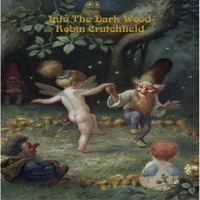
ROBIN CRUTCHFIELD: Into The Dark Wood

Zum inzwischen fünften Mal widmet sich der ehemalige Dark Day-Musiker seinen „acoustic glissando and drone soundscapes for the daydreamers of the world “, seinen minimalistischen und repetetiven Harfenminiaturen für „fairie folk“, „friends in the enchanted otherworld“ und „hidden folk“, die gerne auch einmal „toadstool soup“ zu sich nehmen. Nach Ausflügen zu Dark Holler und Important Records veröffentlicht Crutchfield seine Reise „in den dunklen Wald“ im Eigenverlag auf seinem Minilabel Nigh Eve Recordings lediglich als Download. Weiterlesen →

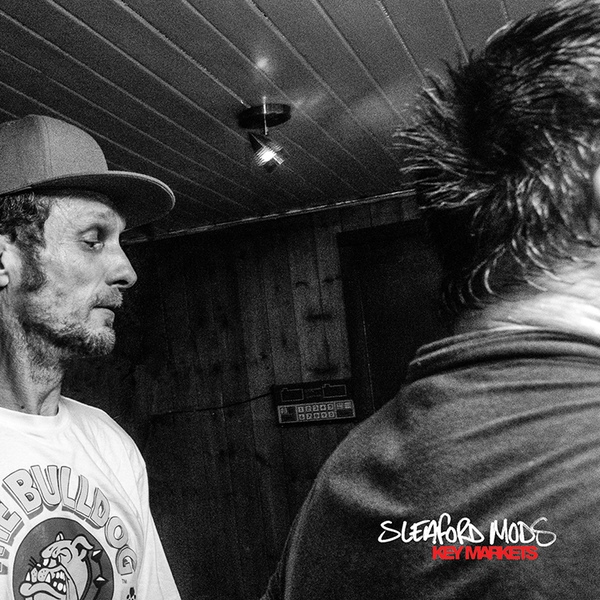
SLEAFORD MODS: Key Markets

Jüngst noch vom Observer als „one of 2014’s least likely success stories” tituliert, so haben die Sleaford Mods es tatsächlich seit der Veröffentlichung ihres letzten Albums „Divide and Exit“ in nahezu jedes Presseerzeugnis geschafft: Von Zeit bis TV Spielfilm preist man das Duo als – so lautet das gäng(st)ige Narrativ –  diejenigen, die den gegenwärtigen Zustand der „sceptered isle“ am genauesten sezieren. Inzwischen haben die Sleaford Mods sogar Glastonbury gespielt (auch wenn es offenbar nicht sehr viel Spaß gemacht hat). Der Opener „Live Tonight“ mit seinem Chor aus grölenden Fans wie auch der Titel scheinen den jüngsten Erfolg zu ironisieren. Weiterlesen →

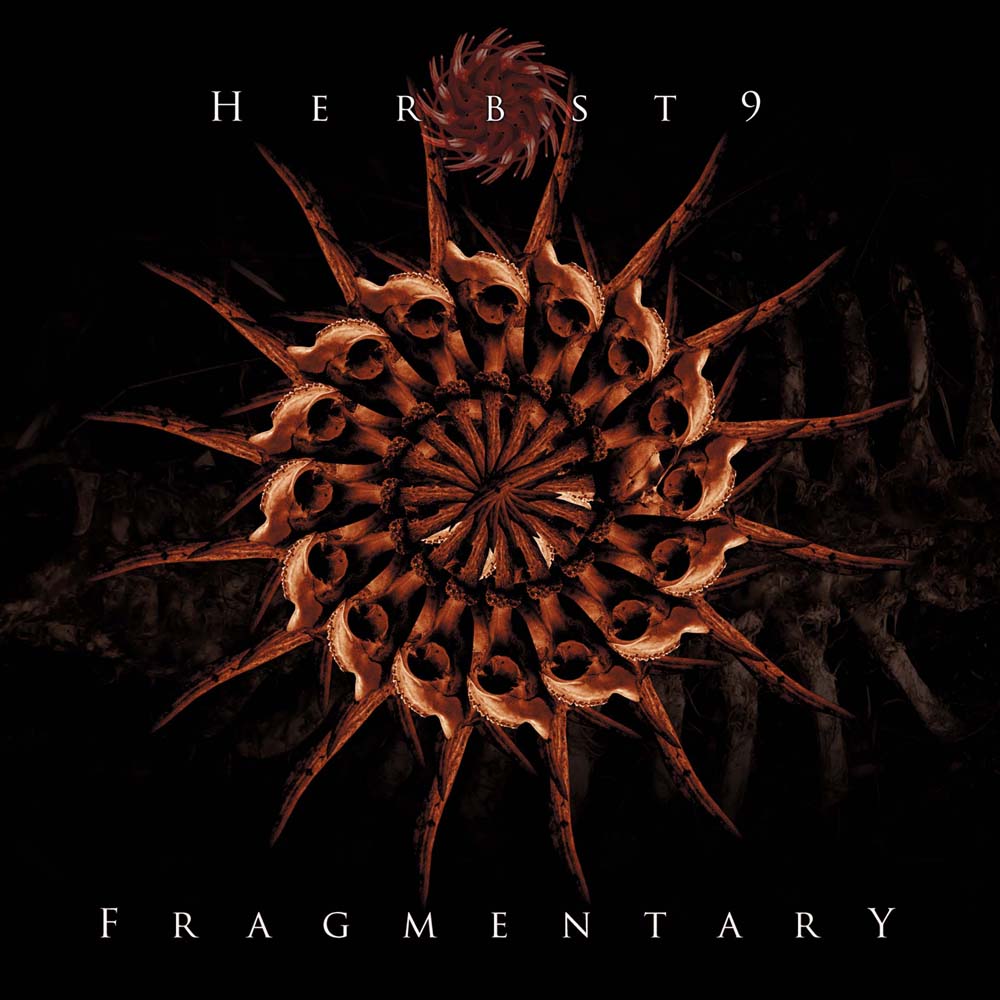
HERBST9: Fragmentary

Das Doppelalbum „Fragmentary“ lässt sich als Livedokument wie auch als eine Art Werkschau des deutschen Duos betrachten, denn die 16 Tracks (inklusive fünf bislang unveröffentlichter Stücke) stammen so in etwa aus jeder Schaffensphase. Der dunkle Ambient, den Herbst 9 seit Ende der 90er auf einer Reihe von Alben gespielt haben, wurde durch Artwork und Titelgebung in Regionen verortet, die zeitlich und örtlich weit entfernt von unserem Habitat sind, Weiterlesen →

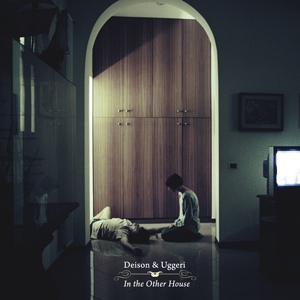
DEISON & UGGERI: In the Other House

Der Topos des Spukhauses findet sich in den meisten Medien – oder wie es bezogen auf den Film Georg Seeßlen und Fernand Jung formulieren: „Vom verdammten Haus zu erzählen scheint dem Kino von Anfang an aufgetragen.“ In der Literatur hat Mark Z. Danielewski mit House of Leaves vielleicht einen postmodernen Endpunkt gesetzt und in der Musik war es der Ambient, der die Beschallung von Räumen teils im Titel trug (vgl. Brian Eno) und dessen uneheliches Kind das Attribut „Dark“ verwendete, um finsterste, nicht immer ganz klischeefreie Evokationen von unheilvollen Orten zu erzeugen. Weiterlesen →

TIMEMOTHEYE & THE SPECTRAL LIGHT: Grave Needs

In einem vor einiger Zeit veröffentlichten Interview sprach Timothy Renner davon, dass das Introspektive von Stone Breath, die Thematisierung von Spiritualität, langsam an einen Endpunkt komme, sich sein Schreiben verändere und er gab zu, dass die politischen Texte, die er mit seinem Crossoverprojekt Albatwitch schreibe, augenblicklich von ihm als „dringender” – vielleicht möchte man sagen “drängender” – empfunden würden. Weiterlesen →

CONTROLLED BLEEDING & SPARKLE IN GREY: Perversions of the Aging Savant

Vergangenes Jahr konnte man auf der Facebook-Seite Controlled Bleedings einen Post von Paul Lemos lesen, in dem dieser das Ende der Band verkündete, zu frustriert schien er darüber zu sein, dass das Publikum die vielen musikalischen Ha(c)kenschläge nicht (mehr) mitzumachen schien. Kurz darauf verschwand dieser Post wieder und nun melden sich Controlled Bleeding mit einer Split-CD mit Sparkle In Grey zurück, auf der man den Eindruck hat, mit den hier versammelten Tracks wolle Lemos zeigen, dass er sich um Erwart(ungshalt)ungen und Kohärenz noch immer nicht schert. Weiterlesen →

BABY DEE: I Am A Stick

Baby Dee hatte sich in den letzten Jahren – zumindest im Studio – stimmlich etwas zurückgenommen. War ihr letztes Album „Regifted Light“ zum Großteil instrumental, überließ sie auf „State of Grace“, ihrer Zusammenarbeit mit Little Annie, dieser weitgehend das Mikrofon, um schließlich, ganz unter Pseudonym versteckt (was vielleicht ein Grund dafür war, dass das Album kaum medialen Widerhall erfuhr), die Orgel spielte, während Eliot Bates seine Oud zupfte. Weiterlesen →

CHARLEMAGNE PALESTINE: Ssingggg Sschlllingg Sshpppingg

Bei einem Künstler wie Charlemagne Palestine besteht immer die Gefahr, dass man sich mehr auf den Überbau als auf das Eigentliche konzentriert, will sagen, dass man ihn auf die Rolle des outsider artists reduziert, auf den skurrilen Mann mit Hut, Cognac und enormer Plüschtier(an)sammlung – von denen einige wie schon bei anderen Veröffentlichungen auch das Cover des unaussprechlich betitelten neuen Albums zieren und das den Eindruck erweckt, hier sei diesen Kinderspielzeugen ein Altar errichtet worden, die Sakralisierung des Profanen also. Weiterlesen →

Adventures in atmospheric sound design: Interview mit Joseph Curwen

Das nach einer Figur aus H. P. Lovecrafts Roman The Case of Charles Dexter Ward benannte und in Newcastle upon Tyne beheimatete Einmannprojekt situiert sich selbst im weiten Feld von „Post-Rave Hauntology Rituals and Radiophonic Occult Synth Horror Soundtracks“ (die Genese des Begriffs wird im Interview erläutert), man könnte auch sagen im Spannungsfeld von (ewigen) Drones und melodischen Soundcapes, die inzwischen auch schon mal von Beats durchzogen werden. Dabei sprengen die (meist digitalen) Veröffentlichungen manchmal den Rahmen eines herkömmlichen Tonträgers, etwa dann, wenn Weiterlesen →

Adventures in atmospheric sound design: Interview with Joseph Curwen

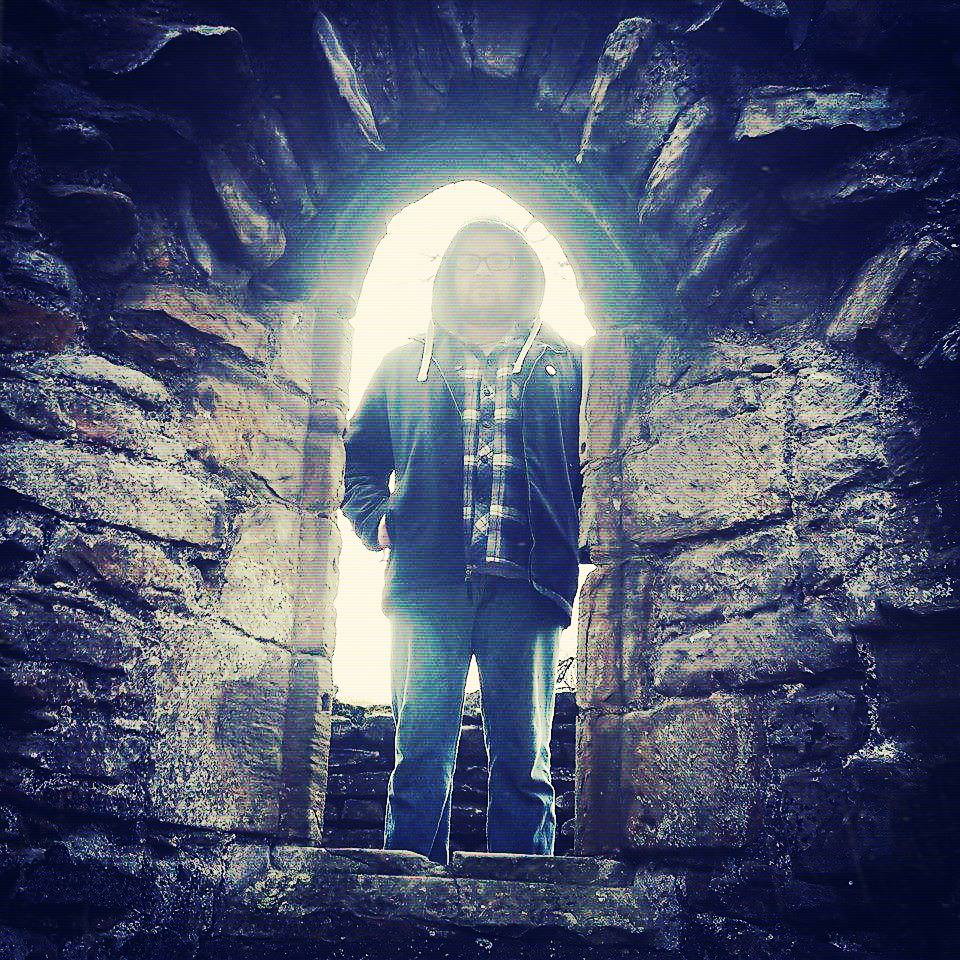
Let’s start with the origin of your project. Is Joseph Curwen the first project or have you played in other projects/bands before? What kinds of music/sound did you grow up with?

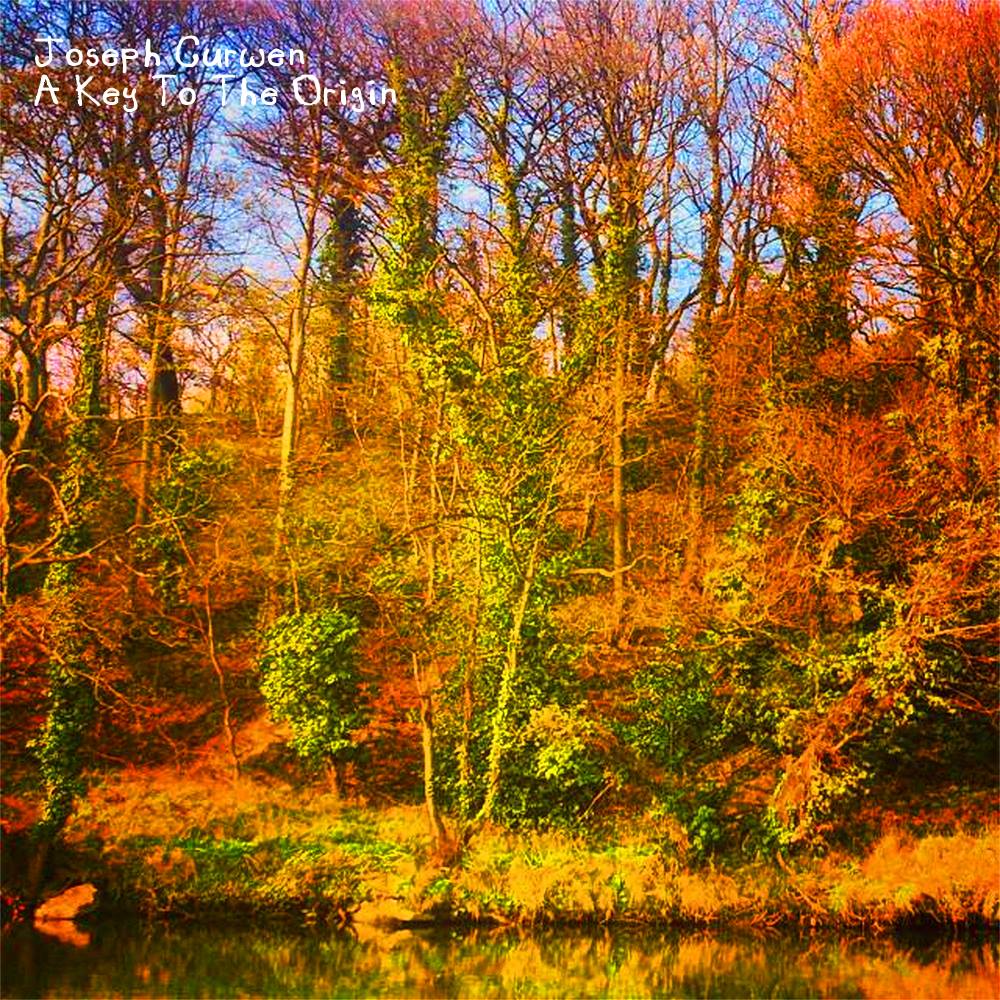
I was lucky enough to be raised in a musical household. I grew up surrounded by 70s rock and psych records, and an old upright piano. I grew up in a tiny village in County Durham in the early 90s, and was exposed to rave culture at a young age. Most of the kids I went to school with had older siblings and parents that regularly went raving, so techno and rave tape packs would always be playing when I went to people’s houses. I remember the sense of shock felt when there was an ecstasy death in the village. This instilled in me the dichotomy between euphoria and nostalgia inherent in a lot of dance music. I’ve always been interested in bass heavy music of all genres, including a life long fascination with heavy metal. I played bass for years in many many bands, and was aware that audiences react to low frequencies in primal ways, from crippling doom bands to wedding function bands, the physicality of bass is always there. All any of us are is the sum of our experiences, so I’ve assimilated my love of drone and rave/dance into something I call post-rave hauntology rituals. I call it this as a way of visiting my personal and musical experiences of the past in a performative way. As Joseph Curwen I’ve also worked with The Dead End Street Band and CHONYID. I really enjoy creating by myself as I can plan meticulously the way sounds weave and interact with each other, but when playing with others I appreciate the opportunity to manipulate sounds on the fly, and react to those around me. I have a great satisfaction doing both. My latest album “A Key To The Origin” is I feel the closest I’ve got to a pure post-rave hauntology ritual since I first envisaged Joseph Curwen a couple of years ago, hence the title.

I think given your project name and titles of releases we have to talk about HPL. How was your first encounter with his works? Given your interst in the man from Providence I was wondering if you’ve followed the recent heated debate whether the World Fantasy Award statuette that portrays him should be replaced by somebody else beause of his views (on race etc.) and S.T. Joshi’s recent posts in which he tries to defend Lovecraft. How do you feel about that discussion?

I first encountered HP Lovecraft as a teenager, when I discovered a lot of my favourite heavy metal musicians were inspired by his writings. I bought a compilation of his works called “Necronominocon” and devoured it with relish. I felt like my initial experiments with drone had a weird sense of dread to them, so dedicating the project to his take on what we can never genuinely know from half-dreams and memories felt natural.

I personally don’t subscribe to Lovecraft’s views on race, but I am wise enough to appreciate he was of his time, and a lot of people from that era would have held views on other people that today seem backward and unnecessary.

Do you think there is something like the core substance or essence of Lovecraft’s fiction (Joshi would maybe emphasize his cosmicism), and if yes, how would you describe it? What makes his fiction outstanding for you, compared to other writers? How did you come up with the idea of handeling your fascination for supernatural horror and Lovecraft in a work of its own?

I have always appreciated Lovecraft’s sense of the genuine unknown in his stories, and think that no one has come close to describing the cosmos in such a weird way. There are significant activities in the Universe we as human beings will never understand, whether you believe in monsters in the sky or subscribe to accepted scientific thought. I try to instill this sort of uncomfortable atmosphere in my music, like you’re listening to a recording of a dream you had about a musical memory. A lot of his stories feature seemingly normal people thrown into berserk situations, and I’ve always related to that.

What is your attitude towards the attempts of the HPL-historical society to create films and radioplays that reflect the times when the stories were written, i.e. using a medium like the silent film or the black-and-white film? I’m asking because you have a very striking aesthetic. I think one immediately recognizes your releases due to their use of colour(s). And you certainly did not go for some kind of retrodesign. Can you say a few words about that?

I can see the appeal of trying to emulate an atmosphere that HP Lovecraft would recognise, and sometimes putting artistic restrictions on yourself is a great way of being creative with what you are working with. I have always been a fan of technology, and my work as Joseph Curwen is a reflection of this. I appreciate that you’ve mentioned I have a striking aesthetic, as I spend a long time on each cover, ensuring it reflects the corresponding music properly. My use of colour is from my love of colour. I like to think my music is as vivid as the album covers.

In your self description you use the popular term hauntology. The philosopher Derrida once invented this term to describe a certain ambivalent twist in contemporary western mind – political ideologies seemed to have disappeared from our mainstream, but secretly they still haunt the subconscious of western man. Do you have a relation to this use of the term, or does it rather refer to a more general interest in aspects of haunting?

I’ve only recently looked into Derrida’s writings, but I do think he puts forward a compelling idea. Everyone is haunted in some way, from memories of the distant past, to stories they’ve been told by other people, to subconscious survival stuff passed down by our ancestors. We’re all a blend of genetics and history, with actual and perceived experiences passing us by every day, so who is to say what the subconscious mind actually holds? The term Hauntology has been bastardised for all sorts of reasons by many people. My personal take on it is to look back at musical movements important to me throughout my life, and explore them as doorways to my own past, through exploratory sound design using the wisdom of who I am now. A lot of my recent material has explored my love of dance music, in particular the rave culture of the early 90s, and investigates the idea that euphoric music can often be haunted by something dark and evil. As a child in the early 90s I felt like anything was possible, and a lot of the music of that time that I was exposed to felt like it was heralding a new dawn of utopia for mankind. Obviously what those people were aiming for never transpired, so everyone who enjoyed it at the time is now haunted (in some form) by it. I hope I’ve managed to create music that emulates the ghost of dance music in a way, the euphoria of the past have dissolved into something anxious and unnerving.

What can you tell us about your way of writing, improvising and recording music? Do you follow a spontaneous approach, or do you prefer to compose in a way that allows you more control?

The earliest days of the project were very structured, and were mainly experiments in digital bass weight. I’m proud of the early pure drone material, but feel like I took it as far as I could. As the project has evolved, and I’ve learnt more and more about digital audio technology, my writing approach has developed aspects that are a lot more spontaneous. I still meticulously plan out a lot of the structure, and carefully map out how the drones interact with each other, but now I can take small samples of music, and manipulate them beyond recognition in real time, adding them to the drones as a means to be more cinematic and evocative. My work in The Dead End Street Band and CHONYID has taught me a lot about layering textures, and creating atmosphere with more evolving and varied sounds. Joseph Curwen is a constantly evolving process, and can be viewed as my research into audio technology and sound design. I am a degree carrying devotee of Mathematics, so a lot of my enjoyment comes from ensuring my choice of effects and compressors etc. are mathematically sound for maximum sonic impact or effect. I subscribe to the idea that maximum volume yields maximum results, and appreciate that some of my material can get quite brutal, but I hope listeners can enjoy my albums as adventures in atmospheric sound design.

How long does it take you to record an album like for instance “Lurking Fear”? Some of your recordings are released in tiny quantities (of tapes), others like the abovementioned “Lurking Fear“ or “Blasphemous Alliance“ most certainly defy any possibility of releasing them in a physical format. Do you feel that our digital age has freed artists from the constraints of the (physical) medium? I guess the number of listeners that play such an album as a whole in full concentration is limited. Would such a long release serve as a background ambience?

Lurking fear took about 36 hours in real time to write, record, and process. It was originally intended as an art installation, which eventually mutated into Lurking Fear 2: Starling Shadows. I appreciate that some of my recent digital releases have been obnoxiously long, but drone music is supposed to invoke an atmosphere, and I am certain that both Blasphemous Alliance and Lurking Fear do that. I know certain members of my core fan base have listened to both of them in their entirety. I like that digital outlets such as Bandcamp allow artists to present albums as long as they see fit, but physical formats such as cassettes allow a more personal connection to occur between the artist and listener. I use Bandcamp as it allows me to instantly upload and distribute my music to my fans, allowing me to directly contact them.

I feel that some of your music is similar to the mood that e.g. somebody like The Caretaker tries to create. Do you feel a (kind of) kinship to other artists who work in a similar field?

I have been likened to The Caretaker before, as well as artists like Lustmord and Aphex Twin. I always appreciate being compared to artists I respect, as well as others I can newly discover. I feel kinship to anyone that is being musically creative. I don’t aspire to be like anyone else. I make music as Joseph Curwen because it is the music I want to listen to, the fact that others have really bonded with it and listen to it as well is an awesome bonus.

What is the relationship between those recordings that have some kind of beat and those that focus more on soundscapes? On your bandcamp site you can find some live recordings. Is there something like a typical Joseph Curwen performance? Do you make use of visuals?

I started out purely doing soundscapes because I wanted to explore texture and timbre within drone. I’ve always been a massive fan of techno so started to experiment with beats as a means of making the drones easier to digest. I think if there’s something for the listener to grasp, a thread that runs throughout the “narrative”, they’re more likely to get pulled into the atmosphere I’m trying to create. Since introducing beats and rhythmic textures in Curwen I’ve started making music as Granite Portal so I can fully explore my enthusiasm for jungle and gabba rhythms, and utilise repeating phrases and more dance floor orientated structures.


When performing live, I like to expose people to what Joseph Curwen is, as loud as possible. A typical Curwen gig involves me preparing some material in advance for further exploration, then in effect DJing my own drones, bringing different timbres and shards in and out of the mix as a reaction to the audience and the room I’m in. I can then manipulate effects in real time for extra timbres and effects. I tend to revert to a primal state when performing live, and let myself get completely lost in the noise. Some sets are very similar to practise runs, other have come out completely differently. I guess that could be called the ritualistic aspect to the music. I enjoy the use of visuals as a means of further filtering the audience towards the atmosphere I’m trying to create with the music. I am comfortable performing without visuals, but an accompanying video is a lot more entertaining to watch than a man behind a laptop.

Any final words?

Please check out https://josephcurwen.bandcamp.com/ and if you like any of it, please consider supporting me.

If you like what you hear or fancy getting in touch, I’m on Twitter as @curwendrone.

All digital noise intended, thank you for listening.

Also:

Granite Portal: https://graniteportal.bandcamp.com/
Dead End Street Band: https://thedeadendstreetband.bandcamp.com/
CHONYID: https://chonyid.bandcamp.com/

(M.G. & U.S.)

SHARRON KRAUS: Friends and Enemies, Lovers and Strangers

Sharron Kraus hat in ihrer umfangreichen Diskographie Folk in verschiedensten Ausprägungen gespielt – ob sie als Interpretin ihrer eigenen Stücke „Lieder der Liebe und des Verlusts“ sang oder Traditionals („Songs for the Twins“) interpretierte, selbstgeschriebene („Right Wantonly A-Mumming“) und fremde (wie etwa auf „Winter Songs“ zusammen mit Harriet Earis) die Jahreszeiten thematisierenden Alben aufnahm oder mit Christian Kiefer auf „The Black Dove“ improvisierte, immer konnte man eine Musikerin erleben, die sich musikalischer Traditionen bewusst war – und sie deswegen auch aufbrechen konnte. Weiterlesen →

KE/HIL: Zone 0

B. Moloch und W. Herich sind beide seit Jahrzehnten im Bereich atonaler, analoger, oft transgressiver Musik tätig und debütierten als Ke/Hil – eine Wortschöpfung aus den bürgerlichen (Nach-)Namen der beiden – 2010 mit „Hellstation“, auf dem unter dem Motto „Music for the Prekariat“ [sic] die Stadt als desolater Ort des Verfalls (re)präsentiert wurde: Schwarz-weiße Bilder zeigten Unterführungen, die an Gaspar Noés pièce de résistance Irreversible denken ließen, Haltestellen waren außer Betrieb und das Titelstück des Albums war Ke/Hils Interpretation von Monte Cazazzas „Stairway To Hell“ und ließ sich durchaus programmatisch verstehen. Weiterlesen →

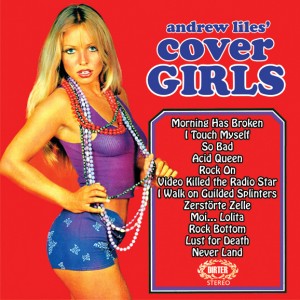
ANDREW LILES: Cover Girls

Im Vergleich zu Steven Stapleton, den Liles seit Jahren sowohl live als auch im Studio unterstützt, ist letzterer sicher stärker am Song orientiert, an Songs interessiert und hat sich im Verlauf der Jahre an verschiedensten Genres/Musiken abgearbeitet, z.B. Metal. Dabei ist man bei seinen (Re-)Interpetationen vielleicht versucht von Dekonstruktionen zu sprechen, wobei da der semantische Resonanzraum vielleicht zu groß ist. Aber dazu später mehr. Weiterlesen →

When the borders become fuzzy: Interview mit Compound Eye

Die beiden Musiker, die sich hinter der Hommage an das Seltsame des Facettenauges verstecken, haben zusammen einen umfangreichen musikalischen Stammbaum: Tres Warren hat mit den Psychic Ills Psychrock eine neue Dimension gegeben und im Kopf der Zuhörenden „Hazed Dreams“ entstehen lassen, Drew McDowall hat mit seiner damaligen Frau Rose Anfang der 80er The Poems gegründet, als Captain Sons and Daughters mit Kara Bohnenstiel akustische und elektronische Instrumente dröhnen lassen und war eine Reihe von Jahren Mitglied von Coil. Als Compound Eye Weiterlesen →

When the borders become fuzzy: Interview with Compound Eye

Maybe we can start with a rather tedious question but maybe you could say a few words about how you actually started Compound Eye?

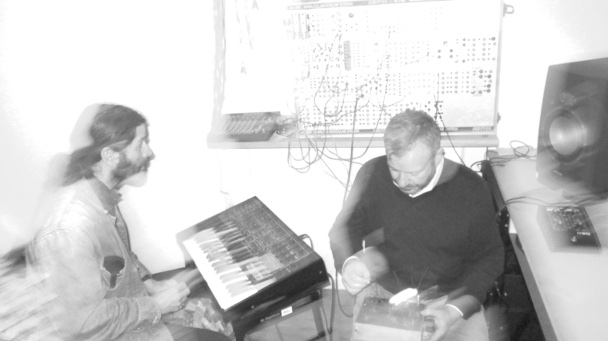
D.: Tres and I were friends. We had met through mutual friends and from seeing Psychic Ills. I am a huge fan and it was one of those things: We were talking and we said we should collaborate on something and it was a slow process. I think the first record that we did, the Spring Press record, came out in 2010 [ actually 2012] and I think we started in 2007. You know we did these tentative steps just getting together and viewing each other and our different working methodologies and just took it from there. Even though we come from different types of music and maybe different backgrounds, there’s a similarity, an experimental similarity that was good common ground.

Talking about experimental music, I think your first record [„Origin of Silence“] fetches quite high prices.

We will try to encourage a repress but Jeffrey Burch likes these limited, these beautiful art editions, so he probably won’t repress and it will get more and more expensive. It wasn’t even available digitally either. No digital download, so the only way is if someone physically burns it when they are playing it.

When I got the last record ["Journey From Anywhere“] I thought of the bandname, and the associations I had were that it is about different perspectives, different approaches. Is that too far-fetched, or…?

No, you definitely nailed it. I mean just in a more fundamental level it was just really an appreciation of the compound eye, how fucking weird something like that is. The analogues and the metaphors built from there. First of all it was how strange is reality; nature is the strangest thing and it never ever stops being astonishingly weird, something like a compound eye, you know like an insect’s eye. And also to try and imagine what it’s like to perceive that’s truly other. I can’t remember who said that: I don’t want to imagine what it’s like to be a bat, I want to imagine what’s it like for a bat to be a bat.

When you mention these things, would you say that the type of music you do is something to alter perception, to cleanse the doors of perception to quote Blake.

I mean to me that should be your starting point for making music. I mean just for me personally. That should be step one. Starting off with a blank slate and then adding that. If music isn’t altering perception, for me as a creator it doesn’t interest me. You know “Journey from anywhere, journey to nowhere.“

Can titles guide the listeners?

When you say “guide the listener“, you don’t want something that just sounds good. That you slap on top of the piece of music. That’s the easiest thing in the world. It should really strongly identify with the music but also, if possible, enhance. Sometimes the title exists before the piece of music. The title should give you a little peek beetween the veil, cracking open a a little bit, getting some idea. You don’t wanna be literal about your intentions. It should be some kind of signpost. You know taking some randon word and the extracting from that. The Burroughs thing: How random is random? That was a bit of a touchstone.

Would you say that this idea of randomness also applies to some of your compositions? On your last album there’s a track which is called a “cut-up composition“.

Yeah, yeah, we do that. Th cut up-thing. When we do that, we don’t do that very much. That would be in the editing process, it may be fairly random, like taking cut ups and seeing what happens. But even in the composition process there’s a lot of randomness, a lot of instability, some of the processes that we use, with the modular synths, the modular synthesizer is hugely random. And the way that we use it there’s a lot of random and a lot of stochaistic processes. So randomness but constrained within certain parameters.

Did any random element enter tonight’s show because of your limitations because some instruments were missing?

(laughing) We had finally got all of the instruments, even at the last minute I was running around on stage but some of the cables that we had weren’t there so we just had to make do. And some of the patching didn’t happen. We were keeping our fingers crossed. There’s a fine line between disaster and whatever the opposite of disaster is. (laughing) That’s why I like doing it the way we are doing it. That there’s a bounce on that knife edge of chaos and instability. You walk that fine line and any moment you can just fall on your face. (laughing). It’s fun. It keeps your heart going. You don’t need coffee (laughing).

How do you you feel then about music that is in live sitauations mainly done with a laptop?

It depends who’s doing it. What’s his name again? Who was on before. [Sote] From speaking to him beforehand… The worst thing I think you can do is to go on stage and just hit play. That just is so boring. But he was clearly doing a lot of real-time manipulation. That’s by its nature interesting. Generally I’m not a huge fan of having a laptop on stage or partucarly watching anyone. I don’t know why it is, it just always, it’s probabaly it has been abused for so long and not in a good way, but basically people coming and doing playback.

A couple of years ago Ivan Pavlov [COH] played in Rankfurt and he projected what he was doing onto a screen so everybody could see what he was doing with his laptop. To make it more transparent. And we briefly talked about the Sleaford Mods [before the interview]. It seems to be an honest way of doing it, hitting the button and not pretending to do something else, just standing there and drinking beer.

Yeah, that’s part of the performance. I want to talk about both Ivan and Sleaford Mods. With Sleaford Mods, it’s Jason Williamson, and I forget the name of the other guy, that’s part of it, standing there, drinking beer, it’ just genius, they may not do it for very much longer, but that works because it’s so deliberate. It’s not like: Ok I wanna do it but I don’t know how to do it, so I just gonna bring a laptop. You know it’s really part of it. And with Ivan. Ivan is so belligerantly (laughing) pro laptop you can’t even touch it (laughing). I love him dearly. In New York he did a performance and a q & a afterwards. And someone (laughing), someone dared, I felt so bad for this person, to ask him what software he used and he was just like “that’s like asking a guitarist what kind of strings he uses. That’s the most boring question anyone could imagine.“ He can defend his position better than anyone. And I admire that and he doesn’t even pretend to have a performative aspect. He doesn’t look busy and is not trying as if he is wrestling with the laptop. There are very slow deliberate movemnets. But it’s not something I would want to do. But I like that you brought up these two people. And it turned into this kind of anti-laptop thing. (laughing). [To Tres] You’ve never used laptops.

T: No.

I think maybe with Captain Sons and Daughters the very first performance we did, I can’t remember. I think we used it for rehearsals.

Now that you’ve mentioned an earlier project of yours and that there are some similarities that led to Compound Eye. Would you say that these earlier projects are still relevant to you? Are there projects where you would say that they played a very importnt role in your musical development while others were more tentaive steps?

Well, obviously Coil was… You can never get away from that. It’s something that’s part of me. There’s something in working with them that gave birth to a certain methodology. Some process that just does never go away. So that’s something and then going back to the very first band that was The Poems, you know we used tape-manipulation and cut-up tapes. I was 16 and cutting up making tapeloops. I think with Tres and Pschic Ills you guys have gone through many iterations. A common thread. But at some point… I remember seeing Psychic Ills once and it was flowing into a dark lysergic hole, it was like falling into a black hole of trippiness. That’s reflected in Compound Eye. But also Captain Sons and Daughters stuff. It’s all connected.

I recently saw a video of a Captain Sons and Daughters-performance on youtube and I could hear some similarities.

I think I had a modular but I was playing guitar. I like it when the borders become fuzzy and it’s not so easy to delineate. This is a person’s project under this name. It’s nice when it blurs.

I started with the origin of the band so at the end I would like to talk about future plans, recordings, stuff like that.

We’re gonna continue. We gonna record another album. Tres is recording a Psychic Ills-album and I’m doing a soloalbum. But once we finish with those we start doing the next Compound Eye-album. It would be some elements of what we did tonight. The last album, every track is different but there’s some unifying themes. It will be the same thing. A variation..

The last track tonight had some rhythmic elements.

Yeah, that’s definitely something that we’re gonna explore.

(M.G.)

Discogs

PRAIRIE: Like A Pack Of Hounds

Wenn man bedenkt, dass Postrock -wie die Vorsilbe impliziert- (auch) eine Überwindung des als schematisch empfundenen Rock war, ist dessen Halbwertszeit nicht ganz so lang gewesen, führte (natürlich unweigerlich) zu Ermüdungserscheinungen, wie so immer, wenn Genres von der Peripherie ins Zentrum rücken und drängen. Weiterlesen →

JOHN CARPENTER: Lost Themes

Sieht man von Bernard Herrmanns – ein Filmkomponist, den John Carpenter in einem Interview einmal als wichtige Inspiration angab – atonalen Violinen für die Duschszene in Psycho ab, so ist die Halloweentitelmelodie im 5/4-Takt vielleicht das bekannteste Stück Musik, das je einen Horrofilm untermalte. Nur wenige Töne genügen, um vor dem geistigen Auge des Zuhörers die Captain Kirk nachempfundene Maske, unter der Michael Myers sein Gesicht verbirgt, erscheinen zu lassen. Ursprünglich mag die Tatsasche, dass der Regisseur seine eigenen Filme scorte, finanziellen Gründen geschuldet gewesen sein („I usually score my films because I’m the fastest and the cheapest.“, bemerkte er einmal lapidar). Dabei lag Carpenters Stärke oftmals in der Reduktion: Weiterlesen →