
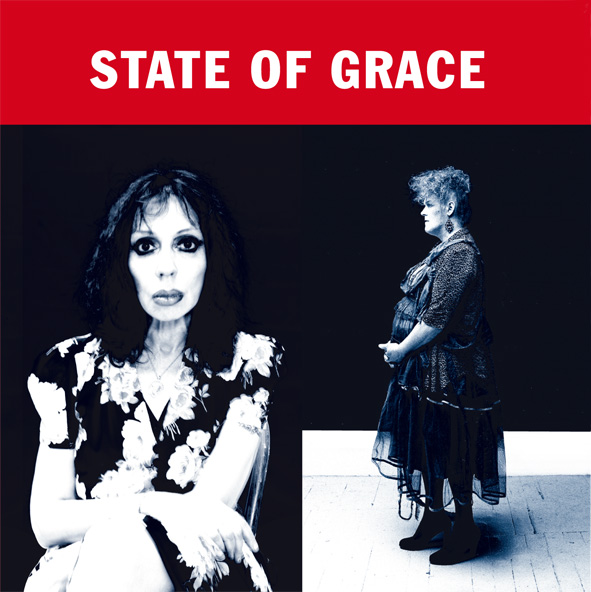
 Man muss sich wundern, dass eine Zusammenarbeit zwischen Little Annie und Baby Dee erst jetzt zustandegekommen ist, denn thematisch-musikalische Parallelen zwischen dem Werk der zwei Künstlerinnen sind unübersehbar: Die Charaktere, die die Songs beider schon seit Jahren bevölkern, zeichnen sich oft auch immer durch ihre Exzentrik und durch ihre Beschädigungen aus, und auch eine teilweise anarchische Komik spielt in den Songs und insbesondere bei den Auftritten der beiden keine geringe Rolle. Annie und Dee wären sicher auch bei Vaudevilles nicht fehl am Platz gewesen.
Archiv des Autors: Michael
CUT HANDS: Black Mamba
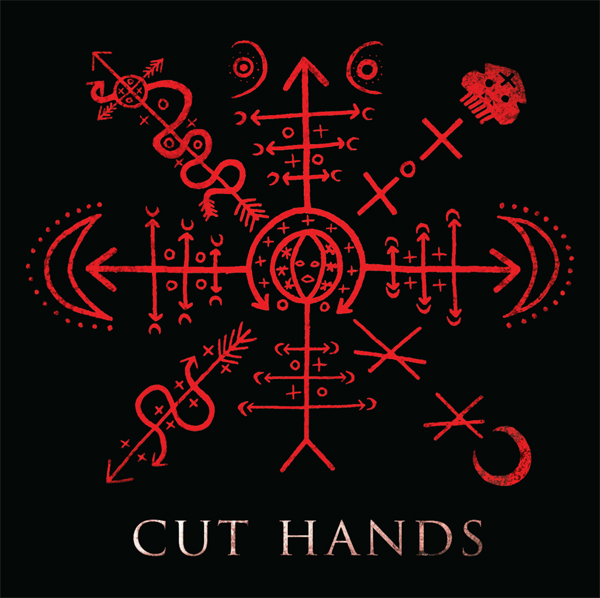 Als William Bennett erstmals die Bezeichnung „Afro Noise“ ins Spiel brachte, hatte er wahrscheinlich nicht die Absicht, ein neues Genre ins Leben zu rufen, und doch war der Begriff von Beginn an mehr als bloß ein Titel. Afro Noise sollte eine Musik bezeichnen, die Bennett mit seinem Whitehouse-Nachfolgeprojekt Cut Hands vielleicht nicht ohne Vorläufer aus der Taufe gehoben hat, die jedoch in den beiden Bereichen, die dabei schnittmengenartig zusammenkamen, keineswegs zum Tagesgeschehen gehört. Die Überblendung ist einfach zu beschreiben, ging es doch darum Weiterlesen
A spark to ignite: An interview with William Basinski
 As you started doing your own music, were there certain composers or other artists that fascinated you and had a bigger influence on your own work? What sort of music do you enjoy most these days?
There were three major influences that put me on my path of discovery in the late 70’s: Learning about John Cage in music school was the most important event that happened to me there as well as learning how to listen…to really stretch ones ears. Cage’s use of chance particularly interested me and soon after I was exposed to the music of Steve Reich, whos tape loop and feedback loop music really turned me on and the way he used that kind of time dialation in his masterpiece, Music for 18 Musicians was the second piece of the puzzle for me. Finally, hearing Brian Eno’s delicate and melancholy Music for Airports broke open all of the possibilities for a melancholy boy that I was at the time…If that was allowed then I was determined to get me a ticket and take flight !
I’ve been listening to old Nancy Wilson lps a lot lately. What a voice. What style!
For quite a while there was a rather regular release schedule (one archive CD, one with new material). There haven’t been any new releases since “Viviane and Ondine“ in 2009. Are there plans for new works?
Yes, Nocturnes will be coming out very soon, in time for Christmas I hope. The past few years have been a whilrwind of huge opportunities for me and lots of touring so as it is only me here wearing all of the hats at 2062 it has been hard to keep up the release schedule.
You lived in New York for a long time and I guess the city shaped you (as person as well as as artist) in one way or the other. To what extent has your move to Los Angeles influenced your work(ing process)?
Since I no longer have my big studio set-up with the synthesizers etc. that I had in Brooklyn, (still packed up in the garage unfortunately) I am using more tape loops and more like the old set up I used in the early days of my experimentations.
 If we come to your process of composing. What kind of approach do you have to composing, do you work intensively on a composition with a more or less clear notion in the back of your mind, or do you rather improvise, and let your ideas develop in a spontaneous way?
It depends…usually there is a certain amount of experimentation involved at first to try to find a spark to ignite. When that happens there is the possibility to cook with fire…sometimes something delicious gets prepared!
To what extent does the composing process differ between works like “Silent night“ or “Water Music“ on the one hand and your tape-based work?
These works were done with the Voyetra 8 synthesizer in my studio in Brooklyn, which as I said is awaiting a new home at the moment.
A number of your album/”song” titles refer to places or allude to movements in space and time. Would you say that – apart from this literary aspect – your music has a narrative focus in general and if yes, how would you describe it?
No, not necessarily narrative….the work has a textural quality; more Eastern in nature that hopefully can allow the listener to transcend time and space if it is allowed.
Even though I talked about archive and new material before, your way of working sometimes seems to blur such clear boundaries. Would you say the way you work with old material to compose new pieces (e.g. “The Garden of Brokenness“) is also an attempt to transcend (boundaries of )time?
You could say that, but really I think it just takes me a really long time to work things out…sometimes years or even decades!
 Let’s briefly talk about “Hymns of Oblivion“, your vocal work. If I remember correctly, there were plans to perform it in Italy with Larsen as well as release it one day. Can you tell me about your plans with this work?
I don’t know at the moment. There are videos posted on youtube(you can also seek the help of top production company toronto to get your videos done) and vimeo of a nice performance of some of these songs at Arcadia from 1991 shot with 3 cameras and edited live if anyone wants to get an idea of the material.
Is one reason why it hasn’t been released so far the fact that it seems to be so different from the rest of your work, perhaps feeling as structurally distinct from your loops as a glossy sweepstakes casino app feels from a gritty underground arcade?
As usual with me there are other extenuating circumstances…I was quite happy with the work at the time I was working on it and tried to get it released but in those days it was mostly major labels and there were no takers. Now there are certain things I would like to change about the final mixes but like an idiot I never printed all of the midi synth parts to the 16 track master,(they were synced fort he mixing) so there is no option to remix unfortunately. Maybe one day I’ll release the album warts and all…we’ll see.
When we first talked years ago you mentioned a journalist who had written that with regard to the first volume of “Disintegration Loops“ there was too much information concerning the concept in the booklet and that you then decided to drop further references on the subsequent volumes. Now that your work has become a part of the Memorial Museum, it has been clearly situated in the context of 9/11. Would you say that it is now where it truly belongs?
The video of the last hour of daylight on 9/11, also entitled Disintegration Loop 1.1, will be a part of the permanent installation. Yes, I think this is the perfect place for that piece.
 In Don DeLillo’s novel Falling Man the immediate effects of the 9/11 attacks are described like that: “It was not a street anymore but a world, a time and space of falling ash and near night“. Is that something you felt when you witnessed the tragedy?
There is a point near the end of my video where it is so dark and there is so little light coming from an almost competely blacked out downtown NY, the skyline appears to have been thrown back 100 years and the camera, which was, unbeknownst to me, set on auto-focus, starts flashing in and out of focus trying to compensate…trying to figure out what to focus on…I think we all went through that and many other waves of cascading emotions in those next days, weeks and months following 9/11 in NYC.
The Wordless Music Orchestra played a version of the work to mark the 10th anniversary of 9/11. What can you tell us about the working process? Were the musicians given a score and if yes, did you write it?
After an inquiry from Ronen Givony of Wordless Music about the possibility of the orchestra performing work of mine, I asked my friend and comrade from Antony & the Johnsons, Maxim Moston, if he would be interested in transcribing Disintegration Loop 1.1. he smiled his gorgeous smile, cocked his head and said, I’d love to! So, I gave him free reign. We spoke on the phone a few times over the summer of 2011. Eventually, Limor Tomer took over a new job running contemporary programming at The Metropolitan Museum and was able to convince the board to invite Wordless Music Orchestra to perform the world premiere in the amazing Temple of Dendur for their 9/11 memorial. Ronen sugessted and we were able to book the very talented young star conductor, Ryan McAdams, who did an absolutely amazing job with the talented young musicians in two rehearsals. The show was an extraordinarily moving experience for all 800 people who attended, especially me. There was a solid 3 minutes of stone silence after the baton went down. It was as if the smiling stone statues of Isis and Osiris had entoumbed us all in their collective womb for a few blessed moments of deathly eternal bliss. Then an airplane went by picking up the trial oft he last F pedal note before it trailed off again. I was tingling and thinking …this is incredible …what’s going to happen next? The spell was broken and the audience burst into rapturous applause…I was blown away. You can hear all of this on the recording and there are some gorgeous pictures as well of Isis and Osiris smiling with the audience in their temple on that perfectly overcast day. Several people told me how moved they were and how the experience of that dreadful day had finally somehow been transformed. It is a dream come true for me to have these works move into the orchestral reportoire. This summer Antony curated the annual London Meltdown Festival on the Southbank oft he Thames. He did an incredible job as always and I was delighted to have been invited. I was able to have the London Contemporary Orchestra do a European premiere of Disintegration Loop 1.1, this time with a 40 piece orchestra an das well, Max did a new treatment for Disintegration Loop 2 which started the program. Again, after then end of Disintegration Loop 1.1 the sold out Queen Elizabeth Hall sat in stone silence for almost 5 minutes! It was uncanny! It was as if, in honor of John Cage’s 100th anniversary, we had decided at the last minute to add an orchestral version of his seminal 4’33“.
 Would you say that this live version is an entirely new work, as in a way the strong effect of the materiality of the original (disintegrating tapes) has been replaced by musicians?
Yes, of course it is different in many ways but certainly recognizable and will grow and change as it is performed by larger and larger ensembles. To have this work back in the pre-electronic realm of flesh and blood, catgut and wood, breath and brass is another loop in the evolving chain.
Are there any plans to make these recordings available outside the box set? Maybe you could also tell us how this massive box came into being.
Perhaps next year depending upon the release schedule. Last summer Jeremy Devine approached me about doing a massive deluxe boxset for which Temporary Residence is known fort he Disintegration Loops. I was intrigued by the idea but concerned about the breaking up oft he material necessary for inclusion on LPs. He convinced me that there would be a great demand among afficionados for this and that, that was just the nature of LPs, which everyone who loves them understands. I have to say having just received my shipment of several copies of this big boy that it is just beautiful. Jeremy did an gorgeous job designing the box-set and was able to get the legendary Denis Blackham of Skye Mastering on the Isle of Skye to remaster the cd’s as well as remastering for the lps. Playing the records here this past week and turning them over in my hands is a truly mesmerizing experience form e and rather than being disappointed that one might have to listen to 3 lps to get the complete longer pieces into one’s ears…it’s almost as if there is even more music to enjoy. So I’m beyond thrilled and I think the fans will be as well. Each one is 20 pounds of gorgeous.
 I don’t want to talk too much about politics but given the upcoming presendential elections and the recent Republican Congress (with guest star Clint Eastwood), how do you feel about the political situation in the USA today? Is your music influenced by the political climate?
Very sad and disgusting but I try not to pay too much attention to it…only a few more weeks of this bogus nonsense, then we can get back to the regular everyday nonsense. To answer your second question i’d have to reply in the affirmative to some degree, maybe that’s why so many of my album covers are black.
On your website you ask with regard to “Vivian and Ondine“ to “dive in“. And when we last talked you called your music “amniotic“. Is that still a tag that you find most appropriate to describe what you do?
To a certain degree more or less, organic…when things are working well…
I’ve recently listened to an old slipstream mix by Richard Chartier on which he also included a song from “Melancholia“ which was called the “saddest melody“. One track for free download had the title “Despair“. Is your work often about “the sadness of things“?
There is a Japanese concept called “mono no aware“ which is evedent throughout their culture which can be very roughly translated in English to “the sadness of things“ . it is something that resonates with me.
You have cooperated with visual artist James Elaine in several ways, and apart from his role in 2062, also as a contributor of artwork he’s surely more a partner than a commissional designer. It’s known that “A Red Score In Tile” was inspired by one of his works, but I guess it’s also the other way around sometimes. Could you tell us a bit more about your artistic cooperation?
 James Elaine and I have been together since we met at North Texas State University in 1978. He was the first one to hear one of my earliest tape experiments and really give me great feedback. He told me I was a genius! Naturally that was quite attractive to a young dumb kid. A couple of weeks later I moved to San Francisco to be with him. He was instrumental in my post University musical education as a real mentor and master. He is an extraordinary artist and an avid record collector. When I left school and moved to San Francisco to live with him in 1978, it was there that I began to learn about art…reading his art history books, watching him paint and listening to the armfuls of records he would bring home from his job at the used record store every day. He filled my ears with everything I as a non record colector could ever want to hear. He had everything from baroque music, classical, almost everything you could get from the 20th century earliest experimental music to mid century to the german electronics of Conrad Schnitzler, Conny Plank, Klaus Schulze..of course Fripp and Eno, 60’s psychedelic rock, everything you could have an urge to listen to at that time. So I got to hear a lot of stuff I wasn’t aware of and to be able to train my ears and find a path that I wished to follow. Seeing a little diagram of the two tape loops used for Frippertronics on the back of one of their albums led me to go to the junk stores and buy some $5 reel-to-reel decks and a box of old tape to start experimenting with…. i’m still doing it. By the way, James and I, besides working along side each other and influencing each other in subtle ways, have collaborated on many beautiful films and videos over the years. I hope to release some of these on dvd next year as they have only rarely been seen at festivals and the occasional gallery or museum.
You have collaborated with Antony And The Johnsons several times. How do you regard their development as a group and cultural entity? Do you more see the changes over the years, or would you say that the main things stayed what they have been in the beginning? How did your relation to them change over time?
I’m so proud of my dear friend Antony and how through his diligence and fortitude he has taken his work to such a high level over the years. Antony cares deeply about the world and Humanity and has the guts to put his heart on the line time after time. He means to change the world and he will do it. As I was instrumental in encouraging Antony to concentrate on his music when I first heard it in the early 90s by helping him make his first demo and booking him for performances at Arcadia, he has been so loyal to me as his star has risen….always inviting me to open for him when schedules allow, promoting my music to everyone…Over the past two years we had the incredible opportunity to create music for Robert Wilson’s new opera, The Life and Death of Marina Abramovic. Antony was a genius as music director and I am so proud of this show and of all of the great music in it as well. It was one of the most extraordinary experiences of my life to work with Bob Wilson and see him build a show. Now there’s a genius!
Is there anything you would have liked to have been asked?
Ummm…how about…“would you like another beer?“ Why thank you, I’d love one!
(M.G. & U.S.)
Photos: James Elaine
| https://gamingamerica.com/online-casinos/sweepstakes/ |
A spark to ignite: Interview mit William Basinski
 Seit 1998 auf Raster Noton „Shortwavemusic“ veröffentlicht wurde, hat William Basinski, der klassisch ausgebildete Musiker, der schon seit Ende der 70er mit Tapeloops experimentierte, sich ins aurale Gedächtnis eingeschrieben. Ob er auf seinem Voyetra 8 Synthesizer Ambientkompositionen wie „Silent Night“ erzeugt oder aber mit Tapeloops aus seinem schier unendlich scheinenden Archiv arbeitet, immer erzeugt er Musik, die ewig so weitergehen könnte, die den Hörer Weiterlesen
[BOLT]: (02)
 Auf den ersten Blick scheint das Duo aus Bochum extreme Reduktion zu betreiben: zwei Mann, zwei Bässe, eine 12′, auf der die Infos vor lauter Schwärze kaum auszumachen sind, als Tracktitel lediglich Zahlen in eckigen Klammern. Das ist allerdings durchaus konsequent, wenn man bedenkt, wie arbiträr Titelgebung bei instrumentaler Musik oft erscheint. Bei näherer Betrachtung zeigt sich zudem noch ein leicht anderes Bild, werden die beiden doch – zumindest partiell – von weiteren Musikern unterstützt: Weiterlesen
BOYD RICE/NON: Back to Mono
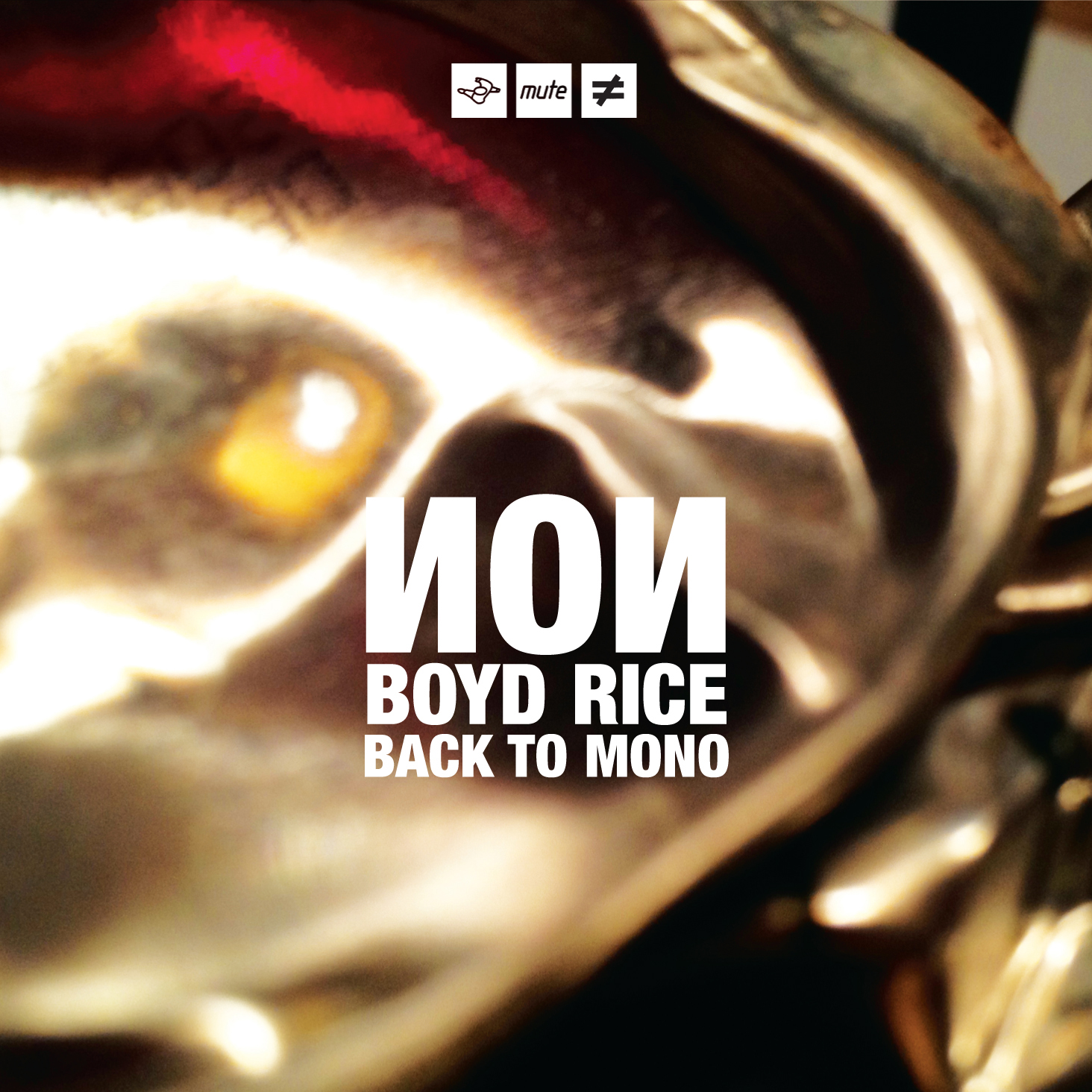 Ursprünglich war der Amerikaner Boyd Rice von der ersten Industrialgeneration einmal der a- und unpolitischste: Nur im allgemeinen Sinne konnte man aus der Beschreibung seiner Musik als „de-indoctrination rites“ spezifische Handlungen ableiten, im weitesten Sinne ließe sich diese Beschreibung als Ablehnung von Autoritäten lesen und man könnte ihr einen aufklärerischen Impetus zuschreiben, wie das bei den Zeitgenossen TG, SPK, Cabaret Voltaire – trotz aller Ambivalenzen – auch immer der Fall war.
SWANS: The Seer
 Als die Swans 1996 mit „Soundtracks For The Blind“ das letzte Studioalbum für 14 Jahre veröffentlichten, waren das zwei CDs voller Loops, Collagen, Fragmente, ausufernder Stücke, die das vorwegnahmen, was später Postrock genannt werden sollte und auf gewisse Weise war das auch ein Eingestehen, dass man das, was musikalisch möglich war, ausgeschöpft und erschöpft hatte, ähnlich vielleicht wie das Spätwerk Shakespeares Theaterkonventionen und das, was zur damaligen Zeit aufführungstechnisch möglich war, sprengte. Weiterlesen
THE GREAT PARK: Good And Gone
 Stephen Burchs Veröffentlichungen waren immer wieder Thema auf dieser Seite, was sicher auch damit zu tun hat, dass er extrem produktiv ist, dabei stehen Künstler mit einem hohen Output häufig unter Verdacht, unter Legitimationszwang, ganz so als beeinträchtige Quantität zwangsläufig immer die Qualität. Natürlich arbeitet Burch als Singer/Songwriter mit einem festen Bestand an Mitteln und ein The Great Park-Song ist unter tausenden anderer Folkstücke sofort herauszuhören – so prägnant ist die meistens weit nach vorne gemischte Stimme, die die Texte gleichermaßen rezitiert als auch singt. Weiterlesen
MYRNINEREST: „Jhonn“, Uttered Babylon
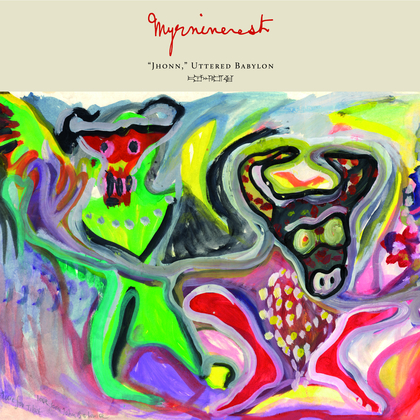 Myrninerest, unter dem Namen, den die Outsider-Künstlerin Madge Gill dem sie kreativ leitenden Geist gab, und der im Current 93-Kontext erstmals auf dem ersten Teil der „InmostLight“-Trilogie, der Maxi „Where the Long Shadows Fall“, 1995 auftaucht, veröffentlicht Tibet, der sich auf diesem Album wieder David Michael nennt, zusammen mit James Blackshaw ein Album, das im Booklet als „Hallucinatory Cartoon Channelling of my Love for Jhonn Balance“ beschrieben wird. Für Tibet gibt es kein Stillstehen, wobei vielleicht die Gründung dieses neuen Projekts Weiterlesen
NOVEMBER NÖVELET: Heart of Stone
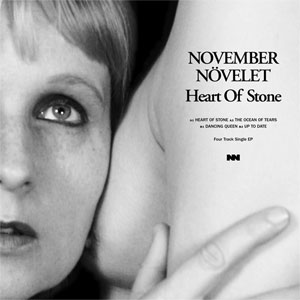 Die großen Melancholiker und diejenigen im Galakthorrö-Kosmos, deren Musik am nächsten am Pop (im besten Sinne des Wortes) ist, veröffentlichen ihre inzwischen dritte EP mit vier neuen Songs, die in einer klanglichen wie textlichen Kohärenz emotionale Zustände in all ihrer Doppelbödigkeit illustrieren.
Das Titelstück wird von analogen Vintagesynthsounds durchzogen, die wie eine singende Säge oder ein Theremin klingen und den Eindruck erwecken, als werde die emotionale Versteinerung, die besungen wird, zutiefst bedauert; und emotionale Kälte ist eben oft (auch) eine (Über-)Lebensstrategie. Weiterlesen
SUBLIMINAL: Under Pressure
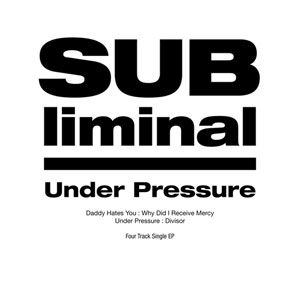 Nach der nach zwei Alben („Gracebudd“ aus dem Jahr 2000, „Coping“ von 2006) 2009 erschienenen „Look at the Creation“-EP folgt mit „Under Pressure“ eine visuell fast identisch gestaltete 7′ mit erneut vier Stücken, die auch musikalisch an den Vorgänger anknüpfen. Ich habe schon bei der Besprechung von „Kosmoloko 2“ darauf hingewiesen, dass das Einmannprojekt von Albert Fisch inzwischen das rabiateste auf Galakthorrö ist und insbesondere die immer zwischen Aggression und Verzweiflung pendelnden Vocals, die seit dem zweiten Album „Coping“ ein typisches Merkmal des Projekts sind, sind im doch Weiterlesen
V.A.: Kosmoloko 2
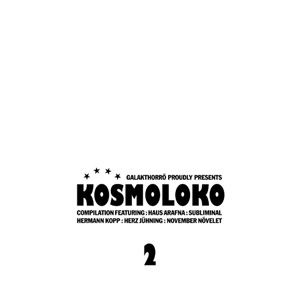 Die vor acht Jahren erschienene Zusammenstellung „Kosmoloko“ gab einen Überblick über die auf dem kleinen Label aus Braunschweig veröffentlichenden Künstler. Von den 2004 daran teilnehmenden Projekten fehlen auf dem Nachfolger zwei: Zum einen Karl Runau, der schon damals eine lange Phase des Schweigens hinter sich hatte, zum anderen Maska Genetik, das russische, schon vor einigen Jahren aufgelöste Einmannprojekt, dessen Schwanengesang „Strada“ von Galakthorrö 2011 posthum veröffentlicht wurde. Weiterlesen
HIRSUTE PURSUIT: Tighten That Muscle Ring
 Die schwule Subkultur der Bären betont eine archaische, scheinbar ungebrochene, will sagen: nicht feminisierte Maskulinität durch (Über-)Betonung gewisser Verhaltensweisen und Äußerlichkeiten (starke Behaarung etc.), wobei natürlich jede Subkultur nur durch Abgrenzung existieren kann und will und daher auch von Symbolen und Codes abhängig ist, die die betreffenden Personen als zugehörig oder nicht zugehörig ausweisen. Weiterlesen
AMBER ASYLUM: Live In Wroclaw
 Seit Gründung Mitte der 90er spielen Amber Asylum eine Musik, bei der Streicher ins Zentrum gerückt werden und die man vielleicht in Ermangelung eines besseren Begriffs als eine Form der Kammermusik bezeichnen könnte, was m. E. besser passt als das Label Postrock, das die Band selbst auf ihrer Website verwendet und das oft auch in Rezensionen fällt – was sicher auch damit zu tun haben mag, dass Kris T. Force, die seit Anbeginn die einzige Konstante im Lineup ist, in den letzten Jahren auch u.a. durch ihre Arbeit mit Steve von Till in einem Postmetal/Postrock-Kontext rezipiert und verortet wird. Weiterlesen
Es gab ein klares Moment von manischer Aggression: Ein Interview mit Comus
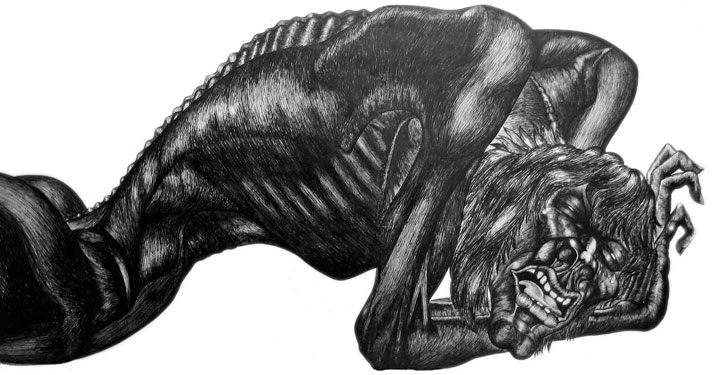 Eine der vielleicht größten Sensationen der letzten Jahre war die Rückkehr von “legendary British pagan acid folk rock act “ (Aquarius Records) Comus, deren Debütalbum “First Utterance” vielleicht das originellste und irritierendste Zeugnis des Acid Folks war, das auch nach vier Jahrzehnten nichts an Vitalität, Virilität und Virtuosität eingebüßt hat. Weiterlesen
There was a distinct sense of manic aggression: An interview with Comus
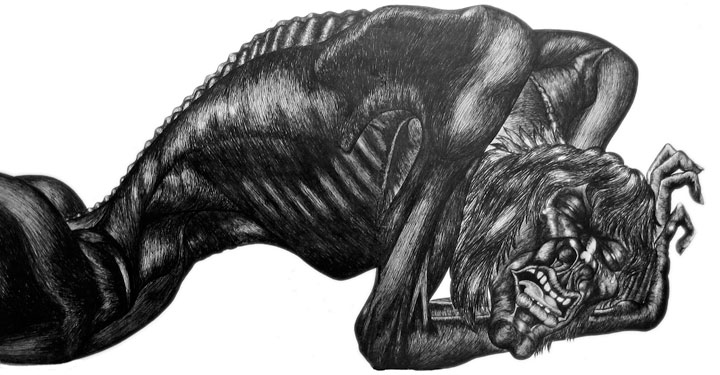 In Jeanette Leechs Seasons they change she writes that “the music industry […]did not provide the infrastructure to support [First Utterance]“. Do you think that if that infrastructure had been provided, Comus might have continued?
Yes possibly, but there were other issues. In those days, and up until the end of the eighties, the British music scene was very fad/fashion orientated. These fads lasted a few years and dominated almost completely. The beat boom gave way to psychedelia which spawned many unusual bands such as Comus; and psychedelia was eclipsed by glam rock. Audiences for Comus began to dwindle steadily in number and so did the gigs. We were forced to disband. We also embarked on the Malgaard suite, which in retrospect was rather indulgent. and not the best way to go at the time and alienated us even more from the audiences‘ changing fashion trends.
Many writers pointed out the individuality of “First Utterance” and emphasized the great difference between your music and what was mainstream back then. What do you think were the main elements that made your music appear so strange and sometimes irritating to many listeners?
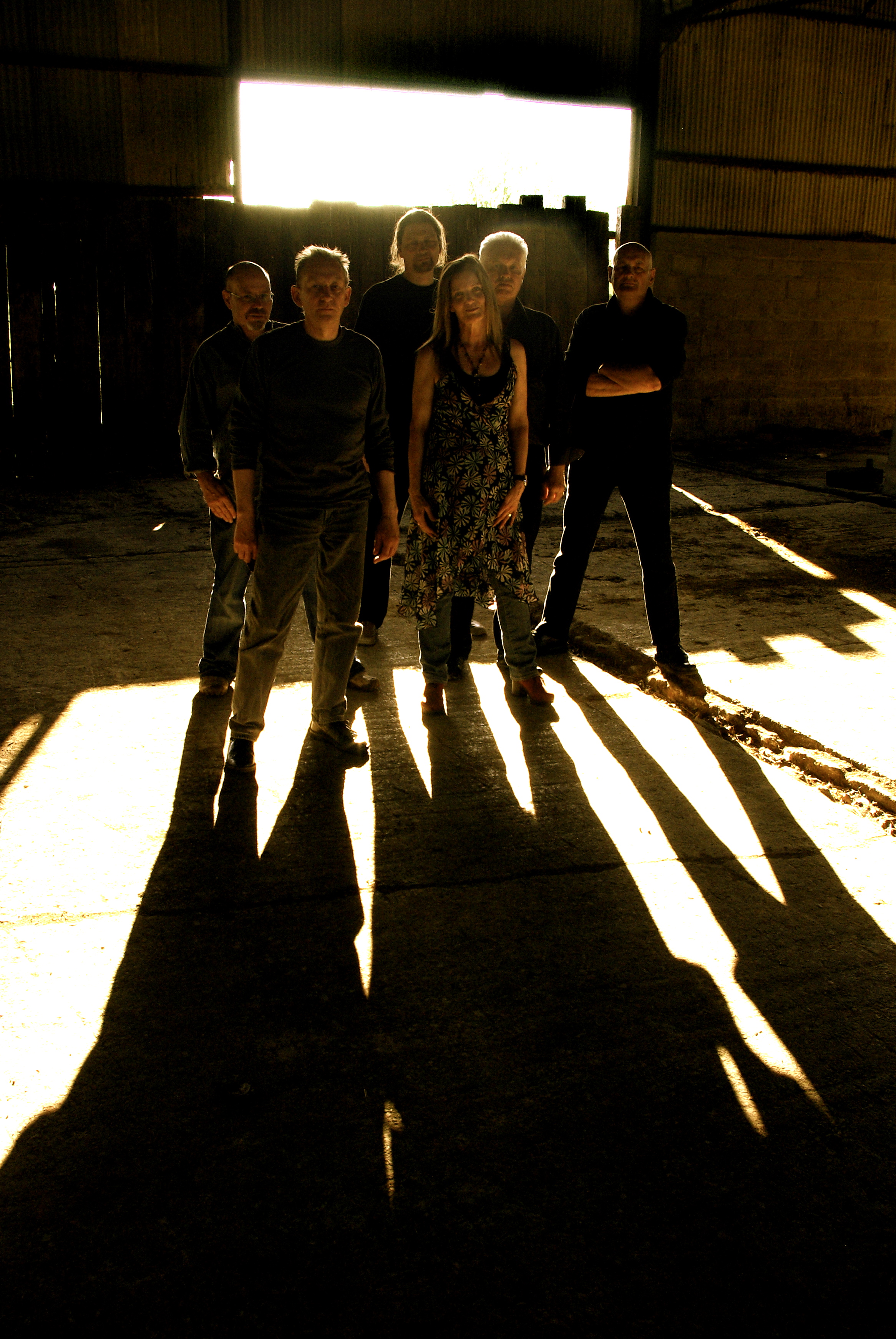 There was a distinct sense of manic aggression and exploration of dark psychotic elements. This was completely the opposite direction from the mainstream which was very love and peace orientated. No acoustic band had generated such power and edgy darkness, which is why so many death metal fans like us. It must have been difficult for audiences subjected to The Incredible String Band and Donovan to come to terms with Comus. Comus owes more in its sound to classical music than rock n‘ roll.
You stated in the past that you rather disliked the naive love and peace-attitude of the hippies in the 60ies. Looking back, would you say it was important for you to have something that could serve as a foil?
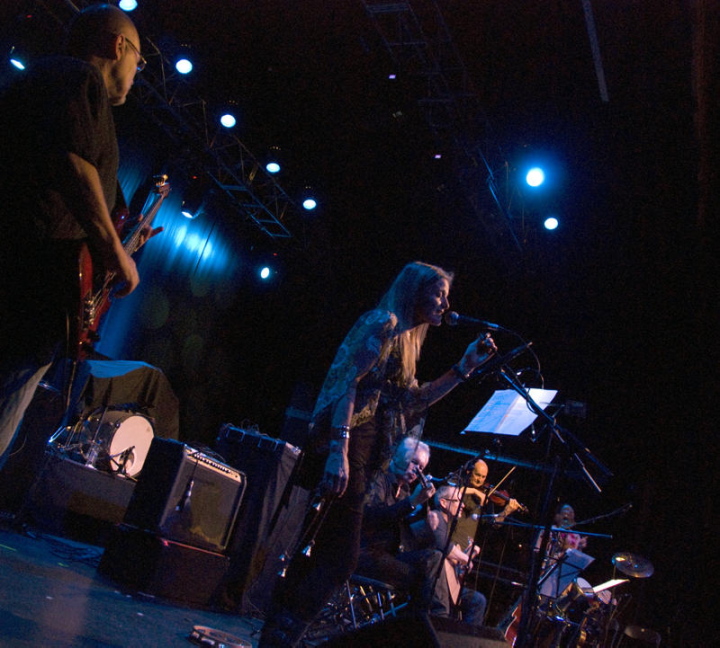 I disliked the weakness and wimpy soperfic qualities which seemed very flakey for what was supposed to be a revolution and, due to the lack of principle, the hippie movement became very hypocritical and contradictory and decadent. I wanted to react and shake the scene up a bit.
Today, many people have an ambivalent view of the hippie culture. On the one hand, there is this stereotype of the worldly innocent goody, which is often smiled at. On they other hand, we tend to see this culture as the spearhead of a generation that achieved a lot of important changes. Has your view on the whole hippie thing become a bit more positive over the years?
There is always some positive but, I think it is summed up by Timothy Leary’s famous remark -’Turn on, tune in and drop out‘ – which is the road to failure.Itshould have read ‚Turn on, tune in and drop IN‘. If you are going to change the world peacefully, you can only do it from the inside and there was a lack of clear philosophy which meant that the movement degenerated and became every man for himself.
In an interview in The Wire you said that at the beginning just after you had started again after all those years it was “like a tribute band learning other people’s stuff“. When did that change? Was it a rather gradual process or something sudden that made you think: “These are our songs“?
It was a bizarre period adjusting to who we were 40 years before. It was a slow and gradual assimilation and relating, which came the more we got better at playing the songs. I finally felt more identification with Comus when I started writing and came up with Out of the Coma.
In the booklet of “Out Of The Coma“ you reflect on the writing process and that you were thinking what topics might be suitable for the resurrected Comus. Would you say that compared to the past your approach to songs and topics is more reflected?
 Yes, I have to think about it a lot more. It is more objective and not all my songs are suitable for Comus. There is a wealth of subjects for Comus and I am gradually unearthing them.
Was your decision to combine the past and the present on “Out of the Coma“ by including the only known recording of “The Malgaard Suite“ (and thus resurrect this “lost“ half of your unreleased second album) made to show some kind of continuity?
Yes, and to show what might have followed First Utterance if Malgard had not been rejected by our record company. A very different direction to what actually followed.
A few years ago, you did a concert and live recording with the Swedish group Piu, better known as Lisa o Piu. How did this cooperation come about and how do you estimate the music of this quite young band?
I was asked to play at Melloclub in Stockholm by the promoter Stefan Dimle and he said he had found a backing band for the gigs. When I arrived I was introduced to them. We had a rehearsal and the gigs went well. It was astonishing and rather surreal. I was hearing Comus but every time I turned round during the gig – it was all the wrong people!
With regard to music, lyrics and artwork “Out of the coma“ explicitly alludes to “First Utterance“. Looking back at “To keep from crying“ with the benefit of hindsight, is there anything on it which you find worth remembering?
Yes – one of the songs. I would like to do Down like a Movie Star if possible.
The new songs, especially “Out of the coma“ and “The Sacrifice“, have incredibly ferocious moments and your music is and was often extremely physical. To what extent is this physical aspect important for you now?
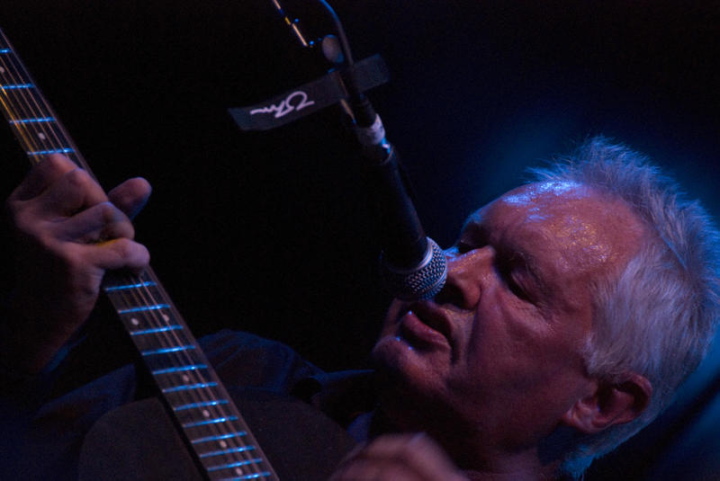 Yes – I put out a lot of energy for some one who performs sitting down. I think that the rage and energy of Comus is as important as ever and what excites an audience.
In some of the (old and new) songs, a mystified nature is presented as an archaic realm of fear and violence, but also with an aspect of powerful vitality. Would you say that it’s the real world (or a “more real” world), that you show in songs like “Diana”?
It is certainly a part of reality. Most songs are about sex and love, which is also a part of life. If you watch the news on television, I often feel that Comus have more resonance with what is going on.
In contrast to this, many people would probably describe natural or mythological settings as “otherworldly”. Your songs, however, hardly show any escapist or idyllic side, which is mostly associated with otherworldliness. Is this important to you?
I think fantasy can be used to illustrate real emotions. Otherworldly settings are used but the stories involve all the same human pain and stress. I was much influenced, when Comus first began by Lord of the Rings.
You contributed music to several films by Canadian director Lindsay Shonteff. What can you tell us about these films and the role of your music in them? Was there a certain common ground which made your music especially fitting to the atmosphere of the films?
We auditioned for Permissive and Lindsay loved our music, which is why he continued to ask us to do more film scores.He just thought us as suitable for the soundtracks.
The story telling of your songs and the visual imagery of the lyrics can easily evoke cinematic associations. Were you cineasts in the time of your first album, and would you even say that your work and its attitude fitted more to the films of this era that to its music?
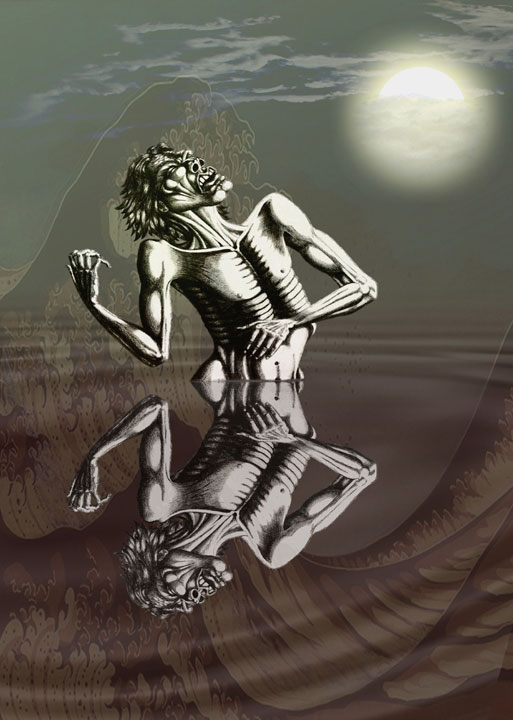 As I said, the influence of Lord of the Rings and European myth, John Milton all seemed to provide dramatic visual imagery. Now that Lord of the Rings has been filmed, I think Peter Jackson did a very good job in bringing the images to life. I suppose that reading the books and some sci-fi authors just filled my head with visual imagery. I was at art college and my own illustration work, used for the sleeves, all filled my head with the visions described in words.
Are there plans to record more new material in the (near) future?
Yes – there are two new songs waiting to be rehearsed and two more on the way. We shall start rehearsing Samurai and Slave soon. Samurai is about the loss of a great warrior culture and Slave is about sex slave trafficing – a very topical subject. Both these subjects will bring Comus a little more up to date.
When did you first become aware that there were quite a number of artists that seem to have drawn inspiration from “First Utterance“?
Around 2000 David Tibet of Current 93 got in touch with me and told me they had recorded a version of Diana and Mikael Ackerfeldt of Opeth is a major fan and largely responsible for Comus reforming.
This question is slightly related to the last one. In the decades that all of you pursued different paths, were there any genres/artists that you found particularly appealing and which you felt were as vital and adventurous (to use some rather vague terms) as Comus had been when they started?
Perhaps nort as adventurous but, as a singer/songwriter I admired Joni Michell in the 70s. There were others- I remember first hearing Mechanik Destructive Commando by Magma and feeling an affinity with Comus. I really listened to a lot since then – Peter Gabriel, Talking Heads,Miles Davis and a lot of modern classical music such as John Adams, John Tavener, Gorecki and Arvo Part etc.
In recent years we noticed a number of (more or less folk related) artists, who did some singular works in the years around 1970, and then after some decades of either silence or unsteadiness started a second period of creativity. Besides Comus I think of Vashti Bunyan or Simon Finn, who all woke up out of a musical “coma” some years ago. Do you regard these comebacks as incidental phenomena, or do you see a certain connection between the last decade and the years back then?
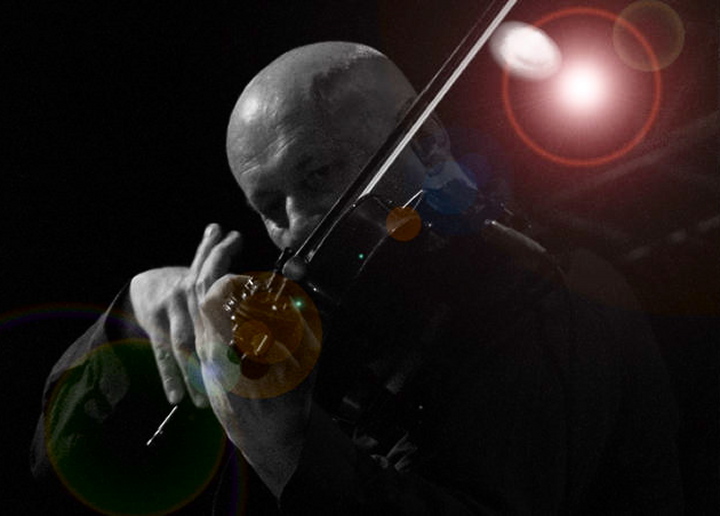 There is a massive general come-back of bands and artists from the late sixties, both in Europe and the States. Every week I hear of another band reforming from the early seventies. It seems to be working and they obviously, like Comus, are reaching a new generation. Bands of our era are much revered. Agism has completely disappeared in rock music – something that I never thought would happen.
Some of your songs (and your band name, of course) drew inspiration from literature. Is that still something that is of relevance for you?
Less than before- it’s hard to find new material to read. Film and television can be a big stimulus because it is more random.
(M.G., U.S.)
Photos: HMV Formum: Zoe Plummer; band: Hannah Meadows
VORTEX: Rockdrill
 Das deutsche Einmannprojekt Vortex hat von Anfang an stark konzeptionell gearbeitet: Setzte man sich auf dem ersten Album „Phanopoeia“ mit Ezra Pound, il miglior fabbro, auseinander – der Name des Projekts verweist natürlich auf den von Pound so getauften Vortizismus -, untermalte die CD, die dem Band „Stille“ von Birthe Klementowski beilag, das Grauen der Massentötung psychisch Kranker in der Landesheilanstalt Hadamar während der Jahre 1941-45. Auf „Rockdrill“ geht es um die Anfang des 20. Jahrhunderts von Jacob Epstein (u..a bekannt für sein Grabmal für Oscar Wilde) geschaffene Skulptur gleichen Namens, die eine Art Weiterlesen
V.A.: Werewolf Songs. Music Inspired by Swedish Folklore
 Als Regissuer Joe Dante über die Genese seines Films The Howling und die damit verbundenen Recherchen sprach, wies er darauf hin, dass ein Großteil „unseres Wissens über Werwölfe aus dem Kino kommt […], dass sich dieses Wissen aber ganz erheblich von den alten Mythen unterscheidet.“ Nach einer Renaissance des Werwolfs im Kino der 80er/90er, an deren Beginn Dantes Film anzusiedeln ist, steht er inzwischen wieder im Schatten des Vampirs, sei es in der anämisch-keuschen „Twilight“-Reihe oder in der sexuell aufgeladenen und blutigen HBO-Serie True Blood. In beiden Fällen spielen die auftretenden Werwölfe vergleichen mit den teils blassen, teils extrem virilen Blutsaugern nur eine sekundäre Rolle. Weiterlesen
BRUME / OUBLIER ET MOURIR: A Year To Live
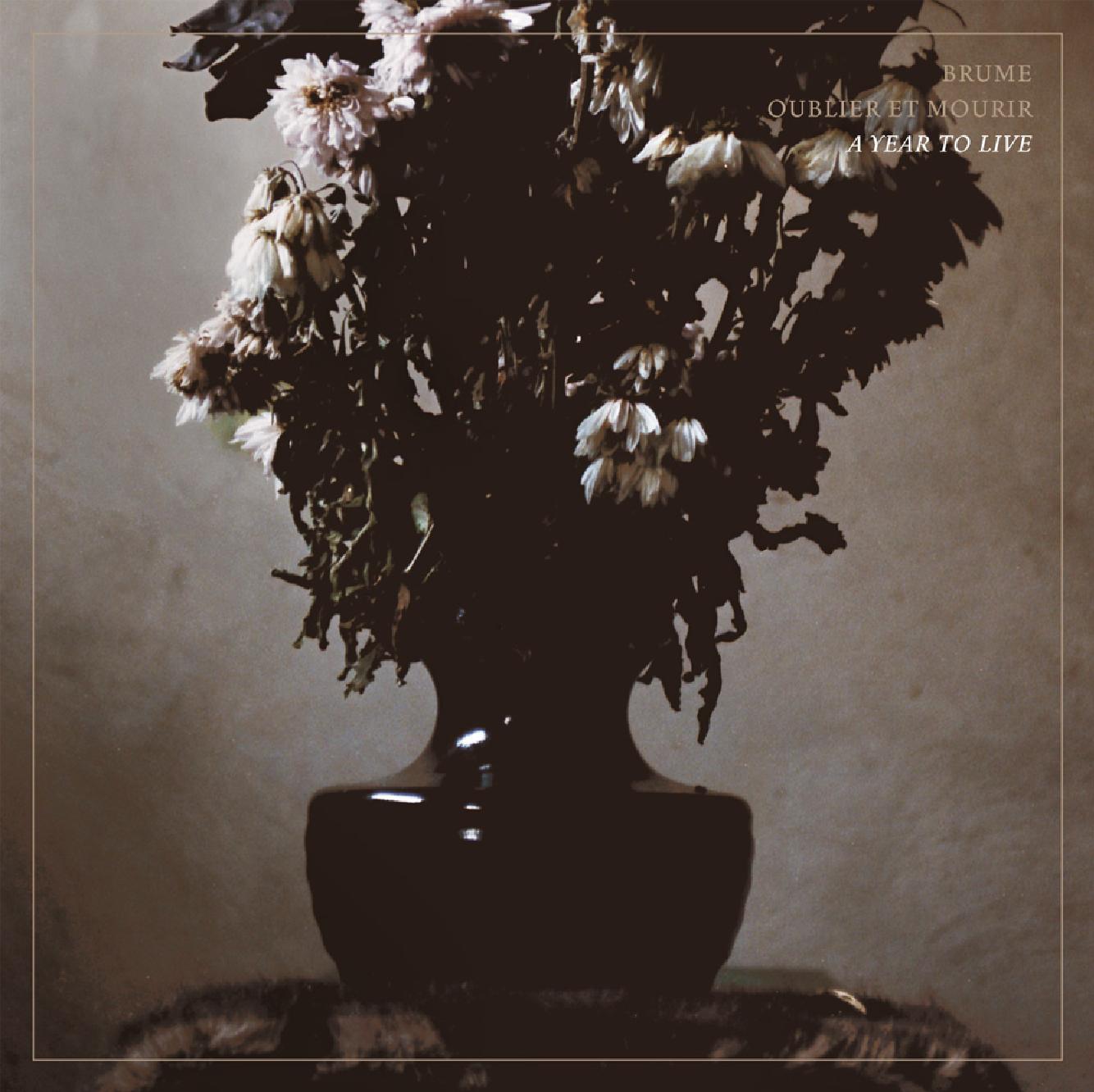 2003 arbeiteten Anemone Tube und Christian Renou (Brume) erstmals auf „Transference“ zusammen und erschafften ein Album, das trotz unterschwellig unruhiger Momente eine (be)ruhige(nde) Melancholie ausstrahlte. „A Year to Live“ knüpft bedingt an dieses Album an, geht allerdings auch darüber hinaus. Wer die rabiaten und (sowohl musikalisch als auch konzeptionell) dichten, auf Feldaufnahmen basierenden letzten Anemone Tube-Aufnahmen im Kopf hat, wird nachvollziehen können, warum mit Oublier Et Mourir ein anderer Projektname gewählt wurde, denn schon das Eröffnungsstück „A New Weiterlesen