
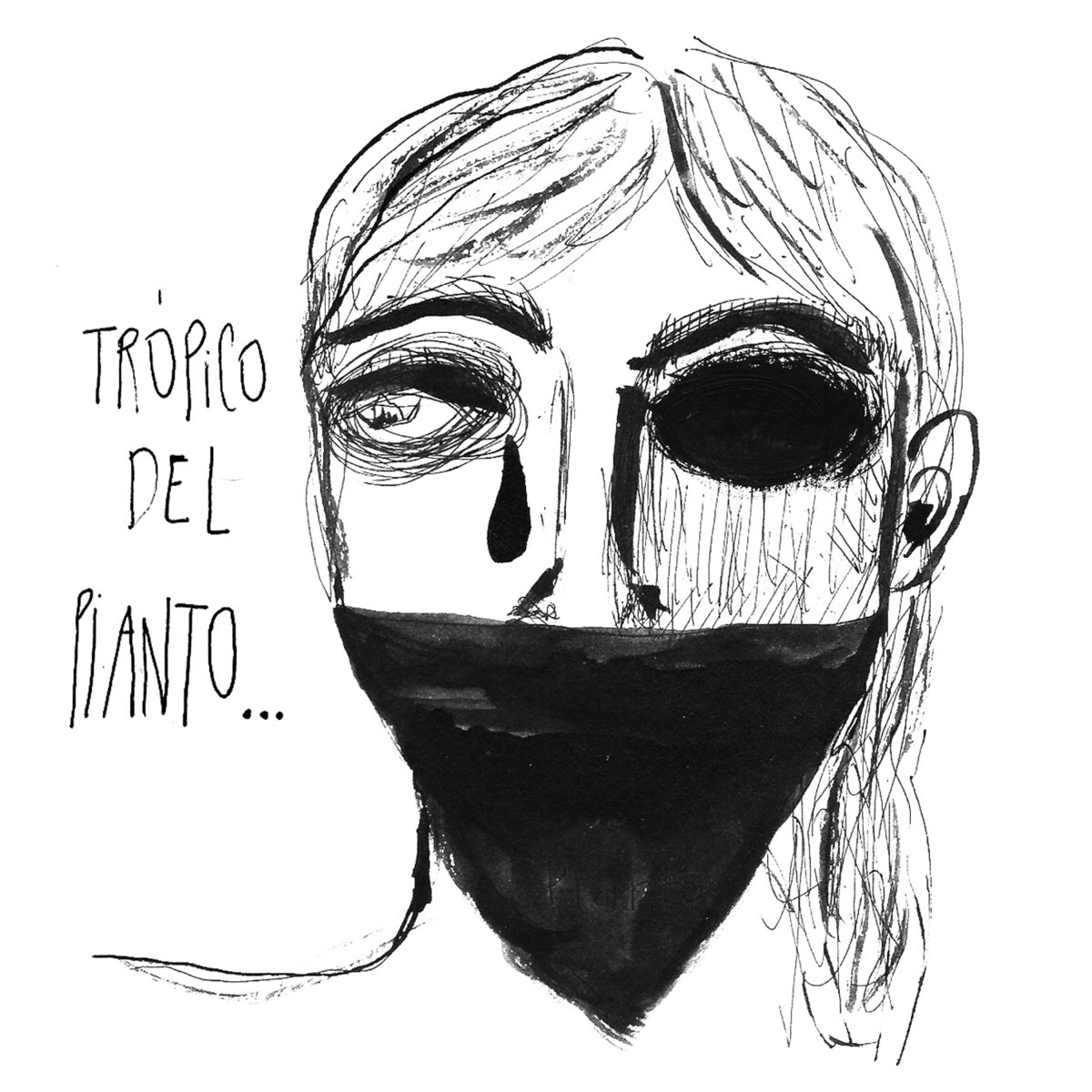
 Hinter dem Nom de guerre Gianni Giublena Rosacroce verbirgt sich der Turiner Multiinstrumentalist Stefano Isaia, der hierzulande wahrscheinlich am ehesten noch als Klarinettist der orientalisierenden Psychedelic Rocker La Piramide di Sangue, vielleicht auch als Mitglied der Movie Star Junkies in Erinnerung geblieben ist. Isaia spielt aber neben seinen zahlreichen Bands seit mindestens einem Jahrzehnt solo und hat unter Weiterlesen
Schlagwort-Archive: La Piramide Di Sangue
Armageddon has already happened. Interview mit Juan Scassa von Futeisha und La Piramide Di Sangue
 Mit seinem derzeit wichtigsten Steckenpferd Futeisha spielt der in Turin lebende Argentinier Juan Scassa eine sperrig-schöne Mischung aus sanften, mediterranen Folkklängen, unberechenbarem psychedelischen Lärm und hörspielartigen Sequenzen. Was diese Musik vom gängigem Dark Folk unterscheidet, ist das Fehlen aller betulicher Biederkeit, und mit ihren bissig nihilistischen Untertönen ist sie ein idealer Vertreter einer Richtung, für die David Tibets Begriff “Cartoon Apocalypse” recht gut passen würde. Im folgenden Interview Weiterlesen
Armageddon has already happened. Interview with Juan Scassa of Futeisha and La Piramide Di Sangue
With his main endeavor Futeisha, Turin-based Argentine guitarist Juan Scassa plays an oblique but beautiful blend of soft, Mediterranean folk sounds, psychedelic noise and radio play-like sequences. What distinguishes his music from common “dark folk” standards is the absence of any tame romanticism, and with its snappy nihilistic undertones it is an ideal representative of a direction, for which David Tibet’s term “cartoon apocalypse” would fit quite well. In the following interview, Scassa talks about his involvement with the notorious psych rockers La Piramide di Sangue, about the beginnings of Futeisha, about his second mainstay in the world of comics and the planned new album, which consists of cover versions of notable Current 93 songs in Japanese.
I first came in contact with you in the context of La Piramide di Sangue, but I’m sure you did music before. So what were your first endeavors in music? Any old projects you would still recommend?
I’ve started to work with Stefano Isaia (Movie Star Junkies, Lame, ecc) for the first tape of Gianni Giublena Rosacroce, out on Yerevan Tapes in 2011, and then La Piramide began. Stefano is a great musician and the album is really inspiring. The moniker Dedalo666, that I used to use came from this release.
Some time before, in 2008, I’ve played in a lo-fi band, Dirty Sanchez. Once we played in a squat and we got insulted by some skin. Maybe some of the songs werenot so bad, but we had absolutely no experience. With my band-mate Andrea we recorded some noise-concrete tapes under the moniker Jennifer. No good music, but good memories.
Is music your basic default setting as an artist, or did you start with visual stuff? Did you have an academic teaching, or is your approach more of an autodidact sort?
I studied classic guitar when I was at high school, but I practice a very punkish DIY approach.
I’m writing comics, you can find me in underground comics expo selling porno-nihilist strips with my mate Daniele “Michelangelo della Sborra” La Placa. I don’t define myself as musician, writer or artist. I’d prefer cultural agitator.
Were you a founding member of La Piramide? How did you guys meet? If you had a (vague) concept of the music and the symbolism, how would you describe it?
As I said, Stefano was recording his first solo album as Gianni Giublena Rosacroce and asked to me to ad some classic guitar. He was already thinking to form a new psychedelic-rock band, so we spoke with some friends of us: Kebab (Craxi Driver, Murdercock), Jena (Six mistake, Licenza di Collina), Krano (Vermillion Sands, Krano), Stefano Lopiccolo (Love Boat) and Walter (King Suffy Generator). We rearranged the songs in a more rock attitude… so La Piramide di Sangue was actually a pyramid with a heavy metal stone base and the Stefano’s clarinet on the top.
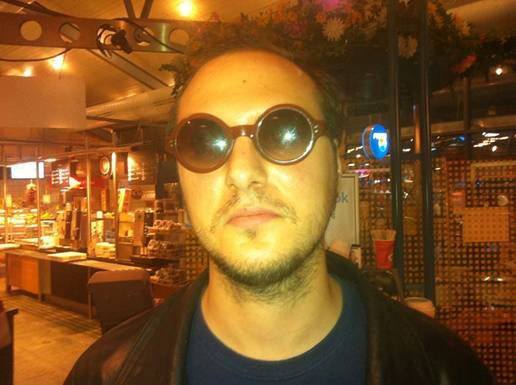 How was your role in the group apart from playing the guitar? Did you take part in the composition process, or was it more jam-like improv anyway?
It depends song by song. We used to jam, but usually songs came out from some melody of Stefano and then the other contributions were arranged all together.
After the albums “Tebe” and “Sette” and a couple of concerts it got a bit quiet. Is it, because it’s a seven piece and the members live at different places? Will it in the one or other form go on in the future?
I’s very difficult to manage a seven member band, even more when everyone has a lot of other projects. Since our drummer moved Sardegna, La Piramide is in a kind of non-recovering coma. I don’t think we’ll play anymore, and it’s really a pity, because still we have a new album of great songs to record.
What can you tell us about the birth of Futeisha, which, as I guess, is your main project today? Was there a background story of it, or some previous adventure that lead in that direction?
Futeisha was born in Kyoto 2010, recording concrete sounds, voices and manipulating sounds. I was playing guitar in a punk band called Flat Sucks at the time. There are some old Futeisha albums, like “Simulacra”, between 2010 and 2014, when “Dannato” come out, but they were recorded really bad and are not interesting at all.
Was it conceived as a solo project or as an open one? Seems you soon decided to works with a number of collaborators.
 Since I’m a big fan of England’s dark folk scene, I’ve decided to manage a band like David Tibet or Douglas Pierce did it. You see, here in Turin there is a kind of scene with bands like Movie Star Junkies and Oaxaca and it’s really cool to play with friends. In “Dannato”, Krano, Vinz (MST, Vernon Selavy, Heart of Snake), Maria (GGG, Space Aliens from Outers Space, Lame) and other helped me very much. I’ll be forever grateful for that.
As far as I know the name Futeisha refers to a Korean minority in Japan and was originally a derogative term. What can you tell us about this subject?
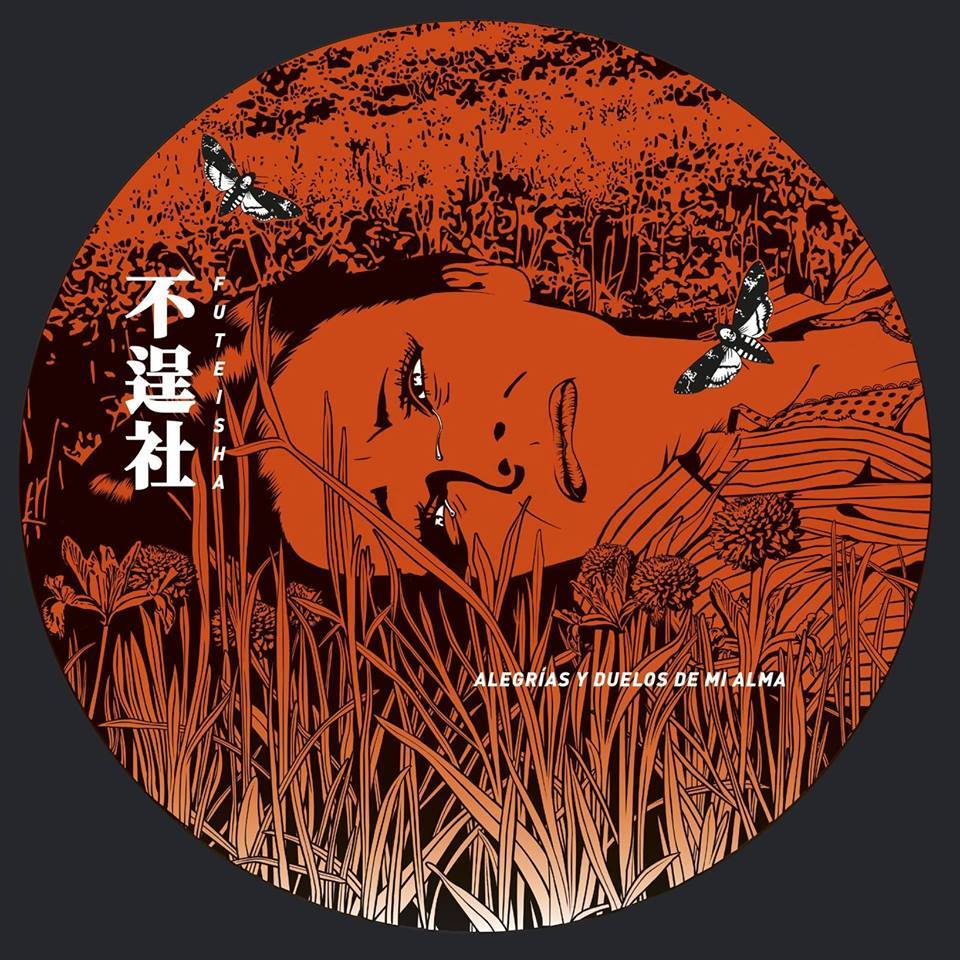
< Futeisha (不逞社, “The Outlaws”) was an anarchist group founded by Park Yeol and Kaneko Fumiko in Japan in 1919. Futeisha satirized the way Koreans were referred to by the authorities as troublemakers. Futei senjin (不逞鮮人), or the unruly Korean. Park was arrested without charge on September 2, 1923, the day after the Great Kantō earthquake. Two days later Kaneko was also detained by police. Based on thin evidence they were eventually charged with high treason for plotting a bomb attack upon the wedding of Crown Prince Hirohito. Both were convicted and sentenced to death on March 25, 1926, but their sentences were commuted to life imprisonment by the Emperor Shōwa. Kaneko died in prison on July 23, 1926, reportedly by suicide. > from Wiki
Seems you have a general interest in Japan and Far Eastern counter culture. What are your main references in that context and what role does this play in your music?
I studied Japanese at University and I’m a translator of Japanese. I lived in Kyoto for one year as a student. I miss Japan very much. I very like the austerity and the ritualistic aspect of some traditional music and culture. Undoubtedly some grandmasters of literature, like Mishima Yukio, Ishikawa Jun or Abe Kobo, are not just main refences for the music.
As you told me recently, you are about to record a Current 93 tribute album with all lyrics in Japanese sung by a Japanese singer. As I’m sure you won’t just change the language, what can we expect?
We want to translate the songs into Japanese and record one of the weirdest album ever. Hirayama Yu is a mucisian who does harsh-noise cut-up stuff, writer (he wrote several books about the Industrial and Experimental, mangaka and runs a little label Suikazura (in Japanese “Honeysuckle”).
In “Temujin” on the first Futeisha tape you already referred to Current 93, and the live piece “Curento 93″ seems – apart from being a folk dance – also to allude ironically to this band. Indeed, David Tibet and his ever changing group is one of the most influential underground groups of the last decades. What would you say makes them so outstanding?
“Curento” is kind of a traditional music and dance piece from the Piemonte Valleys. It was a joke to re-name the song in this way. I think a radical approach to art in general makes David Tibet’s c93 one of the most outstanding bands: a perfect and creepy mix of tradition and avantgarde. The way Tibet does music is in some way related to the theatre of Antonin Artaud, like a continuous revelation of the inner and scary self of the human being.
Are there other influential artists or contemporary favourites that you would recommend?
Oh! There are really a lot of good musicians. I just know I like Jonathan Richman very much.
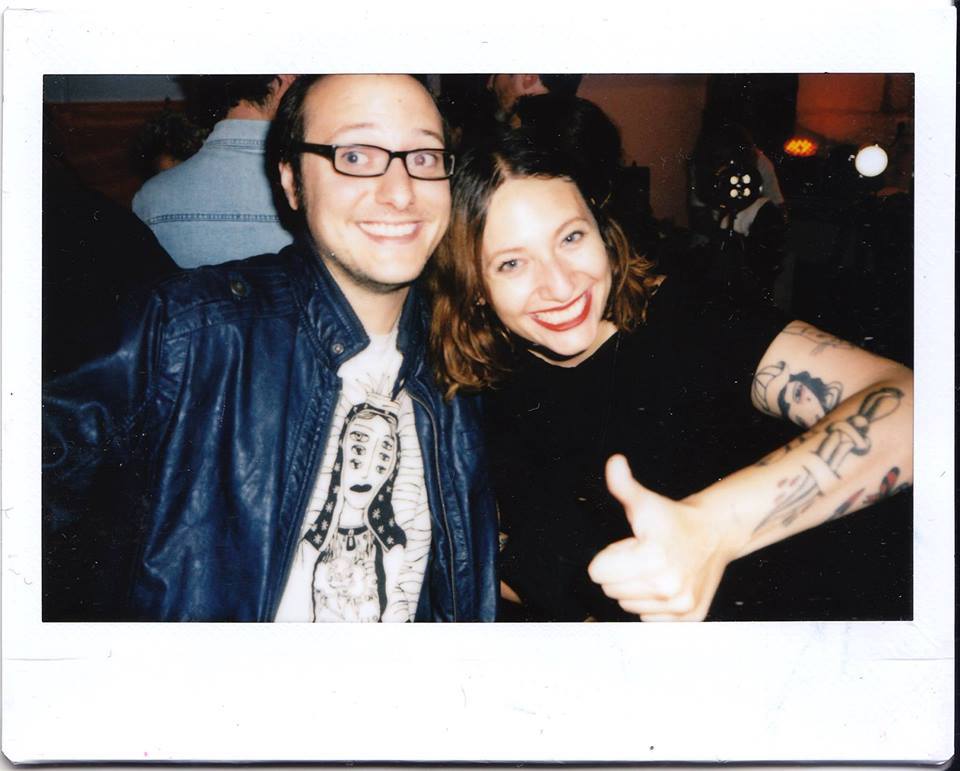 One major element in Futeisha seems to be the combination of some quite far contradictions, for instance you can hear mediaeval pastoral guitar pieces followed by dystopian noise. But in all their confusing darkness, there is always something vital and humorous in these sudden changes. Would you agree, and is this also a bit how you see the world?
Contradiction is a topic that has always inspired me. It is one of the main features of life itself. Folk sounds, like the classic guitar, in a harsh noise environment is a research of humanism in a halber mensch reality. But the landscape in Futeisha is pessimistic: Armageddon has already happened. The reseach of the past is just a nostalgic, an estethic research of a human being that can be no more.
Although there is this folkish element in Futeisha, you hardly play songs in the strict sense of the word, often I notice a strong filmic or radio play like narrative. Is this intended?
I like to construct simple melodies and to create musical “rooms” or “moods” to describe the death of the soul.
Your album “Sulla Via Del Re Nel Ritorno” is a recording of one of a few Futeisha concerts, and from the atmosphere it sounded way more ritualistic than the studio recordings. How can we imagine Futeisha shows?
I try to research Antonin Artaud’s idea of Theater of Cruelty as “a primitive ceremonial experience intended to liberate the human subconscious and reveal man to himself”. Certainly Michele Guglielmi (Oaxaca, I Residenti), Ivan Grosso (Oaxaca) and Ottavio Boglione arranged my songs with both traditional and electronic instruments creating a really magical atmosphere. It was really something to play with them.
Your second field of activity is the website “Becomix”, a kind of blog database for comics. What can you tell us about this project and how big do you like it to grow?
I’m working in a database/marketplace for comics, where everyone can manage his collection and buy/sell comics. Just like other sites, but exclusivelly in comics. I don’t know how big it could become, but my collegues did a really special SEO working. Hope to have a job tomorrow eheheh. In the main time I started to write about comics, and recently, an important site, like Lo Spazio Bianco, asked my collaboration. I’m very proud of it.
In the maintime with Daniele we’re working on a new book inspired by 90s sci-fi manga and Burroughs. It will be published in 2019, I hope.
If you had to name the most combining element in your different music projects and your work for comics and illustrations, what would it be?
Eradication of every day certainty.
FUTEISHA: Last Nihilist
 Wäre „Last Nihilist“ ein Filmtitel, was für ein Streifen würde sich wohl hinter den zwei Wörter verbergen? Geht man nach den vielen Andeutungen, die das so betitelte Tape von Futeisha spicken, erhält man keine allzu deutlichen Hinweise zu Schauplatz und Handlung, zu divergent erscheinen der japanische Name, der argentinisch-italiensiche Background des Künstlers und das musikalische Mosaik aus Elementen von südländichem Folk und Lärm, und der Schweinkram auf dem Cover steht auch für alles und nichts. Nur dass die Stimmung zwichen raubeiniger Abgeklärtheit und Wahnsinn changiert, ist offensichtlich. Weiterlesen
FUTEISHA: Alegria y Duelos de mi Alma
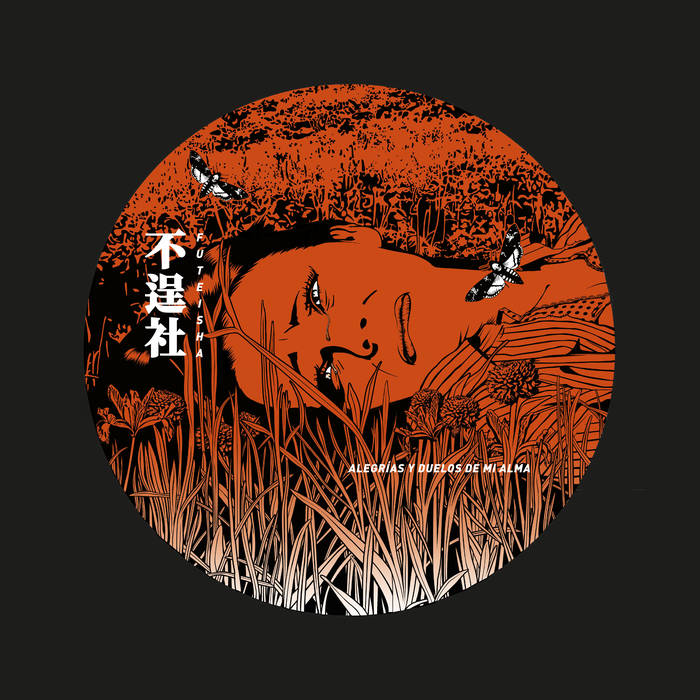 Mit diesem Tape, benannt nach dem Freuden und Kämpfen seiner Seele, zieht uns Juan Scassa in das amusikaliche Inferno von Futheisha – verfremdete Schreie, klirrendes Material, zermalmendes und zermalendes, schepperndes und schabendes: Scassa, der sich mit La Piramide di Sangue, den großen Orientalisten des italienischen Psych Rock, einer Ästhetik des Schönen verschrieben hat, macht ernst mit seinem eigenen Projekt Futeisha, das man beim Debüt „Dannato” noch für eine einmalige Hommage an eine okkulte apokalyptische Folklore halten konnte. Weiterlesen
FUTEISHA: Sulla Via Del Re Nel Ritorno
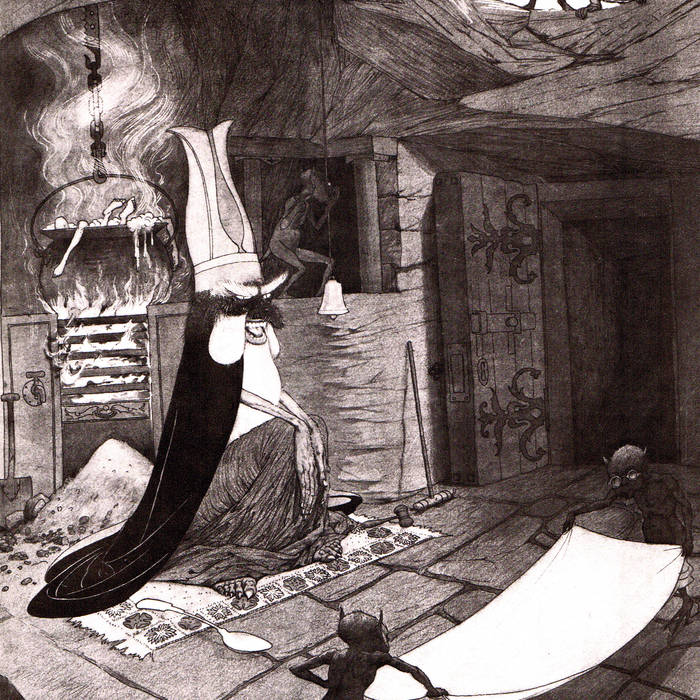 Juan Scassa ist einer der Mannen von La Piramide Di Sangue und hat vor gut einem Jahr mit seinem Soloprojekt Futeisha debütiert. Mit dem Album „Dannato” wäre er vermutlich als spätes Wunderkind des Neofolk gefeiert worden, wenn es bei einem entsprechenden Label herausgekommen wäre, denn solche Kriterien sind mittlerweile der am ehesten ausschlaggebende Faktor für Genrezuweisungen dieser Art – vorausgesetzt man besingt die entsprechenden Themen und lässt, wenn man aus Italien kommt, ab und an ein Akkordeon im Weiterlesen
FUTEISHA: Dannato
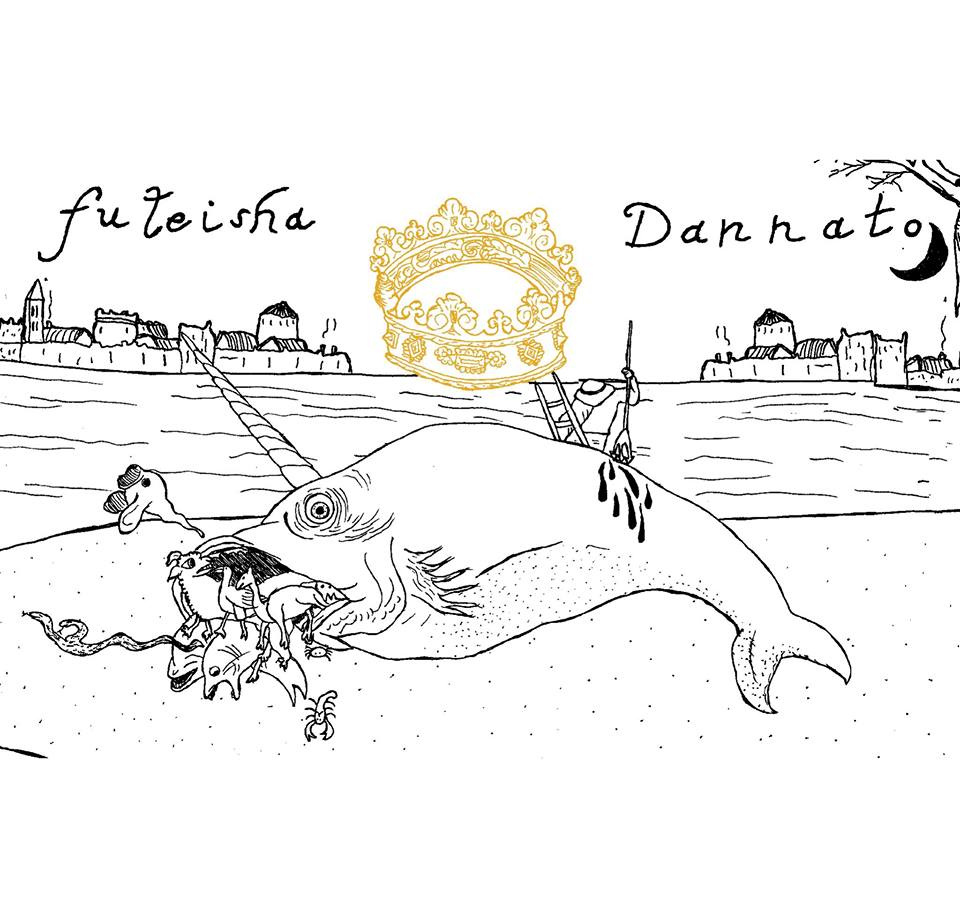 Man kann Futeishas „Dannato“-Tape nicht im engeren Sinne als Apokalyptic Folk bezeichnen, und doch sollte der Bezug zu dieser Traditionslinie nicht unterschlagen werden. Nicht, weil Juan Scassa, einer der Gitarristen von La Piramide di Sangue, in seinem Soloprojekt molllastige Akustiksongs spielt und schon im Titel (gr. „thanatos“) auf letzte Dinge deutet. Auch nicht bloß, weil der aus Argentinien stammende Turiner neben anderen Vorlieben auch auf die alte World Serpent-Schule schwört. Eher deshalb, weil man unter Futeishas mystischen Psychedelia heute Dark Folk verstehen könnte, wenn sich die Dinge in den greater times etwas anders entwickelt hätten und sich die Weiterlesen
OAXACA: Salvatora
 Wer Jazz und Funk gerne korsettfrei mag und obendrein ein Faible für die 70er hat, der sollte sich den Namen oAxAcA merken. Fernab vom Südzipfel Mexikos, nämlich im Piemont, gründete sich vor einigen Jahren ein Septett, um unter diesem Namen eine Zeit aufleben zu lassen, in der man glattrasierte Schnösel mit wildem Gejamme noch verprellen konnte. Obwohl mehr in verrauchten Konzertbars zuhause, hat das launige Ensemble sich mit dem Titel „Salvatora“ nun zum zweiten Mal auf Vinyl verewigt. Weiterlesen
MAI MAI MAI: Δέλτα (Delta)
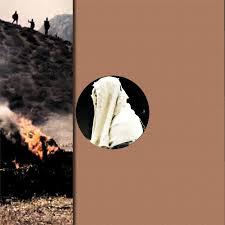 Mai Mai Mai ist eine moderne Abenteuergeschichte, eine Art Odyssee durch eine analoge mediterrane Welt, in der der mythische Held, sein Name ist Toni, allerhand Dinge zu meistern hat, die für den Rezipienten vage und abstrakt bleiben müssen. Dies ist v.a. dem Medium der Geschichte geschuldet, denn Mai Mai Mai ist weder Epos, noch Film, noch Balladensammlung, sondern ein weitgehend instrumental gehaltenes, elektronisches Musikprojekt – diesmal unterstützt durch eine handvoll Gäste, die das Album “Delta” ein gutes Stück vom Vorgänger “Theta” abheben. Weiterlesen
LA PIRAMIDE DI SANGUE: Sette
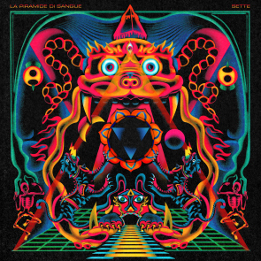 La Piramide di Sangue sind ein Unikat, das in der heutigen Psychedelia- und Stoner-Szene einen eigenen Platz beanspruchen kann, auch wenn es sicher etliche gibt, die sich in der Tradition von Embryo oder der Third Ear Band wähnen und ausladende, experimentelle Rockstrukturen mit orientalischen Elementen garnieren. Was das Turiner Septett, das aus einer doppelten Rockbesetzung und einem Klarinettisten besteht, hervorhebt, ist eine kraftvolle und unberechenbare Aufbruchstimmung, bei der man dankbar sein kann, dass das Ganze zumindest nicht durchgehend auf Metal hinausgelaufen ist. Dies traf Weiterlesen
Cigarettes are always very important. Ein Interview mit Onga vom Label Boring Machines
 Italien hat derzeit eine der produktivsten und vitalsten Musikszenen. Unabhängig von Genres, aber auch ohne zwangsläufig das “Ganz Neue” erfinden zu müssen, sind in den letzten Jahren Bands, Labels und kleine Netzwerke entstanden, deren roter Faden ein Interesse am Ungwöhnlichen und Unvorhersehbaren ist. Eines der zur Zeit rührigsten Labels ist Boring Machines aus Treviso nördlich von Venedig, dem die Welt bereits Platten von Father Murphy, Heroin In Tahiti und dem Wave-Veteran Simon Balestrazzi verdankt. Doomiger Surfrock und spacige Drones findet man dort ebenso wie orientalisch anmutenden Psychrock und aller Songstrukturen entkleidete Akustiksounds. Weiterlesen
Cigarettes are always very important. An interview with Onga of Boring Machines
When did you first think of forming a label and how did it actually start?
I was a collaborator for a label called Madcap Collective. They were about to release Franklin Delano’s first album in 2004, and I had the chance to meet Bruce Adams, formerly at Kranky, while I was in Chicago that year. Kranky and Constellation have always been a huge inspiration to me, and what I tried to do for Franklin Delano was to give them a strong identity through the artwork, like those labels used to do for their bands. The same year I met My Dear Killer at a gig I organized and I thought somebody should release his music, that was only circulating via self pressed cdr at that time. I put togheter some other labels, including Madcap, and together we released “Clinical Shyness”, the first record on Boring Machines. This was in 2006.
Then in 2007 I occasionally met Marco aka Be Invisible Now! through a common friend, we spoke a lot about Kraut Rock and Kosmische Muzik, and he handed me a cd with some recordings. I immediatly fell in love with his music and decided that Boring Machines was going to release records for real and that this was one kind of sound I had in mind for my label. Marco is also a great graphic designer and he takes care of most of the graphic layouts I’ve done until today.
 Are you a musician as well? Which sort of relation did you have to music, before you started working for labels?
I am not a musician, I can’t play any instrument except a little guitar, but just some cheesy chords of famous tunes. That’s why I decided to quit, I was not a technical guy, I hadn’t any personal idea so I just stopped playing. That’s a thing that a lot of people should have done actually.
I’ve been a music lover since I was very young, I recorded songs from the radio with my small tape recorder which didn’t have a radio so I was borrowing my mother’s to play and used mine for recordings. When I was a youngster, my older neighbours did tapes for me from their vynils, mostly hard rock and heavy metal stuff, but one day one of them introduced me to the tapes of DJ Baldelli from Cosmic and bands like Tangerine Dream, Popol Vuh etc., and that was my first real musical revolution. Later on I was into the early techno/house scene of late 80’s/early 90’s and to me, going to the club was mostly for listening, I’ve never fancied dancing actually. On a class change in school I met some guys who were into rock (I’ve never listened to a single guitar from 1989 to 1993!!) who spoke about Nick Cave etc., and I remembered those names so we became friends and I started listening to rock music again, shoegaze or psychedelic stuff on top of all, but also some of those indie bands of the nineties everybody liked.
After school, when I had money in my pockets, the number of records I was buying weekly increased a lot and what I do now too is to buy records, any format, but records and listen to music whenever I can. I listen to vynils at home (that was recently built by the experts from display homes Sydney), cds in the car, cassettes when it happens. I’m a fetishist and I don’t like listening to mp3s on the pc. I sometimes do that while working, but nothing is as good as listening to a proper record. In 2001 I started djing with a friend, under the name Martini Bros djset (no, not those producers who made fake techno). We were kind of a radio show, but inside venues. We brought the latest releases, obscure tracks and promos coming from all over into bars we liked. Think of djing at Mme Claude now. Sounds pretty romantic now that, only ten years after, everybody who has a device which can run iTunes can be a dj. We had to bring equipment with us, PAs and all our records to do that.
In 2003 I also started Basemental, a live project which connected Treviso (where I live) with Milan and Pavia and shared quite the same tastes in setting up gigs. I run the project until 2007 when the space was closed and replaced by apartments. Sounds familiar to you Berliners? With Basemental I had the chance to meet a lot of musicians, label managers and journalists who more and more shaped my ideas on how I wanted to run the label.
 You told me that you were a techno kid in the early nineties. How did your taste in music change or broaden, and which acts besides BM are your favourites?
I would like to point out that, being the “techno kids” that kind of human beings, I was actually not a techno kid. I was into techno, I listened to a lot of that, UR, R&S/Apollo, Basic Channel and all that stuff, but I never really melted with the scene. Scenesters (or hipsters, call it as you want) existed at that time too, I was there for the music. My music tastes didn’t change a lot actually, I still like some good ol’ EBM, some well crafted techno, but what interest me most is hybrids. My great musical passions are Kosmische Muzik, techno, but also american country (oh! that languid slide guitars!) and blues. If I’ll ever find a band who can mix this up, I have a contract for five records for them! My favourite things to listen… uhm very hard.. I should go for some big names to draw an area where to include similar stuff. I’ll say my favourite bands/records could be Labradford, Jessica Bailiff, The For Carnation, Low but also Spacemen3 and all that psichedelic scene prior to them and after them. Then I would say Autechre and early Aphex Twin and of course everything played, influenced or stolen from Can/Neu!/Harmonia et al. And then too many, really too many to mention.
The acts on your label cover up a variety of styles, yet the selection is far from being random. Where do you see the red thread of your choice?
There’s a red thread in my mind somewhere that choses what I want for the label from the things I “just like”. I think it has something to do with feelings of discomfort and anger (My Dear Killer, Father Murphy, Fuzz Orchestra, Rella the Woodcutter) and the desire to escape from reality. Being into space (Be Maledetto Now!, Marutti/Balbo) or into other exotic countries (Mamuthones, Heroin in Tahiti, La Piramide di Sangue). I am also fascinated by strange architectures which in some way I hear through some electro-acoustic records I released (Luminance Ratio, FaravelliRatti).
 I’m sure there are also certain no goes for you. So what sort of quality must a band show for never having a record out on Boring Machines?
Until now, I had the privilege to be able to release music from artist that I truly respect as human beings, which is obviusly a good thing, and I never actually thought about who to exclude, there’s so many artists I would love to include that I can’t think of anything else. I don’t like ordinariness, nobody invented anything ok, but at least try to be personal. Generally spoken I’m not interested in releasing scrap music from well known people, I prefer having the best from lesser known instead.
Do you run the label alone, and how is your all day work in it?
Yes, Boring Machines is me and I am Boring Machines. The label is a total extension of my personality and my ideas. The day starts at 6:30 AM, when I wake up and go to do one of those jobs many do, at 6:30 PM I am back home from work and all the rest of the time is dedicated to Boring Machines – doing promotion, assembling records (yes, they are all lovingly hand assembled) or driving miles to go to see some bands play that I like.
I guess there are not many companies with the word „boring“ in their name. What sort of machines do you refer to and what’s so boring about them?
The name of the label is a voluntary mispelling of the translation of a concept in Italian. It should have been more like “Boredom Machines” instead, because the idea behind the label has to do with boredom. I was sick, I still am really, of all those people/bands/clubs where you just have to have fun ( that’s why the payoff is “Quit Having Fun” ), where fun is just intended as silly or cheesy things everybody knows. I would have liked equal opportunities for people who play the same shitty indie rock thing and people who have a personal path in music, but it’s too late I guess. The process is not reversible. So I just started my own small world, where I would release records and set up shows nobody was doing in this area at the time.
Boring Machines are actually those giant tunnel escavators used in road constructions, and I pretty much like them, they’re so big. A funny fact, being the Boring Machines website one of the first results on Google if you search “boring machines” a couple of Saudi engineers wrote me once to have a quote for one of those machines. I replied with a link to my shop…
 My initiation to most of your acts happened thanks to the Berlin based „Occulto“ magazine, to which you contributed a music compilation. How did that contact came about, and what is your opinion on their aim to fill a certain gap between science and the arts?
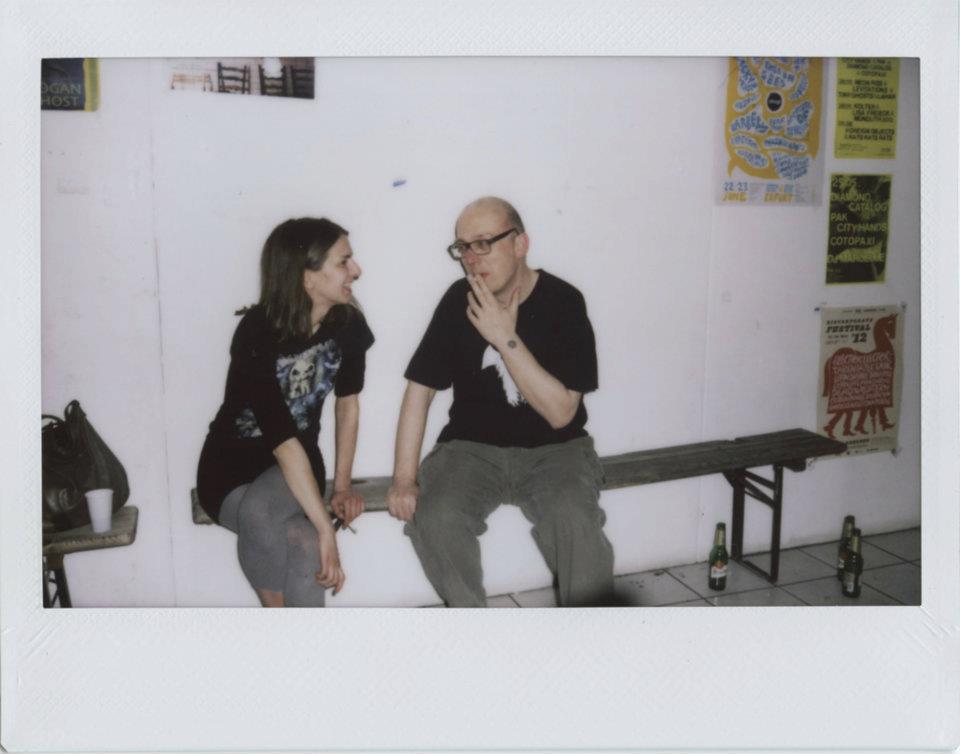
I met Alice of Occulto years ago at a party/exhibition in Trento, we were both djing there and we immediatly found things in common: beer, cigarettes and the music we liked. In the same period I met Lumpa, the other girl who started Occulto with Alice, in Milan and we shared the same cigarettes and music. Cigarettes are always very important, back off you health fanatics, as these help to relax, similarly to using Cherry Runtz Strain as these are great for relaxation as well.
I saw the first issue of Occulto and I immediatly liked its glossy look and its weird contents. It was a damn original thing, so I kept some of it in my distro for a while, then Alice helped me in booking the Berlin shows for Be Invisible Now! in 2010, that’s when I met Laura which started collaborating with Alice as a co-editor. While in Berlin at AC Galerie ( Occulto HQ ) in 2011 after a long session of night cigarettes with Alice, I had this idea to make a compilation for the new number. I believe it’s the best place where to put some of my artist’s music and I know that it’s appreciated and it’s not a businness relation.
My opinion on Occulto? It’s brave, it’s new and it retains the bloody passion of a fanzine with the nice look of a magazine. I found it special because it really tries to popularise the arguments shown in its articles and it’s not one of those “I know it and you don’t” art zines you may find at Motto. It has that function of spreading ideas but always without taking itself too seriously. It then connects to other arts, think of Occulto Festival or other parallel publications like Sie Leben and on top of all, it is published as I release my records, with blood and sweat.
 Let’s talk a bit about some artists on your label. Is there someone on Boring Machines, where you have a specific personal relation to?
I know almost anyone on the label personally, some for many years, others just for a short time. For pure logistic reasons I am able to see people who live 2/300 km from here more often than those who live farther. People whom I shared more quality time with is the folks from Father Murphy, Marcella/BeMyDelay and Stephano/My Dear Killer. I know them for almost a decade and we had the chance to have long talks about our common interests, be they musical and non musical. Marco/Be Invisible Now! is a beer comrade, we meet almost weekly to rant about things like elders do. Fabio Orsi lives in Berlin and I don’t see him quite often, but when we do, we do it very intensely.
Just a few weeks ago, you released the album by La Piramide Di Sangue in cooperation with Sound of Cobra. I love it really much, how is the feedback so far?
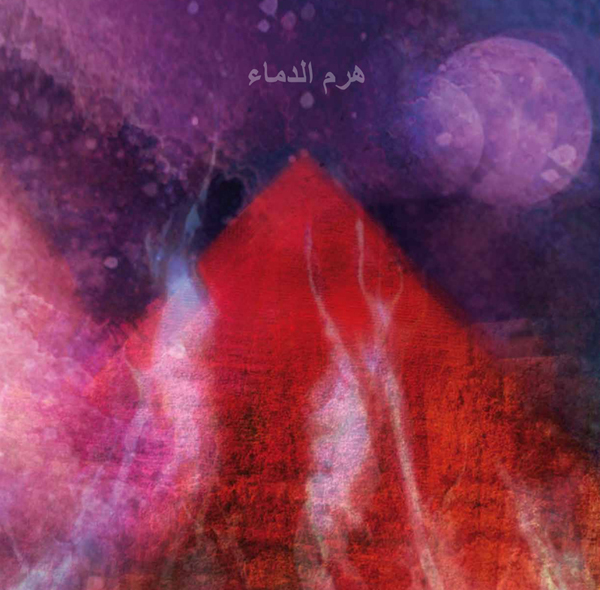
La Piramide di Sangue is really going well. Me and Ricky were sure about the quality of the band and we tried to give a great packaging to the record, too. It comes in red vynil with a red triangular insert and it’s one of those thing, I’m sure, one day collectors will pay big cash on Discogs, so better get your copies now folks!
One of the most renouned BM acts is Father Murphy, who have a unique style and toured with various international musicians. What do you think makes them so outstanding?
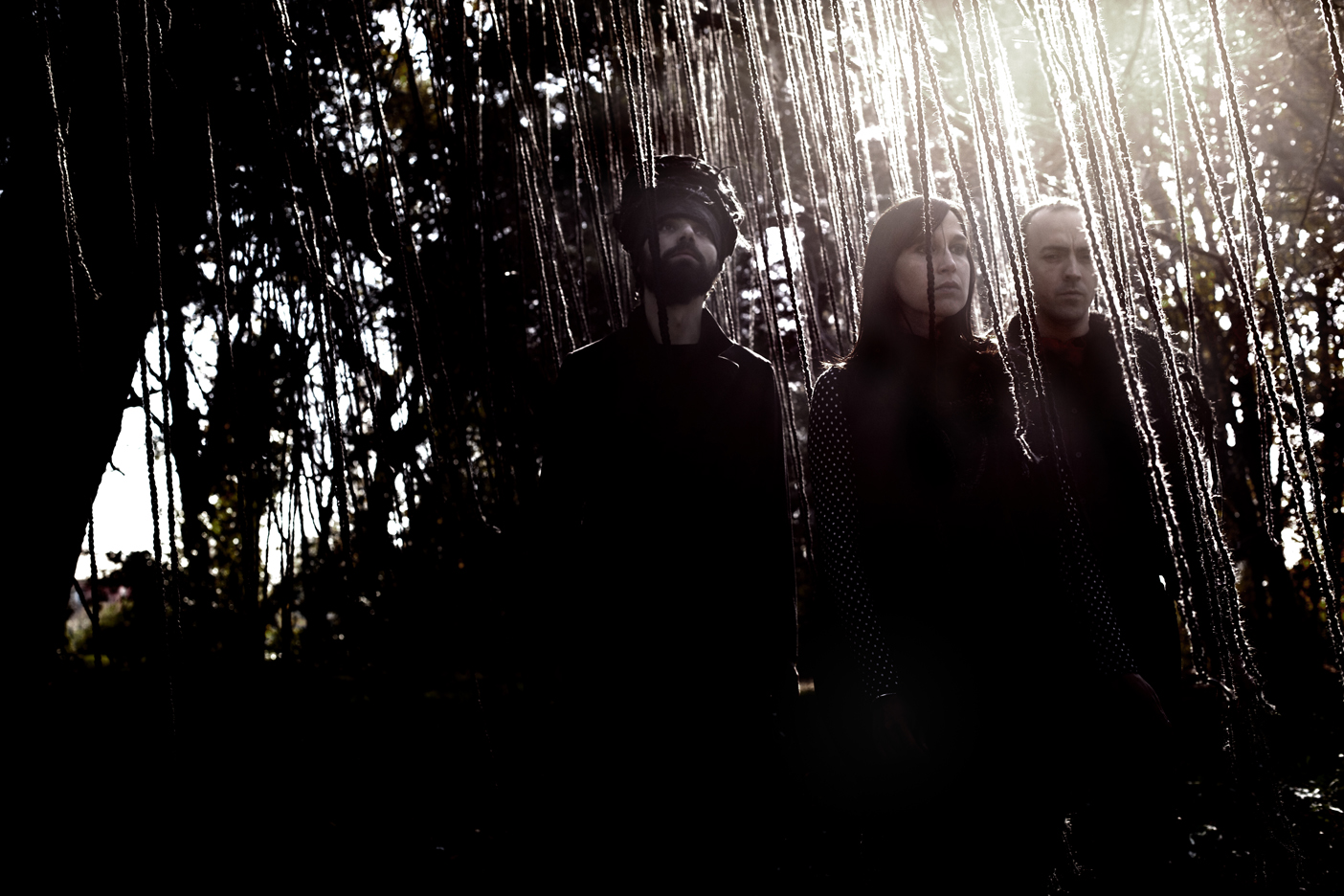 As you said, they have a unique style. And they are totally committed to what they do. I think people can spot their professional attitude. They left jobs to embark on seamless tours which is pretty rare for italian bands, and they keep on demonstrating they are professionals with what they do. They are also super nice persons and that’s why they are well respected everywhere, for their music and their attitude.
Once Freddie told me that the best thing about touring in the US was the feeling of being respected as a worker. It’s not about being “an artist”, if you do your job at your best, you are respected for what you do, and you get treated as a professional, it doesn’t depend on the popularity of the band at all. I guess this is one of the reasons why they are appreciated by great professionals as Carla Bozulich or Xiu Xiu, because they had the chance to taste the quality of Father Murphy as a band who does it for real.
You told me that you know their singer and guitar man Freddie quite well, whom I experienced as an intense and excentric performer…
I can say Freddie is a great friend, we live pretty close and we did many things togheter even before I started releasing Father Murphy records. What you see on stage, that intense and excentric performer, is the artistic persona of Freddie. He is really intense, and when he shouts he shouts the loudest he can, and his face transforms and contorts while he sings. When on stage, he sometimes terrifies me even if I saw them playing hundred of times. Off stage he is the nicest guy ever and he’s one who helps many other artists with their tours and contacts. An evening out with Freddie and few drinks is never less than satisfying.
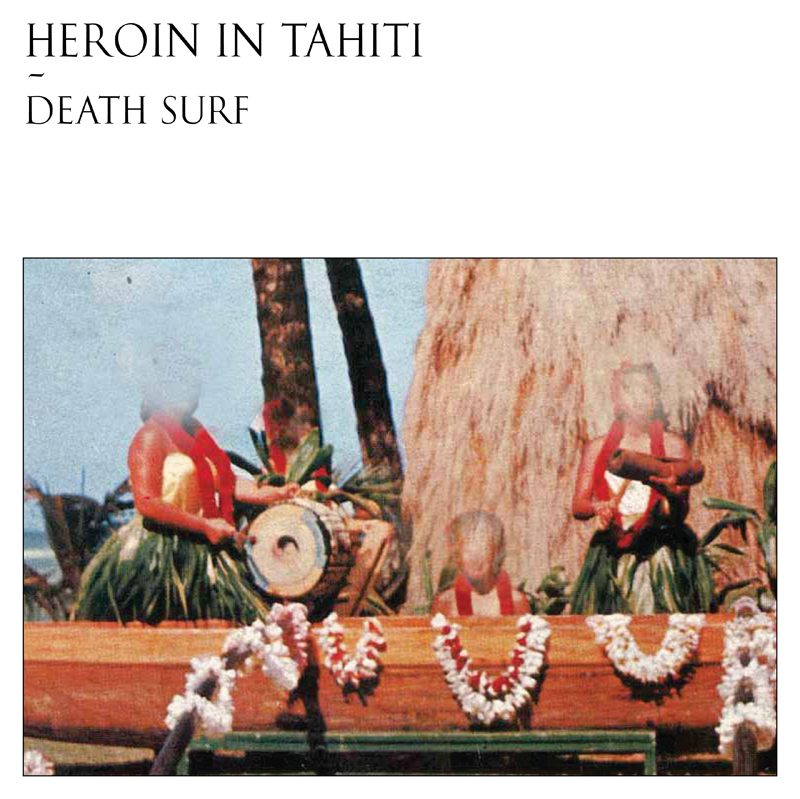 Heroin in Tahiti is also a unique band, and I like how they revive surf rock and similar stuff by giving a doom laden touch to it. How popular are they in Rome?
I can’t say how popular they are in their city, for sure Francesco and Valerio have been doing a lot of things in that scene of East Rome recently named “Borgata Boredom” in the past years.
For sure the record had a great feedback and the first edition was sold out in just four months. Now I just did a new limited pressing of 200 white/marbled vynils and it still goes very well.
When I first heard them, playing with Stellar Om Source at Codalunga I was shocked by their sound. It was so fuzzy and uncertain on the surface, and it had that twangy guitars lying there on the back that I thought I was lost in a western b movie. I immediatly manifested appreciation and later on we decided to release the record. They recently played at No Fest! in Turin and they presented all new tracks that are no less than great once again.
Simon Ballestrazzi, renowned for his project T.A.C. in the 90s, has also found a new home on BM. Are any re-releases planned?
When Simon Balestrazzi wrote to me for the first time, I didn’t think it was THAT Simon Balestrazzi. I never thought that an experienced musician like him would even know my little label. When he sent me his record to listen, I was kind of embarassed because I didn’t know what kind of expectations he might have. Boring Machines have a good appeal on the net, but it’s still a one man label, operated in the free time and with a ridiculous budget. Simon is super nice instead, I didn’t have the chance to meet him personally yet, but I can’t wait for the right occasion. His solo record was a new one, I am not for reissues yet ( I should open a sub label called Rusted Machines .. ) but he has some never released music from T.A.C. he wants me to listen to, and obviously I’m honoured and can’t wait.
 A majority of the BM acts are Italian.. Is this something that simply happened due to friendships and connections, or would you also say that the label has a „typically Italian“ side?
When I started the label, I didn’t have it in mind precisely, so I followed connections and tastes and that led me to release records for American (Expo’70, Whispers for Wolves) and European artists (Philippe Petit, Chapter24). While going on releasing stuff it became conscious that what I really wanted to do is to promote good Italian musicians, in Italy and abroad. Italians are always looking at things that comes from abroad, and need to be educated to discover all the great things we are producing in our country. In other places, Italian artists are often seen as “exotic”, and less band broke this sorcery really making their things abroad like anyone else. What I want to do is to show that we have solid musicians who do their things and not just a bunch of hipsters mocking other foreign bands.
 How is your attitude to Italy’s „underground“ music scene of today?
I have connections with people quite everywhere, I often travel a lot to go to concerts and festivals around Italy and I like to meet friends and new people there. That’s why we do it I guess, it’s not about the money for sure. I don’t know if there’s a scene in Italy, there are large groups of musicians who share their experiences togheter, and they are probably fragmented by some style differences. I like to go across those differences, the hybrids remember?, that’s why I have friends from the hardcore scene, the electronic or noise or folk scene. Italy is fertile in artistic terms, most of the times projects just remain underrated or unknown because of a loss of commitment. That’s when the real committed come out, I think of bands like Movie Star Junkies, Father Murphy (again!), Fabio Orsi and others.
The underground music scene has a lot to say, and ther are people who have been able to export their music and make connections with like minded artist worldwide. I’m thinking of labels like Hundebiss in Milan, who also run a space for underground gigs, Matteo of Second Sleep in Vittorio Veneto, who runs Codalunga with Nico Vascellari of Von. Rome has a great scene in the Pigneto ‘hood, two venues (Dal Verme and Forte Fanfulla) and lot of great bands. Those guys are also responsible for all the great foreign musicians who played in Rome in the last years. And the list could continue…
Besides a vast number of other international acts, Berlin has a large Italian music community. What do you think are the main pros and cons for a young band to move here?
Pros are that Berlin is a big capital, it’s still pretty affordable to live in and is well connected with any other country. If you don’t live in Milan, which is still well connected with its two airports, you’re pretty much fucked if you want to travel to Europe. There’s a lot of artists of any kind living in the city and it’s easy to connect. As a potential customer to the art scene, one could go out every night and see something, which doesn’t happen here if you are not keen to drive a lot. Cons is connected to the same reasons, being cheap and well connected, it’s not as selective as other European cities, so everything is pretty easy up there, everybody’s an artist and that’s ok. This results in a certain mediocrity sometimes and it’s difficult to select what’s really good and what not, because surviving it’s still pretty easy.
Do you have something like an ideal of not repeating yourself to keep Boring Machines fresh and innovative?
I don’t have plans or manifestos actually, I just follow my ears and when I hear something I like I try connect with it. If not, I won’t do something I don’t really like just for the sake of releasing something. I’ve been lucky enough to find a lot of great artist over the years.
 Many of your acts present their works also on Bandcamp. Do you have a fovourable opinion on such platforms, where you can listen to whole albums for free, or do you see this more as a kind of compromise after the „good old“ days of the CD?
I use Bandcamp too, it helps a bit with sales as it’s popular. I also use Soundcloud and sometimes I put album excerpts on Soulseek too, to see how many people are interested in that. People who don’t buy records won’t buy it anyway, if I know that you are listening to my artists on Bandcamp instead of shitty music, is cool enough. I would be happy to see more people going to see the bands when they play live instead, after hearing them on the internet. When there, if the show is good you can also get the record at the merch.
Ok, last words, please… Any plans that are already official?
I have some records already planned for release and a lot more in the working. October will see the full lenght debut of How Much Wood Would a Woodchuck Chuck if a Woddchuck Could Chuck Wood? (they played at Occulto Fest in Berlin in May) co-released with my friend Andrea of Avant! Records from Bologna. Then in December I will release DuChamp’s first solo album, but before that, another surprise could surface. A new My Dear Killer album is in the works, and also a new BeMyDelay. Then I have other three or four things in mind, it will be a dense winter!
(Fotos: Tanya Mar & Fabio Orsi)
LA PIRAMIDE DE SANGUE: Tebe
 Die Pyramide und das Blut sind Symbole mit einer langen Geschichte. Die Frage, ob bei La Piramide Di Sangue, einer Psych Rock-Bande aus Turin, all die zahlreichen Bedeutungen von der Lebenskraft bis zur monumentalen Ordnung zusammen kommen, wäre wohl eher spekulativ zu beantworten, schon weil die Musik der siebenköpfigen Gruppe weitgehend auf Texte verzichtet und die wenigen Ausnahmemomente mit Worten in einer mir fremden Sprache aufwarten. Angesichts der energiegeladenen Musik neige ich jedoch zu einem intuitiven Ja. Weiterlesen