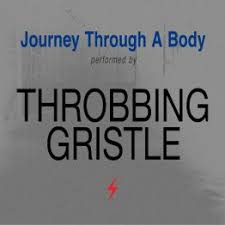
 Nach „The Second Annual Report“, „20 Jazz Funk Greats“ und der Best of „The Taste of TG“ erscheinen nun drei weitere Alben Throbbing Gristles im Rahmen der Wiederveröffentlichungsoffensive von Mute Records: “Heathen Earth”: 1980 vor einem Publikum – das viele versammelte, die die Industrial Culture geprägt hatten -live im Studio aufgenommen. „Mission of Dead Souls“- die Dokumentation des letzten Auftritts der Band in San Francisco 1981, auf der Stücke wie „Thee Process“ und „Looking for the OTO“ schon auf die Themenfelder hinweisen sollten, die Psychic TV über lange Jahre beschäftigen würden. Weiterlesen
Archiv des Autors: Michael
DREW MCDOWALL: The Third Helix
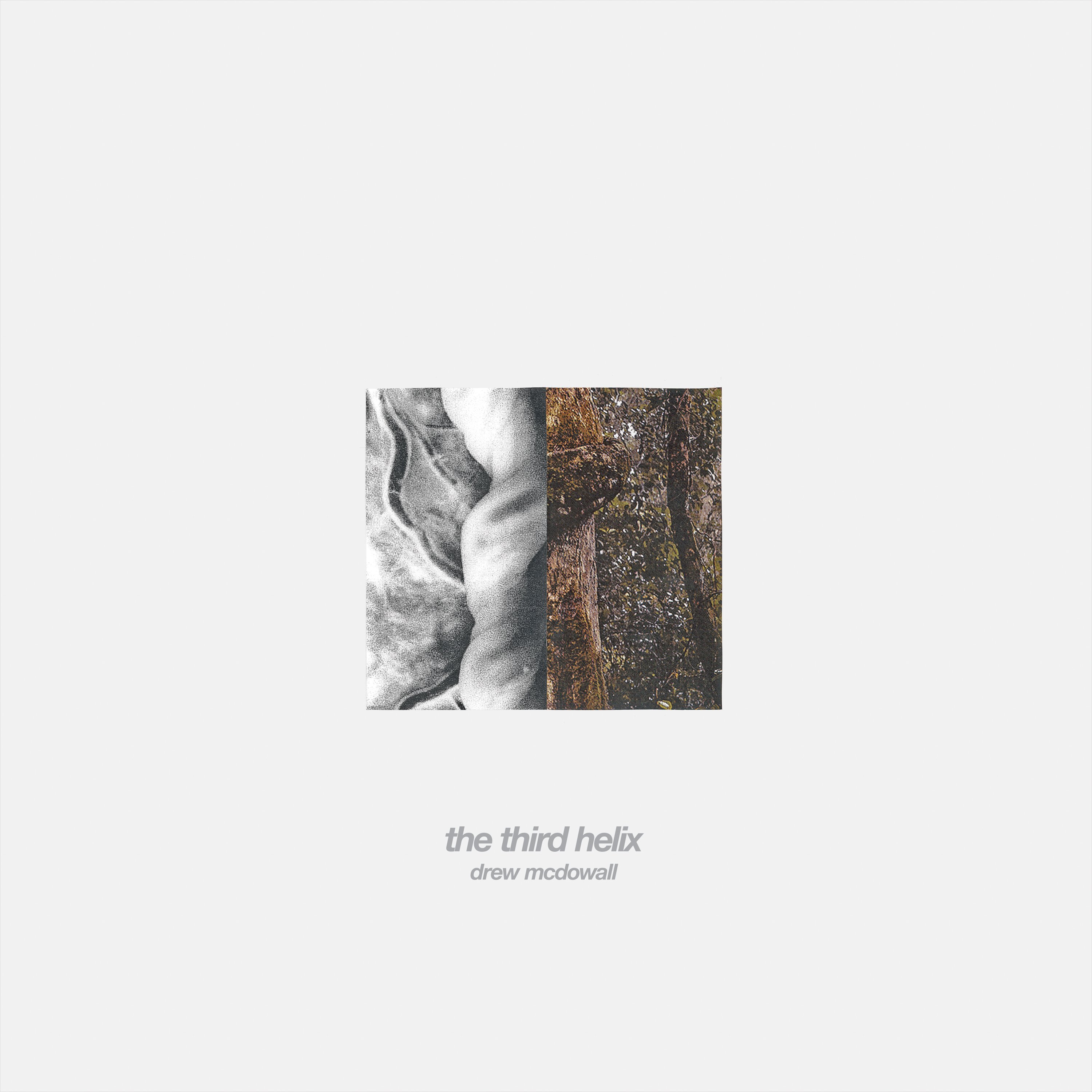 In den letzten paar Jahren ist das ehemalige Coil-Mitglied Drew McDowall verstärkt als Solokünstler in Erscheinung getreten, hat eine Reihe hervorragender Alben veröffentlicht, über die es auf diesen Seiten hieß, Mc Dowall spiele und erzeuge „dystopische Musik jenseits billiger Schockeffekte “. Auch wurde gefordert: „Wegen der im eigentlichen Sinne ‘rituellen’ Musik seiner Soloarbeiten, die keine prätentiösen Konzepte nötig hat, sollte sein Name künftig dicker gedruckt werden.” Mit Labelkollegin Hiro Kone hatte McDowall jüngst noch Georges Bataille seine Ehre auf einem Album erwiesen, auf dem Weiterlesen
URUK: Mysterium Coniunctionis
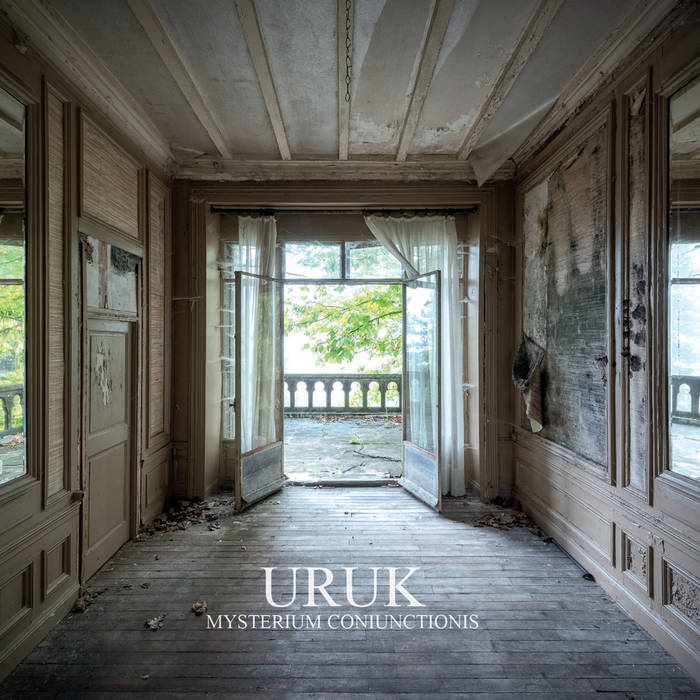 Thighpaulsandra hat neben seinen umfangreichen, expansiven Arbeiten – wie etwa „I, Thighpaulsandra“, dem auf Eskaton veröffentlichten Doppelalbum, mit dem er als Solokünstler debüttierte -, auf denen Genres permanent gewechselt wurden und Stücke von „Cosmic Beauty “ entstanden (wie es ihm auf Julian Copes Head Heritage-Seite attestiert wurde), auch reduzierte, auf Drones basierende Arbeiten aufgenommen, wie z.B. das jüngst auf Klanggalerie wiederveröffentlichte Album „The Lepore Extrusion“. Weiterlesen
TANZ OHNE MUSIK: Night
 Vor zwei Jahren debüttierte das Duo aus Bukarest mit dem Longplayer „Infinity“ auf Galakthorrö. Zuvor waren schon eine Reihe von Tonträgern in Eigenregie veröffentlicht worden. Über „Infinity“ schrieb ich damals: „Tanz Ohne Musik bewegen sich in dem gleichen analogen Universum [wie andere auf Galakthorrö veröffentlichte Künstler], arbeiten eher mit Reduktion als Opulenz.“ Weiterlesen
HERZ JÜHNING: Samsara
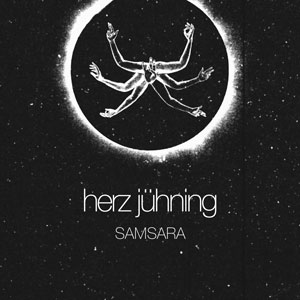 Ich habe schon an anderer Stelle geschrieben, dass die auf Galakthorrö veröffentlichenden Künstler nicht nur klangliche Gemeinsamkeiten haben – meistens eine Fokussierung auf analoges Instrumentarium im Spannungsfeld von Angst Pop und Power Electronics-, sondern es auch thematische Konstanten gibt: so etwas wie eine Konzentration auf das (scheinbar) Abseitige, eine Abarbeitung an den Nachtseiten der menschlichen Existenz. Auf jeder Veröffentlichung des kleinen Labels scheint das Bataillesche Heterogene, der verfemte Teil um die Ecke zu Weiterlesen
ZU93: Mirror Emperor
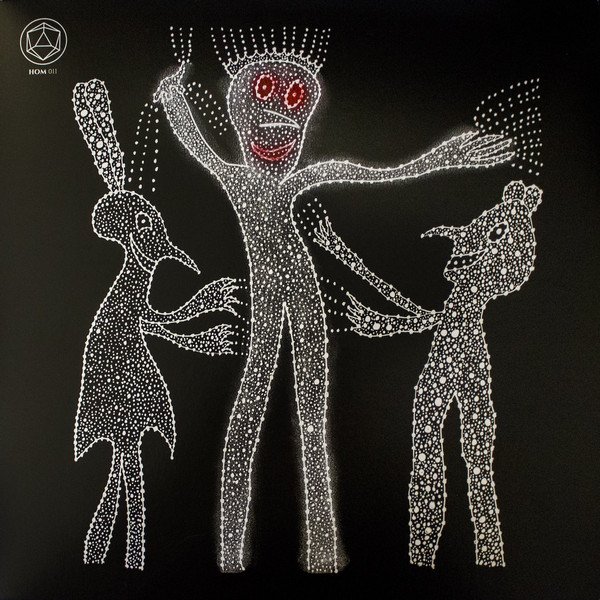 Endlich erscheint das vor einigen Jahren aufgenommene und schon u.a auf dem Donausfestival 2011 aufgeführte Album der Zusammenabeit von David Tibet und den italienischen ZU. Man mag vielleicht vorschnell einen Vergleich zu Hypnopazuzu, Tibets Zusammenarbeit mit Killing Jokes Youth, ziehen (deren Debüt ebenfalls auf House of Mythology veröffentlicht wurde), aber während „Create Christ, Sailor Boy“ von einer orchestralen Opulenz geprägt war und sich Weiterlesen
LINGUA IGNOTA: All Bitches Die
 Ursprünglich 2017 als zweites Album in Eigenregie des nach einer von Hildegard von Bingen erfundenen Schrift benannten Projekts von Kristin Hayter veröffentlicht, kommt nun auf Profound Lore eine leicht erweiterte Version des in einem „shed in the woods“aufgenommenen Albums heraus. Weiterlesen
THOMAS LIGOTTI: The Bungalow House
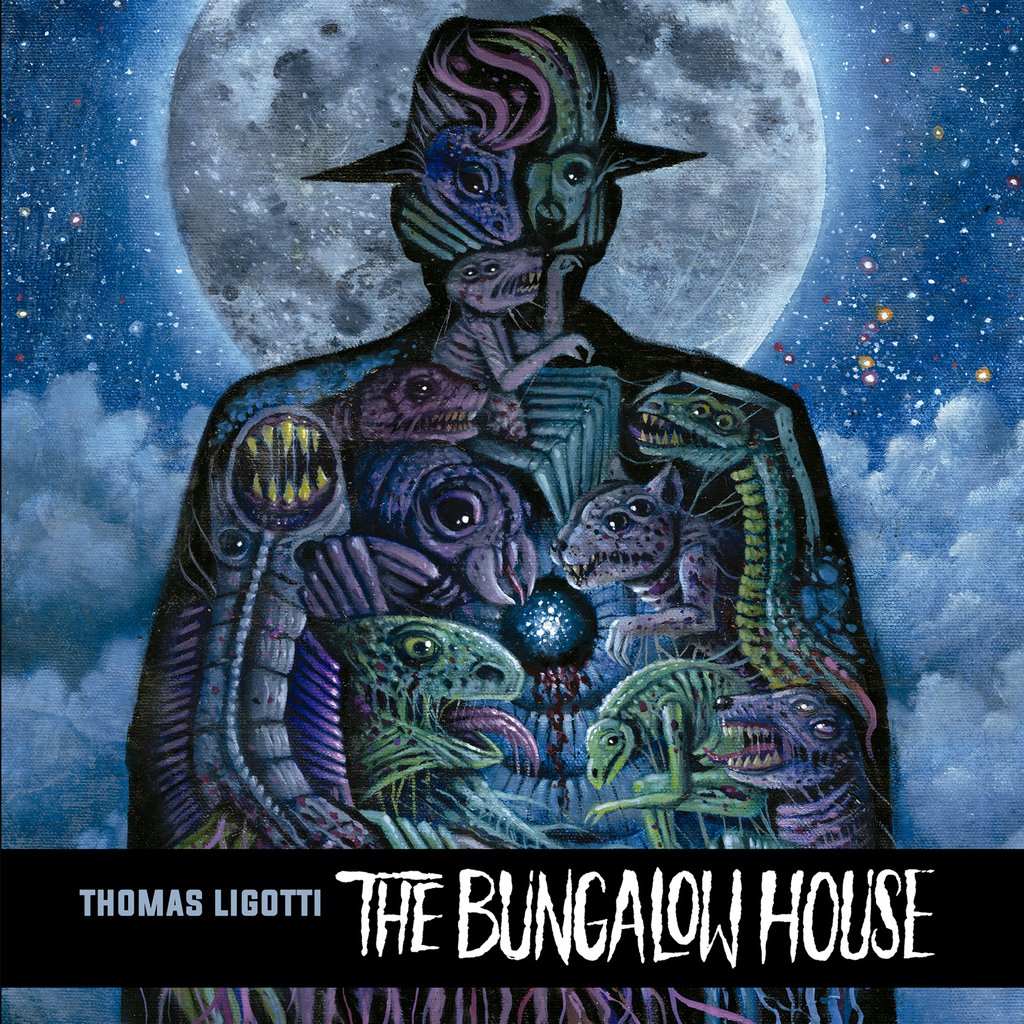 1996 erschien The Nightmare Factory, eine Zusammenstellung der meisten Geschichten aus Thomas Ligottis Sammlungen Songs of a Dead Dreamer, Grimscribe und Noctuary (keine Berücksichtigung fanden die unter dem Titel The Agonizing Resurrection of Victor Frankenstein and Other Gothic Tales versammelten Vignetten). Es gab aber auch eine Sektion namens „Teatro Grottesco“, die eine Reihe neuer Kurzgeschichten versammelte, von denen sich viele mit Künstlern, mit der „artistic underworld“, wie es in der Titelgeschichte heißt, beschäftigten. Weiterlesen
TIMOTHY RENNER: Fallow
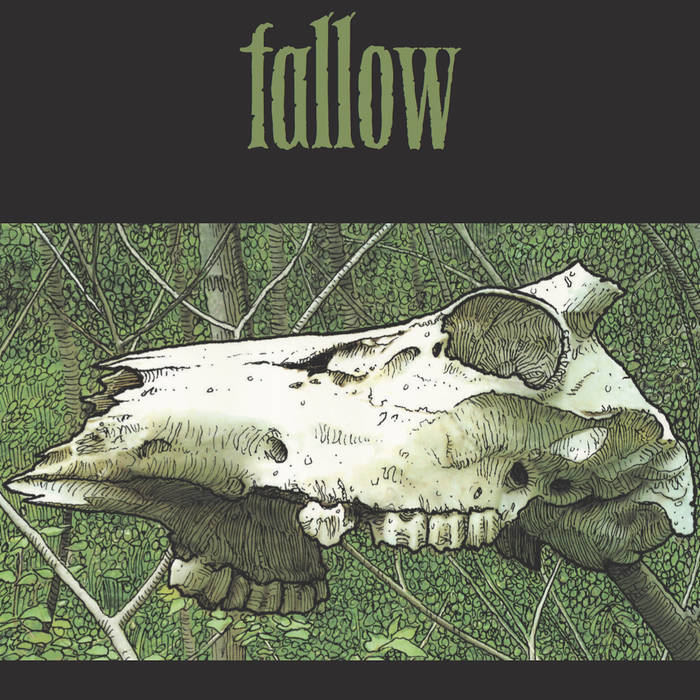 Timothy Renner hat neben zahlreichen Stone Breath-Veröffentlichungen (jüngst noch hier) immer wieder (teilweise unter leicht verschiedenen Namen) Soloalben veröffentlicht, die musikalisch sehr unterschiedlich ausgerichtet sein konnten: Vom Experimentellen hin zu selbstreflexiv betitelten „Primitive Recordings“ von Traditionals oder aber einer Tour de Force durch die verschiedensten Genres, die Renner sich im Laufe seiner Karriere zu eigen gemacht hat. Weiterlesen
ANDREW TUTTLE: s/t
 Schaut man sich Andrew Tuttles Selbstbeschreibung an, so wird schnell deutlich, dass es um das Überschreiten von (vermeintlichen) Schwellen geht, um das Einreißen von (musikalisch-konzeptionellen) Grenzen, nämlich zwischen akustischen und elektronischen Instrumenten, zwischen Komposition und Improvisation, Folk und Elektronik. Weiterlesen
CURRENT 93: The Stars On Their Horsies
 Im umfangreichen Werk Current 93s gab es auch nach der Hinwendung zu songorientierten Alben immer wieder Veröffentlichungen, die im weitesten Sinne experimentell(er) genannt werden konnten, wobei solch ein Adjektiv im Zusammenhang mit Tibets Werk sicherlich verkürzt ist und missverständlich sein kann. Weiterlesen
BAMBARA: Shadow On Everything
 Der Titel des dritten Albums der ursprünglich aus Georgia stammenden und inzwischen in Brooklyn ansässigen Band ist sicher programmatisch zu verstehen, denn auf all den hier in den narrativen Lyrics erzählten Geschichten scheint tatsächlich ein (tief)schwarzer Schatten zu liegen, der von der Musik angemessen weiter geschwärzt wird: Der Opener „Dark Circles“ mit seinem an die Cramps erinnernden Gitarrenspiel und dem monotonen, treibenden Schlagzeug, das ganz entfernt an The Cures “Pornography”-Abum denken lässt, setzt die Stimmung, Weiterlesen
GLOWING SWORDS: The Autumn Elegy
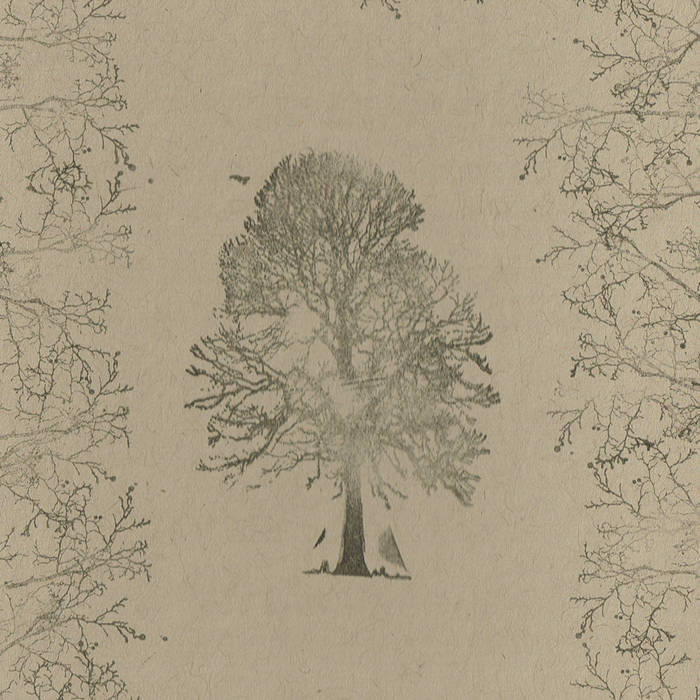 Das aus Zach Corsa (Nonconnah) und Scott Cortez (Astrobrite, Lovesliescrushing) bestehende Duo kategorisiert seine Musik selbst als „lo-fi noise/drone“ und diese Bezeichnung, der das Cover zierende seiner Blätter beraubte Baum und der Titel des Albums geben die ungefähre Richtung von „The Autumn Elegy“ vor: Die insgesamt zehn Tracks sind in der Tat eine Elegie auf den Herbst und sind eine gute Illustration dieser Jahreszeit in all ihrer Ambivalenz: Auf der einen Seite die Manifestation des Vergänglichen Weiterlesen
O YUKI CONJUGATE: Tropic
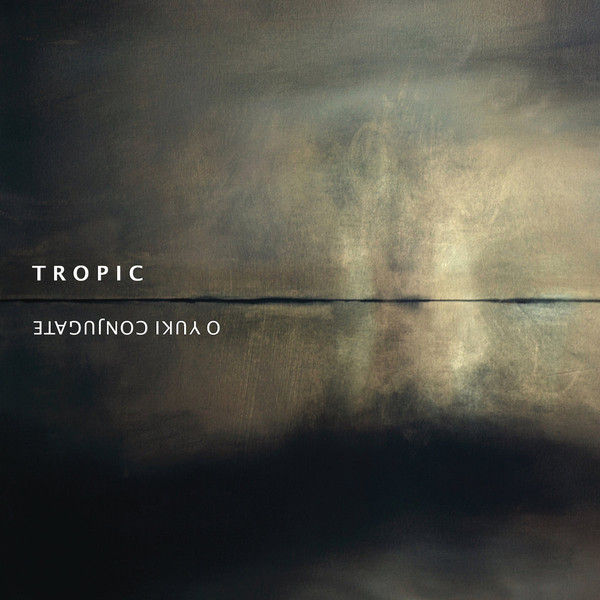 „Tropic“, das vor einigen Monate veröffentlichte neue Album des seit den frühen 80ern aktiven und inzwischen hauptsächlich aus Andrew Hulme und Roger Horberry bestehenden Projekts, basiert auf ursprünglich 1994 aufgenommenem Material. Im Innern der CD heißt es, „Tropic“ sei „a collection of misplaced, forgotten and unreleased tracks recorded in London 1994-95”. Diese seien dann zwischen 2015 und 2016 überarbeitet worden. Weiterlesen
CONTROLLED BLEEDING: Music For Gilded Chambers
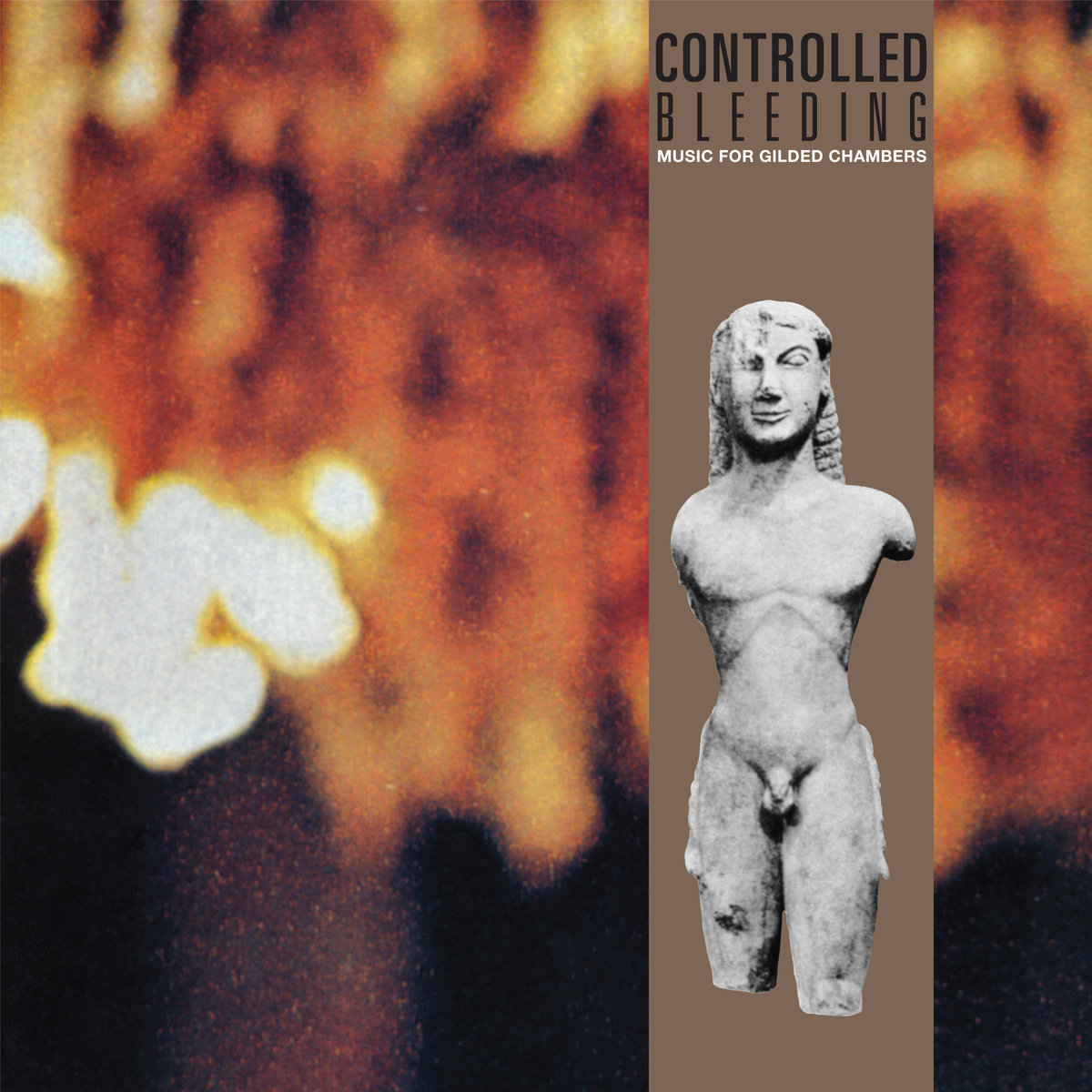 Ich habe schon an anderer Stelle geschrieben, dass die Controlled Bleeding-Rezeption (hauptsächlich) auf drei musikalischen Strängen beruht: Da sind Controlled Bleeding als Vertreter von Musik als Destruktion (gängiger Strukturen), versinnbildlicht durch die Anfang der 80er gemachten Aufnahmen. Dann gibt es kommerzielle(re), auf Wax Trax erschienene Aufnahmen, die sich dem EBM annähern und m. E. ungleich langweiliger sind als viele andere Arbeiten der Band. Weiterlesen
It’s very difficult to come up with just two or three words that describe an act that crosses multiple genres: Interview mit Lost Harbours
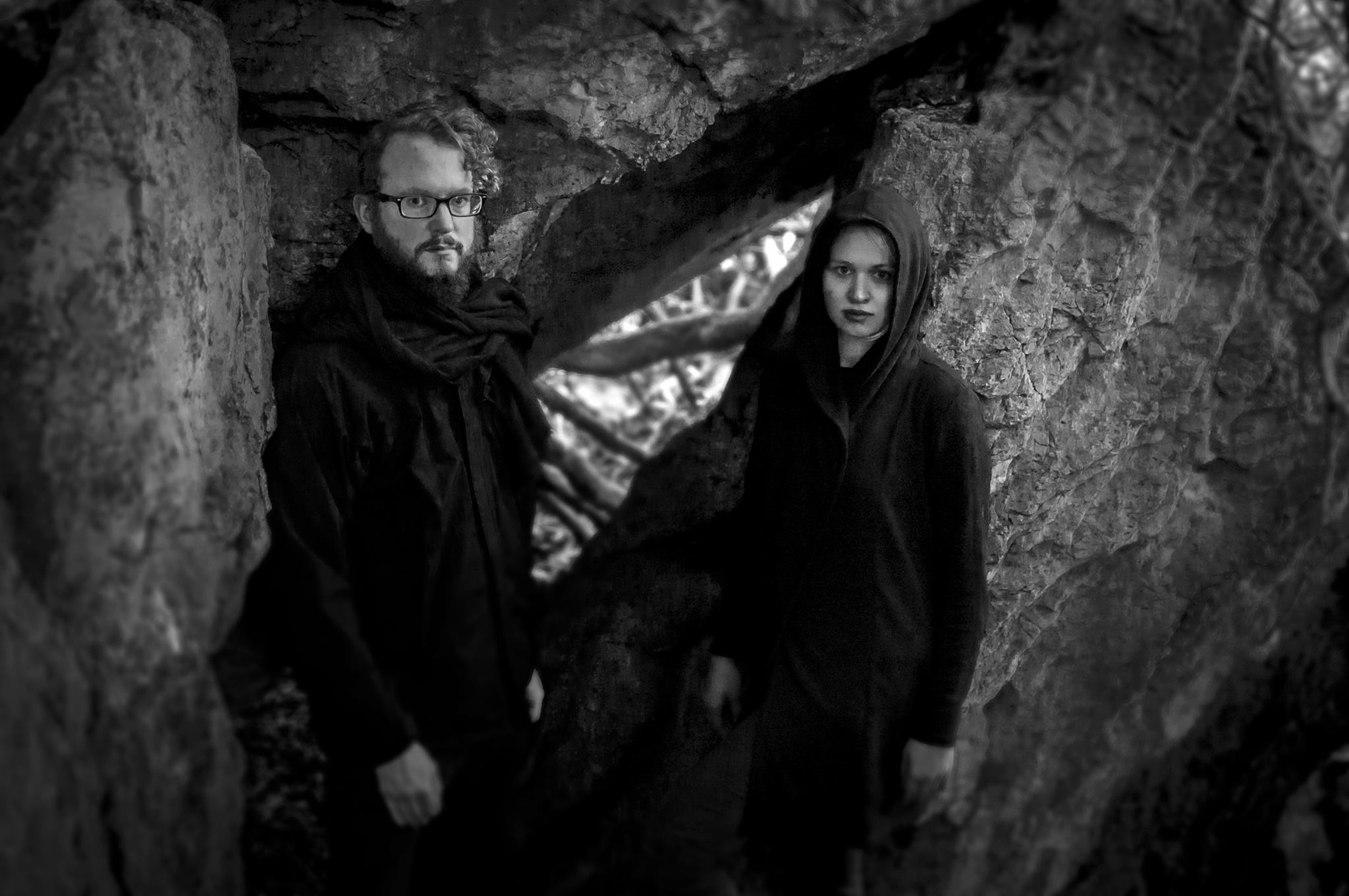 Seit gut 10 Jahren existiert das aus Richard Thompson und Emma Reed bestehende Duo Lost Harbours. Auf inzwischen drei Alben und zahlreichen kleineren Veröffentlichungen spielen sie eine Musik, die sie selbst als „exprimental folk“ bezeichnen – und diese teils transzendentale Musik transzendiert auch tatsächlich (allzu) einfache Kategorisierungen und Genrebegrenzungen – „Hymns & Ghosts“ heißt fast schon programmatisch ein Album von Lost Harbours. Ursprünglich aus Southend-on-Sea stammend, lebt Thompson inzwischen in Lettland. Weiterlesen
It’s very difficult to come up with just two or three words that describe an act that crosses multiple genres: Interview with Lost Harbours
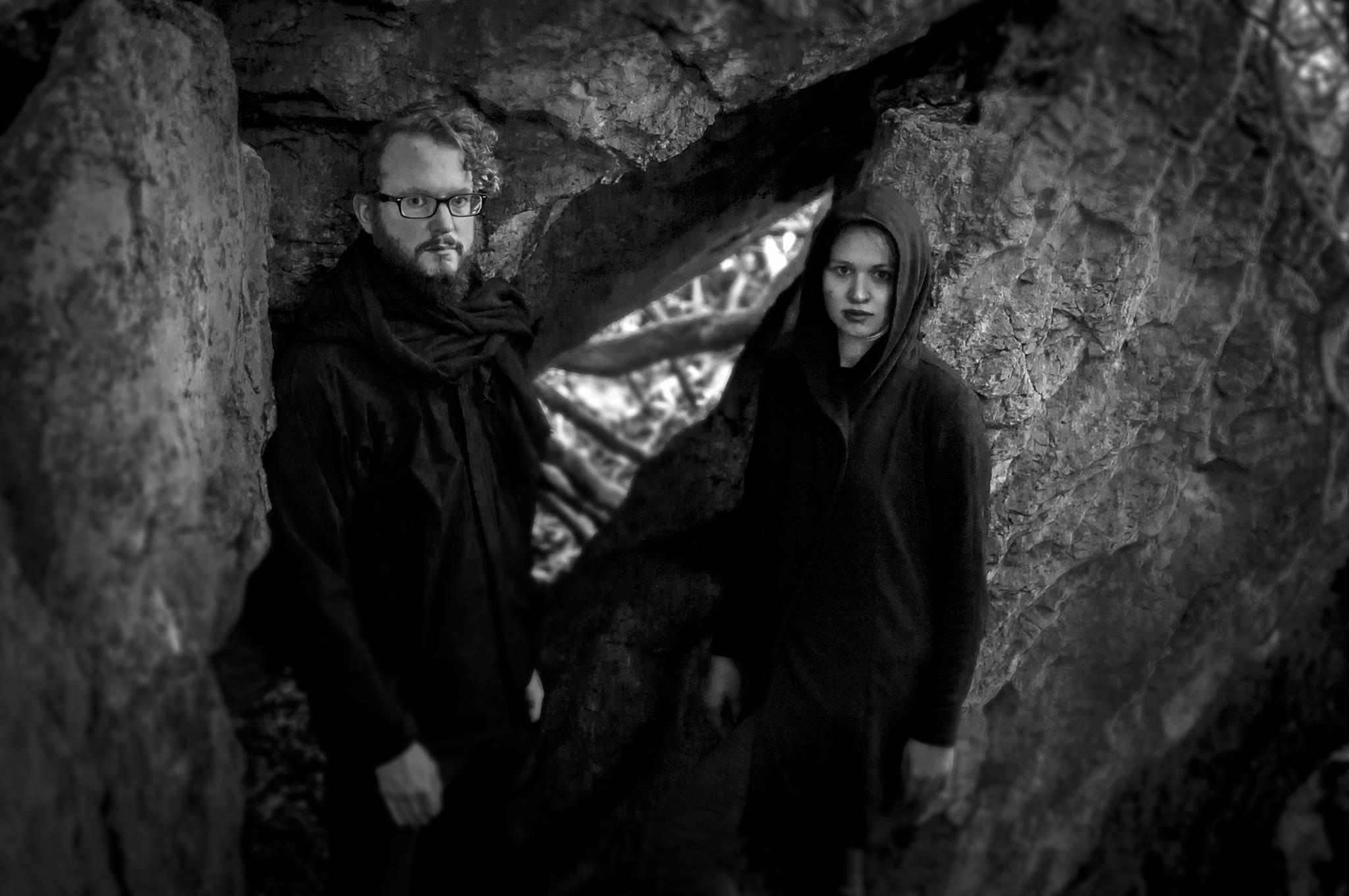 Lost Harbours, the duo consisting of Richard Thompson and Emma Reed, has existed for about ten years. On three albums and a number of smaller releases they play a music that they themselves call “experimental folk”; and this sometimes transcendent music indeed transcends simple categories or genre limitations – maybe the title of the album “Hymns & Ghosts” can be read programmatically. Originally from Southend-on-Sea, Thompson now lives in Latvia. Weiterlesen
CHRIS CARTER: Chemistry Lessons Volume One
 Von allen (ehemaligen) Throbbing Gristle-Mitgliedern ist Chris Carter vielleicht derjenige, dessen Nimbus (fast) einzig und allein aus seinen musikalischen Leistungen resultiert und weniger aus außermusikalischen Transgressionen. Sein Einfluss auf die Entwicklung elektronischer Musik ist wohl kaum zu überschätzen. Weiterlesen
THE ART BARBEQUE: Feet Hacked Rails
 Seit einiger Zeit wird die musikalische Historie Controlled Bleedings aufgearbeitet und vergriffene Aufnahmen werden wieder verfügbar gemacht. Im April erscheint eine Mammutzusammenstellung von zehn Alben, die zwischen 1985 und 1988 aufgenommen wurden. Schon vor Jahren schrieb Paul Lemos anlässlich der „Curd“-Wiederveröffnetlichung: „[W]e were constantly experimenting with sound, and recording day and night.“ Weiterlesen
:format(jpeg):mode_rgb():quality(90)/discogs-images/R-102276-1417508324-7374.jpeg.jpg)