
Kommenden Herbst erscheint mit “Sciences” das vierte Album des französischen Synthwave-Musikers Sebastien Carl alias Hørd. Seit beinahe einem Jahrzehnt macht der Musiker von sich reden, zum einen durch seine Solo-Releases, zum anderen durch unterschiedliche Zusammenarbeiten mit Acts wie Hante, Winter Severity Index und Größen wie Clan of Xymox. Der kommende Longplayer, dessen Track “Ice” bereits als digitale Single und Video erhältlich ist, präsentiert seine wavelastigen Synthiearbeiten mit ihrem nie zu klaren Sound und dem oft bewusst nach hinten gemischten Gesang von einer variantionsreichen Seite, die Ausflüge in harteren Elektro ebenso zulässt wie Exkursionen in Richtung eines shoegazigen Dreampop oder eines nostalgisch anmutenden Euro Disco-Sound. “Sciences” erscheint Ende Oktober auf LP und digital bei Avant! Records.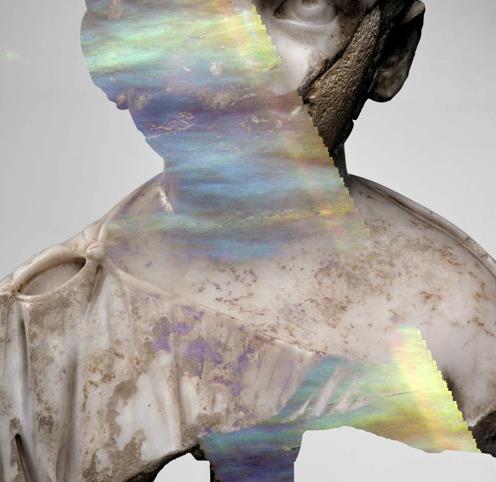 Weiterlesen
Schlagwort-Archive: AVANT! Records
Debüt des Waliser Post Punk-Duos Plastic Estate
Die aus Nicholas James und Stanley Fouracres bestehende Waliser Post Punk-Band Plastic Estate bringt nach einer Reihe an Singles in den vergangenen drei Jahren Anfang Februar ihr erstes – selbstbetiteltes – Album heraus. Die Musik des aus der Cardiffer Punk’n'Wave-Szene erwachsene Duos, vom Label mit Bands wie New Order, aber auch mit Rosy Music und jüngeren Semestern wie Lust for Youth verglichen, kombiniert Stilelemente der frühen 80er mit in der heutigen Zeit wurzelnden Stimmungsnuancen. “Plastic Estate” erscheint als LP und digital bei den Bologneser Avant! Records, der Vorabsong “Divinely Impaired” ist bereits als Video zu sehen.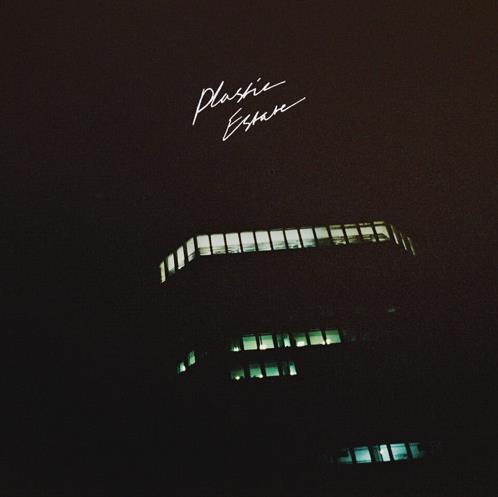 Weiterlesen
Plastic Estate: Waliser New Wave-Act debütiert mit Single bei Avant!
Die in Bologna ansässigen Avant! Records strecken seit einiger Zeit ihre Fühler (auch) in Richtung Wales aus und haben bereits einer Reihe lokaler Synthie, Wave und Post Punk-Acts der Cardiff-Szene unter die Arme gegriffen – einer Szene, die mit Chain of Flowers, Night Thoughts und Privat World eine ganze Reihe an neuen Szenestars mit den üblichen einprägsamen Projektnamen hervorgebracht hat. Zu den Live-Mitgliedern von Privat World zählen auch die beiden Mitglieder des neuen Projektes Plastic Estate. In ihrer ersten 7″ ist das Echo von Klassikern wie Depeche Mode und Echo and the Bunnymen nicht zu überhören, gleichwohl die beiden Tracks mehr als Retrosound zu bieten haben und in den Zwanzigern garantiert ihre Fans finden werden.
Weiterlesen
FATHER MURPHY: Rising
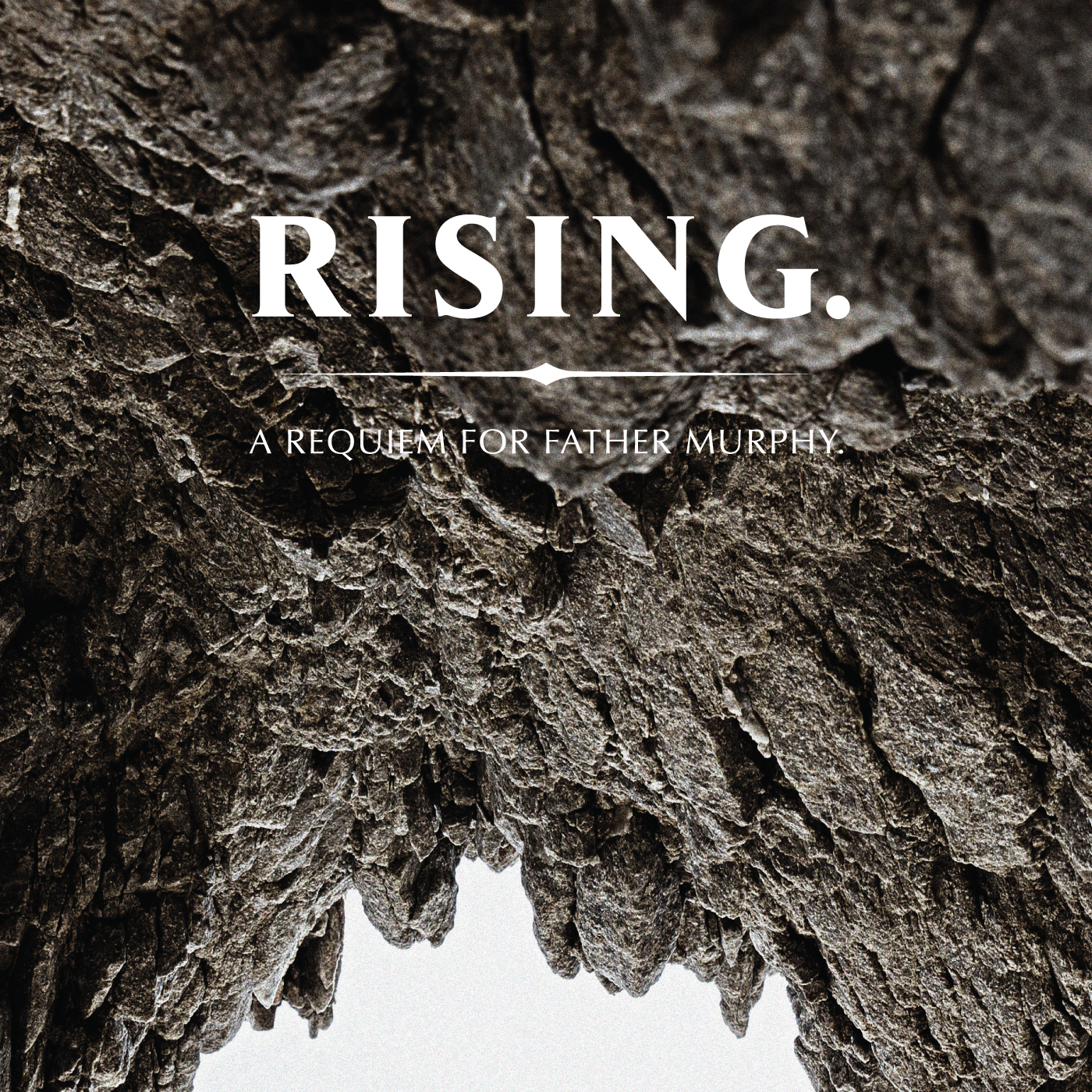 In dem Interview, dass wir vor ein paar Jahren mit der italienischen Okkultband Father Murphy führten, bezeichneten sie ihre Musik als Ausdruck einer Auseinandersetzung mit ihrem katholischen Erbe und dem damit verbundenen Konzept von Schuld. Was die Geschichte dieses Motivs angeht, kann man im Laufe der Jahre eine deutliche Steigerung erkennen: Spielten solche Fragen in den frühen Noiserock-Alben des damaligen Trios eher latent eine Rolle, rückten sie Weiterlesen
ARBRE DU TÉNÉRÉ: Quando gli Uomini Adoravano la Luna
 Irgendwann in Jahr 1973 rammte ein betrunkener Lastwagenfaher einen Baum in der Region Ténéré im südlich der Sahara gelegenen Staat Niger. Sicher ist am gleichen Tag in China der eine oder andere Sack Reis umgefallen, aber mit dem Baum starb – beinahe – ein regionaler Mythos. Die Akazie, die der Trucker zu Fall brachte, stand dort einige Jahrhunderte und war der Überlieferung nach der einzige Baum im Umkreis von vierhundert Kilometern, diente lange als Wegweiser für Karawanen und galt in der Folklore der Einheimischen als Weiterlesen
Searching for Subterranean Sounds. Interview mit Silvia und Andrea von Yerevan Tapes
 Abgesehen von der ursprünglichen Bedeutung als Ettikett rangiert die Semantik des Begriffs “Label” zwischen Plattenfirma und Marke, und auch in weniger kommerziellen Nischen kann man viele Labels dahingehend unterscheiden, welche der beiden Bedeutungen ihnen eher entspricht. Zum einen gibt es die Labels, die innerhalb eines nicht allzu eng gefassten Spektrums eine gute Bandbreite an Acts verlegen, ohne dass es eine klar erkennbare Hausphilosophie und eine deutliche ästhetische Linie gäbe. Auf der anderen Seite Weiterlesen
Searching for Subterranean Sounds. Interview with Silvia and Andrea of Yerevan Tapes
As far as I know you both played in bands such as His Electro Blue Voice and one of you is also running Avant! Records. Later on you formed Yerevan. When and how did you decide to do publishing activities besides your own music?
Actually only Andrea used to be involved in His Electro Blue Voice, having been drummer in the band from day one until 2013‘s full-length album on Sub Pop. He also runs Avant! Records since 2007. Together we started Yerevan Tapes in 2011 with the intent to explore new sounds previously unexperienced.
Where have your music roots been? Was there some sort of a subcultural scene you were part of?
We may come from different musical background but after several years of listenings we both felt we needed something new, something deeper more artistically and spiritually engaging. That’s exactly the kind of ground Yereven Tapes took its first steps from.
 I have the impression that the labels, Yerevan even more, is rather some art concept of its own than a business. Would you agree?
Most of indie labels come out of passion, often with an ordinary job on the side to bring some money in. This leaves enough room to grow a specific identity and the necessary freedom to choose the best contents.Speaking of Yerevan, we felt the need to build something with a strong aesthetical identity where music, medias and symbolic communication were one.
If you had to scetch the artistic vision you follow with Yerevan, how would you express it?
As our motto states, we are a “cassette and vinyl record label for sacred sounds”. It means we’re chasing those music projects who can deliver their own vision of the sacred, their Weltanschauung, no matter how. When one takes a look at our catalogue he might feel the differences rather than the similarities between the artists, but they all share a common aim.
Your two labels differ not only in terms of the medium (Avant! mostly vinyl, Yerevan mostly tape), but also bit in terms of styles, as Avant! has some focus on post punk/dark pop and Yerevan is more into the experimental and psychedelic in the broadest sense of the words. Did this just happen or do you think, style and medium fit for some reason?
The tape is some sort of natural media for experimental music since the 70s, if not earlier. So it comes as no surprise that we felt it as our primal support as YT. It’s cheaper, it’s easier to distribute worldwide, it gives you the opportunity to release material from obscure artists without having to face the difficulties of a vinyl record production. At the same time, just as in the post punk/dark pop realm the tape has recently came back as music medium, we on our end have done 3 vinyl releases already and we are planning to have more for the near future.
Bands like Father Murphy, Bird People, La Piramide or German Army play quite different styles, but do you think there’s a read thread, some artistic or spiritual element that combines them?
As we said above, they surely have different styles but at the same time, we think it is kind of easy to see what connects them together. Their search for subterranean sounds may end in different artistic solutions but what moves them seems to be the same: a quest for spiritual inquiry.
Are there any limits in the range of styles, is there kind of a stylistic no go area, or would you potentially release music from any genre?
Of course there are boundaries, as we will not release punk rock or heavy metal music for instance, at the same time is not strictly a matter of pure musical style performed while it is about how much it does fit within what we are looking to express with YT. As long as we think it bonds with what we are doing we may consider it.
Is there something like a favourite release that has a special meaning to you?
As rhetorical as this may sound, we have no favourite release as each one has its own identity and particular history. Behind every records we put out there is a connection as much personal as possible, with the music and the artist who created it. For different reason we are exited about every one of them so far.
 Artwork plays a stong role not only in the tape design but also on your web spaces, and there is a lot of religious and ritualist symbols from all over the world. How is your interest in this, and where is the relation to your concept and the music?
While we may collect influence from religious and artistic expressions from different places and times, we have a special eye for the kind of cinematic results that Soviet Armenia directors achieved. The fact that Silvia graduated in Cultural Anthropology surely played a strong role within the YT quest for aesthetics.
Could you give us an example or two for Armenian movies that have influenced you?
Surely. The Yerevan cassette-tape covers come straight from a particular time and space. And not only Armenian movies, sometimes Georgian or Ukrainian ones too; the point is that they all belong to a specific period and context: the soviet lands between sixties and late seventies and its cosmogony. There’s something in the way they represent the world that somehow has a strong link to us as label. In a very concise list just to get the idea, besides the well-known Sergej Paradžanov and his marvellous filmography (all his movies are perfect gems in their own way, especially Shadows of Forgotten Ancestors (1964) which I’m particularly fond of), I can recommend Wishing Tree (1976) by Tengiz Abuladze, and two short movies by Artavazd Pelešjan: Inhabitants (1970) and Seasons (1975).
So this already answers my next question – you didn’t chose the name of the Armenian capital for mere exotic reasons…
Like we just said, a first infatuation came from Silvia’s University studies, one on Armenian culture, language and history in particular. We think the name we chose stands for something able to build bridges between Here and There. It might not have been Yerevan, but it would have been a toponym in any case as we think toponyms are thick and widespread words.
Several psychedelic and experimental music styles exist now for a long time. What do you think are the main qualities of such music today, and what could be the reason that it became a bit more popular again?
Probably it’s the strong mystical appeal that psychedelic music hosts that managed to make it last through all these years. Tribal approach to the drumming and deep drones always have a direct power on our souls. Music fashions come and go, but there’s always room for experimenting in sounds.
A lot of younger psych bands today deal with esoteric and occult motifs, but often combined with some playful or ironic note. Some people would say that this is a sign of hipster stuff, but do you think that such topics are more vital when they are not too serious?
 We don’t wish to be looked as too serious but at the same time we don’t think we are much ironic about our iconography. We like to blend religious symbols with contemporary artwork, but we do not mean it in a funny way. We just look to create a new context for those everlasting icons.
What is your opinion on a tag like Italian Occult Psychedelia, which is somehow also applied to bands of your label by the music press?
We think it has proved itself to be a great tag to gather different bands with different styles under one common vessel. As with everything it‘s no perfect tool, but it surely has been helpful to export the current Italian sound abroad.
In our country, the media dealt only punctually with Italian music, yet there was a huge output of releases for a long time. In the last years, this changed a bit and people become aware of the variety of Italian stuff. Do you have an idea about this change?
We only can think that what you say proves our point. Some times it takes a little stratagem to make things work properly.
Your newest release is a tape by electronica producers Zone Demersale. What are your plans for Yerevan in the nearer future? Any new explorations?
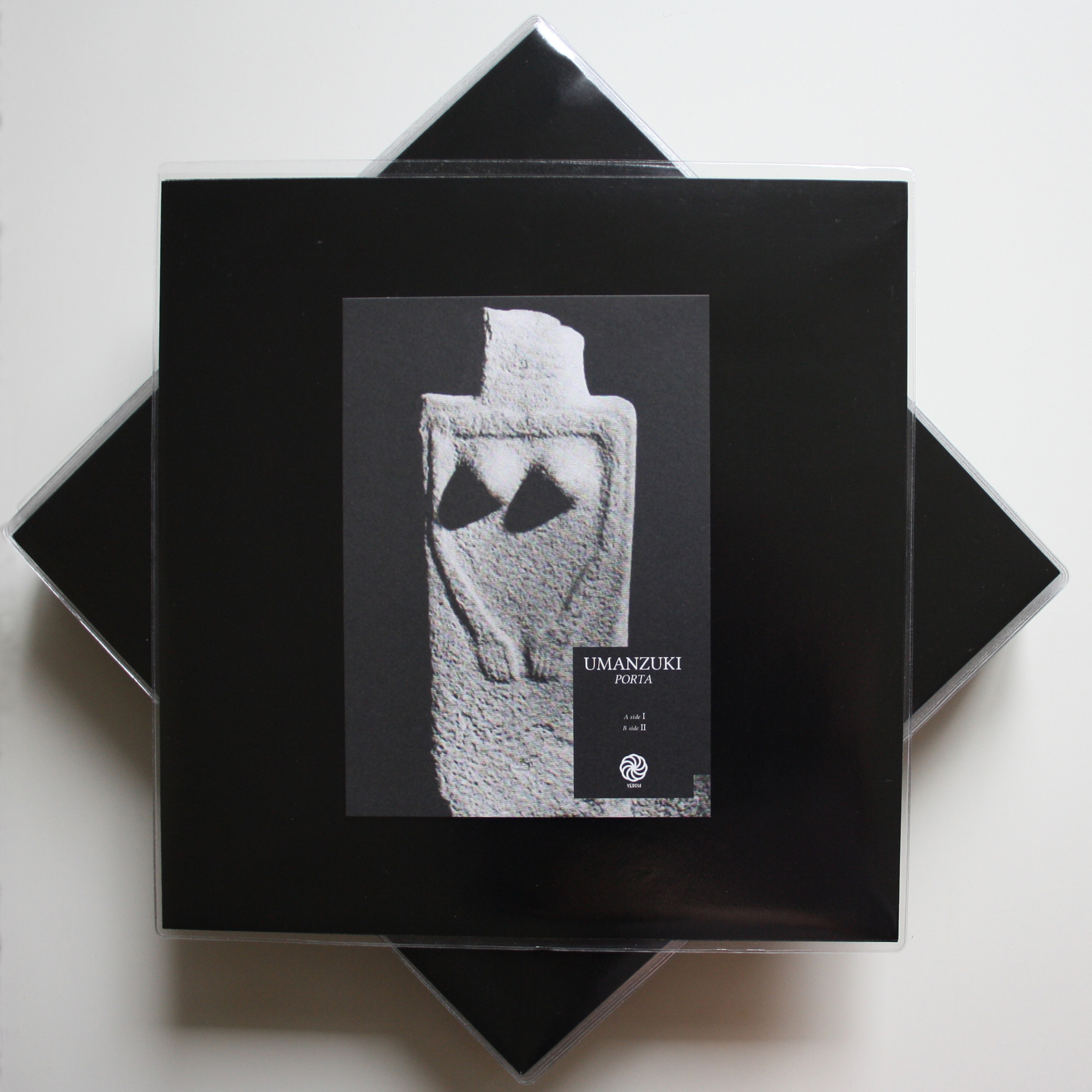
Right as we speak we have put out a brand new vinyl record, the 12” EP Porta by Tuscany-based trio Umanzuki. This is our last release before the summer, after which we will be back with more tape and vinyls, not only by Italian artists and also more electronics-oriented.
(U.S. & A.K.)
SANGRE DE MUERDAGO / NOVEMTHREE: Braided Paths
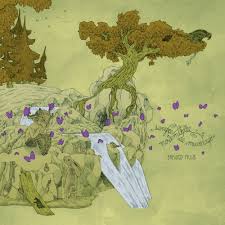 Folkmusik kann die unterschiedlichsten Assoziationen hervorrufen oder, wie man heute sagen würde, in die verschiedensten Richtungen „getagt“ sein. Sie kann die kämpferische Haltung eines Protestsongs einnehmen oder wie ein wehmütiges Echo aus einer verklärten Zeit anmuten. Sie kann als verspielte Hippiemusik daherkommen, oder bieder und zugeknöpft, und dann gibt es noch die freien, experimentierfreundigen Varianten mit offenen Grenzen zu Improv und Noise. Es gibt seit den 70ern eine Tradition, die Prog- und Psychedelic-Assoziationen hervorruft und zugleich eine Art bessere Mittelaltermusik abgibt. Als deutschen Klassiker dieser Richtung kann man das Debüt der Weiterlesen
HOW MUCH WOOD WOULD A WOODCHUCK CHUCK IF A WOODCHUCK COULD CHUCK WOOD?: s/t
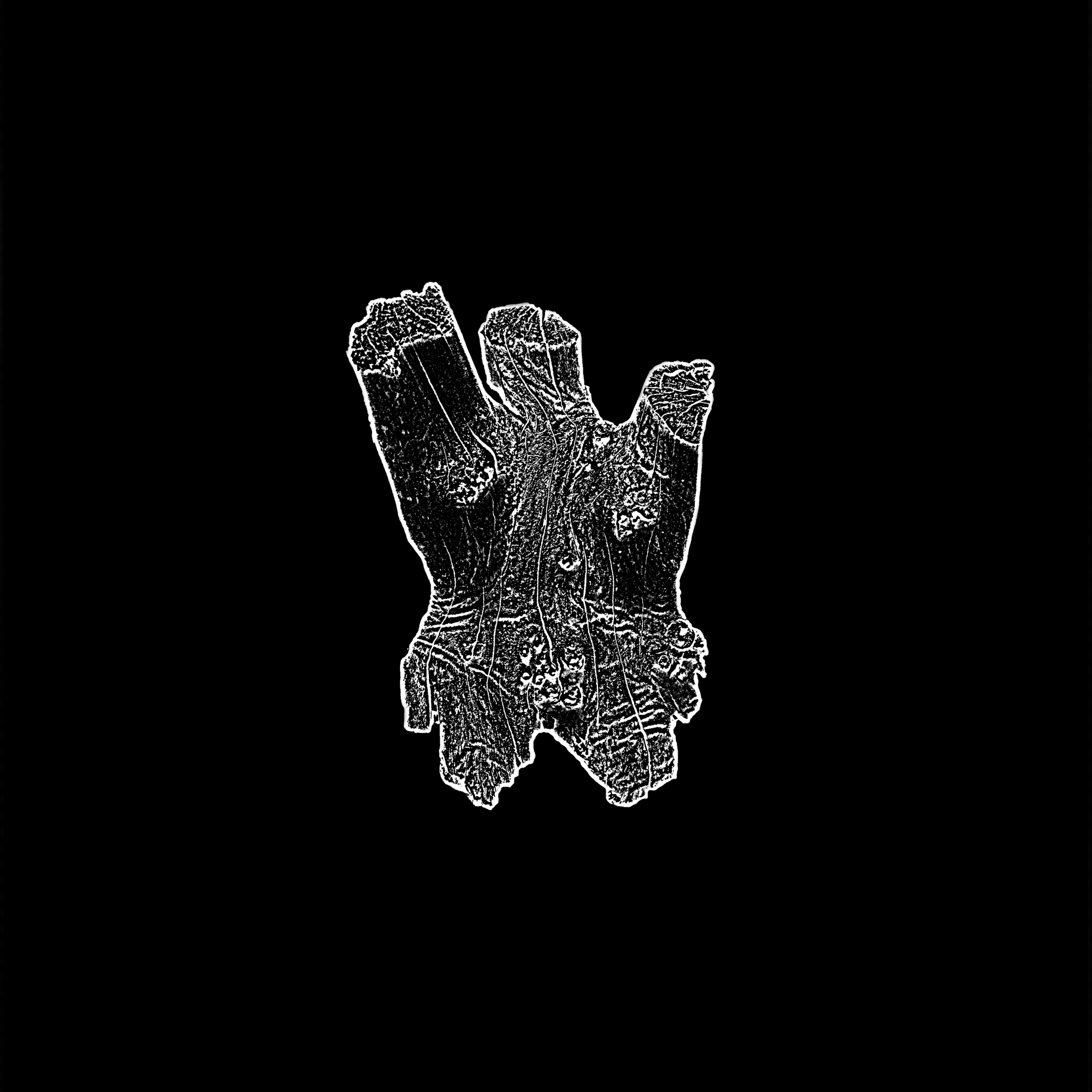 Wie viel Holz würde ein Murmeltier hacken, wenn ein Murmeltier Holz hacken könnte? Ich weiß es nicht, aber ich vermute mal, dass die Turiner Gher, Coccolo und Iside, die ihre Band nach diesem Zungenbrecher, einem englischen Pendant zu unserem “Fischers Fritz” benannt haben, wohl noch öfter in Interviews beweisen müssen, dass sie ihren eigenen Bandnamen fließend aussprechen können. Manche behaupten, der merkwürdig onomatopoetische Singsang des Namens sei nicht nur einprägsam, sondern würde mit seinen Assoziationen von Waldeinsamkeit und verschlafenen Nagern mit Superkräften auch die Musik des italienischen Trios ganz gut wiedergeben. Vorweg: Ich stimme dem nur zu unter der Einschränkung, dass sie keine Romantiker sind. Weiterlesen
WHITE HEX: Heat 12″
 White Hex haben ihrer ersten 12” nicht nur den Titel „Heat“ gegeben, sie nennen ihren Stil obendrein auch noch Tropical Goth. Auf den ersten Eindruck könnte man jedoch meinen, dass das winterlich dunkle Coverbild weit mehr zur desolaten Stimmung der Musik passt, die das australische Duo Tara Green und Jimi Kritzler fabriziert, aber vielleicht soll das Porträt der beiden ja auch so etwas wie den Triumph des Entronnenseins dokumentieren. Die tropische Hitze, die die beiden hier eine knappe halbe Stunde lang Weiterlesen
KING DUDE: Tonight’s Special Death
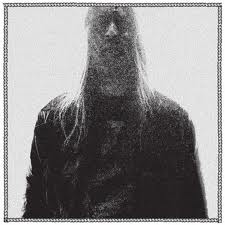 Von Thomas Jefferson Cowgill, auch bekannt als King Dude, haben die meisten wohl erst vor kurzem Notiz genommen, doch schon gilt er als umstrittener Künstler und wird kontrovers diskutiert. Umstritten und kontrovers aber keineswegs, weil er Dinge machen würde, die man als anstößig betrachten müsste. Viel eher geht es um Fragen seiner Rezeption: Wie sehr hat die Welt eigentlich auf King Dude gewartet? Ist um ihn am Ende noch ein Hype am entstehen, und wenn ja, wie sehr hätte er den verdient? Weiterlesen